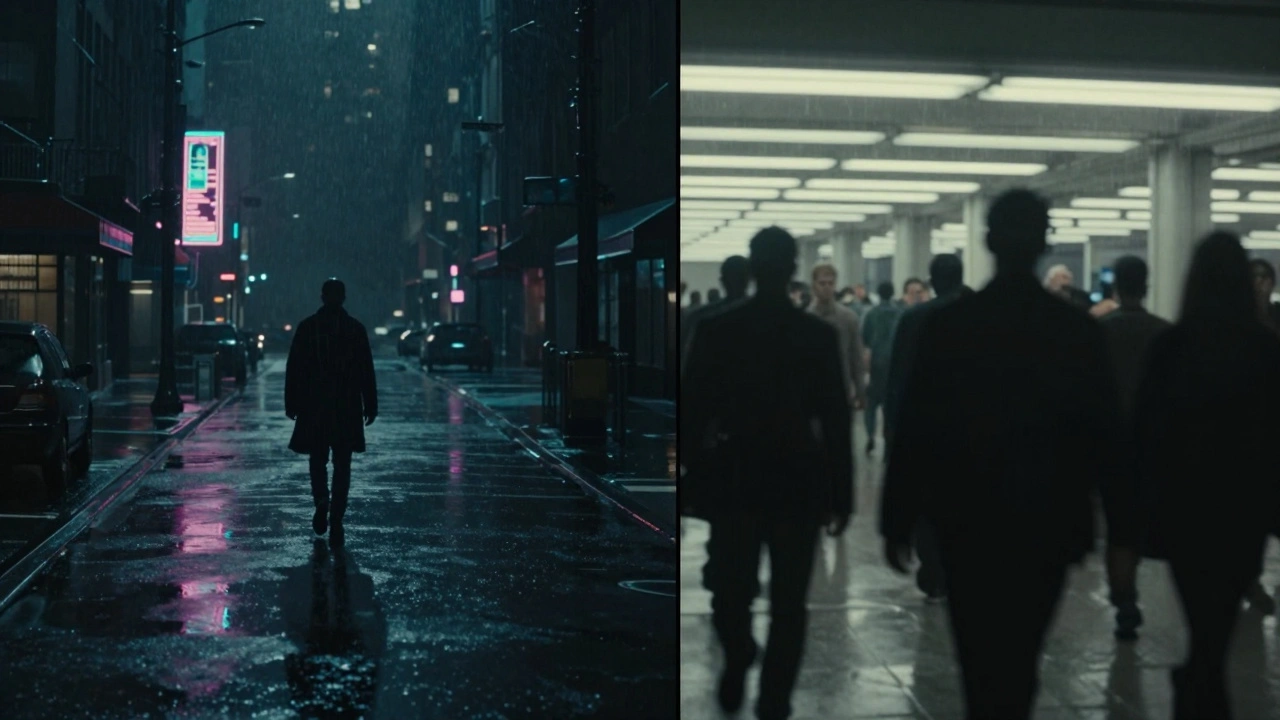
Ever watched a movie and felt something was off? Like the ending didn’t land, or a character vanished halfway through? That might not be the director’s vision-it could be the studio’s version. The difference between a director’s cut and the theatrical cut isn’t just about extra scenes. It’s about who gets to decide how a story ends.
What Is the Theatrical Cut?
The theatrical cut is the version studios release in theaters. It’s the one you see on opening weekend, the one advertised in trailers, the one that gets reviewed by critics on opening night. This version is shaped by more than just the director. Producers, studio executives, test audiences, and marketing teams all have a say.
Why? Because movies are expensive. A two-hour film that doesn’t hold attention in the first 20 minutes could lose millions. Studios trim pacing, simplify plots, or even change endings to make sure audiences walk out satisfied. Sometimes, they remove emotional depth to keep things "accessible." Other times, they add cheap thrills because test screenings showed people cheered at explosions.
Take Blade Runner 2049. Denis Villeneuve fought hard to keep the slow, atmospheric tone. But the studio still cut 12 minutes before release. Why? Test audiences said they "got bored." The theatrical version lost money. The director’s cut, released later, made fans feel like they finally saw what the filmmaker intended.
What Is the Director’s Cut?
The director’s cut is the version the filmmaker wanted to release. It’s often longer. Sometimes it’s darker. Occasionally, it’s more confusing. But it’s the version where the director’s voice isn’t edited out.
This version usually appears after the movie’s theatrical run-on DVD, Blu-ray, streaming, or special re-releases. It might include deleted scenes, alternate endings, extended character arcs, or even whole subplots that were cut for time.
One of the most famous examples is Alien. Ridley Scott’s director’s cut restored 13 minutes of footage, including the iconic "chestburster" scene with more gore and tension. The theatrical version softened it. The director’s cut? It’s the one that still gives people nightmares.
But here’s the catch: not every director’s cut is better. Some are bloated. Some are self-indulgent. Sometimes, scenes were cut for a reason-because they slowed the story down. The director’s cut isn’t automatically the "best" version. It’s the most authentic one.
Who Really Controls the Final Product?
In theory, the director is the creative lead. In practice, studios own the money, the rights, and the distribution. Most contracts give studios final cut privilege. That means they can override the director-even if they didn’t shoot a single frame.
James Cameron lost final cut on Titanic. He had to trim the film to meet runtime limits for theater scheduling. He later said he regretted cutting the "I’m the king of the world" moment, but the studio insisted. The theatrical version won 11 Oscars. The director’s cut, released years later, added 30 minutes of character moments and technical details. Fans loved it. But the studio didn’t care. They already made their money.
Some directors negotiate for final cut. Christopher Nolan, David Fincher, and Greta Gerwig have it. That’s why their films feel so personal. Others, like Zack Snyder, had to fight publicly for years to get their version released. Snyder’s Justice League was butchered by studio edits. Fans campaigned for years. Eventually, HBO Max released Zack Snyder’s Justice League-a four-hour epic that had nothing to do with the 2017 theatrical version.
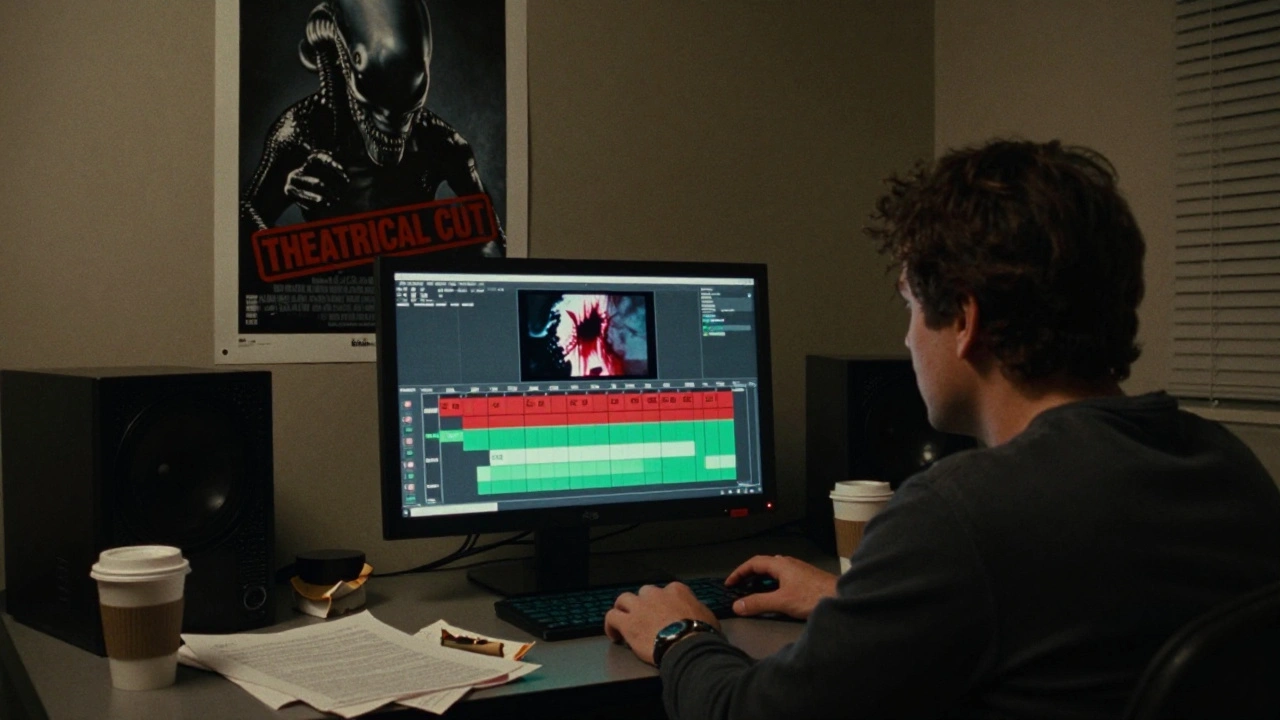
Why Do Studios Edit So Much?
It’s not about creativity. It’s about risk.
Movie studios are corporations. Their job isn’t to make art. It’s to make profit. A film that runs too long costs more in theater time. A dark ending might scare off families. A complex plot might confuse casual viewers. All of that = lower ticket sales.
Test screenings are the real decision-makers. Studios show rough cuts to hundreds of people, then ask: "Did you understand the plot? Did you care about the characters? Would you pay to see this again?" If the answers are "no," scenes get cut. Sometimes, entire subplots vanish. Sometimes, the villain gets a happy ending just because audiences liked them.
Take Superman II (1980). The original cut, directed by Richard Donner, had a darker tone and a tragic ending. The studio fired him and brought in Richard Lester to reshoot half the movie. The theatrical version had a lighter tone, more humor, and a happy ending. Decades later, Donner’s version was reconstructed and released as Superman II: The Richard Donner Cut. It’s widely considered superior. But the studio didn’t care. They had already made their profit.
What’s the Real Difference Between the Two?
It’s not just length. It’s tone, pacing, character development, and emotional payoff.
Here’s how they usually differ:
- Runtime: Director’s cuts are often 10-40 minutes longer.
- Pacing: Theatrical cuts move faster. Director’s cuts breathe.
- Ending: Theatrical endings are often hopeful. Director’s endings are often ambiguous or tragic.
- Character arcs: Director’s cuts give side characters more depth.
- Music and tone: Director’s cuts often use the original score. Theatrical cuts might replace it with "more commercial" music.
Look at Blade Runner (1982). The theatrical cut added a voiceover (against Ridley Scott’s wishes) and a happy ending with Harrison Ford and Sean Young driving off into the sunset. The director’s cut removed the voiceover, made the ending ambiguous, and left the fate of the replicants open. The difference isn’t just scenes-it’s philosophy. One is a Hollywood movie. The other is a meditation on humanity.
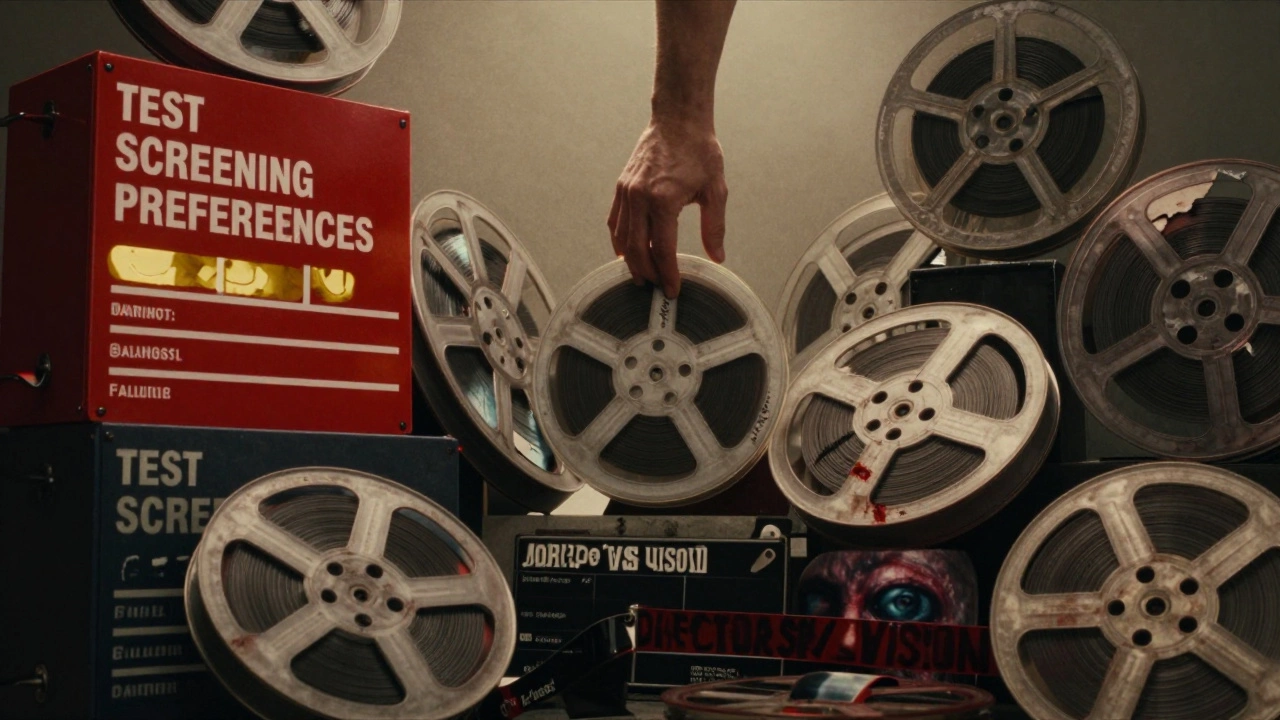
Should You Watch the Director’s Cut?
If you love a film, watch the director’s cut. If you’re curious about filmmaking, watch both. If you’re a casual viewer, the theatrical cut might be enough.
But here’s the truth: most people never see the director’s vision. They see the version the studio thinks will sell. That’s why fan campaigns for director’s cuts have become so common. It’s not just about nostalgia. It’s about reclaiming art from commerce.
Some director’s cuts are essential. Apocalypse Now (Final Cut), Thelma & Louise (Extended Edition), Star Wars: A New Hope (1977 Original Theatrical Cut)-these versions changed how we understand the films.
Others? Not so much. Harry Potter and the Sorcerer’s Stone has a director’s cut with 11 extra minutes, but they’re mostly filler. It doesn’t improve the story. It just stretches it.
So ask yourself: Do you want the movie that made money? Or the movie that made sense?
How to Find the Right Version
Not every streaming service carries director’s cuts. Some only have theatrical versions. Here’s how to track them down:
- Check the streaming platform’s description. Look for "Director’s Cut," "Extended Edition," or "Unrated Version."
- Search for the film’s title + "director’s cut" on Blu-ray or Amazon. Physical media often includes both versions.
- Use sites like IMDb or Letterboxd. They list all known versions and runtime differences.
- Watch reviews from film critics who compare versions. They’ll tell you which scenes matter.
Some films, like Blade Runner 2049 and Justice League, are only truly complete in their director’s versions. Watching the theatrical cut is like reading a summary of a novel.
Why This Matters Beyond Movies
This isn’t just about film. It’s about creative control in any medium. Writers get edited. Musicians get mixed. Artists get censored. The same pressure exists everywhere.
When you see a director’s cut, you’re seeing what happens when someone fights to keep their voice. It’s not about ego. It’s about integrity.
And if you care about stories that stick with you-stories that haunt, challenge, or change you-you’ll always seek out the version the creator meant to share.
Is the director’s cut always better than the theatrical cut?
No. The director’s cut is the version the filmmaker intended, but not always the best. Some scenes are cut for pacing, clarity, or emotional impact. A longer version isn’t automatically stronger. Some director’s cuts are bloated or unfocused. The best approach is to watch both and decide for yourself.
Why don’t studios release the director’s cut in theaters?
Theaters make money per screening. Longer films mean fewer showings per day. Studios prioritize profit over artistic vision. A two-hour movie can play six times a day. A three-hour movie can only play four. That’s a big difference in revenue. Also, studios fear audiences won’t sit through longer films.
Can a director’s cut be worse than the theatrical version?
Yes. Sometimes, scenes are cut because they don’t work. A director might love a scene, but it drags the story down. Studios often remove these. In cases like Harry Potter and the Sorcerer’s Stone, the director’s cut adds 11 minutes of mostly unnecessary material. The theatrical version flows better.
Do all directors get to make a director’s cut?
No. Most directors sign contracts that give studios final cut privilege. Only a few powerful directors-like Christopher Nolan, David Fincher, or Greta Gerwig-negotiate for final cut rights. Others have to fight years after release to get their version seen, like Zack Snyder with Justice League.
How do I know if a version is truly the director’s cut?
Look for official labeling from the director or studio. Check IMDb’s "Alternate Versions" section. Reliable sources like Criterion Collection or director interviews confirm authenticity. If it’s labeled "Director’s Cut" but has no new scenes or changes, it might just be a marketing gimmick.



Comments(8)