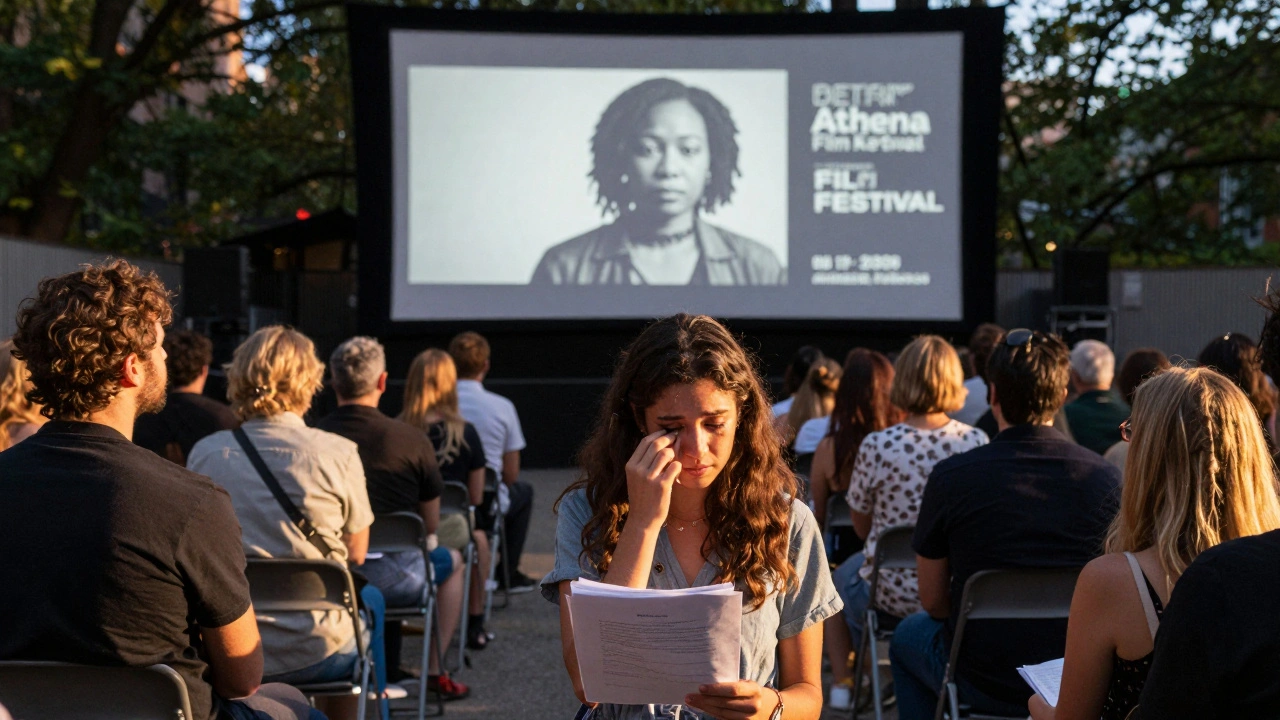
Women-focused film festivals aren’t just side events or token gestures-they’re reshaping how stories are told, who gets to tell them, and who gets seen on screen. For decades, the film industry has been dominated by male voices, both behind and in front of the camera. But festivals like the Sundance Women’s Film Program, the Athena Film Festival, and the Women in Film Festival in Los Angeles are changing that. These aren’t niche gatherings. They’re powerful platforms where female directors, writers, producers, and cinematographers find audiences, funding, and recognition that mainstream festivals often overlook.
Why These Festivals Exist
Let’s be real: the numbers don’t lie. In 2024, only 18% of the top 100 films had female directors. Just 12% of cinematographers were women. And when it came to screenwriters, only 23% were female. These aren’t small gaps-they’re chasms. Women-focused film festivals exist because the traditional system isn’t fixing itself. They’re not about exclusion. They’re about correction. They create space where stories about women’s lives, struggles, joys, and complexities aren’t treated as outliers, but as central to cinema.
Take the Athena Film Festival at Barnard College. Founded in 2011, it doesn’t just show films-it hosts panels with Oscar winners like Greta Gerwig and Frances McDormand. It connects emerging filmmakers with producers who’ve backed projects like Little Women and Marriage Story. This isn’t about charity. It’s about building pipelines.
What Makes These Festivals Different
Most mainstream festivals prioritize big premieres, star power, and box office potential. Women-focused festivals prioritize something else: authenticity. They look for films that explore motherhood without romanticizing it. Films that show women in power without turning them into villains. Films that depict trauma without exploiting it.
At the Women’s International Film & Art Festival in Miami, a 2023 short film called Waiting for the Bus won Best Narrative. It followed a single mother in Detroit who works two jobs just to keep her daughter in school. No grand speeches. No dramatic twists. Just quiet resilience. That film wouldn’t have gotten traction at Cannes-but here, it moved an entire room to silence.
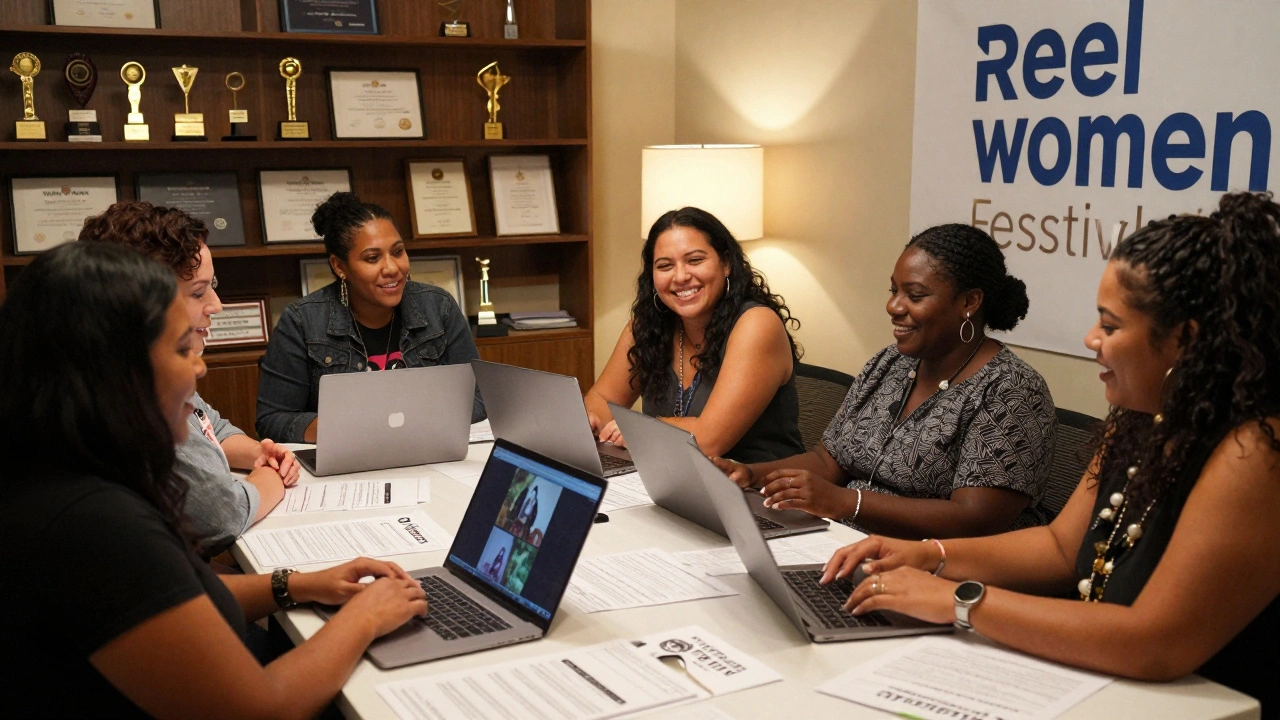
These festivals also prioritize behind-the-scenes diversity. Many require a minimum of 50% female crew members on submitted films. Some even offer free editing software, mentorship programs, and grants specifically for women of color. The Reel Women initiative in Texas has funded over 80 projects since 2019, with 72% of them going to filmmakers who identify as Black, Latina, or Indigenous.
Impact Beyond the Screen
The influence of these festivals doesn’t stop at awards night. They’re catalysts for industry change. After the She Is the Cinema festival in London featured a documentary about a female drone operator in Syria, the film was picked up by Netflix and later screened at the UN. The director, a 28-year-old from Jordan, got a development deal with a major studio within six months.
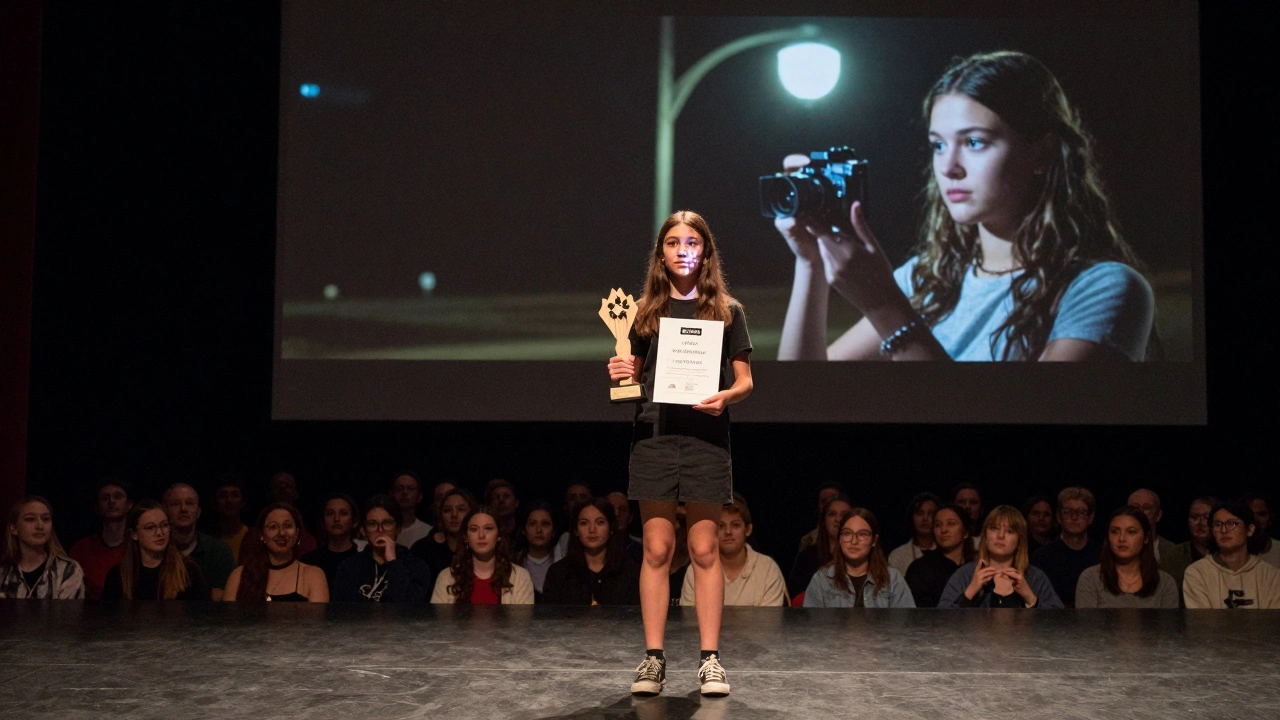
Even smaller festivals have ripple effects. The Girl Reel Festival in Portland, Oregon, started with 200 attendees in 2018. By 2025, it drew 12,000 people and launched a youth mentorship program that’s trained over 400 girls aged 13-18 in filmmaking. One of those girls, now 19, just finished her first feature film-funded by a grant from the festival itself.
These festivals also create professional networks. Female filmmakers often face isolation. They don’t have the same access to industry parties, pitch sessions, or informal mentorships that men do. Festivals like Women in Film & Television in Toronto host speed-networking events where producers sit down with directors for 10-minute chats. No fancy suits. No small talk. Just: “What’s your next project?”
Who’s Behind the Scenes
It’s not just about who’s on screen. It’s about who’s in the room. These festivals are led by women-many of them former filmmakers, critics, or activists who’ve been shut out of traditional institutions.
The founder of the Women’s Film Festival in Chicago, Maria Delgado, was rejected from 17 film school programs before finally getting accepted at 32. She started the festival in her living room with a projector and a borrowed screen. Today, it’s one of the largest in the U.S., with a budget of $2.3 million and partnerships with A24 and Amazon Studios.
These leaders aren’t waiting for permission. They’re building their own tables. And they’re inviting others to sit down.
What You Can Do
Supporting these festivals doesn’t mean you have to be in Hollywood. You can attend. You can donate. You can share a film on social media. You can volunteer. You can even submit your own work.
Here are five festivals making real waves in 2026:
- Athena Film Festival (New York)-Focuses on leadership and storytelling. Offers filmmaker residencies.
- Women’s International Film & Art Festival (Miami)-Prioritizes global voices. Accepts submissions from over 60 countries.
- Reel Women (Texas)-Funds and mentors women of color. Has a 70% success rate for funded projects reaching theaters.
- Girl Reel Festival (Portland)-Youth-driven. Teaches filmmaking to girls 13-18 and features their work.
- She Is the Cinema (London)-Connects films with global distributors. Has placed 37 films on streaming platforms since 2020.
Many of these festivals offer free or low-cost tickets. Some even have virtual screenings. You don’t need a press pass to be part of this movement.
The Bigger Picture
These festivals aren’t just about films. They’re about power. Who gets to tell stories? Who gets to be seen? Who gets to be remembered?
When a woman directs a film about a grandmother who escaped war, and that film wins an award at a women-focused festival-it doesn’t just change her life. It changes the industry’s idea of what matters. It tells studios: this story has value. This voice matters. This perspective belongs on the big screen.
And that’s why these festivals matter. Not because they’re “for women.” But because they’re for everyone who believes cinema should reflect the fullness of human experience-not just the half that’s been heard for too long.
Are women-focused film festivals sexist?
No. They’re corrective, not exclusionary. The film industry has long favored male voices. These festivals create space for underrepresented voices to be heard-not to shut others out, but to balance a system that’s been tilted for decades. They’re not about replacing one group with another. They’re about making sure no group is left behind.
Can men attend or submit films to these festivals?
Yes. Most women-focused festivals welcome male filmmakers and audiences. What they require is that the film’s lead creative roles-director, writer, producer, or lead subject-are held by women. It’s not about gender exclusion; it’s about centering women’s stories and leadership.
Do these festivals only show dramas or serious films?
Absolutely not. These festivals showcase comedies, horror, sci-fi, documentaries, animations, and experimental films. A 2024 short from the Girl Reel Festival was a zombie comedy about a teen girl who turns her abusive stepdad into a zombie. It won Best Comedy. These festivals celebrate the full range of women’s creativity-not just what’s deemed "serious" or "appropriate."
How do these festivals fund themselves?
Most rely on a mix of private donations, grants from arts foundations, corporate sponsorships (like Adobe or Canon), ticket sales, and crowdfunding. Some, like Reel Women, partner with universities or public media organizations. They rarely take money from major studios-this keeps them independent and focused on emerging voices.
Have any films from these festivals gone mainstream?
Yes. The Woman King (2022) was first screened at the Athena Film Festival before its wide release. Portrait of a Lady on Fire (2019) gained early buzz at the Women’s Film Festival in Toronto. Even smaller films like My Mother’s Wedding (2023) from the Miami festival landed on Hulu and Apple TV+. These festivals are launchpads, not dead ends.



Comments(10)