Why film festivals matter more than ever for new directors
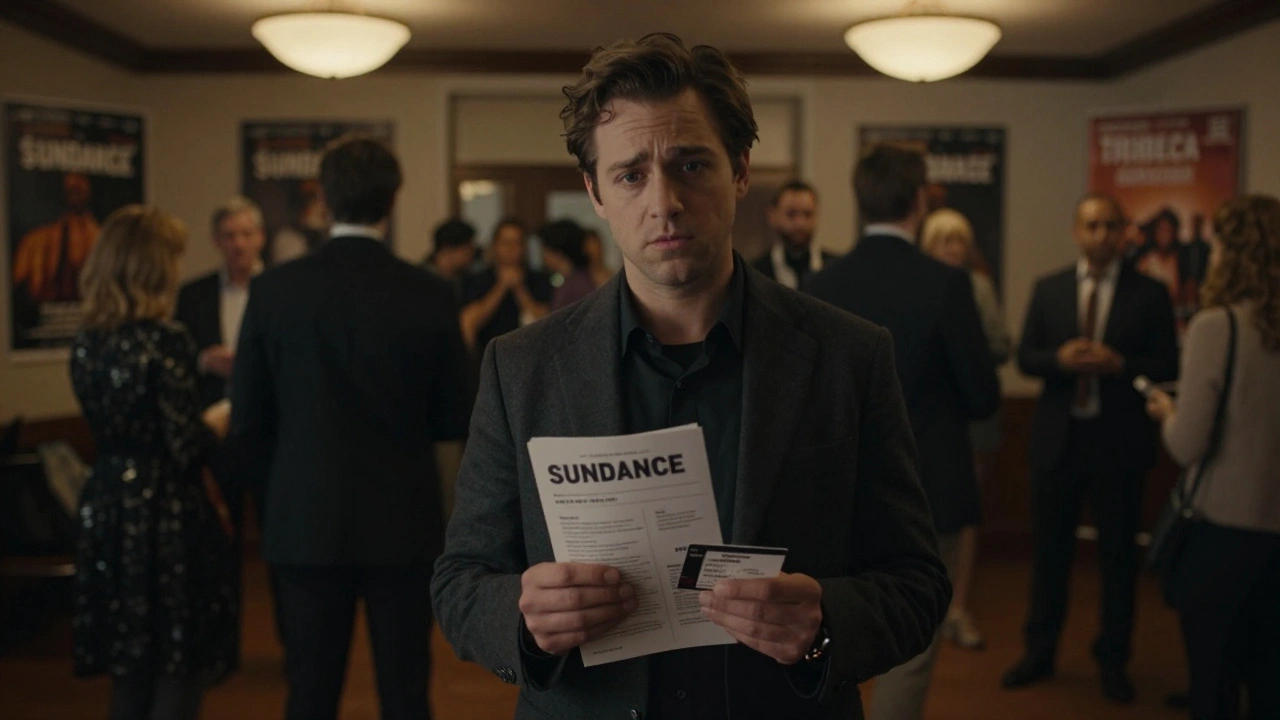
Most first-time directors think their movie will find an audience on streaming platforms or YouTube. But if you want real recognition, industry connections, and a shot at distribution, film festivals are still the only proven path. Sundance, Tribeca, Cannes, Toronto - these aren’t just fancy parties. They’re gatekeepers. A premiere at the right festival can turn your low-budget film into a talking point, attract buyers, and land you your next project.
But showing up with a completed film isn’t enough. You need a strategy. Without one, your movie gets lost in the crowd. In 2024, over 4,000 films premiered at festivals worldwide. Only 12% of them got distribution deals. The difference? Directors who planned their festival run like a campaign, not an afterthought.
Start with your goal - not your film
Before you submit a single application, ask yourself: What do you actually want?
- Do you want a distribution deal from a major studio?
- Are you trying to build a reputation to land a TV pilot?
- Do you just want validation from peers and critics?
- Are you aiming for awards to boost your resume?
Each goal demands a different festival path. If you want a Netflix deal, target Tribeca, Sundance, or SXSW - places where buyers actively scout. If you want critical buzz for your next script, focus on Berlin or Locarno. If you’re an emerging filmmaker with no budget, look at smaller genre fests like Fantastic Fest or Slamdance - they’re hungry for fresh voices and easier to break into.
There’s no point submitting to Cannes if your film is a 15-minute experimental piece with no commercial potential. Festivals have agendas. Know yours, and match it.
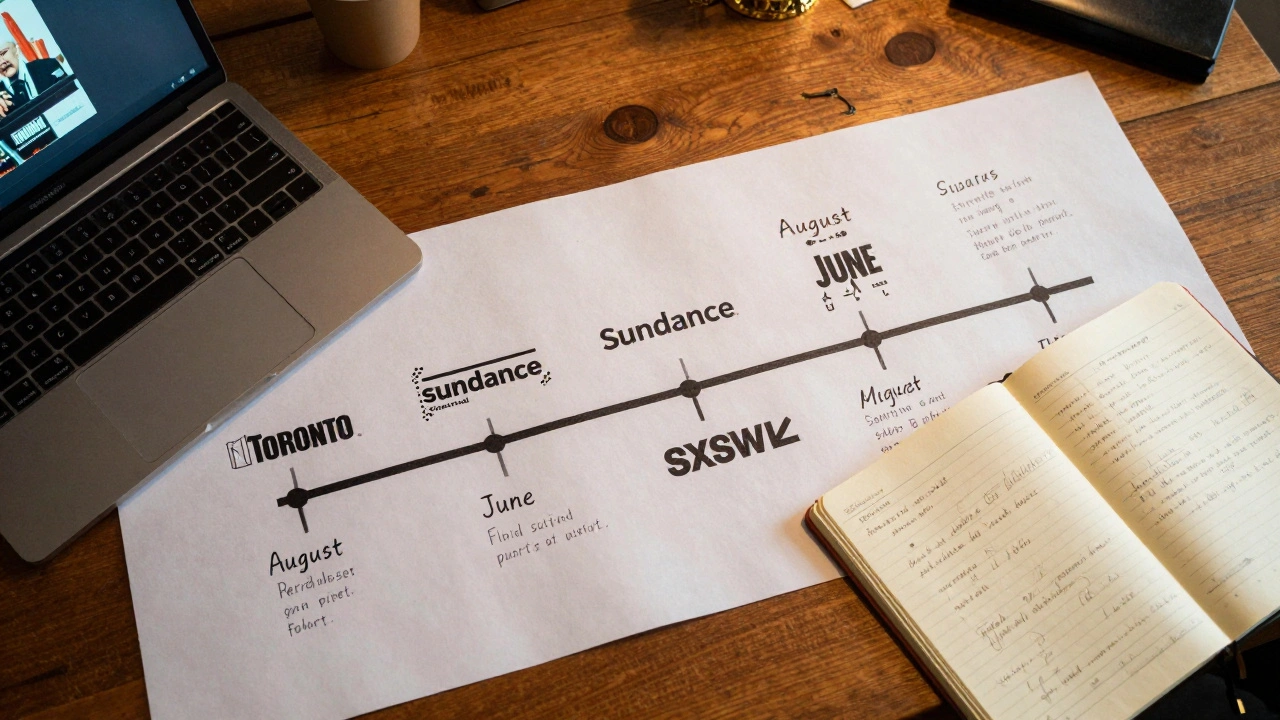
Build your festival calendar like a roadmap
Don’t just apply to every festival you find. Map out a timeline. Start with the big ones - but don’t go all in on January if your film isn’t finished.
Here’s how the cycle usually works in 2025:
- August-October: Submit to fall festivals (Toronto, New York, Telluride). These are the most competitive, but also the most influential.
- November-December: Target year-end festivals (Sundance, Berlin, Rotterdam). Sundance is the only one that happens in January - and it’s the most watched by distributors.
- January-March: Focus on niche festivals (South by Southwest, Tribeca, IDFA). These are where genre films and documentaries find their audience.
- April-June: Use smaller regional fests to build momentum. These help with press, local buzz, and festival circuit credibility.
Plan for at least three festivals. If your film gets rejected from the first two, you still have a shot at the third. Never put all your eggs in one basket.
Get your materials in order - before you apply
Festival programmers see hundreds of submissions. Your materials need to stand out - fast.
You need:
- A 100-word logline that grabs attention in under 5 seconds
- A one-page synopsis with clear stakes, tone, and why it’s different
- A director’s statement (150-200 words) explaining why you made this film - not just what it’s about
- High-res stills (3-5) that look cinematic, not promotional
- A trailer under 2 minutes - no music-only montages, no voiceover explaining the plot
Don’t use the same materials you sent to your friends. Festival submissions are judged by industry professionals. They want to see that you understand the craft, not just the story.
Also, make sure your film is formatted correctly. Most festivals require DCP or ProRes files. If you’re not sure how to deliver it, hire a post house. It’s cheaper than getting rejected for technical errors.
Don’t just submit - network before you arrive
Submitting your film is step one. Getting noticed is step two. And it starts before you even land at the festival.
Find the programmers who handle films like yours. Look at last year’s lineups. Who programmed the indie horror film that won best narrative? Find their LinkedIn. Send a short, respectful email. Say you’re submitting a film that shares similar themes. Don’t ask for a screening. Just say you admire their work.
Reach out to journalists who cover indie film. Pitch them a story - not about your film, but about the making of it. Why did you shoot in that town? What was the biggest challenge? Journalists love behind-the-scenes angles. If they write about your process, it builds credibility before your premiere.
And don’t wait for the festival to start. Attend panels. Ask questions. Talk to other directors. Most people are too nervous to speak up. Don’t be one of them.
At the festival: Be present, not just proud
Showing up with your film and a smile isn’t enough. You need to be strategic.
- Arrive early. Don’t wait for your screening to start. Be in the lobby 30 minutes before. Talk to people waiting in line.
- Bring printed press kits - not digital. People still take notes on paper.
- Have business cards with your name, film title, and website. No phone numbers. No social handles. Just a clean URL.
- Don’t pitch your next film during Q&A. Answer questions about this one. Save the future for after the screening.
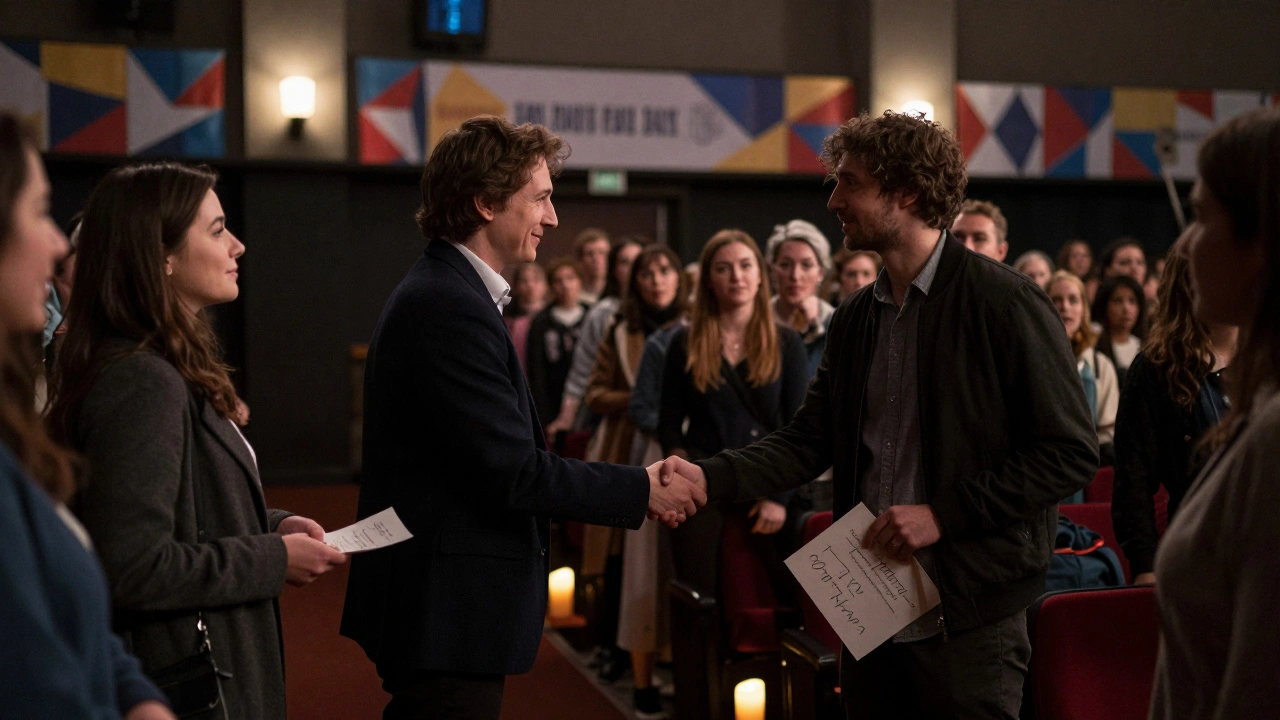
- After the screening, stand by the exit. Don’t hide in the back. Thank people as they leave. Ask what they thought. Don’t defend. Listen.
Buyers don’t look for the loudest director. They look for the one who listens, adapts, and doesn’t act like they’ve already made it.
What happens after the premiere?
Most directors think the festival is the finish line. It’s not. It’s the starting line.
Within 48 hours of your screening:
- Send a thank-you email to everyone who came - including audience members who left comments
- Post a short video on social media: “Here’s what one person said after the screening…” - pick a real quote, not a generic “amazing film”
- Reach out to any journalist who covered the festival. Ask if they’d be open to a follow-up interview
- Update your website with press quotes, stills from the event, and your festival schedule
If you got an offer from a distributor, don’t rush. Ask for time. Talk to other directors who’ve been through it. Check their contracts. Read the fine print. Many first-time directors sign away rights because they’re excited - and then regret it.
What if your film gets rejected?
Rejection isn’t failure. It’s feedback.
Most successful directors got rejected 5-10 times before their first festival win. The difference? They didn’t stop. They asked why.
If you get feedback from a festival, take it seriously. If they say your pacing is slow, edit it. If they say the sound is muddy, fix it. If they say your story doesn’t connect, rewrite the ending.
And don’t just re-submit the same version. Change something. Even a small tweak - a new title, a different trailer cut, a revised director’s statement - shows you’re listening.
Final rule: Your film is not the product. Your career is.
Every festival you attend, every conversation you have, every email you send - it’s not about your movie. It’s about you.
Directors who win at festivals aren’t always the ones with the best films. They’re the ones who show up, stay engaged, and treat every interaction as a chance to build trust.
So don’t just launch your film. Launch your career.
What’s the cheapest way to get into a major film festival?
The cheapest way is to target early-bird submission deadlines - most festivals offer discounts if you apply 3-4 months in advance. Also, consider film labs or grants that cover submission fees. Many festivals waive fees for first-time directors from underrepresented communities - check their diversity programs.
Should I pay for a private screening at a festival?
No. Paid screenings are not the same as official selections. Festivals that charge directors for screenings are not reputable. Stick to festivals that select films through a jury. If a festival asks you to pay to show your film, walk away. Real festivals earn revenue from ticket sales and sponsorships - not from directors.
How many festivals should I submit to?
Aim for 8-12 submissions total. Prioritize 3-5 top-tier festivals that match your film’s tone and goals. Then fill the rest with niche or regional fests that have strong audiences in your genre. More than 15 is usually a waste of time and money - and spreads your energy too thin.
Do I need a publicist for my film debut?
Not for your first festival. Most first-time directors can handle their own press with a well-written press kit and a few targeted emails. Save the publicist for when you’ve already gotten a few positive reviews or an offer from a distributor. At that point, they can help scale your reach.
What’s the biggest mistake new directors make at festivals?
Thinking the premiere is the end goal. The real work starts after the screening. The people who walk out and say, “This is great,” are the ones who might buy your next film - if you follow up. Don’t disappear after the lights come up.




Comments(6)