Most people think movies are made because someone had a great idea. But behind every film - from a $200 million blockbuster to a tiny indie drama - is a complex money machine. Where does all that cash actually come from? It’s not just rich producers or big studios. The truth is, movie money comes from a patchwork of sources, each with its own rules, risks, and rewards.
Studio Financing: The Big Players
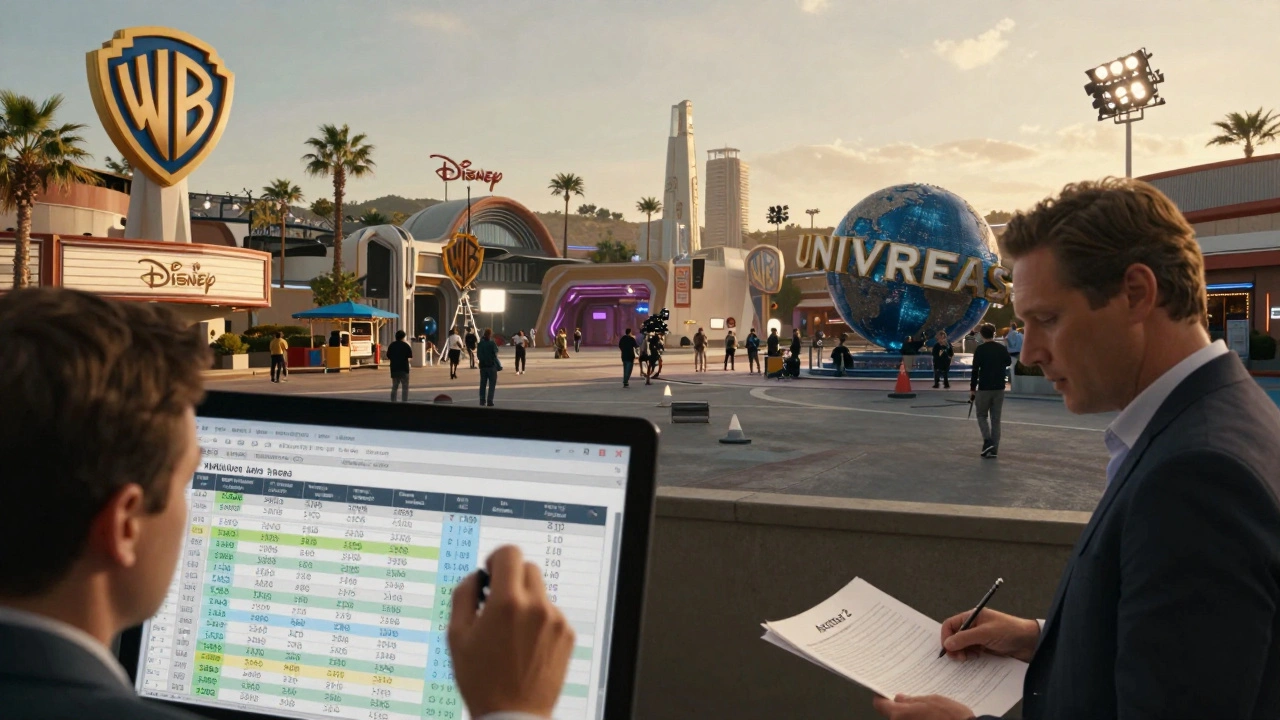
Major studios like Warner Bros., Disney, and Universal don’t just make movies - they bankroll them. These companies have deep pockets and use their own capital to fund productions they believe will turn a profit. But even they don’t take all the risk. For big-budget films, studios often partner with other studios or financial institutions to share the load. A film like Avatar: The Way of Water cost over $350 million to make and market. No single studio would carry that alone. Instead, they split it with partners like 20th Century Studios and Fox, spreading out the financial exposure.Studio financing works best when there’s a built-in audience. Franchises, sequels, and films tied to popular books or games are low-risk bets. A new Marvel movie? Easy to fund. An original sci-fi script with unknown actors? Not so much. Studios are businesses. They fund what they know will sell.
Independent Film Financing: The Hustle
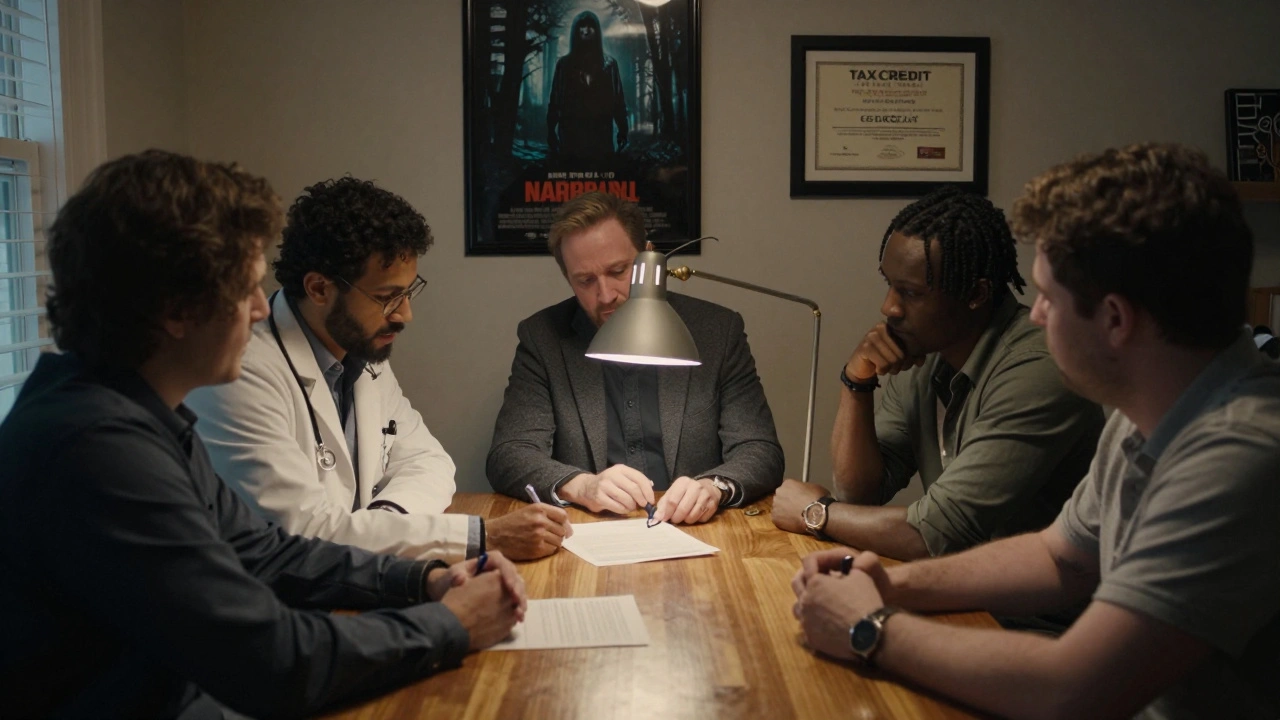
Independent films don’t have studio backing. That means the filmmakers have to find money themselves - often from scratch. This is where private investors come in. These aren’t always billionaires. Many are local business owners, doctors, lawyers, or even successful tech entrepreneurs who see film as a passion project or a way to diversify their portfolio.One common model is the “equity investor.” They put in $50,000 or $100,000 in exchange for a percentage of the film’s profits. If the movie earns $5 million at the box office, they get their cut. But here’s the catch: most indie films never make back their budget. The 2023 Independent Filmmaker Project (IFP) report showed that 78% of indie films released in theaters lost money. So why do people still invest? Some do it for tax breaks. Others do it because they believe in the story. A few even get lucky - like the producers of Paranormal Activity, who spent $15,000 and earned over $190 million.
Pre-Sales and Foreign Distribution
Before a single frame is shot, many films are already sold - just not to audiences. Producers sell distribution rights to foreign buyers. A producer might sell the rights to release the film in Germany, Japan, and Brazil before filming even begins. That money becomes the production budget.This is called a “pre-sale.” It’s a way to lock in revenue upfront. But it’s not easy. Buyers want proven talent - a director with a track record, a lead actor with international appeal. A new director with no name? Good luck getting a pre-sale. That’s why many indie films attach a well-known actor just to make the deal happen. Sometimes, that actor’s fee eats up half the budget, but it’s worth it to get the money flowing.
Government Grants and Tax Incentives
Governments around the world want movies made in their regions. Why? Because films bring jobs, tourism, and local spending. So they offer cash rebates, tax credits, and grants to lure productions.In the U.S., states like Georgia, Louisiana, and New Mexico offer up to 30-40% cash back on qualified spending. That means if you spend $10 million on a film in Georgia, you could get $3 million back. That’s like getting a 30% discount on your entire budget. Canada, the UK, and Australia have similar programs. The Irish Film Board funded Room with a $3.5 million grant - a key reason it became an Oscar nominee.
These incentives aren’t free money. You have to spend locally. You need to hire local crew, rent local equipment, shoot in approved locations. But for low-budget films, these programs can be the difference between making the movie and shelving it forever.
Crowdfunding: The People’s Budget
Platforms like Kickstarter and Indiegogo turned film financing upside down. Instead of begging one wealthy investor, filmmakers ask hundreds or thousands of fans to chip in $25, $50, or $100. It’s not just about money - it’s about building an audience before the film even exists.For example, the documentary Veronica Mars raised $5.7 million on Kickstarter in 2013 - the biggest film campaign ever at the time. Fans didn’t just fund it; they became part of the movie’s story. The film later earned over $30 million at the box office.
But crowdfunding has limits. It works best for projects with a built-in fanbase. A cult TV show revival? Perfect. An original horror film with no name attached? You might raise $10,000 - barely enough for a week of shooting.
Product Placement and Brand Partnerships
Ever notice how characters in movies always drink Coca-Cola or drive a Toyota? That’s not by accident. Brands pay to be in films. It’s called product placement, and it’s a major source of funding.For smaller films, product placement can cover entire segments of the budget. A film might get $50,000 from a car company to feature their latest SUV in a chase scene. Another $30,000 from a smartphone brand to have the main character use their latest model. In some cases, the product placement deal is bigger than the actor’s salary.
But it’s tricky. Too much branding feels like an ad. Audiences hate it. The best product placement feels natural - like the characters just happen to drink that soda. When done right, it’s a win-win: the film gets funded, and the brand gets exposure.
Debt Financing and Completion Bonds
Sometimes, filmmakers borrow money. Banks and specialty lenders offer production loans, but they require collateral. That’s where completion bonds come in.A completion bond is a guarantee from a third-party company that the film will be finished on time and on budget. If the director runs out of money or the shoot goes over schedule, the bond company steps in to finish the film. In return, they take control of the project and get paid first from any profits.
Companies like Motion Picture Guarantors and Film Finances handle these bonds. They’re not charities - they charge 3-5% of the total budget. For a $10 million film, that’s $300,000-$500,000. But for a first-time director trying to get a bank loan, it’s the only way to prove they’re not a risk.
Streaming Services: The New Power Players
Netflix, Amazon Prime, Apple TV+, and Disney+ didn’t just change how we watch movies - they changed how they’re funded. These platforms now spend billions every year on original films. They don’t care if a movie makes money in theaters. They care if it keeps subscribers watching.That means they’ll fund risky, artistic, or niche films that studios would never touch. A quiet drama about a deaf family? Sound of Metal got a $7 million budget from Amazon. A documentary about a 10-year-old chess prodigy? Netflix gave it $5 million. These deals often come with a guarantee: the film gets released on their platform, and the filmmakers get paid upfront.
But there’s a trade-off. When you take money from a streamer, you usually give up theatrical rights. No box office. No international sales. Just a flat fee and a digital release. For some filmmakers, that’s fine. For others, it feels like selling out.
The Reality: Most Movies Don’t Make Money
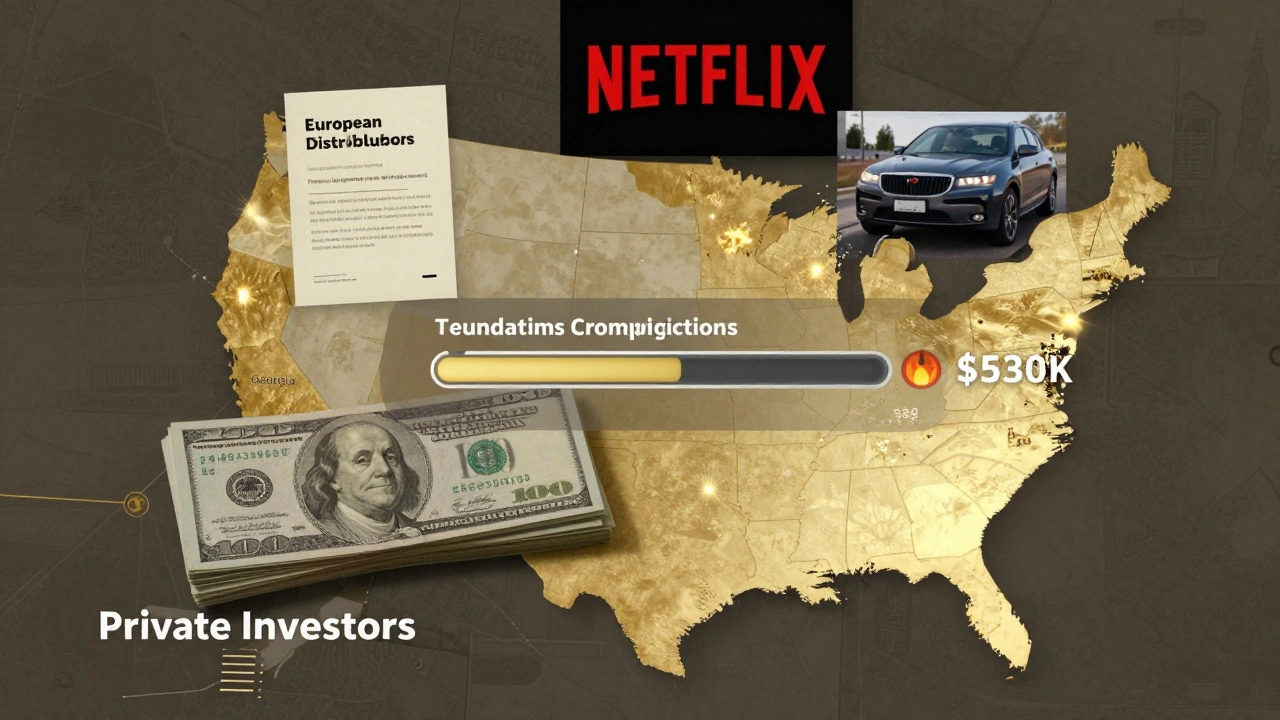
Let’s be honest: the odds are stacked against any movie making a profit. According to a 2024 study by the University of California, Los Angeles, only 14% of films released between 2010 and 2020 turned a profit after all costs - including marketing, distribution, and talent deals.That’s why smart filmmakers don’t rely on one source. They layer funding. A typical indie film might use:
- $200,000 from private investors
- $150,000 from a state tax credit
- $100,000 from a pre-sale to a European distributor
- $50,000 from product placement
- $30,000 from crowdfunding
That’s $530,000 - enough to make a solid indie film. But even then, they’re still hoping the film finds an audience. No one can predict what will work. That’s the gamble.
What You Need to Know Before You Invest
If you’re thinking about putting money into a movie, here’s what you need to understand:- Most films lose money - even ones with famous names.
- Profit participation is rarely profitable. You need the film to be a hit to see a return.
- Legal contracts matter. Get a lawyer. Don’t trust a handshake.
- Know the tax rules. Some investments qualify for deductions, but only if structured right.
- Don’t fund a movie because you like the director. Fund it because the business plan makes sense.
Film financing isn’t about art. It’s about math, risk, and timing. The most successful films aren’t always the best ones - they’re the ones with the smartest money structure.
Can you make money investing in movies?
Yes - but it’s rare. Most films lose money. Only about 1 in 7 turn a profit after all costs. Investors usually make money only if the film becomes a hit - like Paranormal Activity or The Blair Witch Project. Most get back nothing, or just a fraction of what they put in.
Why do studios finance sequels more than original films?
Because sequels have proven audiences. People already know the characters, the tone, and the style. Marketing is cheaper. Box office predictions are more accurate. An original film is a gamble - a sequel is a calculated bet. Studios are businesses, not charities.
Do film grants really help indie filmmakers?
Absolutely. Grants and tax credits can cover 20-40% of a film’s budget. For a $500,000 movie, that’s $100,000-$200,000 free money. Many indie films wouldn’t exist without them. The key is applying early and following the rules - you have to spend the money locally to qualify.
What’s the biggest mistake new filmmakers make with financing?
They assume money will come easily. They pitch to friends and family without a solid budget or plan. Then they run out of cash halfway through shooting. The best filmmakers plan their funding before they write the script. Every dollar needs a source - and a backup source.
Are streaming services killing traditional movie financing?
Not killing - changing. Studios still fund big action films and franchises. But for mid-budget dramas, documentaries, and foreign films, streaming services are now the main buyers. The old model of theatrical release + DVD sales is fading. The new model is: streamer pays upfront, film goes digital. It’s less glamorous, but it keeps movies being made.


Comments(9)