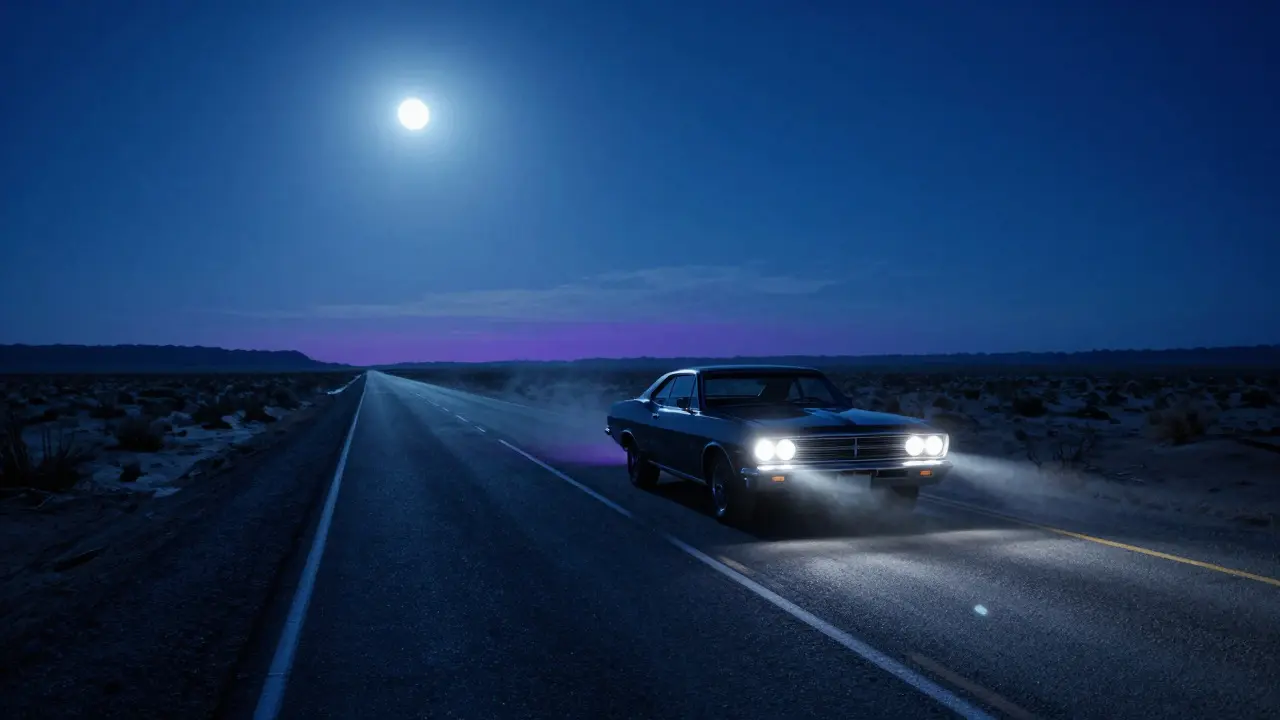
There is a specific kind of silence that only exists in a car driving down an empty highway at 2 AM. It’s not just quiet; it’s heavy. In Road Movies is a film genre centered on travel where the physical journey serves as a catalyst for internal character change. Unlike action films where the destination is the goal, here the miles themselves are the plot. The road strips away social masks, forcing protagonists to confront who they really are when no one is watching. This isn't just about driving from point A to point B. It’s about the friction between a person and their environment, leading to a transformation that feels earned rather than scripted.
The Core Mechanism: Why the Road Works
To understand why these films resonate, you have to look at the structure. A standard drama might take place in a house or an office. The characters are static. But in a road movie, the setting is dynamic. The landscape changes, the weather shifts, and the isolation forces introspection. This creates a unique pressure cooker effect. When two people are stuck in a vehicle with limited space and no easy escape, every flaw gets magnified.
This genre relies heavily on the concept of liminality. You are neither where you were nor where you are going. You are in-between. This state of suspension allows characters to experiment with new identities. They can be brave, reckless, honest, or broken without the immediate consequences of their home life. The road becomes a laboratory for the human soul.
Iconic Examples of Character Arcs
Let’s look at how this plays out in practice. Consider Thelma & Louise (1991). Thelma starts as a passive, domesticated woman who follows her husband’s lead. By the end of the drive, she has become a fugitive and a partner in crime. The car isn’t just transport; it’s her cage and her freedom simultaneously. Her transformation is violent and sudden, but it’s driven entirely by the choices made during the journey.
Then there is Easy Rider (1969). Billy and Wyatt aren’t running from anything specific. They are chasing a feeling. Their journey across America deconstructs the American Dream. As they move west, they encounter different facets of society-hippies, bikers, locals-and each interaction chips away at their idealistic view of freedom. By the time they hit the desert, the transformation is complete: they are no longer free men, but victims of a culture that cannot accept them.
In more recent times, WandaVision (though a series) uses the road trope in its final episodes, but let's stick to cinema. Blue Velvet (1986) features a short drive that acts as a portal. Jeffrey Beaumont leaves his small town and returns changed, seeing the darkness beneath the surface. The road here is less about distance and more about psychological displacement.
The Role of Companions and Conflict
A solo driver is rare in this genre because conflict drives narrative. Most road movies feature pairs or small groups. These relationships are tested under pressure. Think about On the Road (2012), based on Jack Kerouac’s novel. Sal Paradise and Dean Moriarty’s relationship is fueled by energy and exhaustion. Their bond is forged in the back of trucks and on train platforms. The journey doesn’t just transform them individually; it redefines their relationship. They start as friends and end up as something more complex, bound by shared trauma and exhilaration.
Conflict in these films often comes from external forces too. Police chases, mechanical failures, or hostile strangers serve as plot devices that force the characters to make decisions. Each decision reveals a layer of their personality. Do they lie? Do they fight? Do they give up? The road provides the scenarios; the character provides the answer.
Visual Language and Sound Design
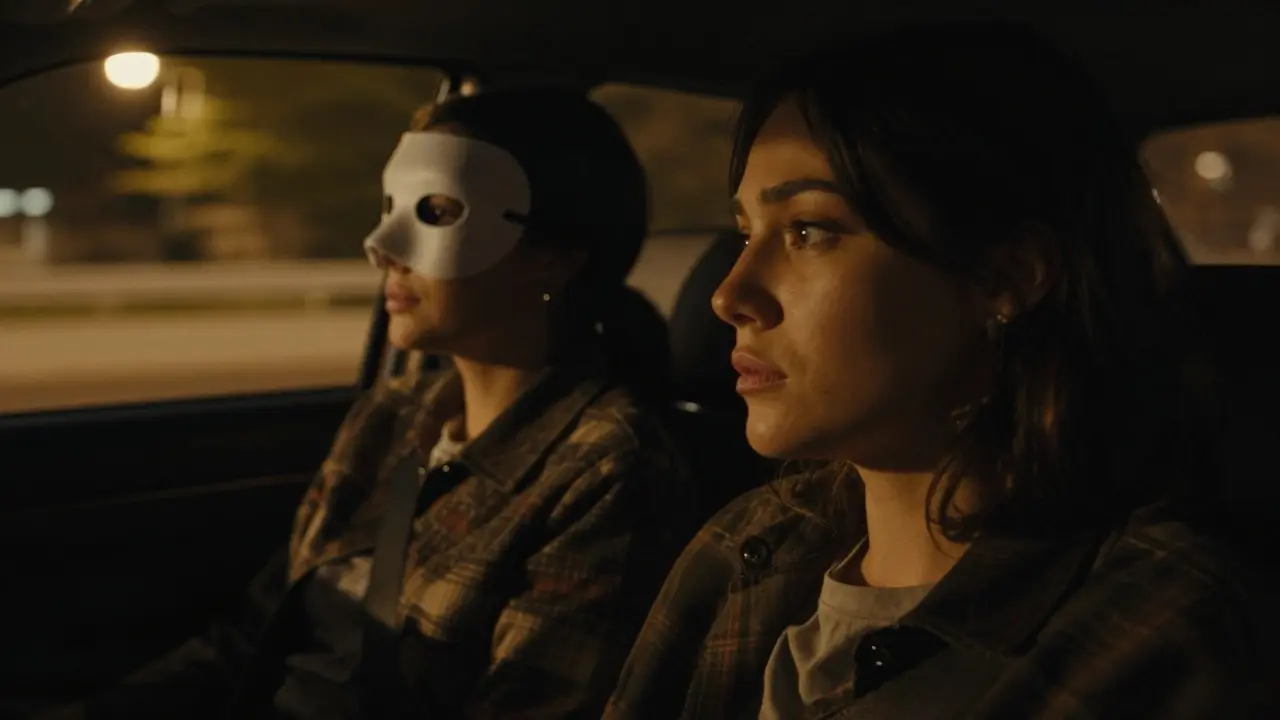
You can’t talk about road movies without talking about how they look and sound. The cinematography often uses wide shots to emphasize the vastness of the landscape compared to the smallness of the car. This visual contrast highlights the character’s vulnerability. Long takes inside the car create intimacy. We see every micro-expression, every shift in eye contact. There is nowhere to hide.
Sound design is equally critical. The hum of the engine, the wind against the windows, the radio playing old songs-these elements create a rhythmic backdrop. Music in road movies often serves as a counterpoint to the visuals. A melancholic song over a bright, sunny highway can signal that something is wrong internally. The audio landscape mirrors the emotional state of the driver.
Modern Interpretations and Subversions
Today, the genre has evolved. We see fewer classic Americana highways and more urban sprawls or international routes. Films like Lost in Translation (2003) use Tokyo as the “road.” Bob Harris and Charlotte Harlin aren’t driving, but they are traveling through a foreign city that feels alienating. Their journey is emotional and existential. They drift through bars, hotels, and streets, transforming from isolated individuals into connected souls. The “road” is metaphorical, but the function remains the same: movement leads to clarity.
We also see subversions where the journey goes wrong. In Vanishing on 7th Street, the road is a trap. In horror-tinged road movies, the transformation is often negative. The character doesn’t find peace; they find madness. This twist keeps the genre fresh. Audiences expect redemption, so delivering descent adds shock value.
Why We Love Watching People Drive
At its core, we watch road movies because we want to escape. We live in static lives, tied to desks and routines. The road offers a fantasy of mobility. But deeper than that, we watch to see if change is possible. Can a person truly reinvent themselves? The road movie says yes, but it’s painful. It requires leaving everything behind. It requires risk.
These films remind us that identity is not fixed. It is fluid, shaped by experience. Whether you are a director analyzing narrative structure or a viewer seeking inspiration, the lesson is clear: sometimes, you have to leave to arrive at yourself.
| Element | Classic Era (1960s-80s) | Modern Era (2000s-Present) |
|---|---|---|
| Primary Setting | Highways, deserts, rural America | Urban centers, international cities, mixed landscapes |
| Character Motivation | Freedom, rebellion, escape from conformity | Identity crisis, cultural displacement, personal grief |
| Tone | Nihilistic, rebellious, energetic | Melancholic, introspective, surreal |
| Transformation Type | External action-driven (crime, adventure) | Internal emotion-driven (connection, realization) |
Frequently Asked Questions
What defines a road movie?
A road movie is a film genre where the journey itself is the central plot device. The physical travel from one location to another drives the narrative and facilitates significant character development or transformation.
How does a road movie differ from a travelogue?
While both involve travel, a travelogue focuses on documenting places and cultures, often with a documentary style. A road movie focuses on the internal state of the characters, using the travel as a backdrop for dramatic conflict and personal growth.
Are all road movies set in cars?
No. While cars are iconic, characters can travel by bus, train, bicycle, foot, or even boat. The key element is the continuous movement through space that isolates the characters from their normal environment.
Why do road movies often feature duos?
Duos create inherent tension and contrast. Two different personalities forced together in a confined space generate dialogue and conflict more efficiently than larger groups. This dynamic accelerates the process of mutual discovery and transformation.
Can a road movie be a horror film?
Yes. The isolation of the road makes it a perfect setting for horror. The lack of help, the unknown territory, and the claustrophobia of the vehicle amplify fear. Films like Videodrome or various slasher films use the road as a vector for terror.