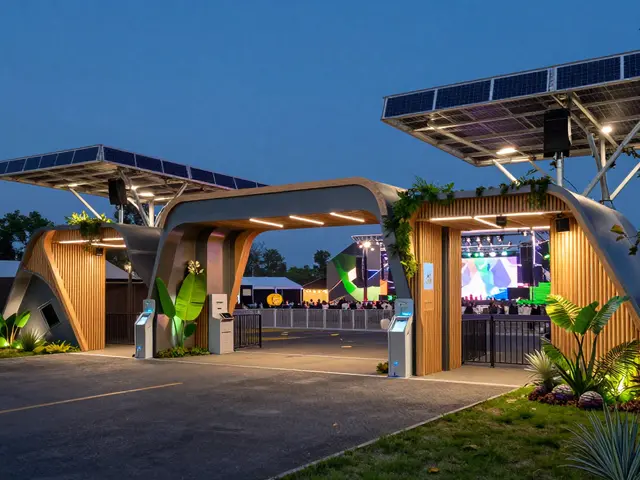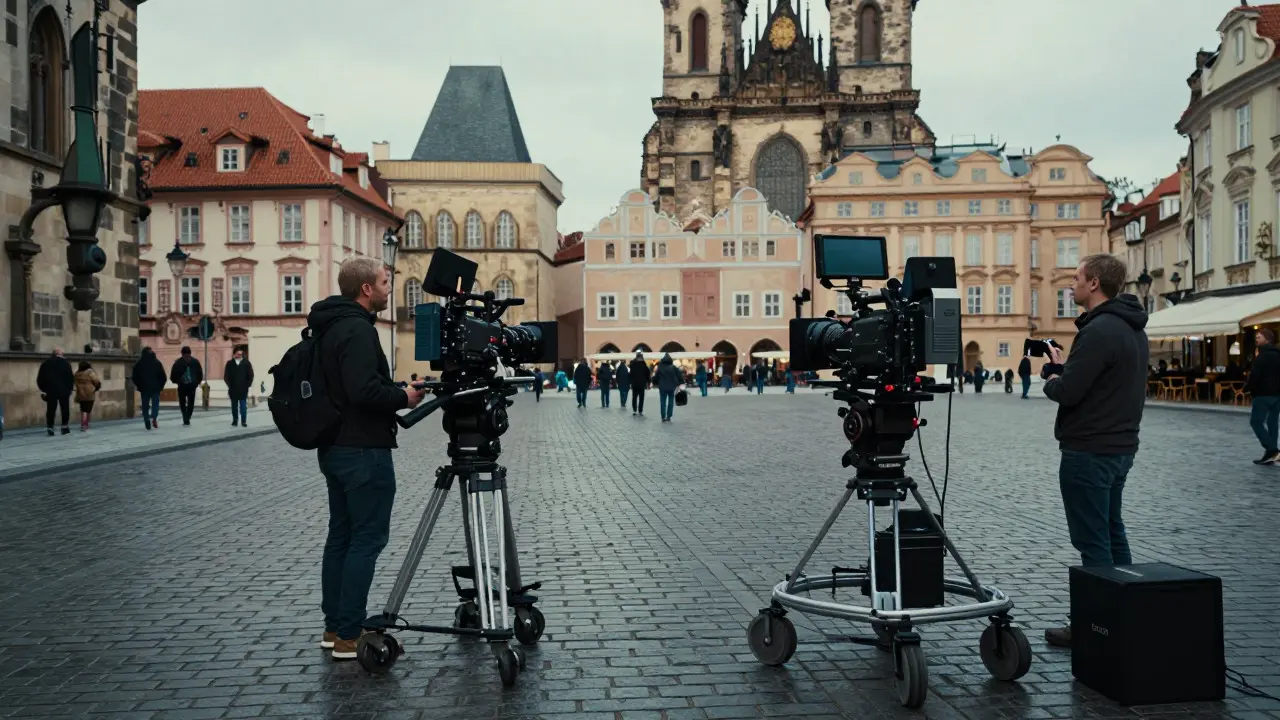
Ever stood in a specific city square and felt like you were stepping into a scene from your favorite movie? That’s the power of filming locations. They aren’t just backdrops; they are characters in their own right. From the rain-slicked streets of Seattle to the sun-drenched canyons of Utah, the physical world shapes the story as much as the script does. But where do filmmakers actually go when the cameras roll? It’s not always where you think.
The choice of location is one of the most critical decisions in pre-production. It affects budget, logistics, lighting, and even the cast’s performance. Let’s break down why certain places become iconic and how the industry picks them.
Why Geography Matters More Than You Think
Location scouting is the process of finding physical sites that match the visual and narrative needs of a film or television show. It’s not just about looking pretty. A director might need a specific type of light-say, the harsh, high-noon sun of the American Southwest for a western, or the soft, diffused light of Northern Europe for a thriller. The texture of the environment changes the mood instantly.
Budget plays a huge role here too. Shooting on location is often cheaper than building massive sets, but it comes with risks. Weather can ruin a schedule. Permits can be expensive. Local laws might restrict night shoots. That’s why many productions choose places with established infrastructure. Cities like Los Angeles, London, and Budapest have entire ecosystems built around supporting film crews, from equipment rental houses to soundstages nearby.
Iconic Real-World Spots That Defined Cinema
Some places became famous because of the movies shot there. This phenomenon, known as film tourism, drives millions of visitors annually. Here are a few examples that prove a location can outlive the film itself:
- Pinewood Studios, England: While technically a studio, its proximity to the English countryside makes it a hub for global blockbusters. Many Harry Potter and James Bond films used real locations within driving distance of these stages.
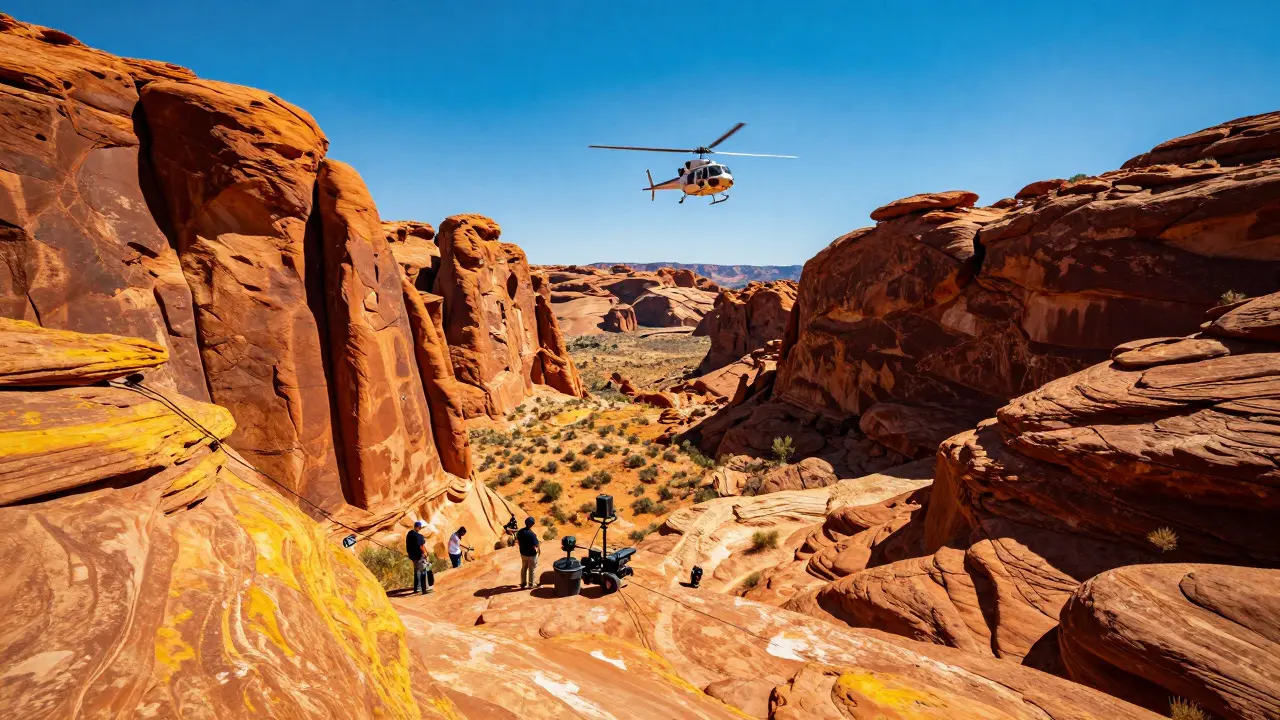
- Utah, USA: The red rock formations of Moab and Canyonlands served as stand-ins for Mars in Interstellar and various alien planets in sci-fi franchises. The unique geology offers textures that are hard to replicate digitally.
- Singapore: Often mistaken for other Asian cities, Singapore’s futuristic skyline and strict planning laws make it a perfect double for dystopian futures or high-tech metropolises in action films.
- New Zealand: Beyond The Lord of the Rings, the country’s diverse landscapes-from fjords to volcanic mountains-allow a single production to shoot multiple distinct environments without leaving the island.
Notice a pattern? These places offer variety or specific visual traits that save time and money. If you can shoot three different "countries" in one trip, you’re saving weeks of travel and customs headaches.
Studio Backlots vs. On-Location Shooting
Not every street corner is a real neighborhood. Some of the most famous "locations" are actually constructed sets. Hollywood’s Golden Age relied heavily on backlots, where entire towns were built to look like Chicago, New York, or Paris. Today, while CGI has reduced the need for some physical sets, practical locations still reign supreme for realism.
However, hybrid approaches are common. A filmmaker might shoot interior scenes in a controlled studio environment to manage lighting and sound, then move to an exterior location for wide shots. This flexibility allows for higher production value. For instance, the intricate corridors of the Death Star in Star Wars were largely set pieces, but the desert planets were real locations in Tunisia and Morocco. Combining both methods gives editors more options during post-production.
| Feature | Studio Sets | Real Locations |
|---|---|---|
| Control over Environment | High (lighting, weather, sound) | Low (dependent on nature/crowds) |
| Cost Structure | High upfront build costs | Lower build, higher permit/logistics costs |
| Authenticity | Can feel artificial if poorly designed | Inherent authenticity and texture |
| Logistical Complexity | Contained within one site | Requires moving crew/equipment between sites |
The Economics of Choosing a Place
Money talks in film production. Tax incentives are a major driver for where big-budget films get made. Countries like Canada, Australia, and the UK offer significant rebates to attract foreign productions. For example, shooting in Vancouver, Canada, can yield tax credits that offset 20-40% of local spending. This makes North American productions willing to cross the border for financial reasons, even if the story takes place in New York.
Labor unions also play a part. In the United States, working with SAG-AFTRA and IATSE members ensures quality but increases costs. International productions sometimes navigate different labor agreements, which can speed up schedules or reduce expenses, though this varies by country. A producer must weigh the creative benefit of a specific location against the financial impact of permits, housing, and transportation for hundreds of crew members.
How Technology Is Changing Location Choices
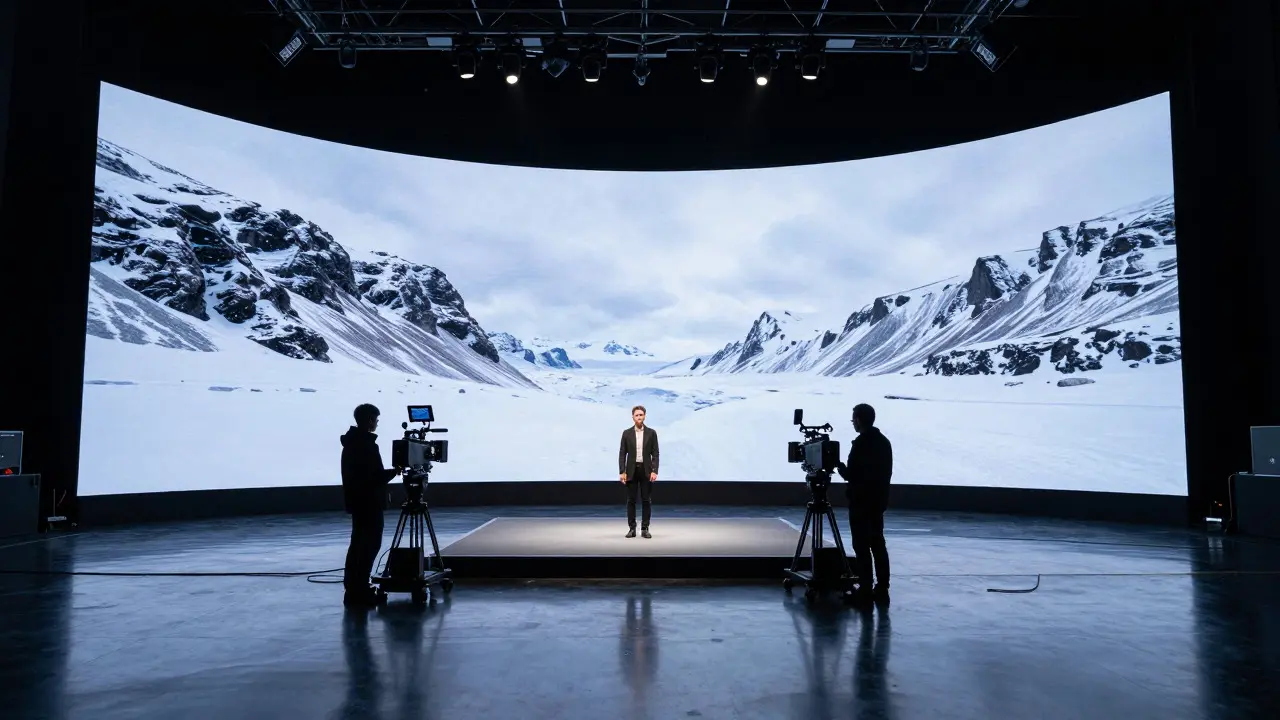
Virtual production is reshaping the landscape. With LED volume technology, seen prominently in The Mandalorian, filmmakers can create dynamic backgrounds that react to camera movement in real-time. This means you don’t always need to fly to Iceland to shoot snowy scenes; you can simulate them on a stage in Burbank.
However, this doesn’t kill location shooting. Instead, it shifts what gets shot on location. Now, directors focus on capturing unique human interactions, specific architectural details, or natural phenomena that are difficult to simulate convincingly. The goal is efficiency. If a background can be generated virtually, the crew saves days of travel. If a specific stone wall in Ireland is essential to the character’s history, they’ll fly to Ireland. Technology allows for smarter selection rather than less location work.
Challenges of Global Filmmaking
Shooting abroad isn’t just a glamour tour. It involves navigating local laws, language barriers, and cultural sensitivities. In some countries, filming requires government approval, and permits can take months to secure. Crews must respect local customs, which can affect how scenes are staged. For instance, religious sites may have restrictions on photography or require specific permissions for non-believers to enter.
Weather remains the biggest unpredictable factor. A storm can shut down production for days, costing thousands per day in idle crew wages. Experienced producers build buffer days into their schedules specifically for this reason. They also scout backup locations in case the primary site becomes unusable. It’s a game of risk management as much as artistic vision.
Film Tourism: The Aftermath of Production
Once the cameras stop rolling, the location often becomes a tourist destination. Fans flock to see where their favorite scenes took place. This brings economic benefits to local communities, such as increased hotel bookings and restaurant revenue. However, it can also lead to overcrowding and wear on historic sites. Balancing the economic boost with preservation is a challenge for local governments and film commissions.
Many cities now have dedicated film offices that manage relationships between producers and locals. These offices handle permits, coordinate with police and traffic departments, and ensure that filming disrupts daily life as little as possible. They act as the bridge between the transient nature of a film crew and the permanent residents of the area.
Choosing Your Own Perspective
Next time you watch a film, pay attention to the setting. Notice how the light hits the buildings, how the crowds move, or how the landscape feels. Ask yourself: Is this a real place, or a constructed one? Does the location enhance the story, or distract from it? Understanding where movies are shot adds a layer of appreciation for the craft. It reveals the invisible work that goes into making a fictional world feel tangible.
Whether it’s the gritty alleys of Prague standing in for Berlin, or the pristine beaches of Bali representing a tropical paradise, the map of filmmaking is vast and constantly evolving. The next great location might be a small town you’ve never heard of, waiting for the right story to shine.
Where is the most filmed location in the world?
Los Angeles, California, is widely considered the most filmed city due to its concentration of studios, diverse architecture, and favorable weather. However, London and New York City also rank highly due to their historical significance and varied urban landscapes.
Do movies use real locations or sets?
Most modern movies use a mix of both. Exterior wide shots are often captured at real locations for authenticity, while interiors and complex sequences are frequently shot on studio sets or using virtual production techniques for better control over lighting and sound.
Why do filmmakers shoot in Canada instead of the US?
Tax incentives are the primary reason. Provinces like British Columbia and Ontario offer significant rebate programs that can reduce production costs by 20-40%. Additionally, Canadian cities like Vancouver and Toronto have architectures that resemble major US cities like Seattle or New York.
What is virtual production?
Virtual production uses large LED screens to display digital backgrounds in real-time behind actors. This technology, popularized by shows like The Mandalorian, allows filmmakers to change environments instantly without traveling, blending live-action with digital art seamlessly.
How much does it cost to film in a specific location?
Costs vary wildly based on the scale of the production. Permit fees can range from a few hundred dollars for a small indie project to tens of thousands for a blockbuster. Additional costs include insurance, local labor rates, and potential infrastructure modifications like road closures or power generation.