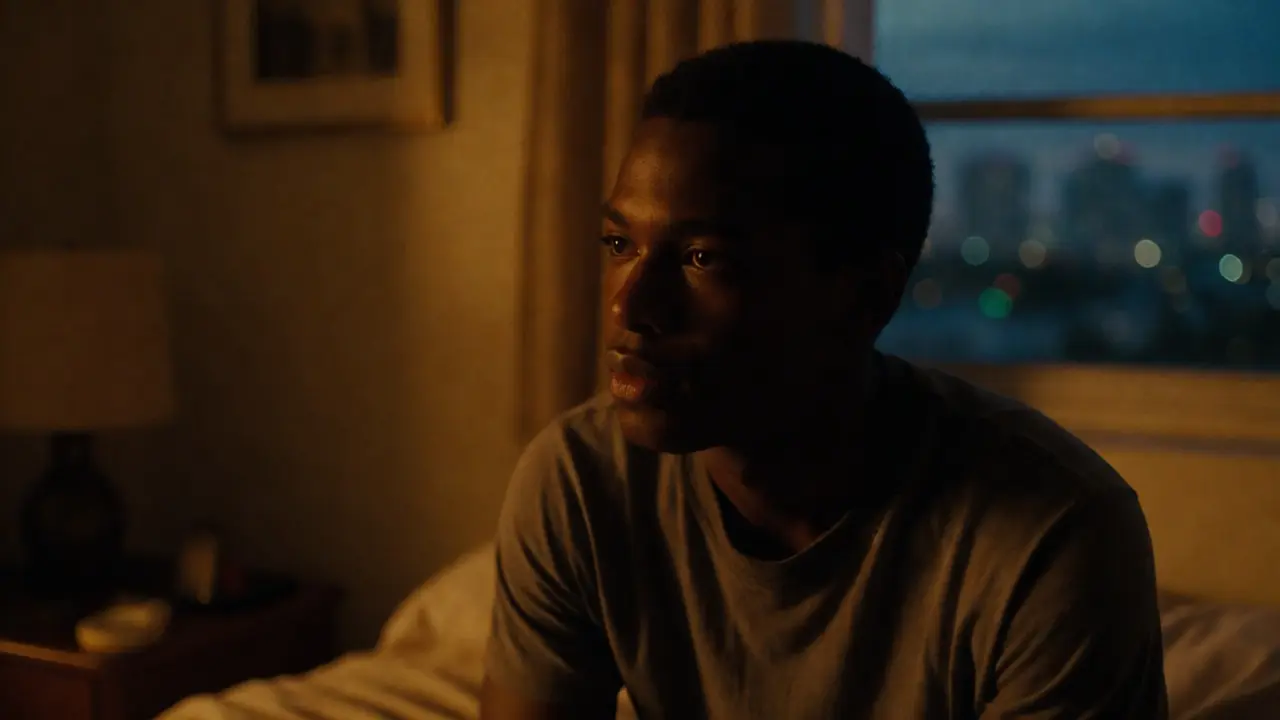
Think about the last time you saw a Black gay man on screen who wasn’t defined solely by his trauma or his sexuality. Or an Asian lesbian whose identity didn’t hinge on coming out to white parents. For decades, intersectional representation in Hollywood was a buzzword without much backing. We got fragments. A side character here. A stereotype there. But rarely did we see the full, messy, joyful complexity of being both queer and a person of color.
This isn’t just about counting heads in the credits. It’s about whose stories get funded, who gets to hold the camera, and how those narratives land with audiences who actually live them. If you’re tired of seeing queer POC characters treated as plot devices for white protagonists’ growth, this breakdown is for you. We’re looking at where cinema stands today, why it matters, and what actually works when intersectionality moves from theory to screen.
Why "Queer" and "POC" Aren’t Separate Buckets
Kimberlé Crenshaw coined the term intersectionality in 1989 to describe how overlapping social identities create unique modes of discrimination. In cinema, ignoring this leads to flat characters. When a script treats race and sexuality as separate checkboxes, it fails the audience. Imagine a Latino trans woman character whose entire arc revolves around her transition, with zero acknowledgment of how her culture or community views gender. That’s not realism; that’s erasure.
Real life doesn’t compartmentalize. A Black queer man experiences racism differently than a white queer man, and homophobia differently than a straight Black man. His experience is distinct. Films that nail this understand that identity is additive, not subtractive. You don’t lose your queerness when you enter a Black space, and you don’t lose your Blackness when you enter a queer space. The friction between these spaces is where the drama lives, and that’s where good storytelling starts.
The Shift From Tokenism to Authenticity
Hollywood used to handle diversity like a checklist. One Black person, one gay person, done. But tokenism breaks down when you look closely. Who wrote the role? Who directed it? Did the actor have input? Recently, we’ve seen a shift toward authentic storytelling, driven largely by independent filmmakers who refused to wait for studio permission.
Take Moonlight (2016). It wasn’t just a "Black gay movie." It was a specific story about Chiron, a Black man in Miami, navigating poverty, masculinity, and desire. Barry Jenkins didn’t explain Blackness to a white gaze, nor did he explain queerness to a straight gaze. He let the audience catch up. This approach resonated globally because it felt true, not performative.
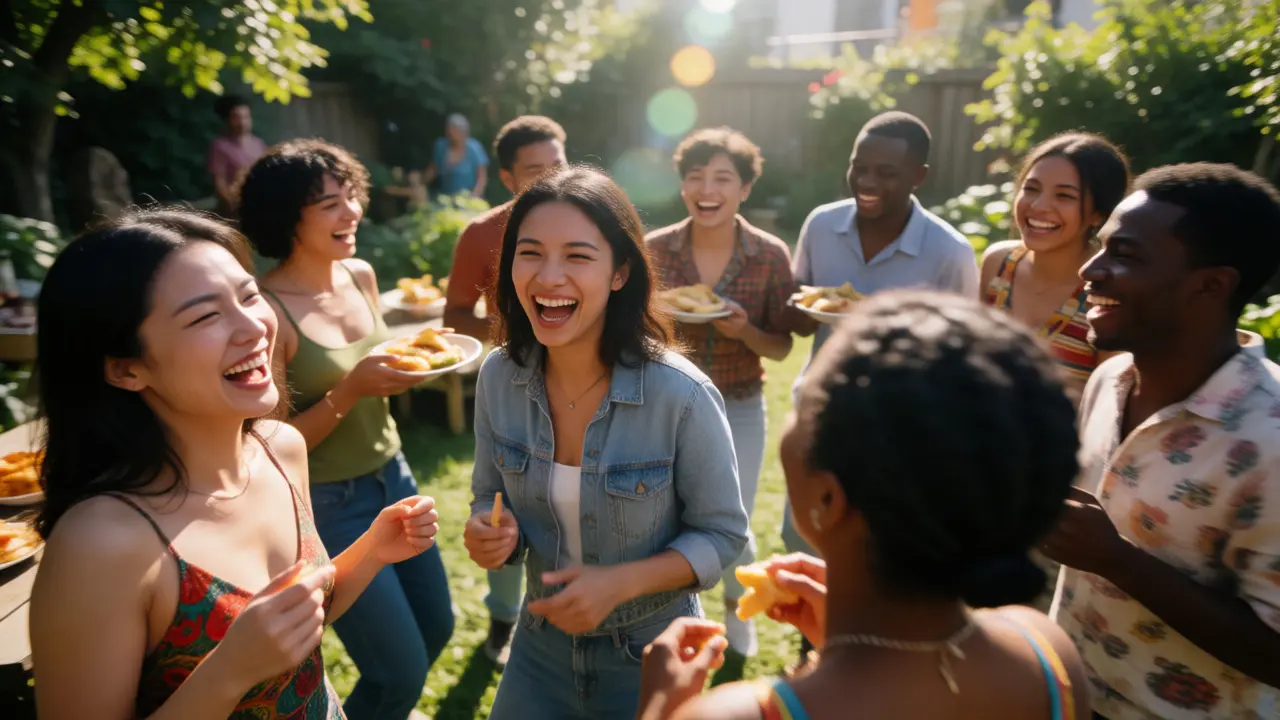
Contrast this with older films where queer POC characters were often tragic figures-victims of violence or disease, rarely allowed joy. The new wave insists on happiness. Think of Pose (though TV, its cinematic quality influenced film) or recent indie hits like Fire Island. These stories center pleasure, community, and resilience alongside struggle. They treat queer POC lives as worthy of celebration, not just pity.
Key Films Redefining the Landscape
You can’t talk about this topic without looking at specific examples. Here are three films that changed the conversation by prioritizing intersectional depth over broad appeal.
| Film Title | Release Year | Core Intersection | Why It Matters |
|---|---|---|---|
| Pariah | 2011 | Black + Lesbian + Youth | Showcased the internal conflict of a Black teen navigating identity within a conservative family structure without relying on stereotypes. |
| God’s Own Country | 2017 | Immigrant + Gay + Rural Working Class | Bridged cultural gaps by focusing on labor and landscape rather than urban queer tropes, highlighting the immigrant experience. |
| All of Us Strangers | 2023 | Gay + Grief + Suburban Isolation | While not strictly POC-focused, it paved the way for nuanced, non-stereotypical portrayals of queer longing that influenced subsequent diverse casting decisions. |
Notice the variety. None of these fit a single mold. Pariah deals with family dynamics. God’s Own Country deals with labor and migration. This variety proves that there is no "single story" for queer people of color. Each film offers a different lens, expanding the collective understanding of what these lives look like.
The Role of Behind-the-Scenes Diversity
You cannot fix on-screen representation by only changing actors. The real bottleneck has always been the writers’ room and the director’s chair. When a white writer tries to guess what it feels like to be a queer South Asian woman, they often miss the mark. Not because they’re incapable, but because they lack lived experience.
Data from the UCLA Hollywood Diversity Report consistently shows that projects with diverse creative teams receive higher critical scores and audience engagement. Why? Because specificity sells. Generalizations feel fake. Specific details-like the particular way a grandmother speaks to her grandson, or the slang used in a specific neighborhood-create immersion. When LGBTQ+ creators of color control the narrative, they bring authenticity that studios can’t manufacture.
This isn’t about gatekeeping. It’s about accuracy. Would you hire a cardiologist to do brain surgery? Probably not. Similarly, hiring someone who hasn’t navigated the dual pressures of racism and homophobia to write those scenes often results in dialogue that sounds like a textbook, not a human.
Common Pitfalls to Avoid
Even well-meaning productions fall into traps. Recognizing them helps you spot bad writing instantly.
- The Magical Minority: A queer POC character exists only to teach the white protagonist a lesson about tolerance. Their own needs are irrelevant.
- Trauma Porn: The plot revolves entirely around suffering-slavery, AIDS crisis, hate crimes-with little focus on agency or joy.
- Desexualization: Queer POC characters are portrayed as asexual or purely platonic friends, denying them romantic or sexual autonomy.
- Cultural Flattening: Treating all Asians, Blacks, or Latinos as monoliths. Ignoring regional differences, class divides, or linguistic nuances.
Avoiding these pitfalls requires research and respect. It means asking questions during production. Does this scene reinforce a stereotype? Are we showing the whole person, or just the parts that make others comfortable?
What Audiences Can Do
Hollywood follows money. If intersectional films bomb at the box office, studios will claim "there’s no audience." But often, these films fail because they aren’t marketed correctly. They’re labeled "niche" instead of "universal." As viewers, you have power.
Support these films opening weekend. Streaming numbers matter, but theatrical runs drive prestige awards, which drive future funding. Talk about them. Write reviews. Recommend them to friends who don’t share your identity. Normalizing these stories expands the market. When a film like Everything Everywhere All At Once wins big, it signals to executives that complex, diverse narratives have global appeal.
Also, support the festivals. Sundance, TIFF, and smaller regional fests are where many of these stories debut. Buying tickets or virtual passes directly funds the ecosystem that produces next year’s slate.
What exactly does intersectionality mean in film?
In film, intersectionality refers to the portrayal of characters whose multiple identities (such as race, gender, sexuality, and class) overlap to create unique experiences. Instead of treating these identities separately, intersectional cinema explores how they interact, often creating specific challenges or strengths that neither identity alone would produce.
Why is authentic casting important for LGBTQ+ POC roles?
Authentic casting ensures that the performance reflects lived experience. Actors from the community bring subtle mannerisms, speech patterns, and emotional truths that outsiders might miss. This reduces stereotyping and increases relatability for audiences who share those identities, while also educating broader audiences through accurate depiction.
Are there enough queer people of color behind the camera?
Progress is being made, but disparities remain significant. While more LGBTQ+ POC directors and writers are working in independent cinema, major studio hires still lag behind. Reports indicate that while on-screen diversity has increased, off-screen leadership roles remain predominantly held by white men, impacting the types of stories greenlit.
How does intersectional representation affect mental health?
Studies suggest that media representation positively impacts self-esteem and mental health among marginalized groups. Seeing oneself reflected in positive, complex ways validates existence and reduces feelings of isolation. Conversely, negative or absent representation can contribute to minority stress and internalized stigma.
Can white allies help improve intersectional representation?
Yes, by amplifying diverse voices, supporting diverse projects financially, and advocating for inclusive hiring practices in their own workplaces. Allies should listen more than they speak, ensuring they don’t center themselves in conversations about marginalized experiences, and use their privilege to open doors for underrepresented creators.




Comments(10)