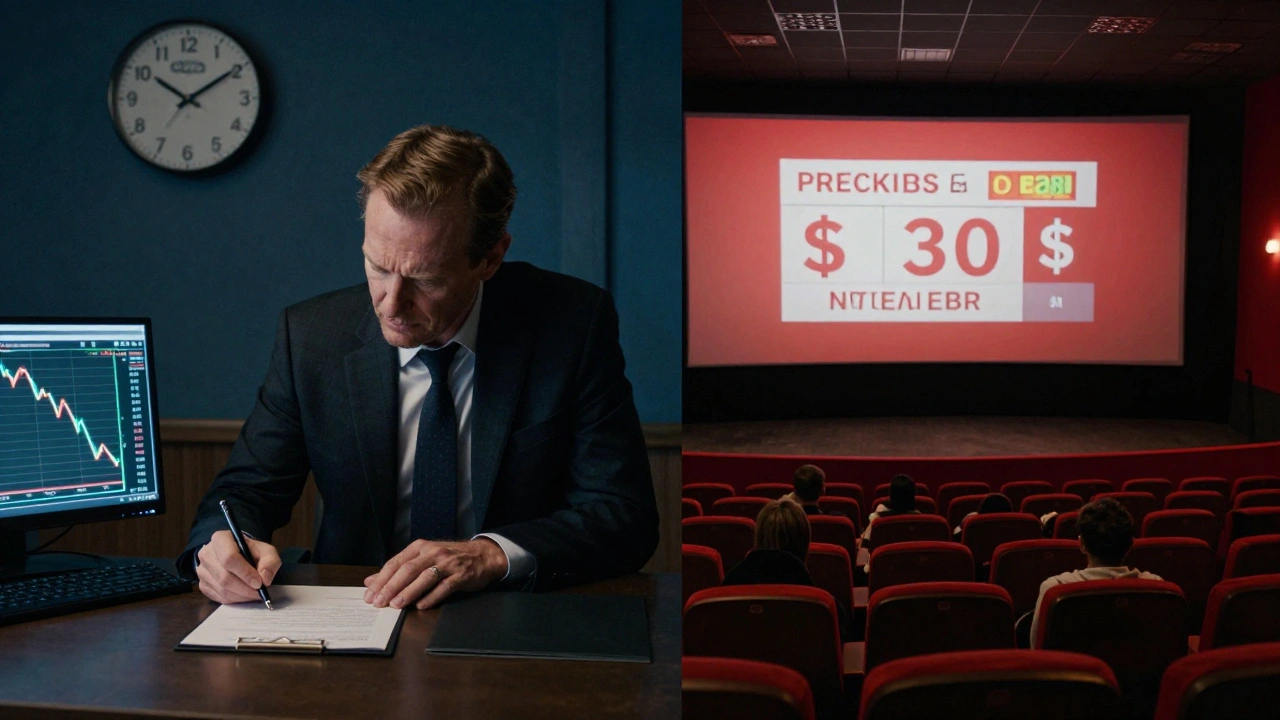
When a Hollywood studio signs a deal to distribute a film in Germany, Japan, or Brazil, they’re not just agreeing to show a movie-they’re betting on exchange rates. In 2024, the euro dropped 12% against the U.S. dollar in just six months. That single shift erased millions in projected revenue before a single ticket was sold. Currency fluctuations aren’t a background detail in international film deals anymore. They’re a make-or-break factor.
Why Exchange Rates Matter More Than Ever
Most international film deals are locked in months, sometimes years, before a movie hits theaters. A studio might agree to pay $5 million for North American rights in January 2025. But if the Canadian dollar falls 15% by the time the film opens in November, that $5 million now buys 15% less in local marketing, theater rentals, and promotional campaigns. The studio didn’t lose money on the deal-it lost buying power.
It works the other way too. In 2023, a Spanish production company sold the global streaming rights to a thriller for €8 million. At the time, that was $8.6 million. By the time the payment cleared, the euro had climbed to $1.12. Suddenly, the buyer in the U.S. was paying $8.96 million. That extra $360,000? It didn’t come from the film’s success. It came from currency movement.
These aren’t rare edge cases. According to data from the Motion Picture Association, over 68% of international film licensing deals signed in 2024 included currency risk clauses. That’s up from 32% in 2019. Producers are no longer ignoring exchange rates-they’re building them into contracts.
How Deals Are Being Rewritten
Five years ago, most international deals were fixed-price: “We’ll pay you $10 million for worldwide rights.” Today, you’re more likely to see something like:
- “Base payment: $8 million, plus 5% of net revenue if the local currency strengthens by more than 5% against the dollar.”
- “Payment in local currency, with a 90-day hedge window.”
- “Revenue share adjusted quarterly based on FX rate averages.”
These tweaks aren’t just legal jargon. They’re survival tools. A film that makes $20 million in Japan might look like a hit on paper. But if the yen dropped 20% since the deal was signed, the studio only got the equivalent of $16 million. That’s not a hit-it’s a loss.
Some distributors now use forward contracts to lock in rates months ahead. Others split the risk: the producer takes the loss if the currency falls, and the distributor takes it if it rises. It’s not perfect, but it’s better than pretending exchange rates don’t exist.
The Ripple Effect on Box Office and Marketing
It’s not just about how much money changes hands. It’s about what that money can do.
When the British pound dropped sharply in early 2025, several U.S. studios cut their UK marketing budgets by 30%. No more billboards in London. No more prime-time TV spots. Just social media ads and a few theater posters. The film still opened to decent numbers-but its long-term revenue dropped because it never reached the same level of visibility.
Same thing happened in Brazil. When the real lost 18% of its value against the dollar, one major studio pulled its entire promotional campaign for a superhero film. The result? The movie opened at #3 but vanished from theaters in two weeks. No buzz. No word-of-mouth. No sequels.
Marketing budgets are tied directly to expected revenue. When exchange rates shift, those budgets shrink. And when budgets shrink, audience reach shrinks too. It’s a chain reaction.
Streaming Changed the Game
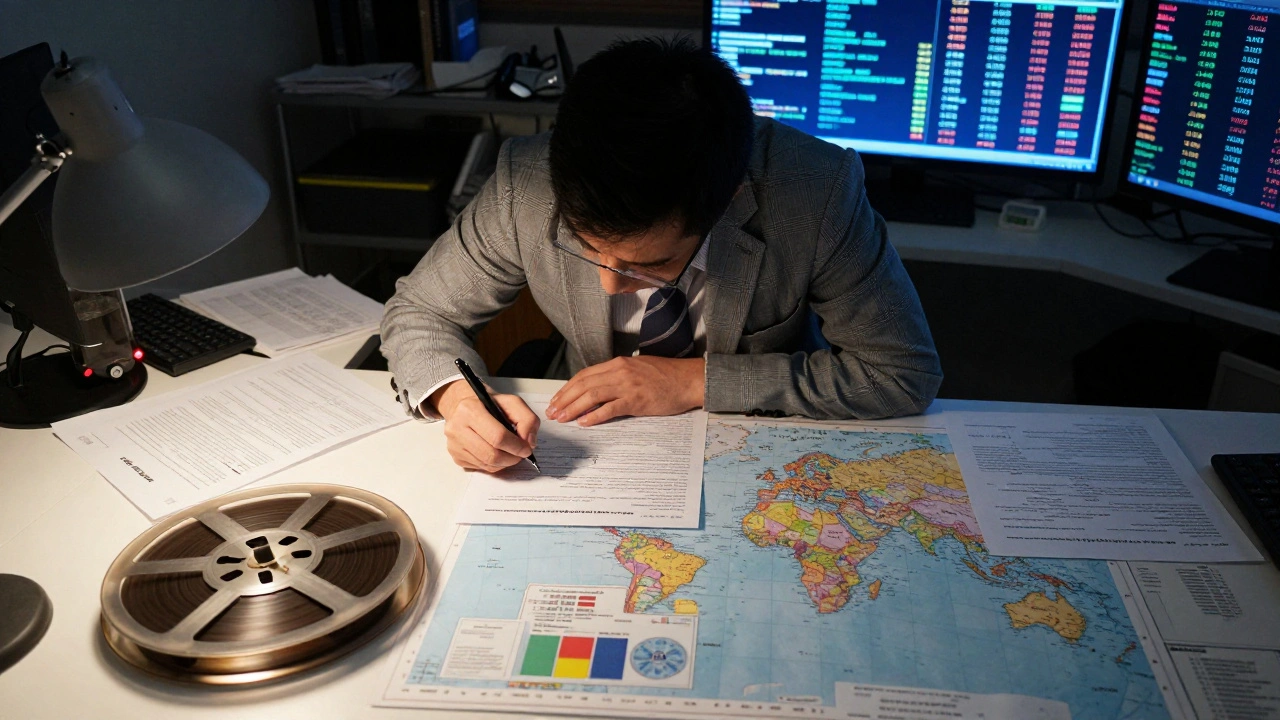
Before streaming, international deals were mostly about theatrical releases. Now, it’s all about global streaming rights. Netflix, Amazon, and Apple pay upfront for exclusive rights to films across dozens of countries. That means they’re locking in payments in local currencies-pesos, rupees, rials, won-while their costs are in dollars.
That’s a nightmare for accounting. In 2024, one major streamer reported a $42 million loss on international licensing deals-not because films flopped, but because the currencies they paid in weakened after the deals were signed. They’d already paid the producers. But the revenue from subscribers? It came in weaker than expected.
Some streamers now use dynamic pricing: they adjust subscription fees in certain markets based on currency strength. Others delay payments until exchange rates stabilize. A few even use cryptocurrency as a neutral middle ground. It’s messy, but it’s happening.
What’s Next? The Rise of FX Hedging in Hollywood
Big studios have always hedged oil prices, interest rates, and labor costs. Now they’re hedging currencies too.
Universal Pictures, Warner Bros., and Sony have all started working with financial advisors to lock in exchange rates for upcoming releases. They’re buying options to sell euros, yen, or pesos at a set rate-even if the market moves against them. It costs money upfront, but it protects against catastrophic drops.
Smaller indie producers can’t afford that luxury. So they’re turning to co-production deals. Instead of selling rights to one foreign distributor, they partner with a company in that country. The local partner invests in the film, handles marketing, and keeps the local revenue. The U.S. side gets a share of profits-and avoids the currency risk entirely.
That’s why you’re seeing more co-productions between the U.S. and countries like Spain, South Korea, and Australia. It’s not just about creative collaboration. It’s about financial safety.
What Filmmakers Should Watch
If you’re an independent filmmaker or a small production company, here’s what you need to know:
- Never sign a deal without knowing the current exchange rate-and what it’s done in the last 12 months.
- Ask if the buyer has hedged their currency exposure. If they haven’t, they might renegotiate later.
- Get paid in your home currency whenever possible. If they insist on local currency, demand a guaranteed minimum floor.
- Track currency trends for your target markets. A falling peso doesn’t just hurt revenue-it kills future deals.
One indie producer in Austin sold a documentary to a distributor in Mexico for $120,000 in pesos. The deal looked great-until the peso dropped 22%. The producer ended up with the equivalent of $94,000. They lost $26,000 before the film even premiered.
That’s not bad luck. That’s a missed opportunity to protect themselves.
Final Thought: It’s Not About the Film. It’s About the Money.
A great movie can still fail because of exchange rates. A mediocre one can become a hit if the currency moves in its favor. The story on screen doesn’t change. But the money behind it? It’s wild.
International film deals used to be about talent, distribution, and timing. Now, they’re also about finance, forecasting, and foreign exchange. If you’re making movies for the world, you can’t ignore how money moves between countries. Because when the dollar rises, someone’s revenue falls. And someone’s dream might go unfunded.
How do currency fluctuations affect international film revenue?
When a film is sold to a foreign distributor, the payment is often locked in at an exchange rate that’s valid at the time of signing. If the foreign currency weakens before the film earns revenue, the studio receives less value than expected. For example, if a deal was made when 1 euro = $1.10, but later drops to $1.00, the studio loses 9% in real value-even if the film does well at the box office. The opposite can also happen, where a stronger currency increases revenue unexpectedly.
Do streaming services handle currency risk differently than theaters?
Yes. Theaters usually collect box office revenue in local currency and convert it later, exposing distributors to short-term fluctuations. Streaming services, however, often pay upfront for global rights in local currencies. That means they’re locked into exchange rates at the time of payment, but their revenue comes from subscriptions in those same currencies. If the currency weakens after payment, their profit margin shrinks. Some streamers now use dynamic pricing or hedge their exposure with financial instruments.
Can filmmakers protect themselves from currency risk?
Yes. Filmmakers can demand payment in their home currency (like USD or EUR), include currency floor clauses in contracts, or use co-production partners who handle local financing. Some also work with financial advisors to lock in exchange rates using forward contracts. Independent producers often avoid direct sales to foreign distributors and instead enter into co-productions, where the local partner bears the currency risk.
Why are more film deals now using revenue-sharing instead of flat fees?
Flat fees don’t account for currency swings. If a film earns $10 million in Japan but the yen drops 15% after the deal, the U.S. studio gets less than expected. Revenue-sharing models adjust payouts based on actual earnings in local currency, reducing the risk for both sides. It’s especially common in streaming deals, where revenue streams are ongoing and unpredictable.
Which currencies are most volatile for film deals in 2026?
In 2026, the most volatile currencies for film deals are the Brazilian real, Argentine peso, Turkish lira, and Egyptian pound. These currencies have seen swings of 10-30% annually due to inflation and political instability. Meanwhile, the euro, Japanese yen, and Canadian dollar are relatively stable, making them safer for long-term deals. Producers now monitor these currencies closely before signing international contracts.






Comments(6)