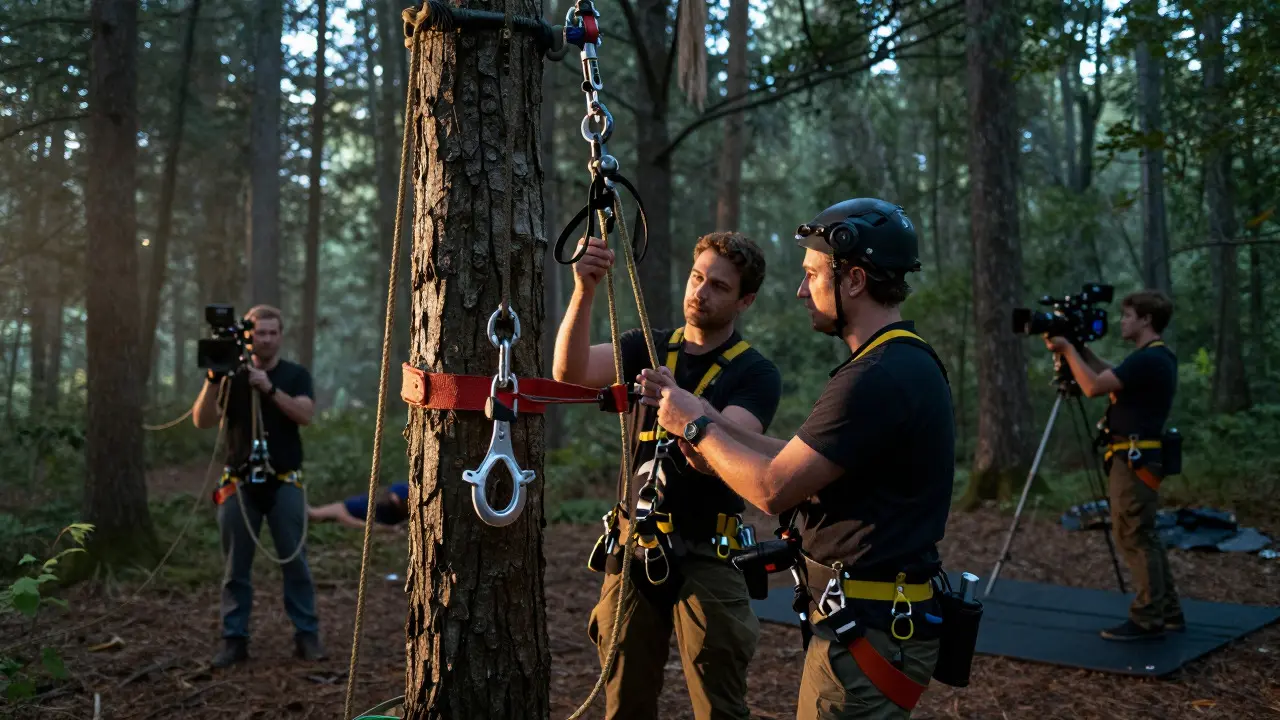
Every time a car flips in slow motion or an actor jumps from a rooftop, there is a silent team working behind the scenes to keep everyone alive. This is stunt coordination, a specialized field that blends physics, psychology, and strict logistics to manage high-risk actions on set. It is not just about making things look dangerous; it is about calculating exactly how much danger is acceptable before the take becomes fatal. For producers and directors, understanding this layer of risk management is no longer optional-it is the difference between a blockbuster release and a lawsuit that shuts down production for months.
The Core of On-Set Risk Assessment
Risk assessment in film is distinct from corporate safety because the environment changes every hour. A scene shot at dawn in a forest has different hazards than the same scene shot at dusk on a busy highway. The primary tool used by safety officers is the Job Hazard Analysis (JHA), which breaks down each stunt into its smallest components. If a performer is doing a wire fall, the JHA looks at the anchor points, the harness integrity, the landing surface, and the weather conditions. Each element gets a risk score based on likelihood and severity. High scores trigger mandatory mitigation steps, such as doubling the rigging inspection or adding more padding to the crash mat.
This process requires constant communication. The stunt coordinator, the director, and the first assistant director must agree on what "good enough" looks like. Often, the artistic vision conflicts with safety limits. In these cases, data wins. If the math says a jump from 15 feet is safe but 20 feet is risky, the camera angle is adjusted to make 15 feet look like 20. This is where creative problem-solving meets hard science. The goal is never to eliminate all risk-some risk is inherent in action cinema-but to control it so that surprises don’t turn into tragedies.
Key Roles in the Safety Ecosystem
You cannot manage safety without a clear chain of command. The hierarchy on a major action film usually includes three critical figures who interact constantly:
- The Stunt Coordinator: They design the choreography and hire the performers. They are the experts on what the human body can withstand. Their authority is technical, not managerial.
- The First Assistant Director (1st AD): They manage the schedule and call "action." They hold the power to stop a take if they feel the crew is tired or unsafe. Their authority is logistical.
- The Safety Officer: Hired specifically for large-scale productions, they audit the set against industry standards. They have the power to shut down a scene if equipment fails inspection. Their authority is regulatory.
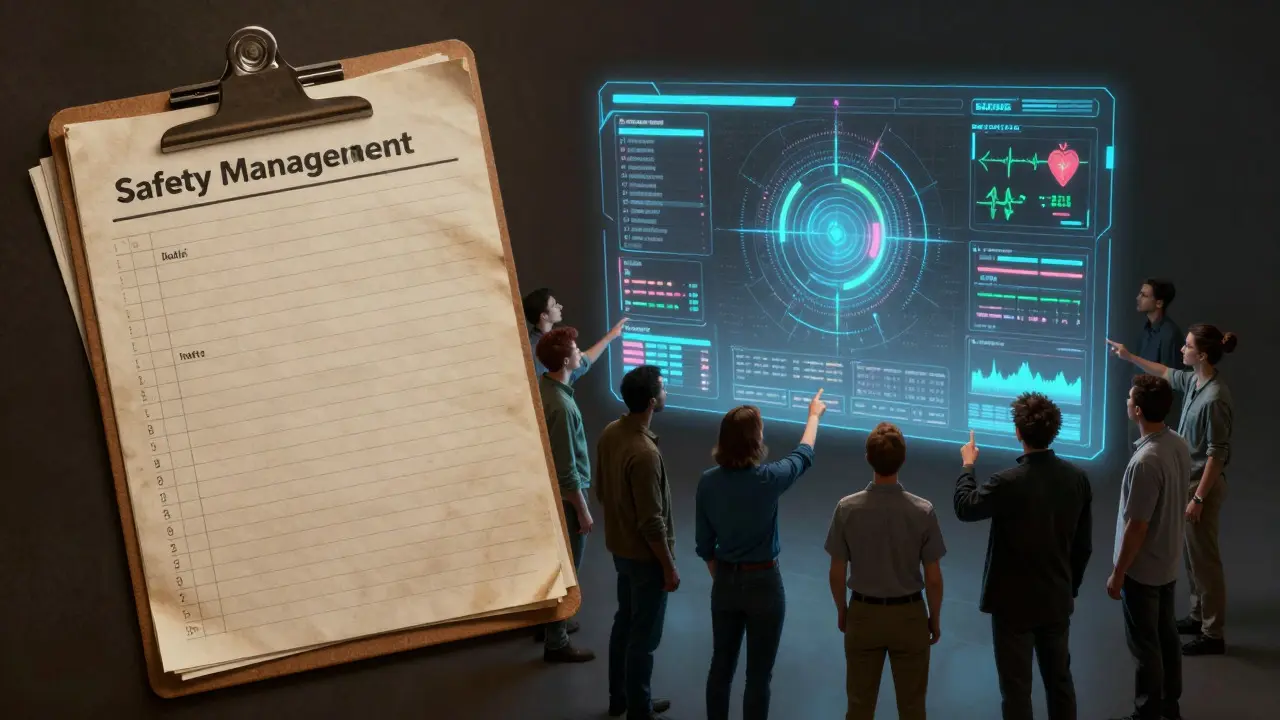
Conflicts often arise when the 1st AD pushes for speed and the Safety Officer pushes for caution. Resolving these conflicts quickly is vital. Delays cost money, but injuries cost careers. Modern productions use digital checklists that sync in real-time, ensuring that if a safety officer flags a hazard, the entire crew sees it instantly on their tablets. This transparency reduces ego-driven arguments and keeps the focus on the facts.
Equipment Standards and Inspection Protocols
Hardware failure is one of the most terrifying risks on set. A snapped cable or a broken prop gun can be deadly in seconds. To prevent this, the industry relies on rigorous inspection schedules. All load-bearing equipment, including wires, pulleys, and harnesses, must be inspected before every single day of shooting. This is known as the "daily rig check." Inspectors look for fraying, corrosion, and wear patterns that might not be visible to the naked eye. They also verify that the weight ratings match the actual load being applied. For example, a standard climbing harness rated for 150 pounds might need a higher-rated version if the stunt involves dynamic swinging forces that multiply the effective weight.
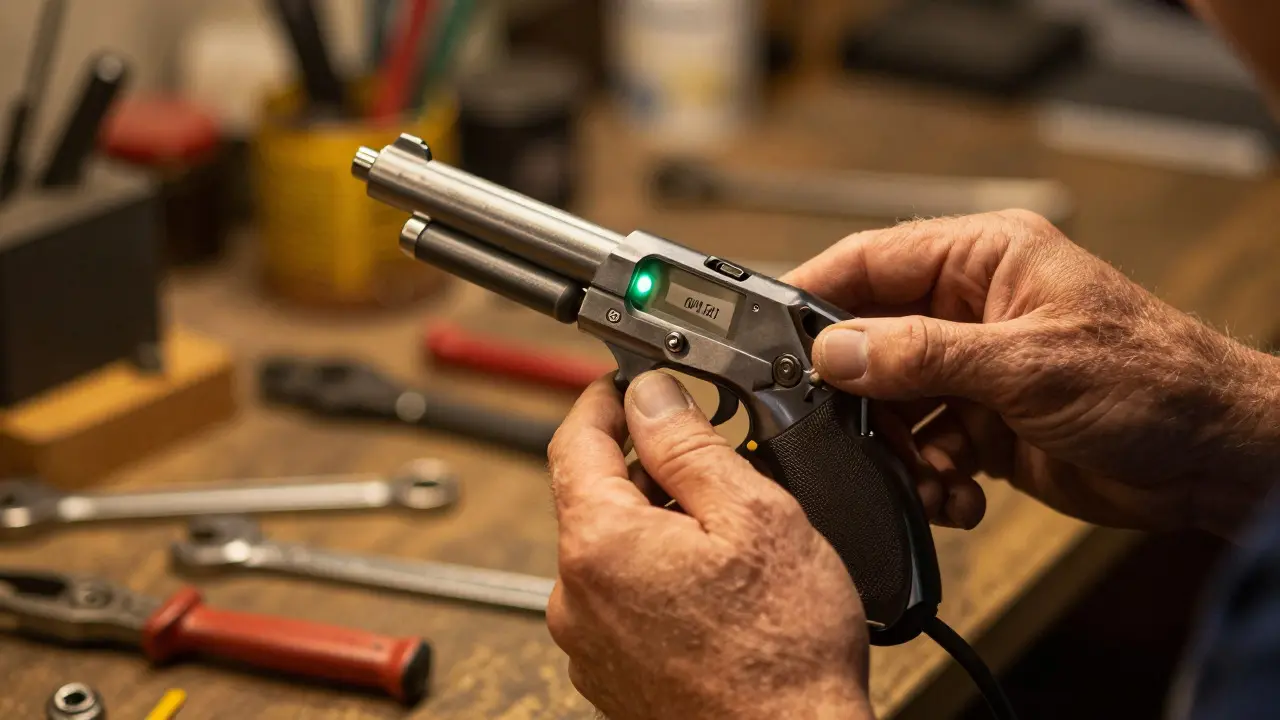
Props require their own level of scrutiny. Airsoft guns, water cannons, and pyrotechnics all have specific handling rules. Pyrotechnics, in particular, are governed by strict distance requirements. The person setting off the explosion must stand behind a blast shield at a calculated distance. These distances are not guesses; they are based on acoustic and thermal radiation models. Ignoring these numbers is a recipe for disaster. Many veteran stunt performers carry personal tools, like ultrasonic thickness gauges, to double-check metal props before they trust them with their lives. This redundancy is a hallmark of professional safety culture.
Comparing Traditional vs. Digital Safety Methods
The way we assess risk has evolved significantly over the last decade. While paper logs were the standard, digital tools now offer real-time data integration. Here is how the two approaches compare in terms of efficiency and error reduction:
| Feature | Traditional Paper-Based | Digital Integrated Systems |
|---|---|---|
| Data Accessibility | Limited to physical location | Real-time cloud sync across crew |
| Error Detection | Manual review, prone to oversight | Automated alerts for expired certifications |
| Historical Tracking | Filing cabinets, difficult to search | Searchable database of past incidents |
| Response Time | Minutes to hours for updates | Instant notification via mobile apps |
| Cost Efficiency | Low upfront, high labor cost | Higher software cost, lower labor cost |
Digital systems allow for better predictive analysis. By tracking minor near-misses over several productions, safety teams can identify patterns. Maybe a specific brand of foam mattress compresses too fast under repeated impacts. Or perhaps a certain type of rain makes a specific floor wax too slippery. These insights are impossible to gather from isolated paper logs. As technology improves, we are seeing the introduction of wearable sensors that monitor heart rate and gait stability, providing objective data on whether a stunt performer is fatigued beyond safe limits.
Cultural Factors and Human Error
Technology only works if people follow the rules. Human error remains the leading cause of on-set accidents. Fatigue, complacency, and pressure from tight deadlines create a perfect storm for mistakes. A stunt performer who has been working for 14 hours straight is less likely to notice a loose strap on their harness. A camera operator rushing to reposition might step into a zone marked as hazardous. Addressing this requires a shift in culture, moving from a blame-oriented approach to a learning-oriented one.
Effective safety cultures encourage "stop-work authority," where any crew member, regardless of rank, can halt filming if they see a danger. This empowers the junior grip to yell "Cut!" if a light stands wobbly. When this happens, the reaction of the leadership team matters. If the director gets angry, nobody will speak up next time. If the director thanks them for catching it, the system strengthens. Training should not just be about how to use equipment, but about psychological safety. Regular workshops help crews recognize the signs of burnout and stress, which are precursors to accidents. Investing in mental health resources for cast and crew is becoming a standard part of comprehensive risk management plans.
Regulatory Compliance and Insurance Requirements
Beyond internal best practices, productions must adhere to local laws and insurance mandates. In many jurisdictions, filming in public spaces requires permits that include detailed safety plans approved by local fire departments or police. Failure to comply can result in fines or shutdowns. Insurance companies also play a crucial role. They often send their own loss prevention engineers to inspect high-risk sets before binding coverage. If your safety plan does not meet their standards, premiums go up, or coverage is denied. This financial incentive aligns producer interests with safety goals. Keeping meticulous records of inspections, training sessions, and incident reports is essential for smooth insurance claims processes should anything go wrong. Proactive documentation proves due diligence, which protects both the studio and the individual workers involved.
Frequently Asked Questions
Who is legally responsible for safety on a film set?
Legally, the Producer holds ultimate responsibility, but operationally, the Stunt Coordinator and First Assistant Director share daily duties. The Safety Officer provides independent oversight. Liability can be shared depending on the nature of the accident and local labor laws.
How often should stunt equipment be inspected?
Load-bearing equipment like wires and harnesses should be inspected before every use and at the start of each workday. Props with mechanical parts should be checked after every take if they are subjected to impact or stress.
What is a Job Hazard Analysis (JHA)?
A JHA is a written breakdown of a specific task into steps, identifying potential hazards at each step and outlining controls to mitigate them. It is the foundational document for planning any complex stunt sequence.
Do stunt performers get extra pay for risky shots?
Yes, unions like SAG-AFTRA have tiered pay scales for stunts based on risk levels. Higher risk categories, such as falls from height or vehicle crashes, command higher daily rates to reflect the increased danger.
How do digital tools improve safety communication?
Digital platforms allow instant sharing of hazard alerts, checklist completion statuses, and weather updates across the entire crew via mobile devices, reducing information silos and speeding up decision-making during critical moments.





Comments(7)