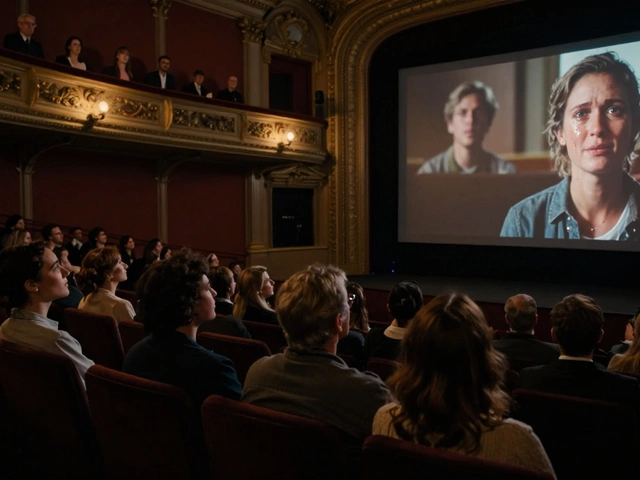
Walk into a movie theater on a random Tuesday in 2026, and you might see an empty auditorium. But step inside during a special screening of a classic film, a live ballet broadcast, or a concert with a celebrity host, and the seats are packed. This isn't just a trend; it's a survival strategy for cinemas that have lost their grip on standard weekend releases. The modern multiplex is no longer just a place to watch new Hollywood blockbusters. It has evolved into a hybrid venue where the line between a movie screen and a live performance space has blurred.
The core issue driving this shift is simple: audiences are tired of the same old formulaic films. They want experiences. When a studio releases a superhero movie, viewers can wait for the streaming window. But when a theater offers a one-night-only event featuring a restored 4K copy of a beloved classic, or a live feed of the Royal Ballet, the urgency to attend is immediate. This "event cinema" model fills the dead zones in the weekly calendar, turning low-traffic days into profitable nights.
Defining the Event Cinema Model
Event Cinema is a programming strategy where theaters curate special, often time-limited screenings that differentiate themselves from standard commercial releases. Unlike regular showtimes, which follow a rigid schedule based on studio mandates, event screenings are flexible. They can happen on a Friday, a Sunday, or even a Wednesday afternoon. The key attribute here is exclusivity. These events often feature enhanced audio systems, director commentaries, Q&A sessions, or live orchestral accompaniment.
This model relies heavily on community building. A local cinema in Asheville, North Carolina, for example, might partner with a university film department to host a retrospective. The audience isn't just watching a movie; they are participating in a cultural moment. This creates a sticky customer base that values the physical experience over the convenience of home viewing.
Filling the Weekly Dead Zones
Traditional box office revenue spikes on Fridays and Saturdays but plummets by Monday. For many independent theaters, these mid-week days are financial black holes. Event cinema solves this by creating artificial demand. Let's look at the data pattern:
| Screening Type | Typical Day | Avg. Occupancy Rate | Revenue per Seat |
|---|---|---|---|
| New Blockbuster Release | Friday/Saturday | 75-85% | $12.50 - $15.00 |
| Standard Mid-Week Showing | Tuesday/Wednesday | 15-30% | $9.00 - $11.00 |
| Special Event (Ballet/Concert) | Variety | 90-100% | $25.00 - $45.00 |
| Classic Film Retrospective | Sunday/Monday | 60-80% | $14.00 - $18.00 |
Notice the revenue per seat for special events. Because these are perceived as unique experiences, theaters can charge a premium. A ticket to a live ballet broadcast costs nearly three times more than a standard matinee, yet it sells out. This higher margin allows theaters to subsidize lower-priced standard showings, keeping the lights on for the rest of the week.
Beyond Movies: Live Arts and Concerts
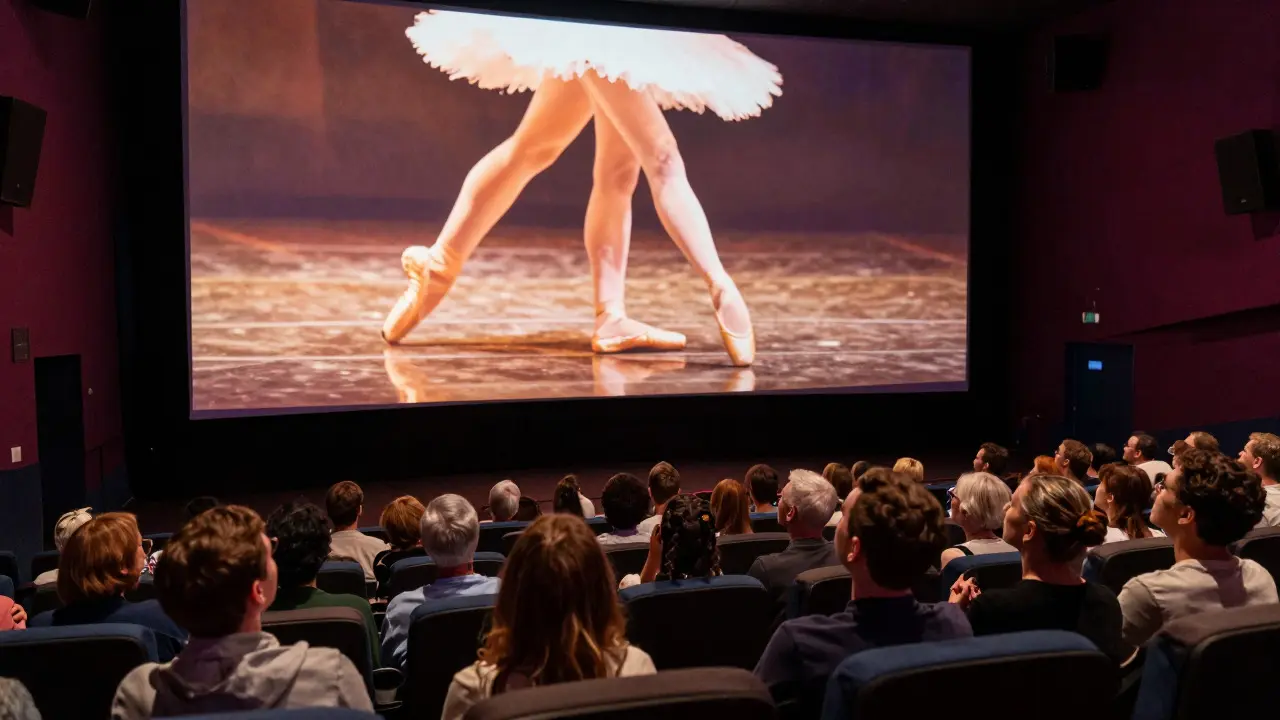
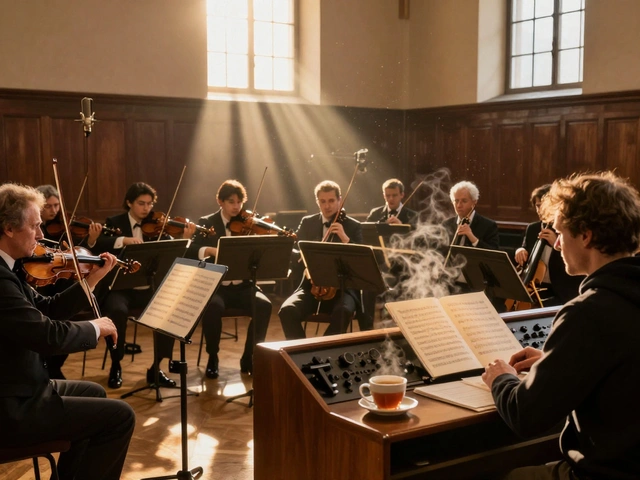
The most dramatic expansion of event cinema involves bringing non-film content to the big screen. Live Event Broadcasting is the transmission of live performances such as opera, ballet, and concerts via satellite or fiber optic lines to multiple theaters simultaneously. Companies like National Theatre Live and BBC Proms have pioneered this, partnering with major chains like AMC and Regal to bring London’s West End to American audiences.
Why does this work? The screen size matters. Watching a symphony on a 60-inch TV lacks the visceral impact of hearing it through a Dolby Atmos system in a dedicated auditorium. The spatial audio makes the instruments feel present in the room. For ballet, the visual detail of the dancers' footwork is captured in high-definition, offering a clarity that even front-row seats in a live theater sometimes miss due to lighting angles.
Furthermore, these events attract demographics that rarely visit movie theaters. Older adults, classical music enthusiasts, and art students become new customers. This diversifies the revenue stream, reducing reliance on the fickle teen demographic that drives standard summer blockbusters.
The Technology Behind the Experience
You can’t just play a video file on a standard projector and call it an event. The technical infrastructure is a critical entity in this ecosystem. Dolby Atmos is an object-based audio technology that adds height channels to surround sound systems, creating a three-dimensional audio field. For event cinema, this is non-negotiable. Audiences expect a premium sensory experience. If the audio sounds flat, the premium price tag feels unjustified.
Similarly, projection standards have shifted. Many event screenings now use 4K laser projectors rather than traditional xenon lamps. Laser projectors offer brighter images and better color accuracy, which is essential for restoring older films or capturing the vibrant colors of a live concert. Theaters that invested in this hardware early on have seen a direct correlation between equipment quality and event sell-out rates.
Community and Niche Curation
While large chains rely on global broadcasts, independent theaters thrive on hyper-local curation. An indie theater in a college town might host a "Midnight Movie" series featuring cult classics. These aren't just movies; they are social rituals. Attendees dress up, sing along, and participate in call-and-response segments. The value proposition here is social connection, not just entertainment.
This curation requires deep knowledge of audience preferences. Theater managers act as programmers, selecting titles that resonate with their specific community. In Asheville, for instance, a theater might prioritize environmental documentaries or regional historical films, tapping into local identity. This personal touch builds loyalty that algorithms on streaming platforms cannot replicate.
Challenges and Risks
It’s not all smooth sailing. The biggest risk is consistency. If an event cinema fails to deliver a hit every month, the novelty wears off. Audiences will return to their living rooms if the schedule feels predictable or underwhelming. Therefore, marketing becomes as important as the content itself. Social media buzz, influencer partnerships, and local press coverage are vital to maintaining hype around each event.
Another challenge is logistics. Coordinating live feeds requires precise timing and technical redundancy. A dropped signal during a live concert broadcast is a disaster that can damage brand reputation instantly. Theaters must invest in reliable connectivity and backup systems, adding to operational costs.
The Future of Hybrid Venues
Looking ahead, the boundary between cinema and other entertainment forms will continue to dissolve. We are likely to see more interactive experiences, such as choose-your-own-adventure screenings or games played alongside the film. The concept of the "screening room" is expanding to include dining, gaming, and live performance elements.
For investors and operators, the lesson is clear: the product is no longer just the film. The product is the atmosphere, the community, and the exclusive access. By filling the theatrical gaps with diverse, high-quality events, cinemas are securing their relevance in an era of infinite digital choice.
What is the primary difference between event cinema and standard theatrical releases?
The main difference lies in scheduling and content type. Standard releases follow a fixed studio schedule and feature current commercial films. Event cinema features curated, often time-limited screenings of classics, live broadcasts, or special formats, allowing theaters to set their own schedules and charge premium prices.
How do live ballet and concert broadcasts affect box office revenue?
These broadcasts significantly boost revenue by attracting new demographics and commanding higher ticket prices. Because the experience is considered unique and hard to replicate at home, occupancy rates often reach 90-100%, generating substantially higher income per seat compared to standard showings.
What technical upgrades are necessary for successful event cinema?
Theaters typically need to upgrade to 4K laser projectors for superior image quality and install object-based audio systems like Dolby Atmos. Reliable high-speed internet or satellite connections are also required to handle live feeds without interruption.
Can independent theaters compete with major chains in event cinema?
Yes, independent theaters often have an advantage in niche curation. By focusing on local interests, cult classics, and community-driven events, they can build a loyal following that larger chains may overlook due to their focus on mass-market appeal.
Why do audiences pay more for event screenings?
Audiences pay a premium because of perceived exclusivity and enhanced production value. Features like director commentary, live orchestral scores, or high-resolution restoration create a sense of occasion that justifies the higher cost compared to a regular movie ticket.



Comments(7)