Most people think a great movie starts with a brilliant first draft. That’s a myth. The truth? Great screenplays are built in the rewriting. Not in the lightning-strike inspiration, but in the messy, frustrating, repetitive grind of revision after revision. If you’ve ever stared at a script you wrote two weeks ago and thought, “This is garbage,” you’re not broken-you’re normal. Every working screenwriter goes through this. The difference between a script that gets made and one that gathers dust isn’t talent. It’s how many times they rewrote it.
Why Rewriting Isn’t Optional
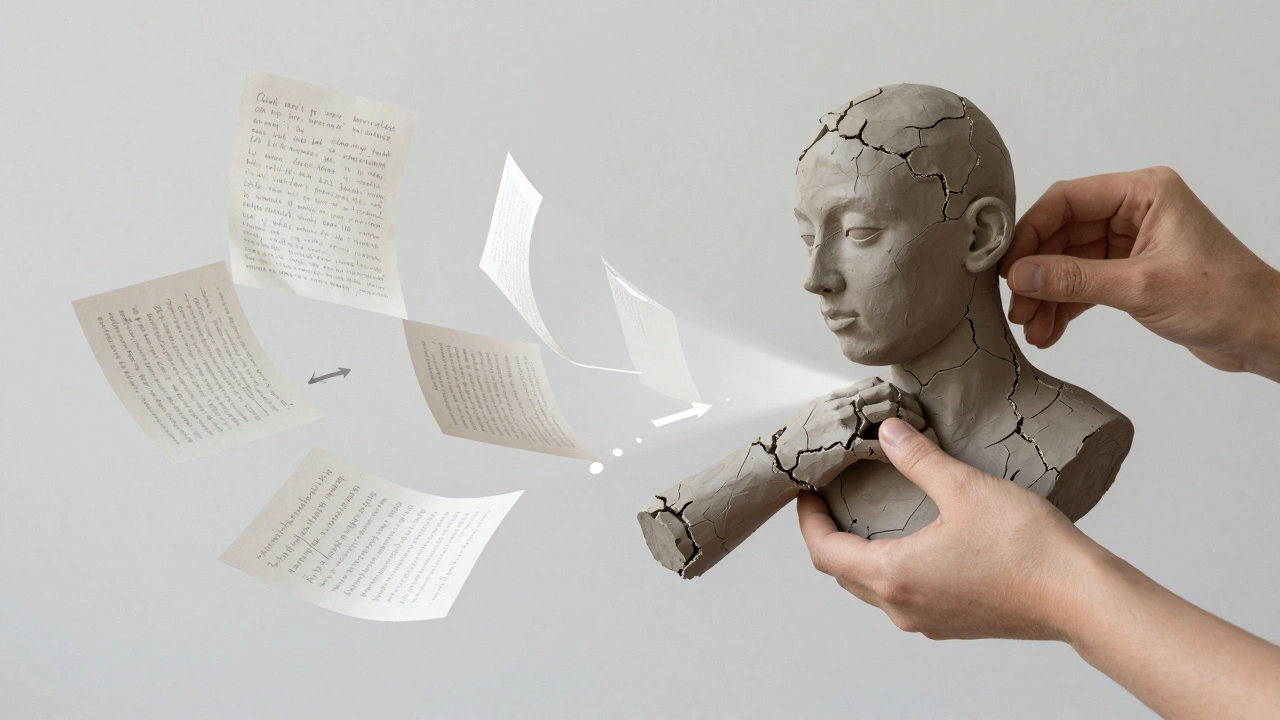
Screenplays aren’t written. They’re rebuilt. Think of your first draft like a clay sculpture. You’ve got the basic shape-characters, plot beats, a few killer lines. But it’s lopsided. Too much exposition. A character who doesn’t make sense. A third act that collapses like a house of cards. That’s fine. The first draft isn’t about perfection. It’s about getting the story out of your head and onto the page. You’re not trying to impress anyone yet. You’re just mapping the territory.
Take The Dark Knight. Christopher Nolan and David S. Goyer wrote over 100 drafts before they landed on the version that made it to screen. Not because they were slow. Because every rewrite sharpened the story. They cut Batman’s origin. They rewrote the Joker’s introduction five times. They moved entire scenes around just to make the pacing tighter. That’s not obsession. That’s craft.
There’s no such thing as a perfect first draft. There’s only a draft that hasn’t been rewritten yet.
The Four Stages of Script Revision
Not all revisions are the same. You don’t fix a broken character arc the same way you fix a clunky line of dialogue. There are four distinct phases most professional screenwriters cycle through:
- Structural Rewrite - This is the big one. You’re looking at the whole story. Does Act Two drag? Is the midpoint weak? Does the antagonist have clear motivation? This is where you cut entire subplots, merge characters, or flip the ending. It’s brutal. You might delete 40 pages and add 20 new ones. If you’re not scared during this phase, you’re not doing it right.
- Character Rewrite - Once the structure holds, you dig into people. Does your protagonist have a flaw that actively hurts them? Do supporting characters have distinct voices? Do they change over time, or just talk? A script with great structure but flat characters feels like watching a PowerPoint presentation. You need people who feel real, not just plot devices.
- Dialogue Rewrite - This is where most writers get stuck. They think great dialogue means clever lines. It doesn’t. Great dialogue sounds like real people talking-but tighter, more purposeful. Cut filler words. Kill monologues. Every line should reveal character, advance the plot, or both. If a line can be removed without changing the scene, cut it.
- Polish Rewrite - This is the final pass. You’re fixing typos, tightening pacing, adjusting beat timing, and making sure every scene transitions smoothly. You’re not changing anything major. You’re just making it shine. This is where you notice that one line of dialogue that sounds off in Act Three. You fix it. Then you read it aloud. If it stumbles, fix it again.
Most amateurs skip straight to polish. They fix commas while ignoring that their hero doesn’t have a reason to care about the plot. That’s like repainting a car with a broken engine. It looks nice, but it won’t go anywhere.
How Many Drafts Do You Really Need?
There’s no magic number. Some scripts take three drafts. Others take twelve. It depends on the writer, the story, and how honest you are with yourself.
Here’s what the data shows: Scripts that get produced typically go through 7-12 major revisions. That’s not including minor tweaks. That’s not counting feedback from producers, directors, or actors. That’s just the core rewrite cycles the writer does alone.
Think about Good Will Hunting. Matt Damon and Ben Affleck wrote 8 drafts before they even submitted it. Then, after it was picked up, they did another 5 revisions with Gus Van Sant. That’s 13 drafts. Not because they were bad writers. Because they refused to settle.
Don’t count drafts. Count progress. Ask yourself: “Is this version better than the last one?” If yes, keep going. If no, figure out why. Was it too rushed? Did you ignore feedback? Did you fall in love with a scene that doesn’t serve the story?

When to Stop Rewriting
Here’s the hard truth: You can rewrite forever. There’s always one more tweak. One more line you think could be sharper. One more character you could deepen. But at some point, you have to let go.
There are three clear signs you’re done:
- You’ve fixed every structural flaw. The story moves. The stakes rise. The ending lands.
- Every scene has a purpose. No filler. No tangents. No “cool” moments that don’t connect.
- You’re making small changes that don’t improve the script. You’re just moving words around. That’s not revision. That’s obsession.
Also, don’t wait for perfection. Wait for execution. A script that’s 80% there and gets made is better than a script that’s 100% perfect and never leaves your desk.
Tools That Actually Help
You don’t need fancy software. You need habits.
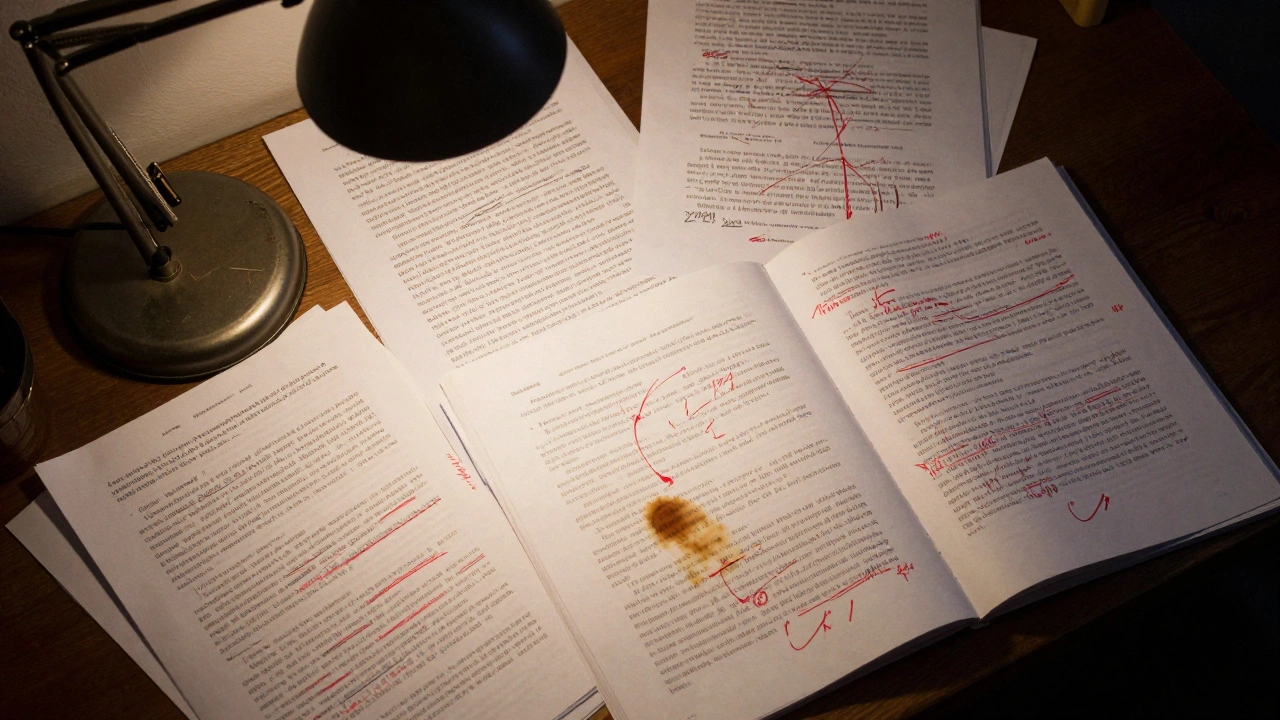
- Print it out. Reading a script on a screen is like trying to fix a leaky faucet with your eyes closed. Print it. Mark it up with pen. Scribble notes in the margins. You’ll catch things you never see on a monitor.
- Read it aloud. Your ear catches awkward phrasing your eyes miss. If a line sounds unnatural when spoken, it’s not ready.
- Get feedback from real actors. Not your friends. Not your writing group. Actors who’ve been in scenes. Ask them: “What’s your character’s motivation here?” If they can’t answer, your script doesn’t give them enough.
- Use the “10-minute test.” Read one scene. Then close your eyes. After 10 minutes, ask yourself: “What just happened?” If you can’t summarize it, the scene is too confusing.
Don’t use storyboards or color-coding apps unless they help you see the structure. Most of them just add noise.
The Mindset You Need
Rewriting isn’t about being a genius. It’s about being stubborn. It’s about loving the story more than your ego.
Here’s what most writers don’t admit: They’re afraid. Afraid their first draft isn’t good enough. Afraid someone will read it and think they’re a fraud. Afraid that if they change too much, they’ll lose the original spark.
Here’s the secret: The spark isn’t in the first draft. It’s in the last draft. The version where you killed your favorite scene. The version where you rewrote the hero’s entire backstory. The version where you made the villain more human. That’s where the magic lives.
Every great screenplay has been butchered. Then rebuilt. Then butchered again. If you’re not willing to do that, don’t call yourself a screenwriter. Call yourself a writer who likes to start things.
Final Thought: It’s a Marathon, Not a Sprint
There’s no shortcut. No app. No guru who can turn your first draft into an Oscar contender. There’s only time. And repetition. And the courage to look at something you poured your soul into-and say, “This isn’t it yet.”
So go back. Open the file. Read it. Cry if you need to. Then rewrite it. Again. And again. Until it breathes. Until it moves. Until it feels real.
That’s how screenplays are made.
How many drafts should a screenplay typically have before it’s ready?
Most produced screenplays go through 7 to 12 major revisions before they’re locked. This doesn’t include minor edits or feedback rounds. The number isn’t what matters-it’s whether each draft improves the story’s structure, character depth, and pacing. A script with 5 strong drafts is better than one with 15 half-hearted ones.
What’s the biggest mistake writers make during revisions?
The biggest mistake is rewriting for the wrong reason. Most writers fix grammar or polish dialogue before fixing the story. You can’t fix a weak plot with better lines. You need to ask: Does the protagonist change? Is the conflict clear? Does the ending feel earned? If the answer is no, you’re polishing a sinking ship.
Should I rewrite based on feedback from friends or producers?
Only if the feedback points to a real problem. Friends often say, “I didn’t get it,” which is useless. Producers might say, “Make it more commercial,” which is vague. Instead, ask: “What specifically didn’t work?” and “What did you feel was missing?” If multiple people point to the same issue-like a confusing third act or a passive hero-then it’s time to rewrite. If only one person says it, it might be their taste, not your script’s flaw.
Can I rewrite too much?
Yes. Rewriting too much happens when you’re no longer improving the script-you’re just changing it for the sake of change. If you’ve fixed the structure, deepened the characters, and tightened the dialogue, and you’re still tweaking minor lines, you’ve crossed into obsession. A script is never finished. It’s abandoned. When you’re ready to send it out, you’re done.
How do I know when my script is ready to submit?
Your script is ready when you can read it and not want to change a single scene. When every beat feels necessary. When the characters sound like real people. When the ending leaves the audience thinking, not confused. If you’ve gone through structural, character, dialogue, and polish passes-and you’re still proud of it-then it’s ready. Don’t wait for perfection. Wait for confidence.




Comments(5)