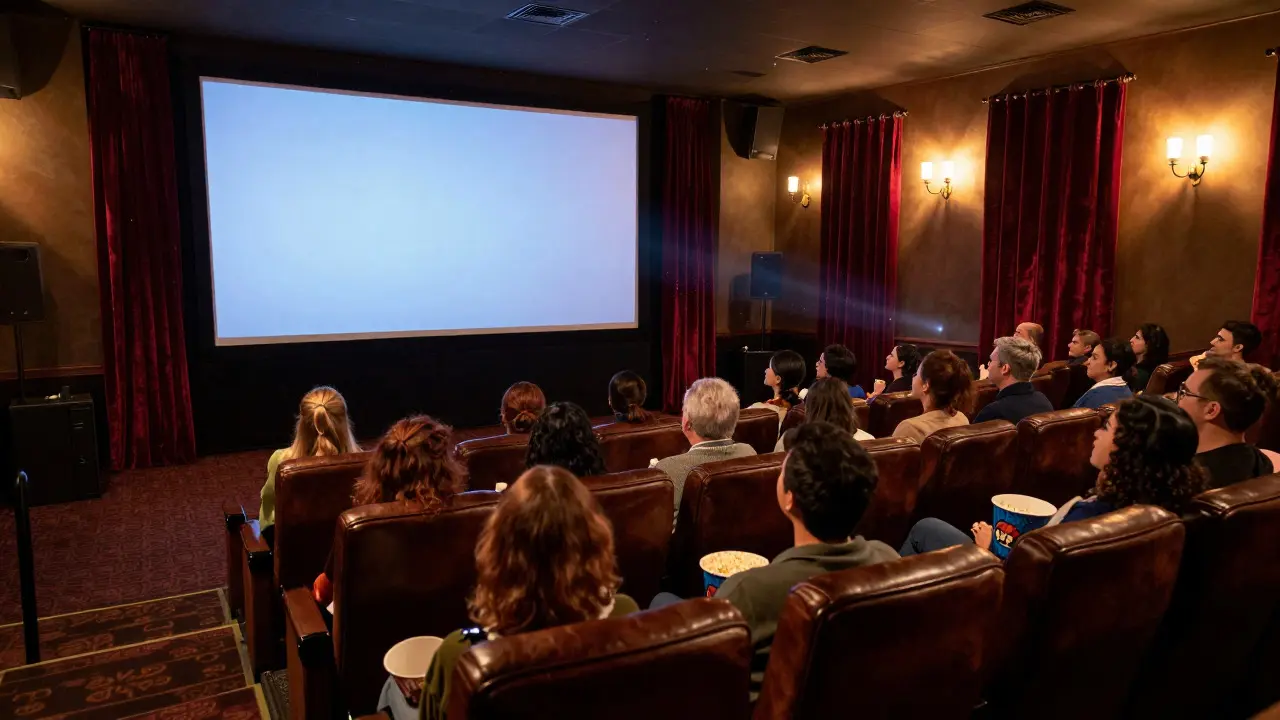
Walk into a local cinema in Asheville or any mid-sized US city today, and you might expect to see the latest Marvel blockbuster or a fresh indie drama. But look closer at the schedule for a Tuesday night, and you’ll likely find a restored print of Casablanca is a 1942 romantic drama that remains one of the most re-screened films in history due to its cultural ubiquity. This isn't nostalgia for its own sake. It’s a calculated move by theater owners to keep lights on during low-traffic days. In an era where streaming dominates home viewing, repertory programming has become a vital revenue stream, not just a cultural service.
The Economics of the Off-Peak Window
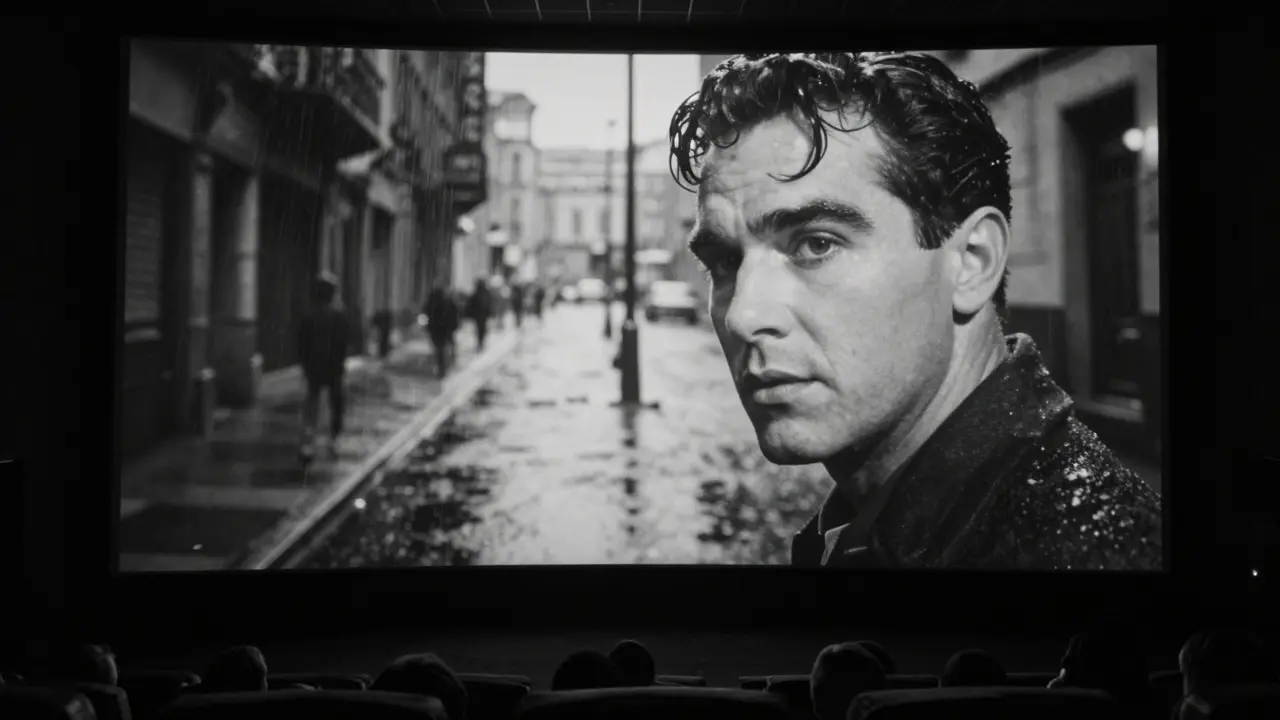
The core problem facing independent theaters is simple: Monday through Wednesday nights are empty. Blockbusters drive traffic on weekends and opening weeks, but the mid-week lull leaves screens dark and staff underutilized. Repertory programming fills this gap without the massive marketing spend required for new releases. A single print or digital file of a classic film can be shown hundreds of times over several years with negligible marginal cost. The primary expense is the venue itself-rent, electricity, and labor-which is already paid for. Therefore, every ticket sold for a screening of Schindler's List is a 1993 historical drama directed by Steven Spielberg that serves as a high-margin product in repertory schedules. translates directly to profit margin.
Consider the data from the National Association of Theatre Owners (NATO). While exact figures vary by region, studies indicate that repertory screenings account for 15% to 20% of total annual ticket sales in non-multiplex cinemas. This percentage spikes significantly in smaller markets where the choice of new releases is limited. For a theater in a city like Asheville, showing a curated selection of classics ensures a baseline audience that doesn't depend on national hype cycles.
Why Audiences Still Buy Tickets for Old Movies
You might wonder why people would pay $15 to watch a movie they’ve seen before on their living room TV. The answer lies in the experience, not just the content. Home viewing is passive; theatrical viewing is communal. When a crowd gasps together at a plot twist in Psycho is Alfred Hitchcock's 1960 thriller that redefined horror cinema and remains a staple of midnight screenings., the emotional impact is amplified. This "shared reaction" factor is a key driver of repeat attendance.
Additionally, restoration quality plays a huge role. Many classic films were released on home video in degraded formats. Theatrical releases often feature 4K restorations supervised by the original directors or cinematographers. For example, the recent restoration of Seven Samurai is Akira Kurosawa's 1954 epic that showcases superior visual clarity in modern theatrical prints compared to older home media versions. offers details that simply aren't visible on a standard streaming platform. Film enthusiasts are willing to pay a premium for this fidelity.
Curating the Right Mix: Beyond the Obvious Hits
Not all classics are created equal in terms of draw. Successful repertory programming requires a strategic mix of three types of titles:
- Anchor Titles: Universally recognized blockbusters from past decades. These guarantee a floor of attendance. Examples include Jaws, E.T., and The Godfather.
- Niche Cult Favorites: Films with dedicated fan bases that travel to see them. Think Donnie Darko or Primer. These audiences are loyal and often attend multiple showings.
- Historical Significance: Films chosen for their artistic merit or cultural impact, often paired with lectures or Q&As. These attract cinephiles and students, fostering community engagement.
The balance is crucial. Too many anchors, and you lose the edge that differentiates your theater from a chain. Too many obscure titles, and you risk empty seats. The sweet spot usually involves 70% anchor/cult titles and 30% educational/niche selections.
Comparing Revenue Models: New Releases vs. Repertory
To understand the financial impact, let's compare the economics of a new release versus a repertory screening. The table below illustrates the typical cost structures and revenue potentials for a single screen per week.
| Metric | New Release (Weekend) | Repertory Screening (Mid-week) |
|---|---|---|
| Average Ticket Price | $18 - $22 | $12 - $15 |
| Estimated Occupancy Rate | 60% - 80% | 25% - 40% |
| Distribution Fee (to Studio) | 50% - 60% of gross | 0% - 10% (flat fee or license) |
| Marketing Cost Allocation | High (national campaigns) | Low (local social media) |
| Net Profit Margin | 10% - 15% | 40% - 60% |
Notice the dramatic difference in net profit margins. Even though the occupancy rate is lower for repertory screenings, the lack of distribution fees and minimal marketing costs mean that each ticket sold retains more value for the theater owner. If a new release sells 100 tickets at $20, the theater keeps roughly $8-$10 per ticket after studio cuts. If a repertory film sells 50 tickets at $14, the theater keeps nearly $13 per ticket. The absolute revenue might be similar, but the efficiency is vastly higher for repertory.
The Role of Community and Education
Repertory programming isn't just about money; it's about building a brand identity. Theaters that invest in classics position themselves as cultural hubs rather than just entertainment venues. This attracts a demographic that values education and community. Hosting director Q&As, pairing films with live orchestral scores, or offering student discounts for historical screenings creates a sticky audience. These patrons don't just buy one ticket; they become members of a community.
In cities like Asheville, where the arts scene is vibrant, this community aspect is a competitive advantage. It differentiates the local cinema from the corporate multiplex down the highway. The corporate chain offers convenience and new releases; the local repertory house offers depth and curation. Both have their place, but only one builds long-term loyalty through shared cultural experiences.

Challenges and Pitfalls to Avoid
While profitable, repertory programming has its risks. The biggest pitfall is complacency. Showing the same five movies year after year will eventually bore even the most loyal fans. You need to rotate your catalog. Another challenge is technical compatibility. Older films may require specific projection standards or aspect ratios that modern digital projectors handle differently. Ensuring that the image quality matches the promise of a "restored" version is critical to maintaining credibility.
Also, beware of licensing traps. Not all classic films are in the public domain. Some studios still hold rights to films from the 1960s and 70s, requiring annual licensing fees. Failing to secure proper clearance can lead to costly legal disputes. Always verify rights status with distributors like Criterion Channel or Kino Lorber before adding a title to your permanent rotation.
Future Trends: Hybrid Experiences
Looking ahead, the line between repertory and new media is blurring. We're seeing more hybrid events where a classic film is screened alongside a live podcast discussion or a virtual reality pre-show. These added layers increase the perceived value of the ticket, allowing theaters to charge a premium while still leveraging the low-cost nature of the underlying film asset. As physical spaces continue to compete with home streaming, the ability to offer an unrepeatable, high-quality communal experience will remain the strongest weapon in the repertory programmer's arsenal.
What is the best time of day to show repertory films?
Mid-week evenings (Tuesday through Thursday) are generally the most effective slots. These days typically have the lowest competition from new releases and allow for a relaxed, conversational atmosphere that suits classic cinema. Late-night screenings (after 10 PM) also work well for cult favorites, attracting a younger, more niche audience.
How much does it cost to license a classic film for theatrical screening?
Costs vary widely. Public domain films (pre-1929 in the US) cost nothing except for the print/digital file. For copyrighted classics, licenses can range from a flat fee of $500 to $5,000 per year, depending on the studio and the number of screens. Some distributors offer bundled packages for multiple titles, which can reduce the per-film cost significantly.
Do repertory screenings actually sell out?
They rarely sell out completely, but they achieve consistent occupancy rates of 30-50%. While this is lower than a blockbuster premiere, the high profit margin per ticket means that filling half the house is often more profitable than filling 80% of the house for a new release with heavy distribution fees.
Which classic films are considered 'safe bets' for guaranteed attendance?
Titles like Casablanca, The Godfather, Pulp Fiction, and Star Wars: Episode IV are considered safe bets. They have broad appeal across age groups and generations. For niche crowds, Blade Runner and 2001: A Space Odyssey tend to perform consistently well among sci-fi enthusiasts.
How does streaming affect the demand for repertory cinema?
Streaming has reduced the urgency to see a film immediately upon release, but it hasn't killed the desire for large-screen experiences. In fact, it has increased the appreciation for high-quality restorations that are exclusive to theaters. Viewers use streaming for convenience but turn to repertory cinemas for event-based viewing and superior audio-visual fidelity.




Comments(6)