You can’t sell a haunted house the same way you sell a bedtime story. Yet too many distributors treat every film like a generic product, slapping on the same trailer template and hoping for the best. That approach leaves money on the table. In 2026, the window between a premiere and profitability is tighter than ever, but it’s also more flexible. The key isn’t one-size-fits-all; it’s matching your release playbook to the genre’s psychology.
Horror fans want adrenaline. Families want safety. Documentary viewers want truth. Each group behaves differently when deciding where to watch, what to pay, and who to tell. If you ignore those differences, you’re fighting an uphill battle against algorithms that already know better. Let’s break down exactly how to structure releases for these three distinct audiences so you maximize reach without burning out your budget.
The Horror Playbook: Fear Sells Faster When It’s Shared
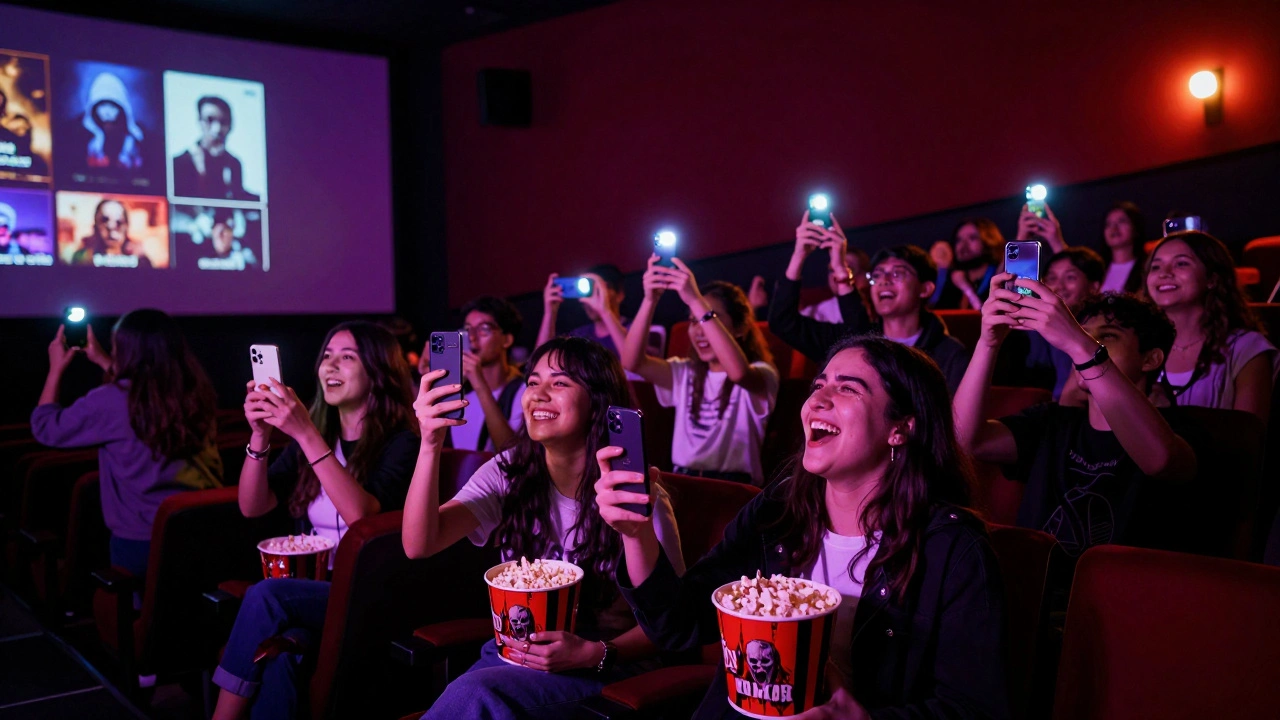
Horror films are a genre defined by visceral reactions, social sharing, and high word-of-mouth velocity. Unlike dramas that rely on critical acclaim, horror thrives on communal experience. People don’t just watch horror movies; they survive them together. This psychological hook changes everything about your distribution timeline.
Your primary goal with horror is speed and intensity. You need to create a cultural moment within the first two weeks of release. Here’s why: horror audiences have short attention spans but high engagement rates. A scary scene goes viral on TikTok or Reels faster than any other genre content. If you delay your theatrical run to wait for a perfect streaming slot, you miss the wave.
- Prioritize Wide Theatrical Openings: Even modestly budgeted horrors benefit from playing in 500+ screens simultaneously. The data shows that horror titles opening wide see 3x higher social media mentions than those doing platform releases.
- Leverage "Event" Marketing: Don’t just release the movie; release the experience. Partner with theaters for midnight screenings, scream contests, or themed concessions. These events drive foot traffic that pure streaming cannot replicate.
- Shorten the Window: Move to Video on Demand (VOD) after 17-28 days. Horror fans are impatient. They’ll pay $19.99 to rent early if they know their friends are watching it. Delaying beyond a month kills momentum.
- User-Generated Content (UGC) Strategy: Encourage reaction videos. Horror is the only genre where people genuinely record themselves screaming. Build hashtags around specific jump scares. Make the audience part of the marketing engine.
Consider the success of recent indie horrors like Smile or Talk to Me. Neither had massive budgets, but both used aggressive theatrical pushes combined with viral social campaigns. They didn’t wait for critics; they waited for screams. Your playbook should mirror this urgency.
The Family Playbook: Trust Is Your Currency
Family films operate on a completely different economic model. These productions target multi-generational viewing, requiring broad accessibility, positive messaging, and long-tail revenue streams. The buyer isn’t always the viewer. Parents decide what the kids watch, meaning trust and reputation matter more than hype.
If horror is about impulse, family entertainment is about planning. You aren’t selling a Friday night thrill; you’re selling a Saturday morning ritual. This shifts your focus from explosive openings to sustained presence. A family film needs to stay visible for months, not weeks.
- Extend Theatrical Windows: Keep films in theaters for 60-90 days. Families return. Kids ask to see it again. The second and third viewings often account for 40% of total box office revenue for top-performing family titles.
- Sync with School Calendars: Release during summer breaks, winter holidays, or spring recess. Avoid mid-semester periods when parents are stressed and less likely to spend on outings. Timing is everything.
- Emphasize Safety and Ratings: Clearly display PG or G ratings in all marketing materials. Parents scan for red flags. Use endorsements from parenting influencers or educational organizations to build credibility.
- Merchandising Integration: Family films live forever through toys, books, and apparel. Coordinate your release with product launches. A toy aisle display drives more awareness than a billboard in some cases.
- Streaming as a Library Asset: Once theatrical runs end, place the film on major family-friendly platforms like Disney+, Apple TV+, or Amazon Prime Kids. These libraries generate steady subscription value over years, not months.
Think about franchises like Despicable Me or Frozen. Their power wasn’t just in the initial release but in becoming household staples. Your distribution strategy must support longevity. Don’t rush to VOD. Let the theater be the showcase, then let the streamer be the home.
The Documentary Playbook: Credibility Over Hype
Documentary films face unique challenges. Non-fiction narratives depend on factual authority, niche audience targeting, and festival validation rather than mass-market appeal. Viewers don’t choose documentaries based on trailers alone; they choose them based on relevance, curiosity, or advocacy.
The documentary market has fragmented. There’s no single "documentary audience." Instead, there are clusters: true crime junkies, nature lovers, political activists, sports historians. Your release plan must identify which cluster owns your topic and go directly to them. Broad theatrical releases rarely work unless you have a celebrity director or a trending news hook.
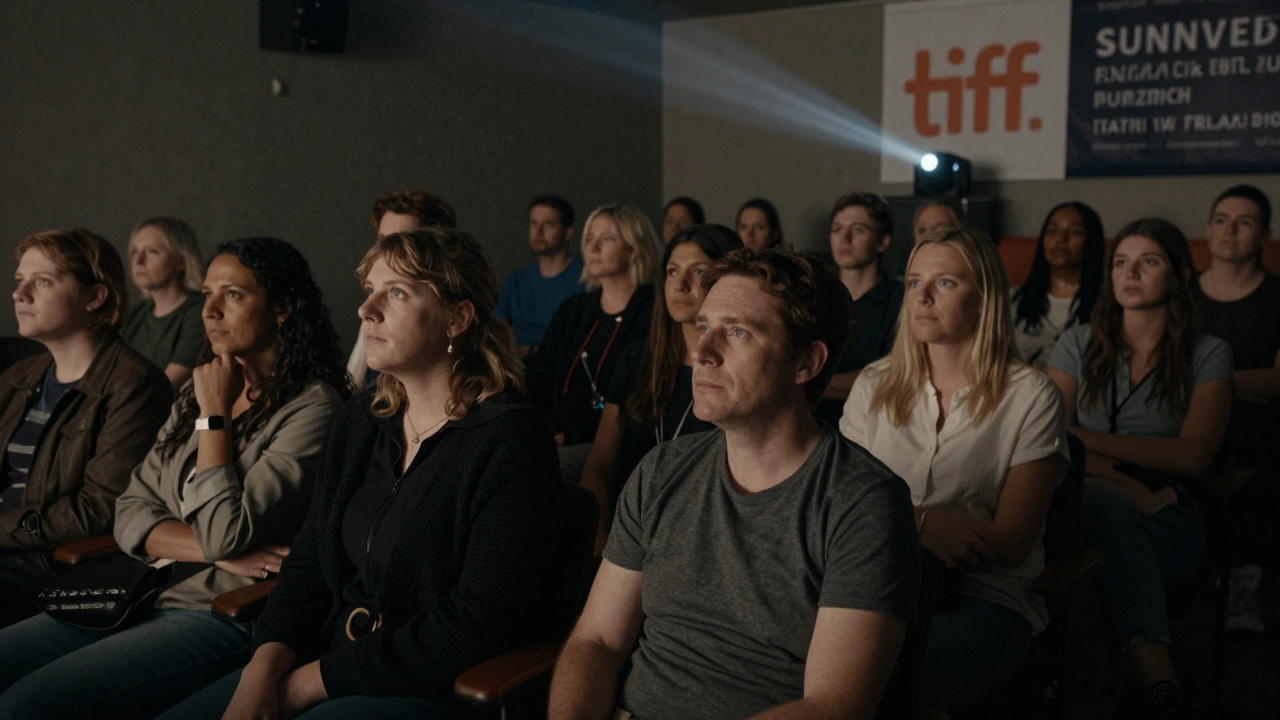
- Festival First, Always: Premier at Sundance, TIFF, IDFA, or Hot Docs. Festival awards provide the social proof needed to secure distribution deals. Without festival buzz, acquiring distributors lose interest.
- Niche Theatrical Runs: Target cities with strong community ties to your subject. If it’s a local environmental issue, play in nearby towns. Host Q&A sessions with experts. Turn screenings into town halls.
- Partner with Advocacy Groups: NGOs, schools, and professional associations are powerful distribution channels. Offer educational licenses. Provide discussion guides. Make your film a tool for change, not just entertainment.
- Streaming Platforms with Editorial Curation: Netflix, HBO Max, and CuriosityStream actively seek documentaries. Pitch based on topical relevance. Tie your release to current events. A climate doc released during COP summits gets far more traction.
- Long-Tail Digital Sales: Documentaries sell well on Vimeo On Demand, MUBI, and even YouTube Premium. Audiences here are willing to pay for depth. Optimize metadata with keywords related to your subject matter, not just the title.
Look at Seaspiracy or My Octopus Teacher. Both leveraged timely themes and strategic platform partnerships. One sparked global debate; the other won Oscars. Neither relied on traditional blockbuster tactics. They built communities around their messages. Your playbook should prioritize connection over conversion.

Comparing Distribution Strategies Across Genres
| Strategy Element | Horror | Family | Documentary |
|---|---|---|---|
| Primary Audience Driver | Social Proof / Adrenaline | Trust / Convenience | Credibility / Interest |
| Optimal Theatrical Window | Wide, Short (17-28 days) | Moderate, Long (60-90 days) | Niche, Variable (30-60 days) |
| Key Marketing Channel | Social Media Virality | Traditional Ads + Merch | Festivals + Partnerships |
| Revenue Peak | Opening Weekend | Second Month | Post-Festival / Streaming Drop |
| Risk Factor | Momentum Loss | Budget Overrun | Audience Fragmentation |
This comparison highlights why mixing strategies fails. Putting a horror film on a slow platform release starves its viral potential. Releasing a family film too quickly to VOD undermines its repeat-viewing revenue. Dropping a documentary without festival backing leaves it invisible. Match the tactic to the temperament.
Common Pitfalls to Avoid in Genre-Specific Releases
Even experienced distributors make costly mistakes when they assume all films behave alike. Here are the most frequent errors I’ve seen in the field, and how to sidestep them.
- Ignoring Regional Preferences: Horror performs differently in Asia versus Europe. Family films resonate stronger in Latin America during holiday seasons. Localize your marketing assets, not just subtitles.
- Overinvesting in Trailers: For documentaries, a polished trailer matters less than a compelling logline shared by an influencer. For horror, the trailer must deliver at least one genuine scare. Tailor production value to genre expectations.
- Neglecting Data Analytics: Track click-through rates, retention metrics, and geographic heatmaps. If your horror film isn’t trending in Texas, shift ad spend to states with higher engagement. Adjust in real-time.
- Forgetting Accessibility: Family and documentary audiences include older viewers and those with disabilities. Ensure closed captions, audio descriptions, and easy navigation on digital platforms. Inclusivity expands your market.
- Underestimating Competition: Check what else is releasing in your window. Don’t launch a small horror film against a Marvel superhero movie. Time your drop to avoid direct clashes with bigger budgets.
These pitfalls aren’t fatal if caught early. But they drain resources fast. Stay agile. Monitor performance daily. Pivot when the numbers say so.
Building a Hybrid Release Model for 2026
The industry is moving toward hybrid models. Pure theatrical or pure streaming is outdated. Most successful releases now combine limited cinema runs with simultaneous or staggered digital availability. But the balance depends entirely on genre.
For horror, try a "Day-and-Date" approach in select markets. Release in theaters and on premium VOD at the same time. Capture both the experiential crowd and the convenience seekers. For family films, use a "Platform-to-VOD" model. Start in key cities, expand gradually, then move to streaming once word-of-mouth peaks. For documentaries, adopt a "Festival-to-Streaming" pipeline. Build prestige first, then monetize through subscriptions and educational sales.
Technology enables this flexibility. AI-driven ad targeting lets you micro-segment audiences. Blockchain tools help track piracy and protect rights. Cloud-based editing allows rapid turnaround for regional cuts. Use these tools to enhance your genre-specific playbook, not replace it.
Measuring Success Beyond Box Office Numbers
Box office totals are vanity metrics if you don’t understand underlying drivers. To truly evaluate your release playbook, look deeper.
- Social Sentiment Analysis: Are people talking positively? Negative reviews hurt horror less than family films. Monitor tone, not just volume.
- Repeat Viewership Rates: High rewatch numbers indicate strong brand loyalty. Crucial for family and franchise horror titles.
- Educational Adoption: For documentaries, count how many schools or organizations license your film. This indicates lasting impact and future revenue.
- Cost Per Acquisition (CPA): Compare marketing spend to actual ticket or rental sales. Lower CPA means efficient targeting. Adjust campaigns accordingly.
- Audience Demographics: Did you reach your intended age group? Horror skews young adult. Family spans generations. Documentaries vary widely. Verify alignment.
Success looks different for each genre. A horror film might flop at the box office but thrive on VOD rentals. A documentary might earn little upfront but generate grants and speaking fees later. Define your KPIs before launch. Measure against those goals, not industry averages.
How long should a horror film stay in theaters before going to VOD?
Ideally 17 to 28 days. Horror relies on immediate buzz and social sharing. Extending the window beyond a month risks losing momentum as audiences move on to newer releases. Early VOD access captures impatient fans willing to pay premium prices.
Why do family films benefit from longer theatrical runs?
Families often revisit movies multiple times. Children request re-watches, driving repeat attendance. Longer runs allow word-of-mouth to build steadily, maximizing cumulative ticket sales rather than relying solely on opening weekend spikes.
Is it necessary for documentaries to premiere at festivals?
Yes, for most independent documentaries. Festivals provide critical exposure, award eligibility, and networking opportunities with distributors. Without festival validation, securing mainstream placement becomes significantly harder due to lack of proven audience interest.
Can horror films succeed without wide theatrical releases?
It’s possible but challenging. Some low-budget horrors gain traction via streaming-first strategies using targeted ads. However, wide theatrical releases amplify social virality and create cultural moments that pure digital struggles to match consistently.
What role does merchandising play in family film distribution?
Merchandise extends the life of family films far beyond their initial release. Toys, clothing, and books keep characters relevant in homes. Coordinated product launches reinforce brand recognition and create additional revenue streams that offset marketing costs.
How do advocacy groups help distribute documentaries?
Advocacy organizations share documentaries with aligned audiences through newsletters, events, and educational programs. They lend credibility and access to engaged communities unlikely to discover the film otherwise, boosting viewership and societal impact.
Should I use the same marketing budget allocation for all genres?
No. Horror benefits heavily from digital ad spend focused on social platforms. Family films require broader traditional advertising plus PR efforts. Documentaries need smaller, highly targeted budgets directed toward niche communities and festival submissions.
What metrics matter most for evaluating documentary success?
Beyond viewership, track educational licenses issued, partnership engagements, and policy influence cited. Documentaries often succeed through indirect impacts like inspiring legislation or changing public opinion, which traditional box office figures miss entirely.






Comments(8)