Remember the last time you sat through a blockbuster sequel and felt nothing? No thrill, no curiosity, just a polite nod while checking your phone. That feeling isn’t just bad luck; it’s audience fatigue, and it is killing franchises faster than any critic ever could. Studios used to rely on brand recognition alone to sell tickets, but that strategy has hit a wall. Today, audiences are smarter, more vocal, and less forgiving of recycled content. If you want to keep a franchise alive, you need to stop guessing and start measuring.
The industry is shifting from intuition-based greenlights to data-driven decisions. You can no longer assume that a famous name guarantees profit. Instead, you must look at specific signals that tell you whether an audience is still engaged or ready to walk away. This guide breaks down the real metrics that define franchise health in the modern entertainment landscape. We will look beyond opening weekend numbers and dive into the subtle indicators that predict long-term success or inevitable decline.
The Myth of Opening Weekend Dominance
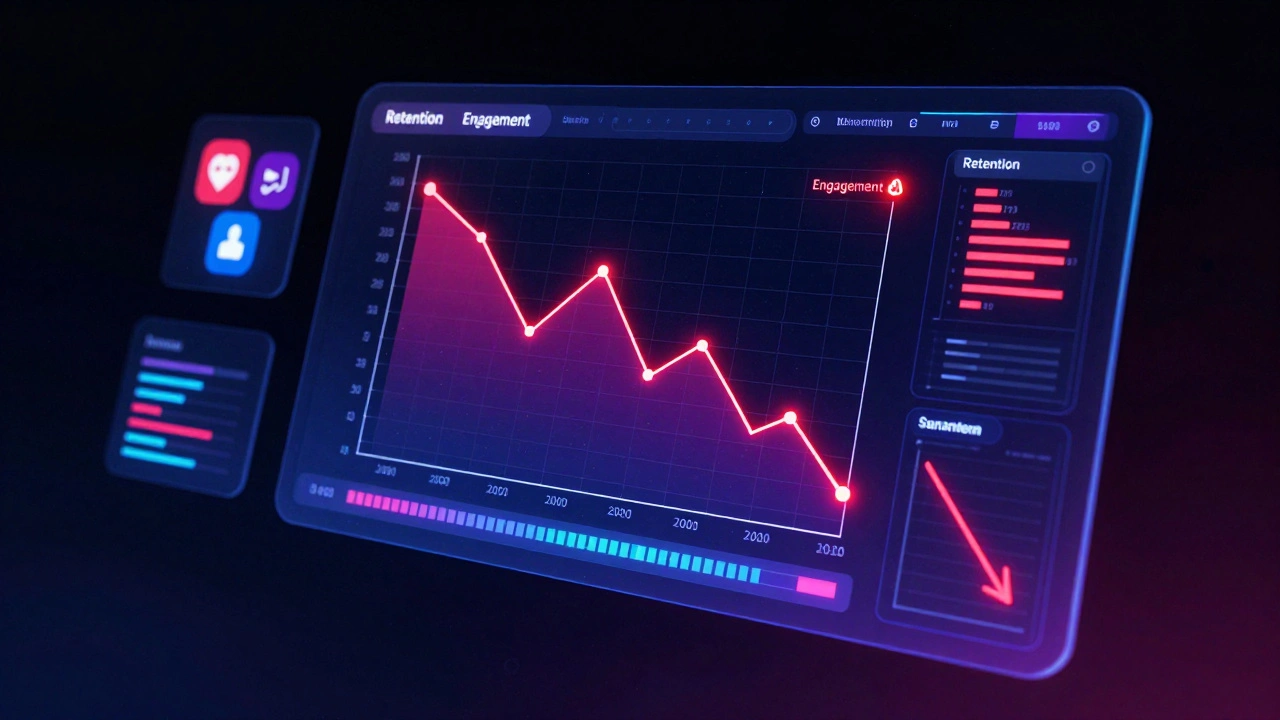
For decades, the film industry treated opening weekend box office returns as the ultimate scorecard. A massive debut meant a healthy franchise. But that metric is now misleading. Marketing budgets have inflated initial turnout, creating a false sense of security. The real test of audience engagement happens after the hype dies down. This is where we look at legs, which refers to how well a movie retains its audience over subsequent weeks.
A franchise with strong legs shows minimal drop-off between weekends. If a sequel drops by 60% in its second week, it means only fans who were already committed showed up. Casual viewers stayed home because they didn’t feel the pull. Look at the difference between a standalone hit and a tired sequel. The former often grows or stays flat, driven by word-of-mouth. The latter plummets because the core audience was finite and exhausted. You need to track the week-over-week retention rate to see if people are actually enjoying the story or just paying for the brand.
Social Sentiment vs. Volume
Social media buzz is noisy, but volume doesn’t equal enthusiasm. A million tweets about a movie can mean it’s amazing, terrible, or just confusing. To measure true fatigue, you need to analyze sentiment quality, not quantity. Tools like social listening software help distinguish between organic excitement and coordinated marketing noise.
Look for the ratio of positive to negative mentions in the first 48 hours after release. If the volume is high but the sentiment is mixed or negative, you have a problem. Audiences are quick to call out formulaic plots, character inconsistencies, or lackluster visuals. When fans start mocking a franchise online before it even hits theaters, that is a clear signal of pre-existing fatigue. Conversely, genuine fan theories and emotional reactions indicate deep engagement. You should also monitor user-generated content (UGC) rates. Are fans making memes, art, or videos? Or are they just sharing trailers because they have nothing better to do?
Streaming Engagement Patterns
Box office numbers only tell half the story. In 2026, streaming data provides a clearer picture of long-term interest. When a franchise title lands on platforms like Netflix, Disney+, or Amazon Prime, its performance reveals different insights. High completion rates suggest the content holds attention. Low completion rates, especially sharp drop-offs in the first hour, indicate that audiences clicked for the name but lost interest quickly.
Pay attention to rewatch value. Franchises with loyal followings get watched multiple times. Think about how many times you’ve rewatched a classic trilogy versus a recent cash-grab sequel. Rewatches drive algorithmic recommendations and keep the franchise visible. If a new entry sees zero repeat views, it lacks the emotional resonance needed to sustain a series. Additionally, track skip rates. If viewers consistently skip intros or recaps, they may be impatient or disengaged. These micro-behaviors are early warning signs of audience burnout.
Merchandise Sales as a Loyalty Indicator
Money talks, but not all money is equal. Ticket sales are one-time transactions. Merchandise sales reflect ongoing loyalty. When fans buy action figures, apparel, or collectibles, they are investing in the world beyond the screen. A decline in merchandise velocity-how fast items sell-is a red flag. It suggests that the cultural relevance of the franchise is fading.
Compare sales across different product categories. If toy sales remain steady but apparel drops, it might mean the core fanbase is aging out. Children buy toys; adults buy clothes. If you’re losing the adult demographic, your franchise is becoming niche. Also, look at secondary market prices. On platforms like eBay or StockX, rising resale values indicate scarcity and high demand. Falling prices suggest oversupply and low interest. This data gives you a real-time pulse on collector enthusiasm, which often leads broader consumer trends.
The Role of Critical Consensus
Critics don’t always align with general audiences, but their consensus matters for longevity. A franchise with consistently poor critical scores struggles to attract new viewers. Word-of-mouth from trusted sources helps expand the audience base. If every new installment receives lukewarm reviews, potential fans hesitate. They wonder if it’s worth their time and money.
Track the aggregate rating trend over multiple releases. A gradual decline in scores from major publications like Rotten Tomatoes or Metacritic signals creative stagnation. Audiences notice when quality slips. Even if they enjoy the spectacle, they remember the criticism. Over time, this erodes trust in the brand. You need to balance commercial appeal with artistic integrity to maintain credibility. Ignoring critical feedback can lead to a cycle of diminishing returns, where each sequel performs worse than the last.
Demographic Shifts and Audience Aging
Franchises don’t exist in a vacuum; they grow older alongside their fans. One of the biggest risks is failing to adapt to changing demographics. If your core audience ages without attracting younger viewers, the franchise will eventually dry up. You need to monitor age distribution data from ticketing systems and streaming platforms.
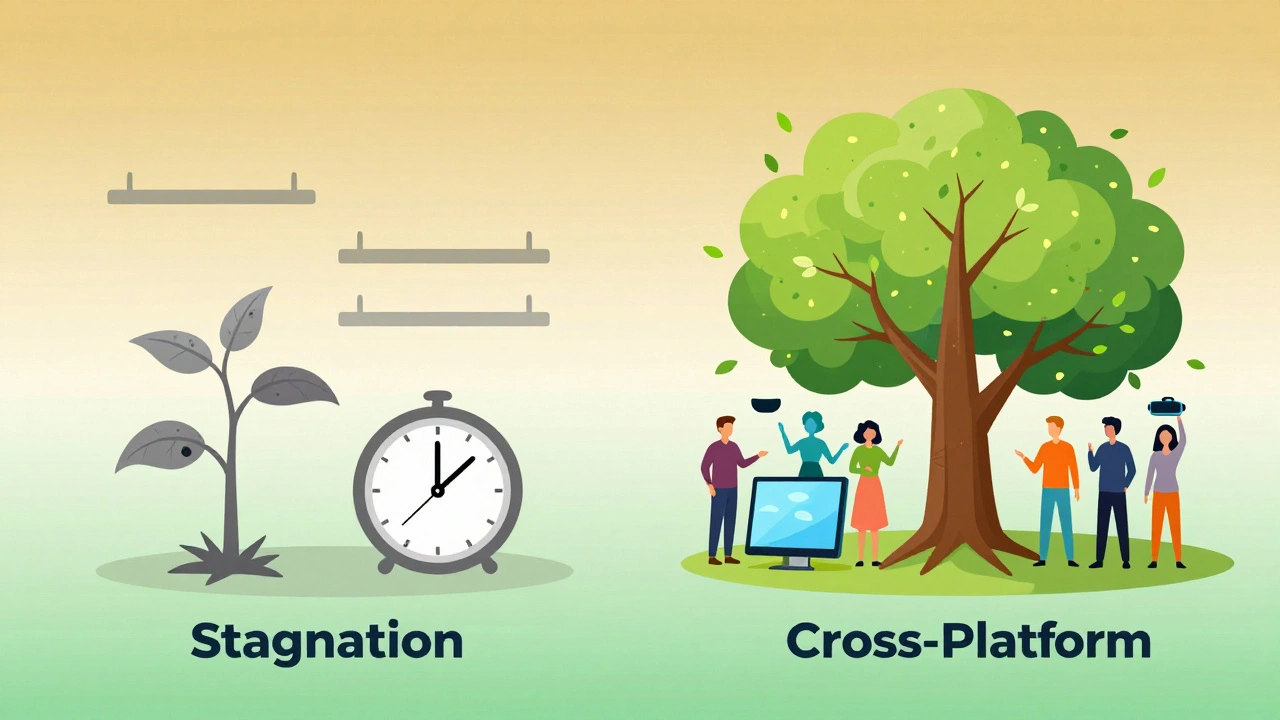
If the average viewer age increases by five years per sequel, you have a serious problem. Younger generations have different tastes and consumption habits. They prefer diverse characters, complex narratives, and authentic representation. If your franchise feels stuck in the past, it will lose relevance. Successful franchises reinvent themselves periodically. They introduce new protagonists, explore uncharted territories, or adopt fresh storytelling techniques. Stagnation is the enemy of growth. You must actively court new demographics while retaining existing fans.
| Metric | What It Measures | Warning Sign |
|---|---|---|
| Week-over-Week Retention | Audience stickiness after opening | Drop >50% in Week 2 |
| Sentiment Ratio | Quality of social media buzz | Negative > Positive mentions |
| Streaming Completion Rate | Content engagement depth | <70% completion rate |
| Merchandise Velocity | Ongoing brand loyalty | Sales decline YoY |
| Average Viewer Age | Demographic sustainability | Increase >5 years per sequel |
Proactive Strategies to Combat Fatigue
Identifying fatigue is only half the battle. You need actionable strategies to reverse the trend. First, prioritize story innovation. Audiences crave novelty within familiarity. Introduce unexpected twists, deeper character arcs, or interconnected universes that reward long-term investment. Second, leverage cross-platform storytelling. Expand the narrative through comics, games, or short-form video content. This keeps the universe alive between major releases.
Third, engage directly with your community. Listen to fan feedback and incorporate meaningful suggestions. Make them feel heard and valued. Finally, be willing to take risks. Sometimes, stepping away from the formula is necessary to reignite passion. Don’t let fear of failure dictate creative choices. Embrace change, stay authentic, and always put the audience experience first. By focusing on these metrics and strategies, you can build a franchise that thrives for decades, not just seasons.
How do I know if my franchise is experiencing audience fatigue?
Look for declining week-over-week box office retention, negative social sentiment despite high volume, low streaming completion rates, and dropping merchandise sales. If these metrics trend downward simultaneously, fatigue is likely setting in.
Why is streaming data more important than box office numbers?
Streaming data reflects long-term engagement and rewatch value, whereas box office numbers are heavily influenced by short-term marketing spikes. Completion rates and skip behaviors provide deeper insights into actual audience satisfaction.
Can merchandise sales predict future franchise success?
Yes, merchandise sales indicate ongoing loyalty and cultural relevance. Strong sales suggest fans are emotionally invested in the brand beyond just watching the films, which supports sustained interest in future projects.
What should studios do if they detect audience fatigue early?
Studios should innovate their storytelling, expand into cross-platform narratives, engage directly with fans, and consider introducing new characters or perspectives to refresh the franchise’s appeal.
Is critical acclaim necessary for a franchise to survive?
While not strictly necessary, consistent critical praise helps attract new audiences and builds long-term credibility. Poor reviews can deter casual viewers and accelerate fatigue among existing fans.