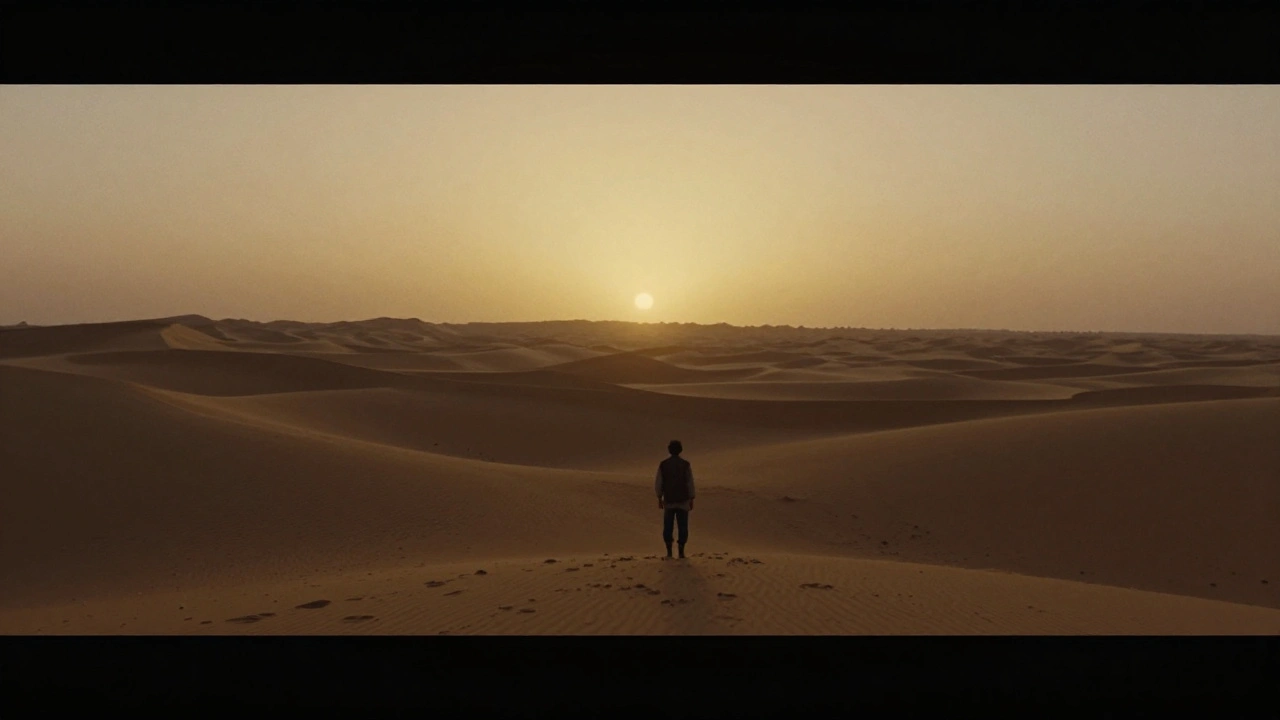
When you watch a movie, the shape of the screen isn’t just a technical detail-it’s part of the story. A wide, sweeping landscape in aspect ratios like 2.39:1 doesn’t just show more space; it makes you feel small, alone, or overwhelmed. A tight 1.33:1 frame in a 1950s drama traps characters in their own world, making every glance, every silence, feel heavier. The frame isn’t empty space-it’s a silent character in every scene.
Why Aspect Ratios Matter More Than You Think
Most people think aspect ratio is just about how wide or tall a movie looks. But it’s deeper than that. It’s about control. Directors and cinematographers choose a ratio to guide your eyes, control your emotions, and even hide information. A 16:9 TV screen might feel normal today, but in 1970, a film shot in 2.35:1 felt like a revelation-like you were being let into a secret world.
Take 2001: A Space Odyssey. Kubrick used 70mm film in 2.21:1 to make the spaceship look like a floating monument. The vastness of space wasn’t just shown-it was felt. In contrast, The Grand Budapest Hotel shifts between four different ratios as the story moves through time. The 1.37:1 frame for the 1930s scenes feels like an old postcard, cozy and artificial. The 2.35:1 scenes for the modern timeline feel cold, distant. The ratio isn’t a background choice-it’s a narrative device.
The Most Common Aspect Ratios and What They Do
There are five main aspect ratios you’ll see in theaters and on streaming platforms. Each one carries a different emotional weight.
- 1.33:1 (4:3) - The original film standard. Used in silent films and early talkies. Today, it’s often used to evoke nostalgia, claustrophobia, or intimacy. Think of The Pianist’s home scenes-walls closing in, no escape.
- 1.66:1 to 1.85:1 - The standard for modern American cinema. Balanced, neutral, and comfortable. Used in dramas like Manchester by the Sea to keep focus on faces and emotion without distraction.
- 2.39:1 (Cinemascope) - The epic standard. Used for action, sci-fi, westerns, and anything meant to feel grand. Mad Max: Fury Road uses it to stretch the desert endlessly. The frame becomes a canvas for motion, not just space.
- 1.78:1 (16:9) - The TV standard. Used in streaming originals like Stranger Things to feel familiar, but also to create tension when contrasted with wider cinematic shots.
- 2.76:1 (Ultra Panavision) - Rare, but unforgettable. Used in Ben-Hur (1959) and The Hateful Eight to make every frame feel like a painting. You don’t just watch these films-you stand in front of them.
These aren’t arbitrary choices. They’re tools. A 1.33:1 frame can make a character’s face fill the screen, forcing you to read every twitch of their eyes. A 2.39:1 frame can leave them tiny in the corner, surrounded by emptiness-making their loneliness louder than any line of dialogue.
How Directors Use Ratios to Control Emotion
Some directors use ratios like a composer uses dynamics-soft, then loud, then sudden silence. In Blade Runner 2049, Denis Villeneuve shoots most scenes in 2.39:1, but when Ryan Gosling’s character is alone in his apartment, the frame tightens to 1.78:1. The room feels smaller. The air feels heavier. The loneliness isn’t described-it’s built into the shape of the screen.
In 1917, Sam Mendes filmed the entire movie in a single continuous shot. But the frame stayed wide-2.39:1-to keep you constantly scanning the edges, wondering what’s coming next. You don’t just follow the soldiers-you’re trapped in the same uncertainty they are.
Even color grading and lighting can’t do what aspect ratio does: define the boundaries of the world you’re in. A 1.33:1 frame can turn a hallway into a prison. A 2.76:1 frame can turn a battlefield into a myth.
When Ratios Change Mid-Film
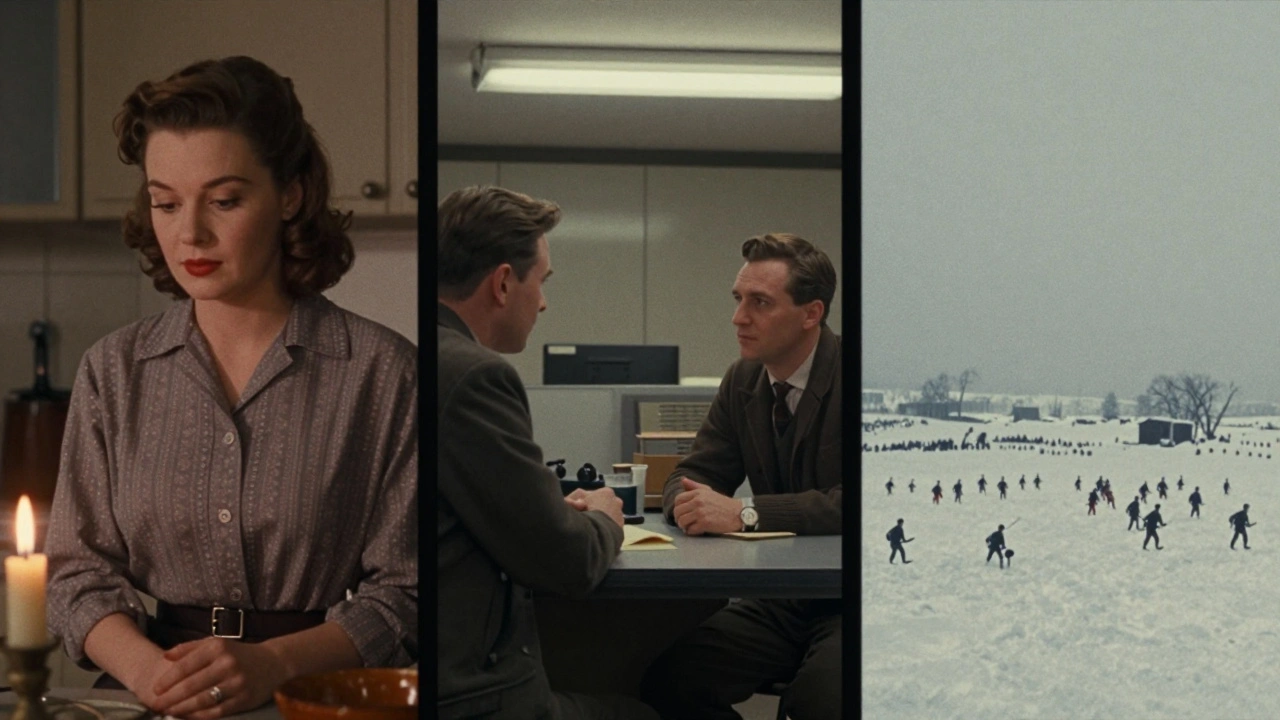
Changing aspect ratio during a movie isn’t a gimmick-it’s a signal. It tells the audience: something has shifted.
In The Revenant, the opening battle is shot in 2.39:1. When Hugh Glass is left alone in the wilderness, the frame tightens to 1.85:1. The world shrinks. The danger isn’t just out there-it’s inside the frame now.
In Her, Spike Jonze starts in 1.85:1, but when Theodore falls into his digital relationship with Samantha, the screen shifts to 1.33:1. The real world fades. The digital one takes over. The ratio doesn’t just change shape-it changes reality.
These aren’t random edits. They’re carefully timed emotional triggers. The audience doesn’t always notice the change consciously-but their bodies react. Their breathing slows. Their eyes search the edges. Their hearts tighten.
Streaming and the Death of the Frame
Today, most people watch movies on phones, tablets, and laptops. The screen is never the same size twice. And that’s a problem.
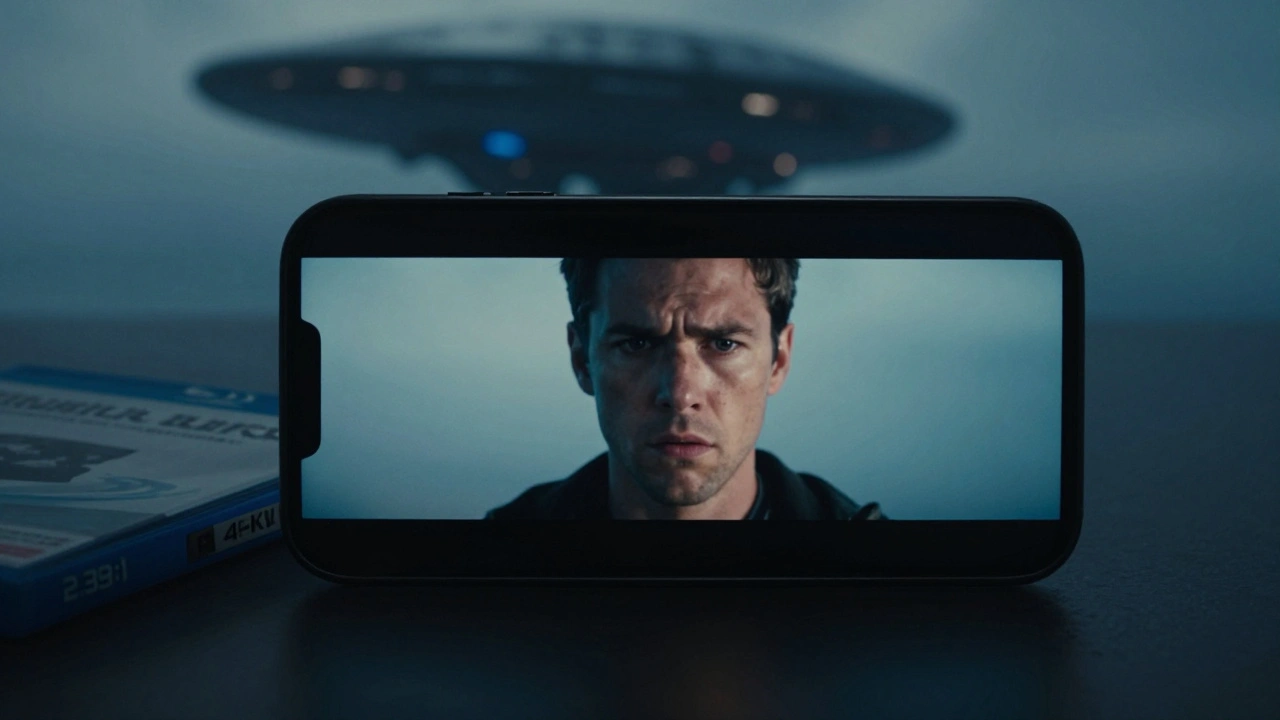
When a 2.39:1 film is shown on a 16:9 phone, black bars appear on the top and bottom. Some streaming services crop the sides to fill the screen. That means you’re missing part of the image. In Arrival, the alien ship is framed to feel massive and mysterious. Crop it, and you lose the sense of scale. The story breaks.
Netflix and Apple TV+ now offer “original aspect ratio” settings, but most viewers don’t know they exist. Studios know this. That’s why many new films are now shot in 1.85:1 or 1.78:1-ratios that fit better on phones. The art form is adapting to convenience.
But when you watch a film in its intended ratio, you’re not just watching a movie-you’re experiencing what the filmmaker intended. It’s like listening to a symphony through earbuds instead of a concert hall. The notes are the same, but the feeling is lost.
How to Watch Films the Way They Were Meant to Be Seen
If you care about visual storytelling, you need to watch films in their original aspect ratio. Here’s how:
- On Netflix, go to Settings > Playback Settings > Display Aspect Ratio and choose “Original Aspect Ratio.”
- On Apple TV+, check the playback menu-there’s a small icon that lets you toggle between “Fill Screen” and “Original Aspect.”
- On YouTube, click the gear icon and select “16:9” or “Original” if available.
- On Blu-ray or 4K UHD discs, the ratio is locked in. Always choose “Original” in your player settings.
- Use a TV or monitor with a 2.39:1 screen if you can. Some home theater projectors support it.
It’s not about being a purist. It’s about respect. The frame was chosen for a reason. Don’t let convenience erase the director’s vision.
What’s Next for Aspect Ratios?
Some filmmakers are pushing beyond traditional ratios. The Lighthouse used 1.19:1-an almost square frame-to create a feeling of suffocation. Oppenheimer used 70mm IMAX in 1.43:1 for its most intense scenes, making the screen feel like it was closing in on you.
As technology evolves, we might see more films shot in variable ratios, where the frame changes dynamically based on content. Imagine a scene where the ratio widens as a character steps into a new world. It’s not science fiction anymore-it’s a possibility.
For now, the rules are simple: the shape of the frame tells you how to feel. Wide means open. Tight means trapped. Old means memory. New means uncertainty. Pay attention to the edges. The story isn’t just in the actors’ faces-it’s in the space around them.
What is the most common aspect ratio in modern films?
The most common aspect ratio in modern films is 2.39:1, also known as Cinemascope. It’s used for epic stories, action films, and sci-fi because it creates a wide, immersive frame that emphasizes scale and movement. However, many streaming originals now use 1.78:1 (16:9) to better fit phone screens.
Why do some movies have black bars on my TV?
Black bars appear when a movie’s aspect ratio is wider than your screen. For example, a 2.39:1 film on a 16:9 TV will have black bars on the top and bottom. This is intentional-it preserves the full image. Cropping to fill the screen cuts off parts of the frame, often removing important visual details.
Can aspect ratio affect how I feel during a movie?
Yes. A narrow frame like 1.33:1 can feel claustrophobic and intimate, while a wide frame like 2.76:1 can make you feel small or overwhelmed. Directors use this to control emotion without dialogue. A tight frame can make a character’s fear louder than their scream.
Do all films shot in IMAX use the same aspect ratio?
No. IMAX films can use different ratios depending on the camera and format. Traditional IMAX uses 1.43:1 for the full screen experience, while digital IMAX often uses 1.90:1. Some films, like Oppenheimer, use 1.43:1 only for key scenes, switching to 2.39:1 for the rest. The ratio change is part of the storytelling.
Should I always watch movies in their original aspect ratio?
If you want to experience the film as the director intended, yes. Cropping or stretching the image removes visual information that was carefully composed. Watching a 2.39:1 film in 16:9 without black bars means you’re missing up to 25% of the frame. That’s not just a technical issue-it’s a storytelling loss.
Next time you watch a film, pause before it starts. Look at the shape of the frame. Ask yourself: why this shape? What is it hiding? What is it revealing? The answer isn’t in the plot-it’s in the edges.


Comments(10)