Directors Returning to Independent Cinema After Studio Runs

Joel Chanca - 8 Jan, 2026

After years of chasing big budgets, studio mandates, and franchise deadlines, a growing number of directors are walking away from Hollywood’s machine-and back into the quiet, messy, beautiful world of independent cinema. It’s not a retreat. It’s a return to why they started.

Why They Left

Many of these directors didn’t leave indie film because they wanted to. They left because they were offered something that looked impossible to refuse: a $100 million budget, a global release, a star-studded cast. For a while, it felt like validation. Then came the notes. The test screenings. The reshoots. The studio executives who didn’t know the difference between a close-up and a tracking shot but insisted on changing the ending.

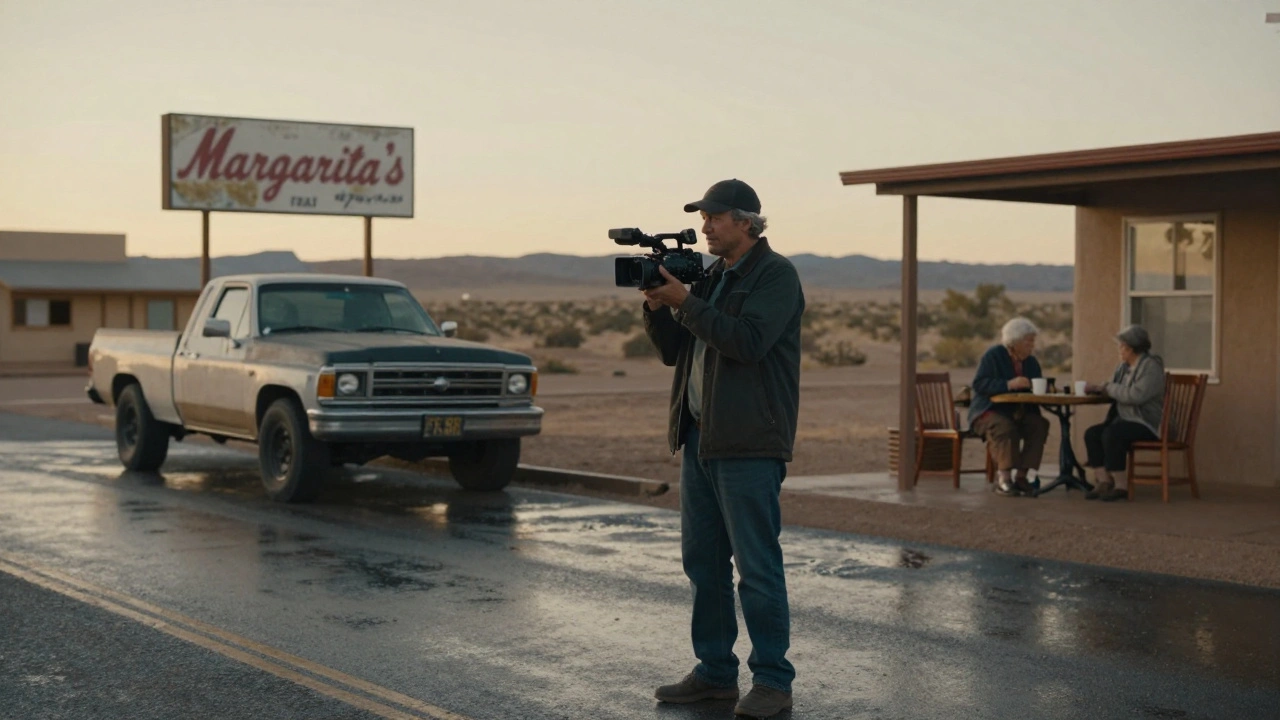
Take Ava Ruiz. She won an Oscar for her debut feature, a low-budget drama shot on 16mm in rural Texas. Three years later, she directed a superhero sequel for a major studio. The studio cut 47 minutes of her film. They replaced her original score. They added a post-credits scene she didn’t write. She walked off the set before the premiere. Her next project? A $1.2 million film about a widow running a roadside diner in New Mexico. No VFX. No studio notes. Just her, a small crew, and a camera.

It’s a pattern. Directors like David K. Tran, who helmed a critically panned but commercially successful fantasy epic, now spends his time mentoring film students in Ohio while shooting short films on weekends. His last feature, Still Water, was funded through a Kickstarter campaign that raised $89,000. He paid his cast in meals and credits.

What They Found Back Home

Independent cinema doesn’t pay like a studio gig. But it gives back something studios can’t: control. Creative freedom. The ability to shoot on a rainy Tuesday because the light felt right. The freedom to let a scene breathe for three minutes without cutting to a commercial break.

The tools have changed, too. Modern digital cameras like the Sony FX6 and Blackmagic Pocket Cinema 6K can capture cinematic quality for under $5,000. Editing software like DaVinci Resolve is free. Distribution platforms like MUBI, Vimeo On Demand, and even YouTube allow filmmakers to reach audiences without a studio deal. You don’t need a red carpet premiere anymore-you need a good trailer and a mailing list.

In 2024, indie films made up 18% of all U.S. box office revenue, up from 9% in 2019. That’s not because of blockbusters. It’s because audiences are hungry for stories that feel real. Films like The Quiet Hour, Where the River Bends, and Every Day in Between all came from directors who once worked on tentpole films. They didn’t lose their skills. They just stopped letting someone else dictate how to use them.

The New Indie Ecosystem

The indie film world isn’t what it was in the 1990s. There’s no Sundance frenzy. No Miramax bidding wars. But there’s something more sustainable: a network of small theaters, film collectives, and online communities that actually care about the work.

Film festivals still matter-but not the big ones. Festivals like the Nashville Film Festival, the New Orleans Film Festival, and the Slamdance Film Festival have become the new launchpads. They don’t pay much, but they connect filmmakers with distributors who understand their vision. One director told me his film, shot in a single month with a $70,000 budget, got picked up by a distributor in Canada after playing at a festival in rural Vermont.

Crowdfunding isn’t just for survival anymore. It’s a way to build an audience before the film even exists. Directors now post behind-the-scenes reels on Instagram. They host live Q&As. They send handwritten thank-you notes to backers. That personal connection turns viewers into advocates.

And it’s working. In 2025, five films that started as Kickstarter campaigns grossed over $10 million each in global sales. Not because they had A-list stars. But because they had soul.
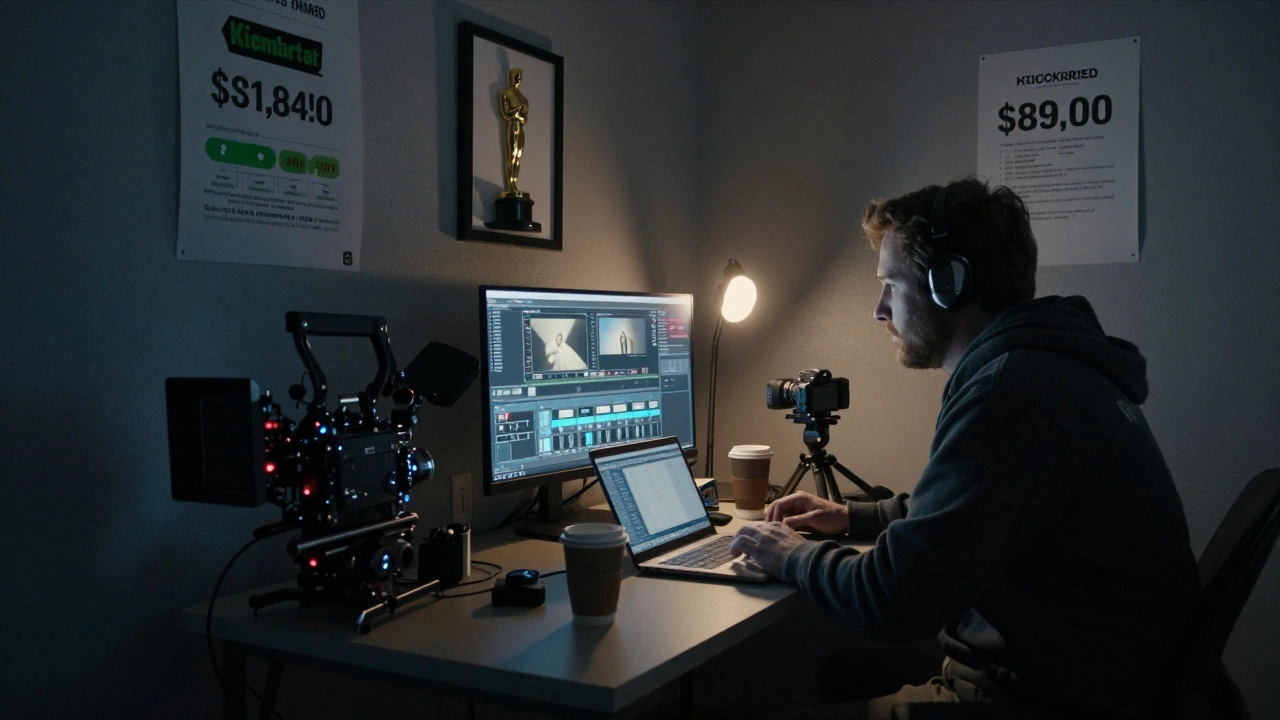
A filmmaker reviews footage in a cluttered garage, laptop glowing with editing software and a Kickstarter campaign on the wall.

The Cost of Going Back

This isn’t a romantic fairy tale. Returning to indie film means financial risk. Many directors take second jobs. Some sell their homes. Others move back in with their parents. One director I spoke with, who used to make $2 million per studio film, now works as a freelance cinematographer for commercials to fund his next project.

There’s also the emotional toll. Friends who stayed in the studio system ask why they’re “wasting their talent.” Family members worry they’ll never afford retirement. The industry doesn’t celebrate their return. There’s no press release. No Vanity Fair profile. Just a quiet Instagram post saying, “New film starts shooting next week.”

But for many, that’s the point.

Who’s Doing It Right Now

Here are a few directors who made the jump in the last two years:

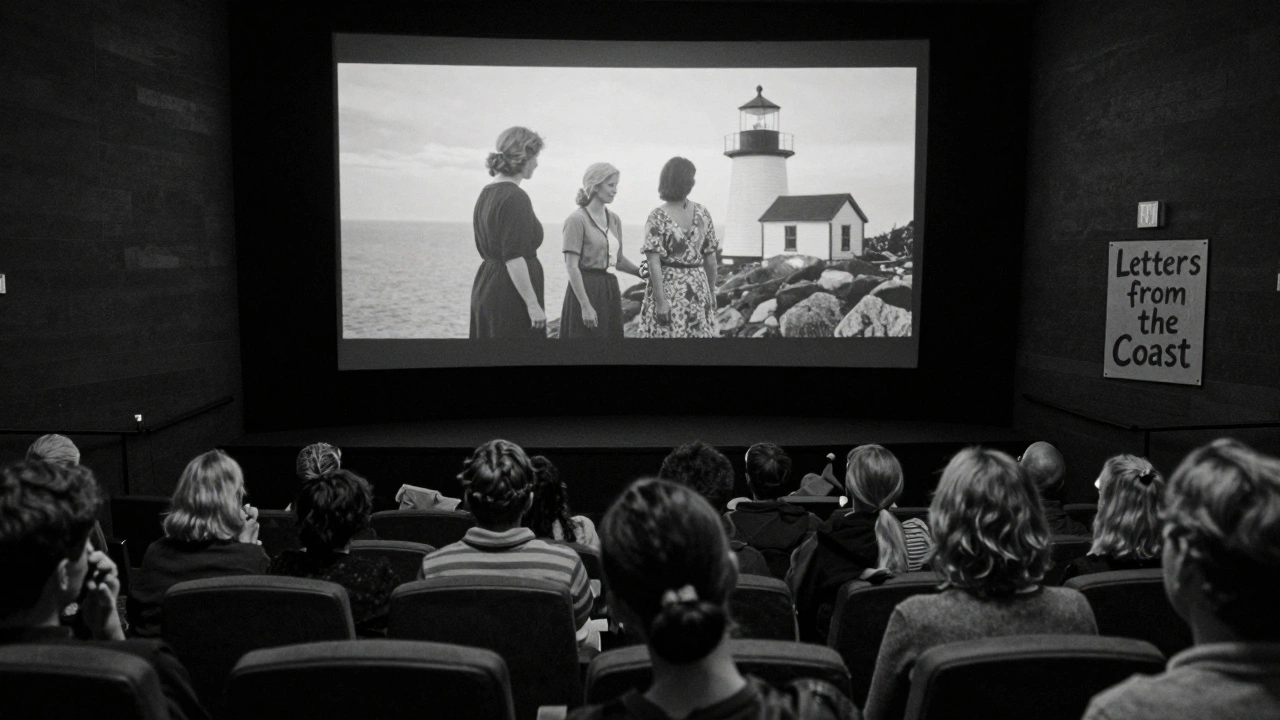
  • Maya Lin-After directing two Marvel films, she made Letters from the Coast, a quiet drama about three generations of women rebuilding a lighthouse. Shot in Maine with local actors. Won Best Picture at the Santa Barbara Film Festival.
  • Rafael Cho-Left a $50 million sci-fi sequel after a creative dispute. Now runs a film school in Detroit and just finished Midnight Shift, a noir thriller shot in one night with a borrowed camera.
  • Elena Vasquez-After a string of studio rom-coms, she made The Last Grocery, a documentary-style film about a family-owned market in Chicago closing after 72 years. Funded by community donations. Played in 147 theaters across the U.S. without a marketing budget.
These aren’t outliers. They’re part of a quiet wave. A movement not led by studios, but by filmmakers who remembered why they fell in love with cinema in the first place.

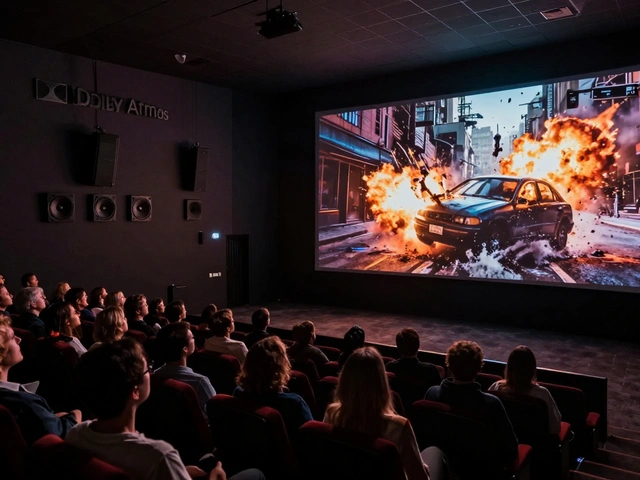
An audience watches a silent lighthouse film in a small Vermont theater, tears glistening in the screen's glow.

What This Means for Audiences

If you’re tired of the same formulas-if you miss stories that surprise you, that linger after the credits roll-this is your moment. The films you’ve been waiting for are being made. They just aren’t on the big screens you expect.

You have to look harder. Subscribe to indie film newsletters. Follow directors on social media. Support local theaters that screen niche films. Watch on platforms that pay creators directly.

These directors aren’t asking for your pity. They’re asking for your attention.

The Future Is Small

The next great American film won’t come from a studio lot. It’ll come from a garage in Ohio. A basement in Portland. A rented apartment in New Orleans. It’ll be shot on a camera bought with a credit card. Edited on a laptop during naptime. Scored by a friend who plays the accordion.

And it’ll be better for it.

The studio system will keep churning out sequels and reboots. That’s their business. But the soul of cinema? That’s back where it belongs-with the storytellers who still believe in the power of a single frame.

Why are directors leaving big studios for indie films?

Many directors leave studios because they lose creative control. Studio executives often demand reshoots, cut key scenes, change endings, or add forced marketing elements like post-credits scenes. Independent cinema lets them make films their way-with full control over script, casting, editing, and final cut.

Can indie films still make money today?

Yes. In 2024, indie films accounted for 18% of U.S. box office revenue, up from 9% in 2019. Films like The Quiet Hour and Every Day in Between grossed over $10 million each with budgets under $2 million. Crowdfunding, direct-to-audience platforms, and niche festival distribution make profitability possible without studio backing.

What tools make indie filmmaking easier now?

Modern digital cameras like the Sony FX6 and Blackmagic Pocket Cinema 6K deliver cinema-quality images for under $5,000. Free editing software like DaVinci Resolve handles color grading and VFX. Platforms like MUBI, Vimeo On Demand, and YouTube allow filmmakers to distribute directly to audiences without a studio deal.

Are film festivals still relevant for indie directors?

Yes-but not the big ones. Festivals like Slamdance, Nashville, and New Orleans Film Festival are now more valuable than Sundance for emerging indie filmmakers. They offer real distribution opportunities, community connections, and press attention without the pressure of studio bidding wars.

How do indie directors fund their projects today?

Most use crowdfunding platforms like Kickstarter and Indiegogo, often raising funds from fans and local communities. Some partner with regional arts councils, film grants, or private investors who believe in their vision. A few even sell personal assets or take side jobs to cover costs.

Comments(6)

Alan Dillon

Alan Dillon

January 10, 2026 at 04:25

Let’s be real-this whole ‘return to indie’ narrative is just a fancy way of saying they couldn’t cut it in the real movie business. Hollywood doesn’t care about your ‘artistic vision’ because art doesn’t pay rent. These directors got handed the keys to a Ferrari and then whined when they had to follow the map. Now they’re back pedaling on a bicycle with a broken chain, calling it ‘authentic.’ Sorry, but if your ‘vision’ only survives without a budget, it wasn’t vision-it was vanity. The fact that you’re proud of shooting a film in a garage with a borrowed camera? That’s not rebellion, that’s desperation dressed up as poetry. And don’t get me started on the ‘crowdfunding is empowerment’ fairy tale. You’re not building community-you’re begging strangers to fund your ego trip while you sip artisanal coffee in your $300 hoodie.

Meanwhile, the studios are still making $2 billion movies that 300 million people actually watch. Your ‘soul’ doesn’t mean shit when no one shows up. The truth? You left because you were afraid to fail at scale. Now you’re hiding behind ‘real cinema’ like it’s a safety blanket. Wake up. The world doesn’t need more films shot on a $5,000 camera with 12 takes of a woman staring out a window. It needs stories that move millions-not just the 300 people who follow you on Instagram.

And don’t even start with ‘they’re making more money now.’ Yeah, five films made $10M? That’s 0.0001% of what the MCU made last year. You’re not changing the game. You’re just playing a different board where the stakes are lower and the applause is quieter. That’s not a movement. That’s a surrender with better lighting.

Genevieve Johnson

Genevieve Johnson

January 11, 2026 at 04:40

YAS QUEEN 🌟✨

Finally. Someone said it. Hollywood turned cinema into a McDonald’s menu-same burger, different sauce. These directors? They didn’t quit. They escaped. And now they’re making films that actually make you FEEL something instead of just scrolling through your phone during the climax. I watched The Last Grocery last night and cried so hard my cat left the room. No explosions. No CGI. Just a woman wiping down a counter like it was sacred. THAT’S art. That’s humanity. The studios? They’re making sequels to movies that don’t even exist anymore. Meanwhile, Elena Vasquez? She didn’t need a studio. She needed a heart. And she had one.

Support local theaters. Buy a ticket. Watch it on MUBI. Don’t wait for Netflix to ‘recommend’ it. Be the reason these films survive. We don’t need more superheroes. We need more stories about people who just… live. And honestly? I’d rather spend $12 on a film that stays with me than $25 on one that makes me forget my own name by the time I get to the parking lot. 🎥💖

Curtis Steger

Curtis Steger

January 11, 2026 at 16:27

They say it’s about ‘creative freedom’ but let’s cut through the BS. This isn’t a movement-it’s a Marxist infiltration of the arts. You think these indie filmmakers are just ‘following their passion’? No. They’re being funded by Soros-backed NGOs, left-wing film grants, and state arts councils that want to erase the commercial film industry entirely. They don’t want to make better movies-they want to destroy the system that made them rich. And now they’re pretending they’re martyrs while living off their parents’ equity and selling ‘handwritten thank you notes’ like they’re saints.

And don’t tell me about ‘the people’ supporting them. Who are these ‘people’? College kids with student loans and parents who still pay their rent? The ‘community’ they talk about? It’s just a network of professors, critics, and film school grads who all vote for the same party and think a shaky cam and a sad violin equals genius.

Meanwhile, the real cinema-the one that unites people across borders, cultures, and ideologies-is still being made in Burbank. But you won’t hear about that because your ‘truth’ only exists in echo chambers with titles like ‘The Quiet Hour’ and ‘Where the River Bends.’ Sounds like poetry. Doesn’t sound like a movie. And that’s the point. They don’t want to entertain. They want to preach. And if you don’t agree? You’re a ‘studio drone.’ Nice.

Kate Polley

Kate Polley

January 12, 2026 at 07:21

Oh my gosh, I just cried reading this. 💕😭

Alan, I know you’re scared of change, but this isn’t about ‘losing’-it’s about remembering. These directors didn’t give up. They woke up. And guess what? The world is waking up too. More people are craving real stories. Real faces. Real emotions. Not CGI dragons and recycled plotlines.

I’m a mom of two, work two jobs, and still managed to watch three indie films last month. One was shot in a laundromat. Another had a 72-year-old woman playing the lead because the director found her at the grocery store. That’s magic. That’s cinema. And yes, it’s harder. Yes, it’s messy. But it’s alive.

If you want to make a billion dollars, go make another superhero movie. But if you want to make something that lasts? Go support these artists. Buy a ticket. Share their trailer. Send them a DM saying ‘I saw your film and it changed my week.’ That’s how you win. Not with box office numbers-with heart. And honey, we’re all ready for that. 🌱🎬

Derek Kim

Derek Kim

January 12, 2026 at 14:51

Look, I’ve been in this game since the days of Super 8 and VHS rentals, and I’ve seen every cycle come and go. The 90s had Sundance, then Miramax ate it. The 2000s had digital, then Netflix ate that. Now we’ve got TikTok edits and Kickstarter campaigns. But here’s the kicker-none of it matters if the story’s hollow.

These directors? They’re not heroes. They’re survivors. And yeah, the tools are cheaper, the platforms are everywhere, and the ‘audience’ is fragmented into 12,000 niche subreddits. But here’s the truth nobody wants to say: the real revolution isn’t the camera or the crowdfunding. It’s the fact that for the first time, someone in rural Ohio can make a film about their aunt’s diner and have someone in Tokyo watch it and say, ‘That’s my grandma.’

That’s not indie. That’s human. And yeah, the studios will keep churning out their plastic junk. But the soul? It’s not in the budget. It’s in the silence between the lines. And someone’s finally learning how to listen again.

Also, if you think ‘The Quiet Hour’ is just ‘a woman staring out a window,’ you’ve never stared out a window long enough to hear your own thoughts. And that’s the problem, mate.

Sushree Ghosh

Sushree Ghosh

January 14, 2026 at 12:47

There is a deeper metaphysical truth here, one that transcends the materialist framework of cinema as commodity. The director’s return to indie film is not a rejection of capitalism, but a transcendence of its epistemological prison. The studio system, by its very structure, imposes a Cartesian split between the artist and the artifact-reducing creation to a function of profit, a quantifiable output in a market of simulated desires.

Meanwhile, the indie filmmaker, through the act of shooting on a borrowed camera with a $70k budget, performs a phenomenological reclamation of the cinematic gaze. The single frame, unmediated by studio notes, becomes a sacred vessel of Being. The silence between dialogue? That is not emptiness-it is the void from which authenticity emerges. The widow at the diner? She is not a character. She is an archetype of resilience, a Dasein confronting the banality of existence through the ritual of pouring coffee.

And yet, the audience still seeks catharsis in spectacle. They want the ‘soul’ but demand it in 140-character trailers. This is the tragic irony: we long for authenticity, yet we consume it as aesthetic. The director returns-not to make art, but to remind us that art was never the product. It was the process. The trembling hand. The missed meal. The unpaid rent. The quiet Instagram post. That is the true cinema. The rest? Just noise in the machine.

So ask yourself: are you watching a film… or are you witnessing a soul reclaim its breath?

Write a comment