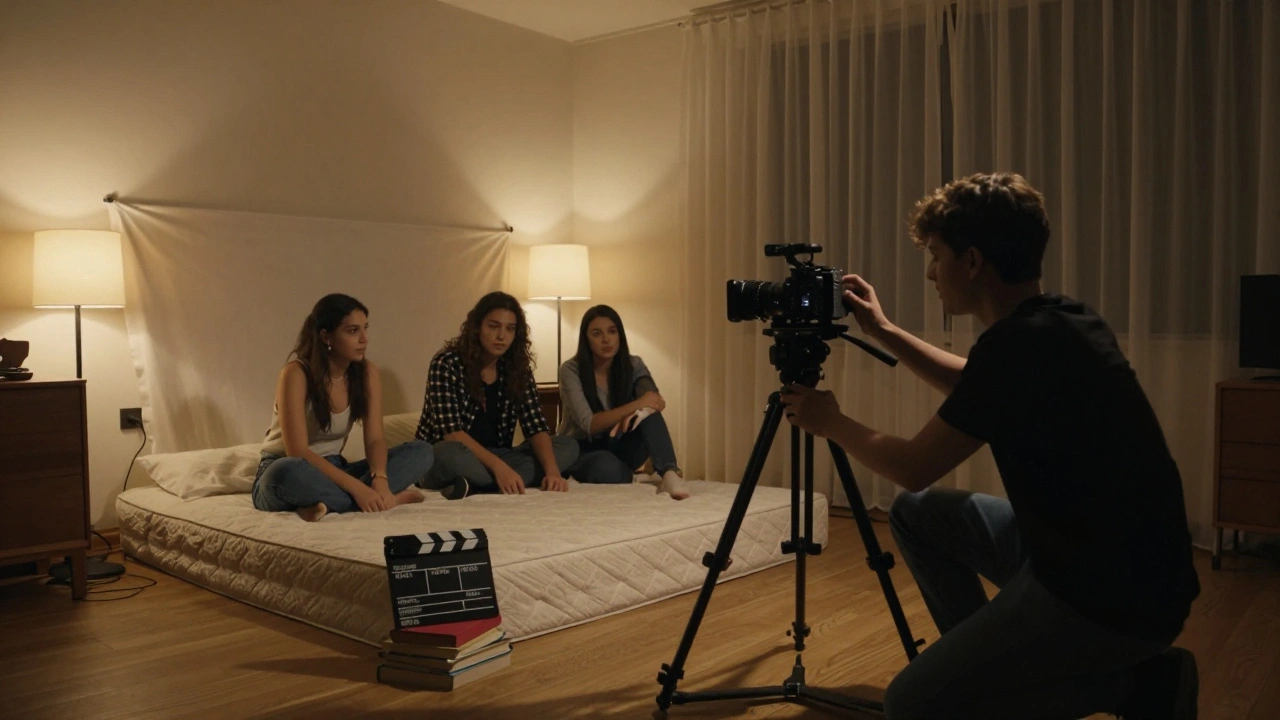
Most directors don’t land their first feature film out of nowhere. They didn’t win a lottery, get discovered at a coffee shop, or send a script to a studio and get a call the next day. The real path is slower, messier, and far more deliberate. It starts with a 5-minute short. Then another. Then a 20-minute one. And slowly, over years, those tiny films become the stepping stones to something bigger.
Short Films Are the Training Ground
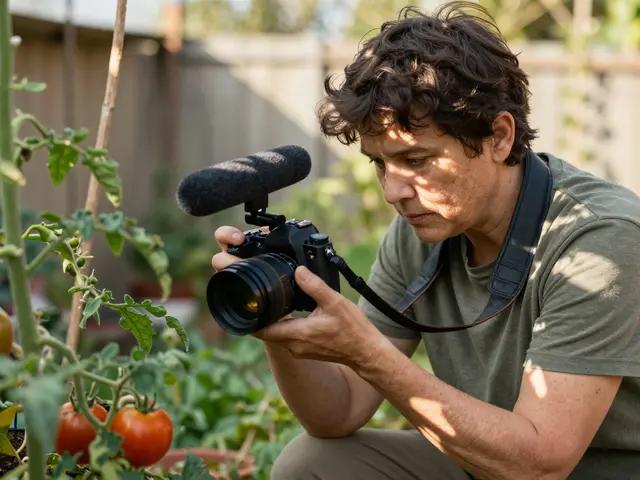
Think of a short film like a pilot episode for your directorial voice. You don’t have a big budget, a crew of 50, or a studio breathing down your neck. You have a camera, a few friends, a location you can borrow, and maybe $200. That’s it. But in that limitation, you learn what matters.
How do you tell a story in under 10 minutes? How do you get an emotional punch without dialogue? How do you work with actors who aren’t professionals but still need to deliver? These aren’t theoretical questions-you figure them out on set, in the dark, after the tenth take, when the light’s fading and everyone’s hungry.
Directors like Damien Chazelle, Greta Gerwig, and Ryan Coogler all made shorts before their breakout features. Chazelle’s Whiplash started as a 10-minute short he shot in his apartment. Gerwig’s Francis Ha was preceded by dozens of micro-budget films made with her indie circle. These weren’t just practice-they were proof of concept. Studios don’t hire directors because they’re nice or have good ideas. They hire them because they’ve already shown they can deliver.
The Hidden Skills You Learn Only on Set
What you don’t learn in film school is how to manage a crew when the generator dies. Or how to rewrite a scene on the fly because the actor can’t hit their mark. Or how to keep morale up when you’ve been shooting for 16 hours straight and the rain won’t stop.
Short films force you to wear every hat. You’re the director, the producer, the editor, sometimes even the caterer. You learn to negotiate with landlords for location access. You learn to fix a broken mic with duct tape and a phone charger. You learn to say no to a shot that looks cool but kills the pacing.
These aren’t glamorous skills. But they’re the ones that separate someone who can shoot a pretty scene from someone who can make a whole movie work under pressure. Feature film producers don’t care if you’ve seen every Kubrick film. They care if you’ve held a shoot together when everything went wrong-and still got the footage.
Building a Body of Work, Not Just a Portfolio
A portfolio is a folder of links. A body of work is a trail of decisions that show growth. One short film is a fluke. Three short films, made over three years, with clear progression in storytelling, cinematography, and performance direction? That’s a career.
Look at the trajectory of Ava DuVernay. She made her first short in 2006. By 2010, she had five under her belt, each more polished than the last. In 2012, she directed Middle of Nowhere, which won the Best Director award at Sundance. That didn’t happen because someone saw one short and got excited. It happened because she showed up, year after year, getting better.
Don’t chase viral hits. Chase consistency. Make a short every year. Try a new genre. Work with a different cinematographer. Push yourself to use natural light instead of studio lamps. Let your style evolve. The industry doesn’t notice one great short. It notices a director who keeps making them.
Festival Circuits Are Your Resume
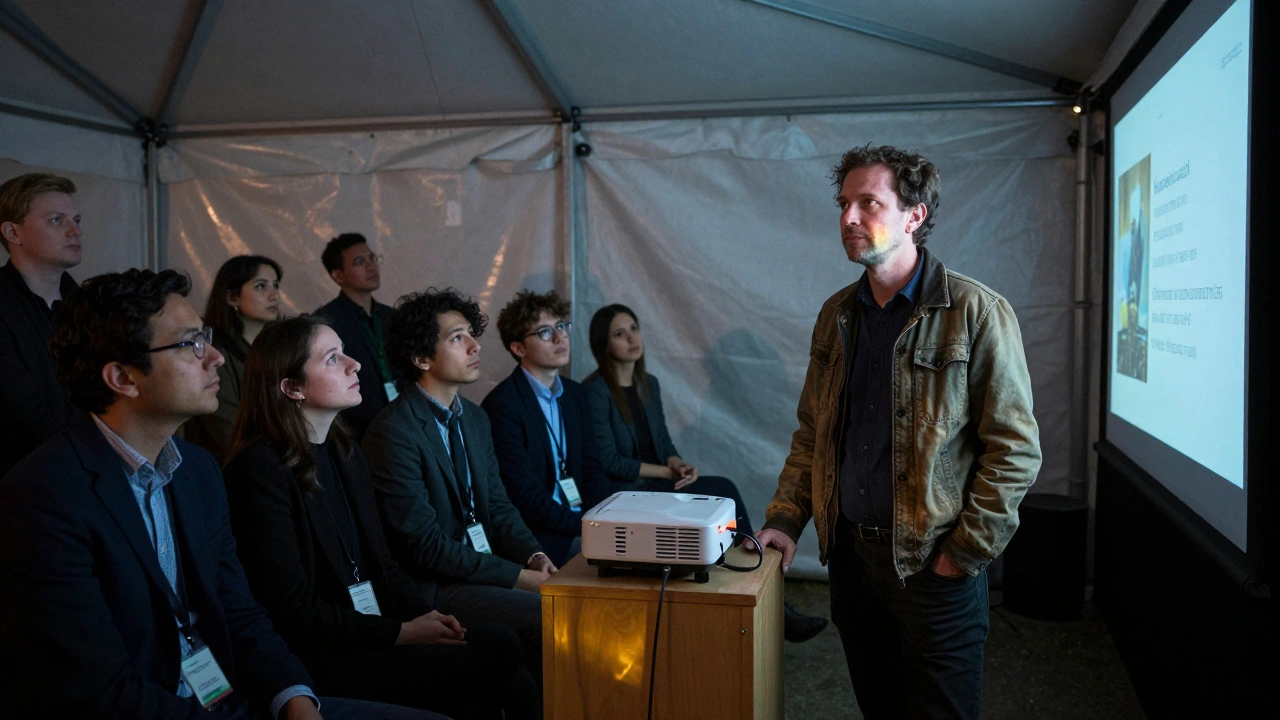
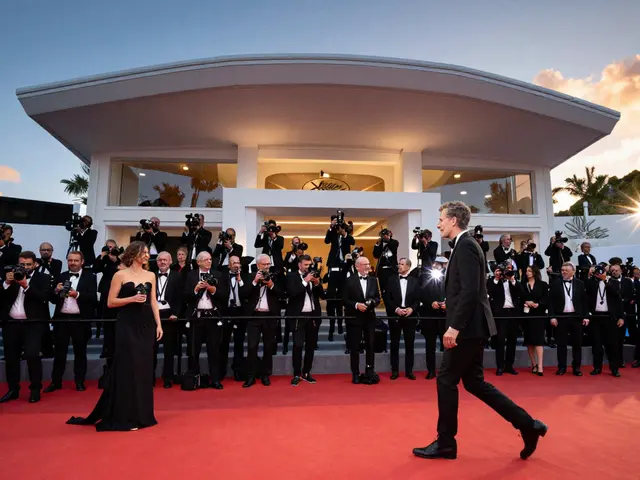
If you make a short film and nobody sees it, it doesn’t exist. That’s the harsh truth. Film festivals aren’t just about awards-they’re about visibility, connections, and credibility.
Sundance, Tribeca, Clermont-Ferrand, and SXSW aren’t just parties. They’re hiring halls. Producers, studio executives, and agents walk those halls looking for talent. They’re not looking for the flashiest effects. They’re looking for directors who can handle emotion, control tone, and bring out performances.
Getting into a major festival doesn’t guarantee a feature deal. But it gets your name on a list. It gets your short watched by someone who works at A24, Netflix, or Universal. And that one person might be the one who says, “I remember that short. Let’s talk.”
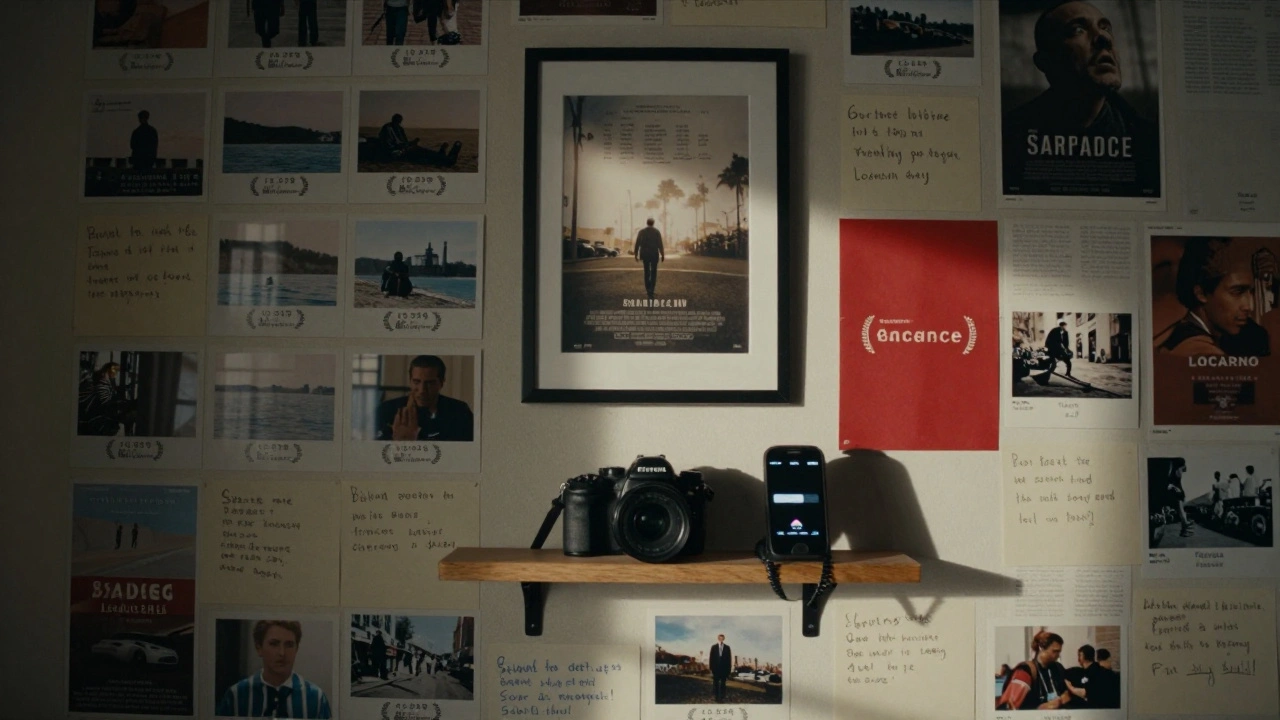
Even smaller festivals matter. A short that screens at Locarno or Rotterdam might not get you a million views, but it gets you into the right circles. People who run indie film funds and grants are watching those screenings. They’re looking for the next voice.
From Short to Feature: The Bridge
There’s no magic formula. But there’s a pattern. Most directors make the leap when they’ve built enough trust to get real money.
That usually happens in one of three ways:
- You’ve made a short that got attention, and a producer comes to you with a script they want you to direct.
- You write your own feature script and use your short as proof you can execute it.
- You direct a low-budget feature (under $500K) as a proving ground-often funded through crowdfunding, grants, or private investors.
Many directors skip straight to features without the short film phase-and most fail. Why? Because they haven’t learned how to lead. They don’t know how to handle a 12-hour day with 30 crew members. They panic when an actor doesn’t deliver. They can’t make tough calls under pressure.
Short films are the rehearsal. Features are the live performance. You don’t walk on stage without rehearsing.
What Gets You the Gig
Here’s what studios actually look for when they’re hiring a first-time feature director:
- Consistency in vision-your shorts feel like they’re from the same person.
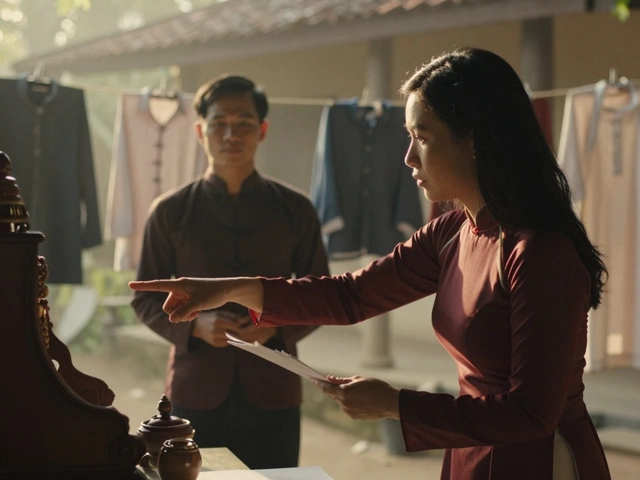
- Strong actor direction-performances feel real, not staged.
- Efficiency-can you get the shot in 3 takes or less?
- Problem-solving-do you adapt when things break?
- Professionalism-do you show up on time? Do you respect the crew?
It’s not about your Instagram following. It’s not about who you know. It’s about what you’ve proven you can do.
One director I know made a 12-minute short about a man waiting for a bus that never comes. It won a regional award. A producer saw it, liked the quiet tension, and asked if he wanted to direct a $1.2M indie drama about a man waiting for a daughter who never calls. He got the job. Why? Because he showed he could make silence feel heavy.
Don’t Wait for Permission
You don’t need a degree. You don’t need connections. You don’t even need a camera. Most smartphones today can shoot 4K video. Free editing software like DaVinci Resolve is powerful enough to handle a feature. The tools are there. What’s missing is the discipline.
Start now. Shoot something this weekend. Not for YouTube. Not for likes. Shoot it because you have a story you need to tell. Make it ugly. Make it messy. Make it yours.
Then make another. And another.
Three years from now, you won’t be asking how to get your first feature. You’ll be getting calls because you’ve already done it-just on a smaller scale.
The path isn’t glamorous. But it’s real. And it’s open to anyone willing to show up, again and again, with a camera in hand.
Do I need to go to film school to become a director?
No. Many successful directors never attended film school. What matters is what you’ve made, not where you studied. Film school can help you learn technical skills and build connections, but you can learn those on your own-through online courses, hands-on practice, and working on other people’s sets. The real education happens when you’re holding the clapperboard and making decisions under pressure.
How long should my first short film be?
Aim for 5 to 15 minutes. Anything longer than 20 minutes becomes harder to get into festivals and harder for people to watch. Shorter than 3 minutes often doesn’t give you enough room to develop a character or theme. The sweet spot is long enough to show your voice, but short enough to keep attention. Think of it as a trailer for your talent, not a full movie.
Can I make a feature film without making shorts first?
Yes-but it’s much harder. Most studios and investors want proof you can manage a project from start to finish. Shorts give you that proof. Without them, you’re asking someone to bet on your idea, not your ability. There are exceptions, like first-time screenwriters who sell scripts and get attached as directors, but those are rare. For most, shorts are the necessary training wheels.
What’s the best way to fund a short film?
Start with what you have. Use friends as crew. Shoot in places you can access for free. Use natural light. Borrow gear. Crowdfunding platforms like Kickstarter and Seed&Spark work well for micro-budget films, especially if you’ve built an audience through social media or previous shorts. Grants from local arts councils or film organizations can also help-many offer small awards specifically for emerging directors.
How many short films should I make before trying a feature?
There’s no magic number, but three to five is a common range. What matters more than quantity is progression. Each short should show improvement in storytelling, technical execution, and direction. One great short with strong performances and clear vision can be enough if it gets attention. But most directors need multiple projects to build credibility, refine their style, and attract the right people.
Next Steps for Aspiring Directors
If you’re serious about directing features, here’s what to do next:
- Write a 10-minute script this week. Don’t overthink it. Just tell one small, clear story.
- Recruit three people you trust-a cinematographer, a sound recordist, and one actor. Don’t pay them. Just ask them to help you make something real.
- Shoot it in one weekend. Use your phone if you have to.
- Edit it yourself using free software.
- Submit it to one local or online festival.
That’s it. You’ve started the path. Now repeat it. And again. And again.
The feature film isn’t the goal. The director is. And you become that director by doing, not dreaming.


Comments(7)