
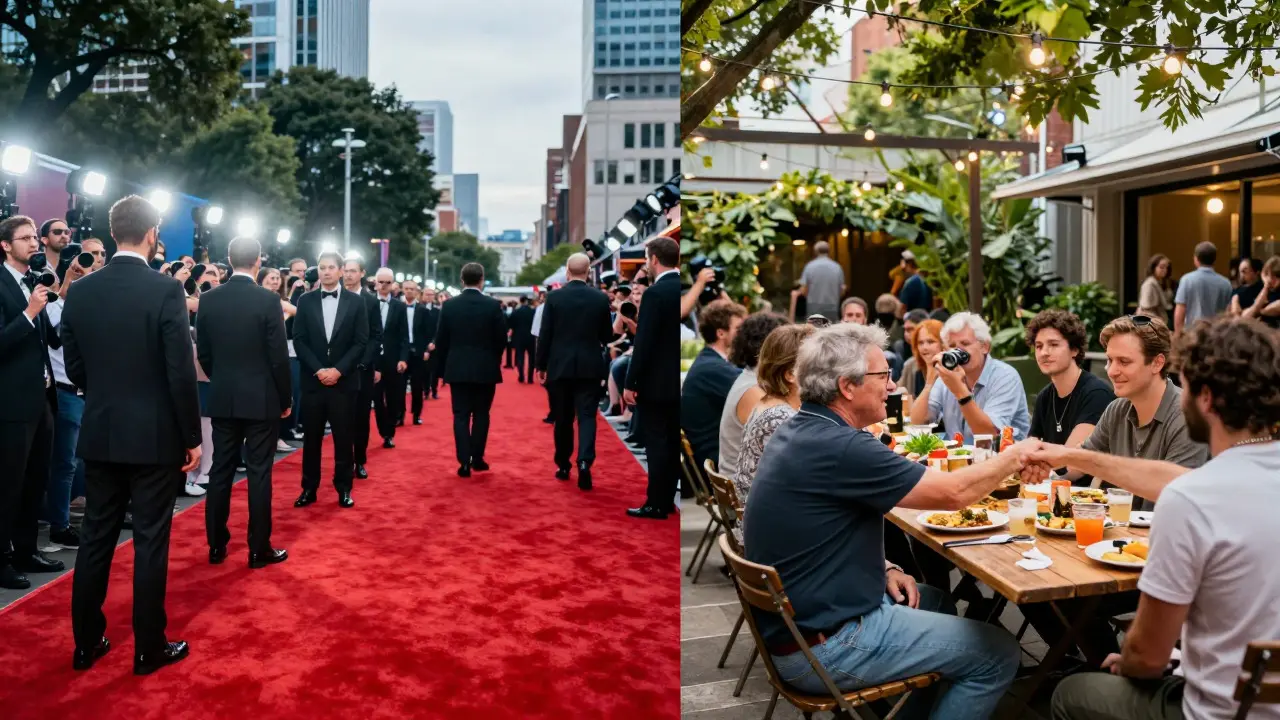
Most people think the only film festivals that matter are Cannes, Venice, or Sundance. But if you look closer at the industry's actual growth engine, you'll find it’s not in those glitzy red-carpet events. It’s in the smaller, regional gatherings where filmmakers meet distributors face-to-face and audiences connect with stories that reflect their own communities. Regional film festivals are local or state-level events that showcase independent cinema, foster community dialogue, and provide critical distribution pathways for emerging talent. Unlike global competitions focused on prestige awards, these events prioritize market access, audience building, and cultural preservation.
The Real Value of Local Cinema Circuits
Why do studios and indie producers keep returning to places like Asheville, Austin, or Portland? Because the return on investment is tangible. A global award might get you press coverage, but a strong showing at a regional festival often leads directly to a sales deal. Distributors know that if a movie resonates with a specific demographic in a targeted region, it has a higher chance of profitability in wider releases. This creates a feedback loop where independent filmmaking relies heavily on grassroots marketing strategies and localized audience engagement rather than broad, expensive advertising campaigns.
These festivals also serve as incubators for new voices. When a director from a rural area submits a documentary about local agriculture or a short film about neighborhood dynamics, they aren’t competing against big-budget Hollywood narratives. They’re competing against peers who understand the same cultural nuances. This level playing field allows for authentic storytelling that might otherwise be overlooked by major gatekeepers in New York or Los Angeles.
How Regional Events Differ from Global Competitions
To understand why this shift is happening, we need to look at the structural differences between the two types of events. The goals, audiences, and outcomes are fundamentally different. Here is a quick breakdown of how they compare:
| Feature | Regional Festivals | Global Competitions |
|---|---|---|
| Primary Goal | Distribution deals & Community impact | Prestige awards & Brand visibility |
| Audience Profile | Local residents, niche enthusiasts | International critics, industry elites |
| Submission Focus | Cultural relevance, local themes | Universal appeal, high production value |
| Networking Type | Direct peer-to-peer, long-term relationships | Transactional, high-volume contacts |
| Cost Barrier | Low to moderate entry fees | High travel and accommodation costs |
Notice the difference in networking. At a global event, you’re shaking hands with hundreds of people, many of whom you’ll never see again. At a regional festival, you’re having deep conversations over coffee with a few key players who might actually champion your work. That depth of connection is what drives sustained career growth for mid-tier filmmakers.
Key Players in the Regional Landscape
The landscape isn’t just about small towns; it includes mid-sized cities with vibrant arts scenes. Cities like Asheville, located in North Carolina, have become hubs for creative industries and sustainable living practices, attracting filmmakers who want to align their work with environmental and social themes. Similarly, Austin in Texas leverages its tech-savvy population to host events that blend traditional cinema with digital innovation.
In Europe, cities like Tromsø in Norway focus on arthouse cinema and climate-related documentaries, capitalizing on their unique geographic position. These locations don’t just host screenings; they create ecosystems. Local businesses sponsor screenings, universities offer workshops, and non-profits use film as a tool for advocacy. This integration ensures that the festival remains relevant year-round, not just during the two-week event period.
Strategies for Filmmakers Targeting Regional Markets
If you’re an independent filmmaker, how do you leverage these opportunities? First, tailor your submission. Don’t send the same press kit to every festival. If you’re submitting to a festival in the Pacific Northwest, highlight any environmental themes or local collaborations. If it’s a festival in the South, emphasize cultural heritage or community-driven narratives.
- Research the Audience: Look at past winners and attendees. What kind of stories resonated? Did they favor comedies, documentaries, or drama?
- Build Local Connections: Reach out to local film societies or student groups before you even submit. Having a local advocate can boost your chances of selection.
- Plan for Post-Festival Engagement: The screening is just the start. Plan Q&A sessions, meet-and-greets, or follow-up screenings at local theaters to keep the momentum going.
- Leverage Social Proof: Use positive reviews from local critics or audience polls as credibility markers when pitching to larger distributors later.
This approach turns a single screening into a multi-month campaign. It shows distributors that you understand how to build an audience, which is a skill they value highly.
The Role of Technology in Expanding Reach
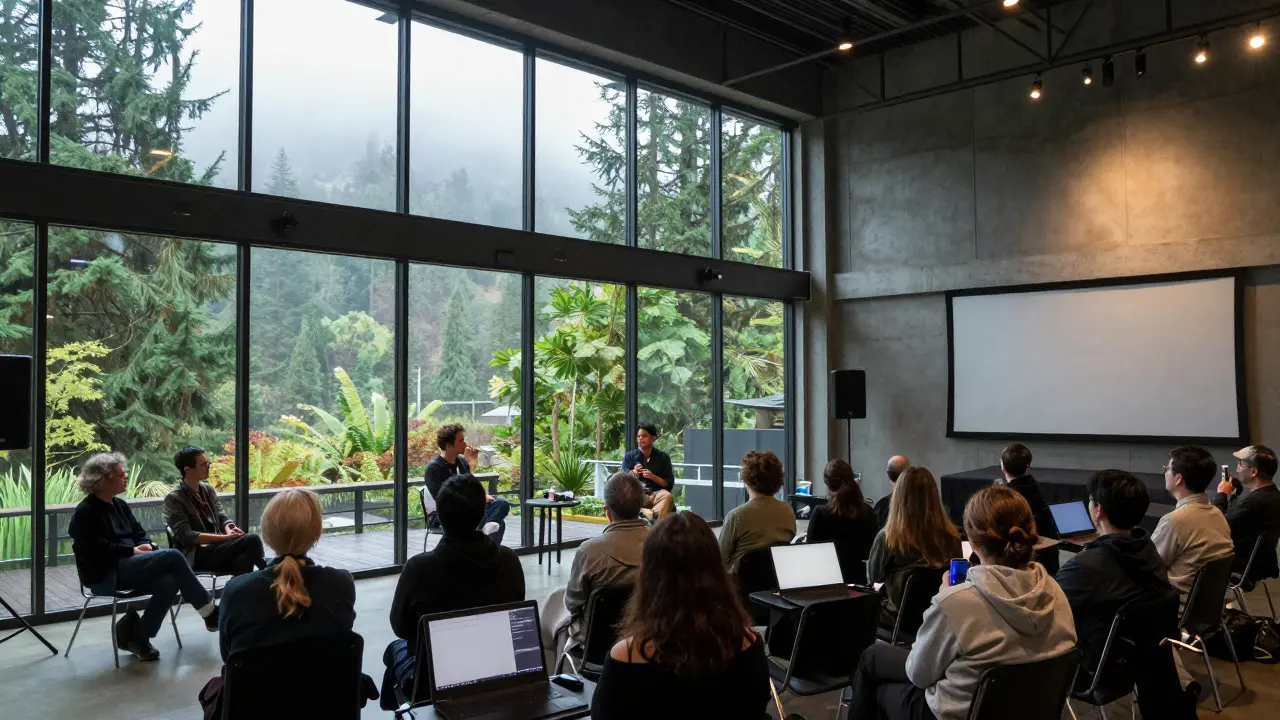
Technology has changed how regional festivals operate. Hybrid models allow local audiences to watch in person while international viewers tune in via streaming platforms. This hybrid approach expands the potential buyer pool without requiring physical presence. For example, a film shown in a small town in Ohio can attract attention from a distributor in London through live-streamed Q&As.
Additionally, data analytics help organizers curate better lineups. By tracking viewer preferences and attendance patterns, festivals can program films that are more likely to draw crowds. This data also helps filmmakers understand their niche. If a certain genre consistently performs well in a specific region, it signals a viable market for future projects.
Challenges and Pitfalls to Avoid
It’s not all smooth sailing. One common mistake is underestimating the importance of logistics. Travel costs can add up quickly if you’re hopping between multiple regional festivals. Budget carefully and consider grouping submissions geographically to minimize expenses.
Another pitfall is ignoring the community aspect. Some filmmakers treat regional festivals purely as business transactions, missing the chance to build genuine relationships. Engage with the audience, participate in panel discussions, and support other local artists. This goodwill pays dividends in the form of repeat invitations and organic word-of-mouth promotion.
Frequently Asked Questions
Are regional film festivals worth it for first-time filmmakers?
Yes, absolutely. They offer lower barriers to entry, less competition, and direct access to local distributors. For first-timers, the experience of navigating a festival circuit is invaluable, and the feedback from engaged local audiences is often more constructive than that from large, impersonal global events.
How do I choose which regional festivals to target?
Look at the festival’s mission statement and past programming. Does it align with your film’s theme or style? Check if they have a history of supporting independent or debut works. Also, consider the location relative to your base to manage travel costs effectively.
Do regional festivals offer financial grants or funding?
Some do, especially those tied to local arts councils or government initiatives. However, most rely on ticket sales, sponsorships, and private donations. Always check the festival’s website for specific grant programs or fellowships associated with the event.
What is the best time of year to submit to regional festivals?
Most regional festivals have rolling deadlines or specific submission windows, typically several months before the event date. Spring and fall are peak seasons for many events, so plan your submissions accordingly to avoid last-minute rushes.
How can I maximize my presence at a regional festival without a big budget?
Focus on personal engagement. Attend other screenings, network with fellow filmmakers, and engage with the audience after your screening. Create simple, shareable social media content during the event to extend your reach online. Authenticity and consistency are more impactful than flashy promotions.






Comments(5)