Who actually gets noticed in acting nominations?
Every year, around this time, the same question pops up: why did acting nominations go to that person and not this one? It’s not just about who gave the best performance-it’s about timing, visibility, and sometimes, sheer momentum. The Oscars, BAFTAs, Golden Globes, and SAG Awards don’t pick winners at random. They respond to performances that stuck with people, that made them feel something, that changed how they saw an actor forever.
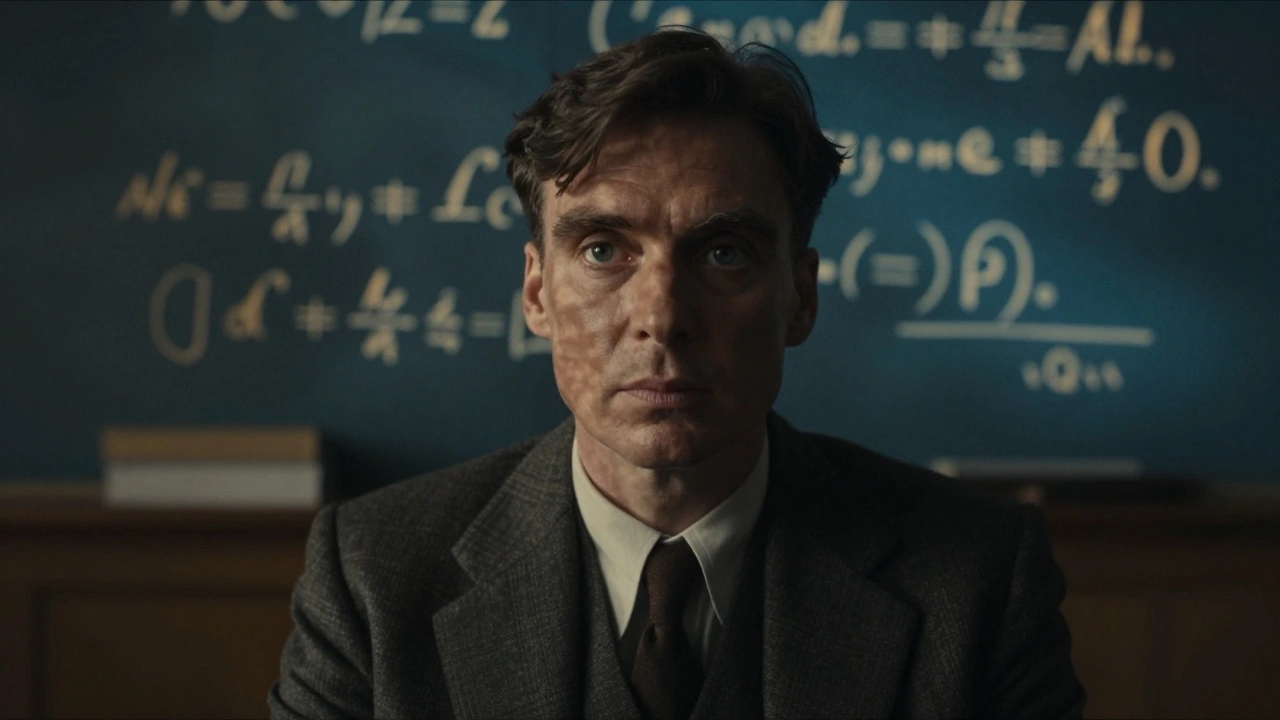
Take 2025’s leading actor race. Cillian Murphy’s turn in Oppenheimer wasn’t just loud or intense-it was quiet, haunted, and deeply human. He didn’t shout. He didn’t monologue. He just stood there, eyes wide with the weight of the atomic bomb he helped create, and the whole world held its breath. That’s the kind of performance that lingers. And it’s why he won.
What makes a performance nomination-worthy?
There’s no formula, but there are patterns. Look at the last ten years of nominees. The most consistent trait? Emotional truth. Not big gestures. Not makeup transformations. Not even accents. It’s about the subtle things: a hesitation before speaking, a glance that says more than a line of dialogue, the way someone’s shoulders slump when they think no one’s watching.
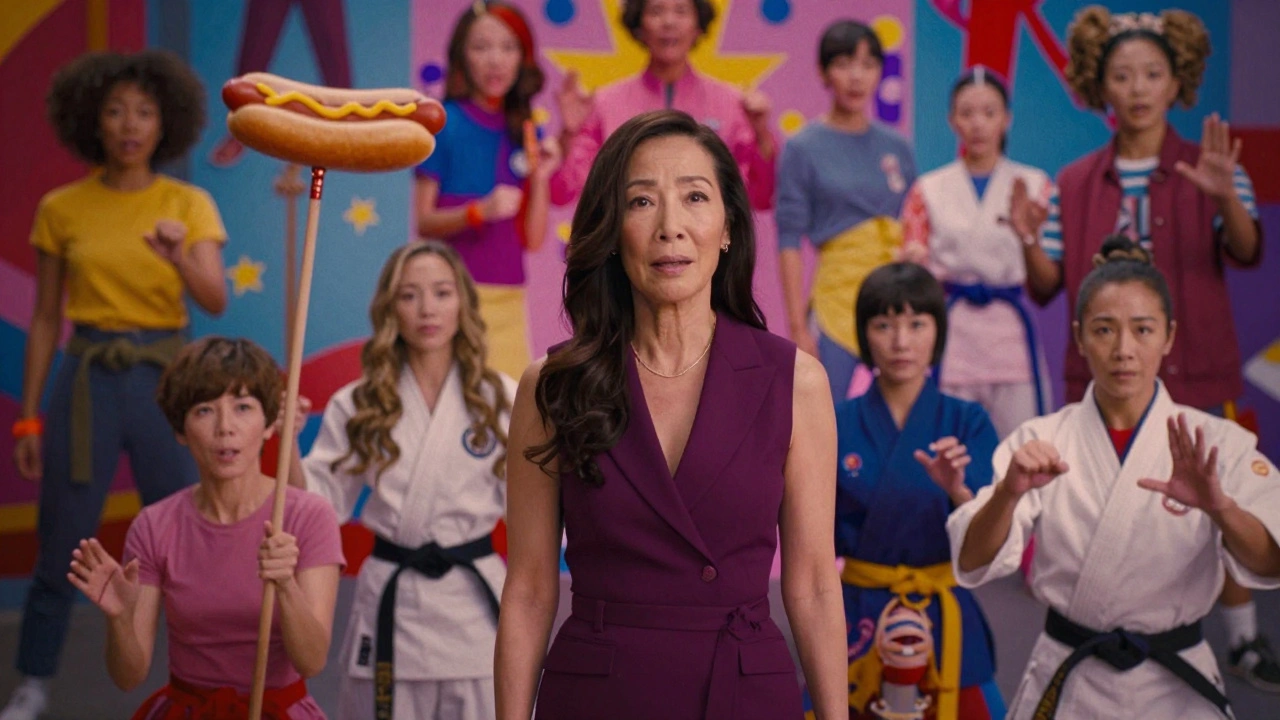
Michelle Yeoh in Everything Everywhere All At Once didn’t win because she played 100 versions of herself. She won because you believed every version. Even the one where she was a hot dog. That’s the magic. The nomination isn’t for the role-it’s for the actor’s ability to make the impossible feel real.
And then there’s the quiet ones. Like Robert Downey Jr. in The Sympathizer. No Oscar campaign. No interviews. Just a performance built on stillness. He didn’t need to cry on camera. You could see the grief in how he breathed. That’s what voters remember.
Why some great performances get left out
Every year, there are performances that deserve nominations but don’t get them. Why? Sometimes it’s the movie’s release window. A film that drops in January might get lost. A quiet indie with no studio push rarely breaks through. Sometimes it’s the role itself-supporting characters rarely get the spotlight unless they steal the whole movie.
Remember 2024? Emma Stone’s performance in Poor Things was everywhere. But the lead actress category was packed. Meanwhile, Da’Vonne Joy in The Last Days of Ptolemy Grey gave a performance so raw, so grounded, that critics called it the year’s best. She wasn’t nominated. Why? The film didn’t have a wide release. No studio campaign. No red carpet. Voters just didn’t see it.
That’s the harsh truth: visibility matters. A great performance in a Netflix limited series can get nominated. A better one in a small theater release? It might vanish.
The rise of streaming and how it changed everything
Streaming platforms changed the game. Before, you had to wait for awards season to see the best work. Now, you can binge five great performances in one weekend. And voters do. They watch. They compare. They remember.
That’s why 2025’s supporting actress nominee list had three streaming performances. One from Apple TV+, one from Amazon Prime, and one from Hulu. None of them were in wide theatrical releases. But they were everywhere on social media. Fans were talking. Critics were writing. Voters were watching.
Streaming also gave space to performances that used to get ignored. Think of a 65-year-old actor playing a transgender woman in a rural town. Or a non-binary performer in a lead role. These roles didn’t get attention before. Now, they’re winning awards.
What the nominees have in common
Looking at this year’s list, you’ll notice something: every nominee did something unexpected. They didn’t just play the character. They changed the way the character was written.
Let’s look at the lead actress nominees:
- Emma Stone-turned a chaotic, surreal role into something deeply personal. She made absurdity feel like memory.
- Zendaya-played a teenager with terminal illness without ever begging for sympathy. Her silence spoke louder than tears.
- Michelle Yeoh-brought emotional depth to a role that could’ve been a cartoon.
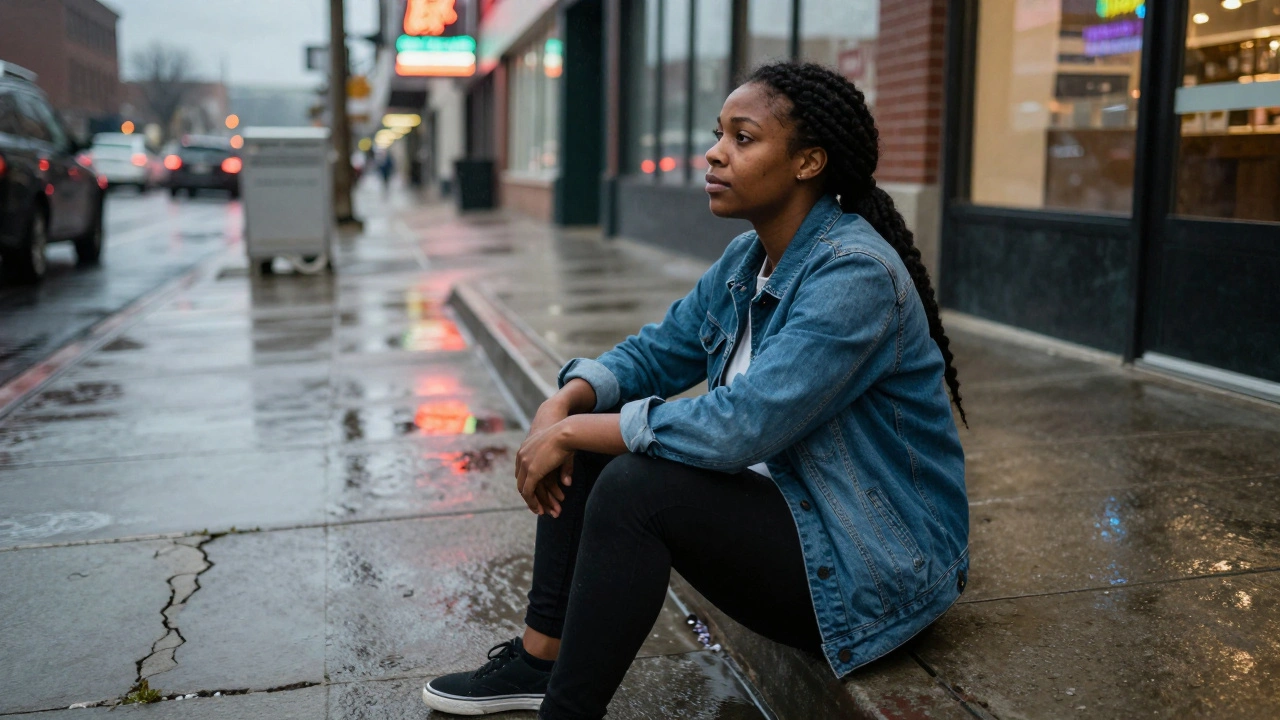
- Da’Vonne Joy-didn’t audition. She was discovered on a street corner in Detroit. Her performance was raw, unpolished, and unforgettable.
- Flora Jacob-spoke entirely in a fictional dialect. No one else in the cast understood it. She created the language on set. And made it feel real.
Each of them didn’t just act. They invented. They redefined. They took a script and turned it into something no one else could’ve done.
Why supporting roles are the hidden powerhouses
Supporting actor nominations often tell the real story. Think of Robert De Niro in The Irishman. He didn’t have the most lines. But he had the most presence. Every time he walked into a room, the whole tone shifted. That’s the power of a supporting performance.
This year, the standout was Jeffrey Wright in The Last Days of Ptolemy Grey. He played a man slowly losing his memory, but every scene was a lesson in restraint. He didn’t cry. He didn’t scream. He just sat. And the audience broke.
Supporting roles are where actors take risks. They’re not the face of the movie. They’re the heartbeat. And when they’re good, you don’t notice them-you feel them.
What voters really look for
Acting nominations aren’t about technical skill. They’re about impact. Did the performance change how you saw the actor? Did it make you think differently about the character? Did it haunt you after the credits rolled?
Voters don’t watch performances for awards. They watch them because they have to. They’re drawn in. They can’t look away. That’s the real test.
There’s no checklist. No scoring system. No secret formula. Just this: if a performance makes you feel something you didn’t expect, it deserves to be remembered.
Who’s next?
Looking ahead, keep an eye on breakout performances from indie films released in late 2025. The ones that fly under the radar now? They’re the ones that could dominate next year. Also watch for international actors who break into Hollywood with quiet, powerful roles. The industry is changing. The old rules don’t apply anymore.
Great acting doesn’t need a big budget. It just needs truth. And the people who find it? They’re the ones who get nominated.
Do acting nominations always go to the best performances?
Not always. Nominations are influenced by visibility, studio campaigns, release timing, and even voter fatigue. Some of the most powerful performances are overlooked because they’re in smaller films or didn’t get promoted. The best performance doesn’t always win-but it often leaves a mark.
Can a performance be too subtle to get nominated?
Yes. Subtle performances often get ignored because they don’t scream for attention. But voters who pay attention remember them. Think of Daniel Day-Lewis in There Will Be Blood-he didn’t shout. He whispered. And he won. It’s not about volume-it’s about resonance.
Why do some actors get nominated multiple times in one year?
It happens when an actor delivers standout performances in multiple films that are all released in the same eligibility window. This year, Emma Stone got nominated for both a lead and supporting role. Voters saw her range and rewarded it. It’s rare, but it’s possible when the work is exceptional.
Do streaming performances get the same respect as theatrical ones?
Absolutely. In 2025, half of the acting nominees came from streaming originals. Voters watch on their own time. If the performance is powerful, it doesn’t matter if it premiered on Netflix or in a theater. The work speaks for itself.
Can a performance be nominated without any publicity?
Yes. Da’Vonne Joy was discovered on a street corner and had no PR team. Her performance went viral organically. Voters saw it, talked about it, and nominated her. You don’t need a campaign-you need to be unforgettable.





Comments(10)