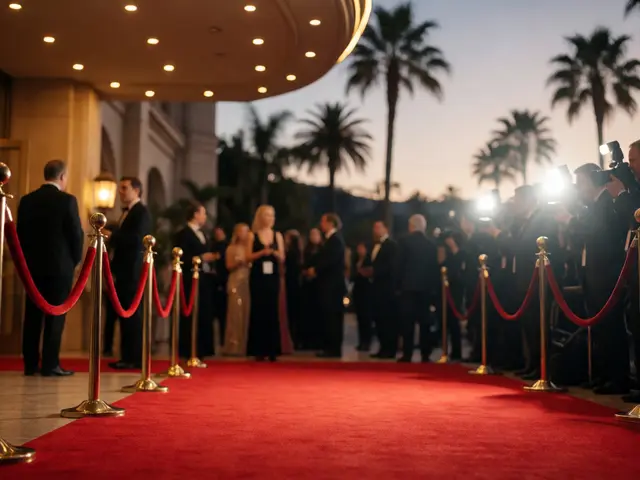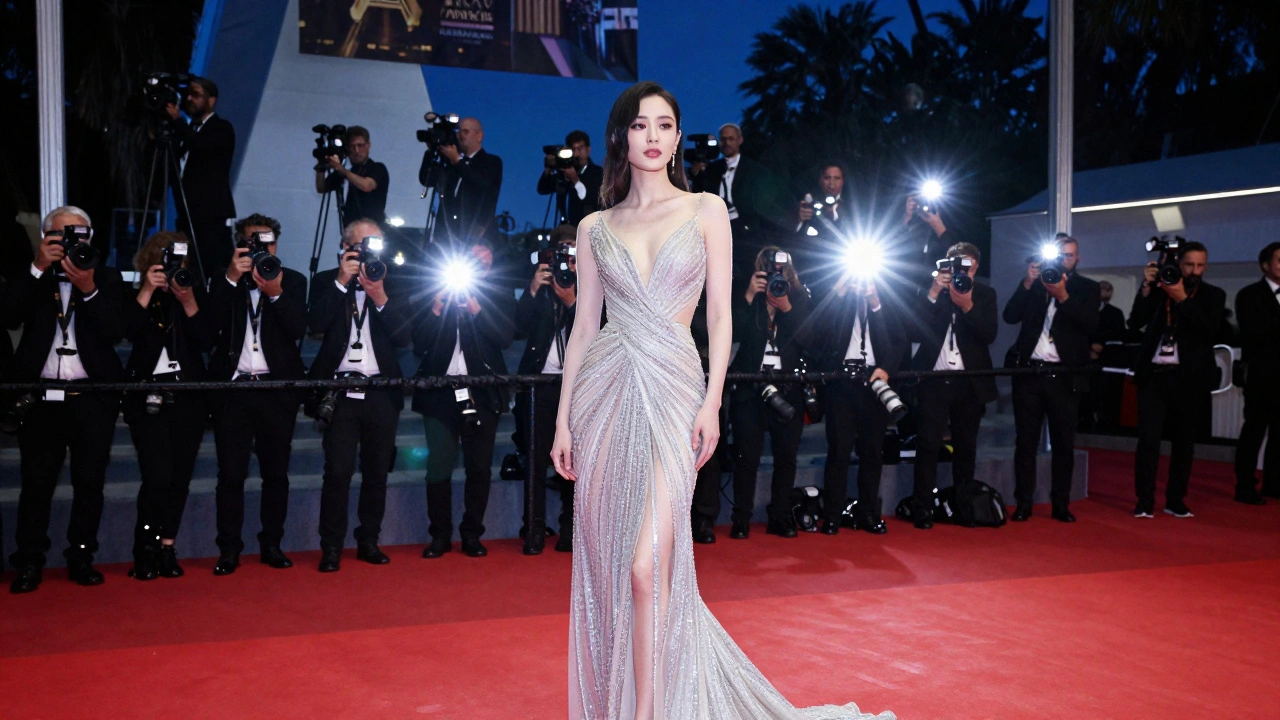
The red carpet is not just a walkway; it is a high-stakes billboard. When a star steps out in a custom gown or a tailored suit during Awards Season is the period from late September to early March when major film industry awards are presented, they are rarely thinking about comfort. They are executing a precise marketing strategy designed to keep their project top-of-mind for voters, critics, and the general public. In 2026, this intersection of fashion and film promotion has become more calculated than ever before.
Film studios spend millions on advertising campaigns, but few tactics offer the viral potential of a striking red carpet look. A well-coordinated outfit can generate millions of impressions within hours, often surpassing the reach of traditional TV spots. This article breaks down how fashion serves as a critical tool in film branding, why specific choices are made, and what these strategies mean for the movies themselves.
The Economics of the Red Carpet Look
You might think celebrities pick their outfits based purely on personal taste. While style plays a role, the financial incentives behind the scenes tell a different story. For most A-list actors, the clothing worn on the red carpet is either loaned by luxury brands or paid for by the film studio’s marketing budget. This arrangement creates a symbiotic relationship between the actor, the designer, and the movie.
Consider the cost of a single evening gown. High-end designers like Vera Wang is a renowned fashion designer known for bridal wear and haute couture or Schiaparelli is a French luxury fashion house founded by Elsa Schiaparelli charge hundreds of thousands of dollars for custom pieces. If an actor bought these personally, it would be a massive expense. Instead, the brand lends the garment in exchange for visibility. The actor wears it, photos are taken, and the brand gets global exposure. The film studio benefits because the conversation shifts from "Who is wearing that?" to "What movie are they promoting?"
This economic model ensures that every look is intentional. There are no accidents. If a star appears in a bold, controversial piece, it is usually part of a broader campaign to generate buzz for a film that might otherwise fly under the radar. The goal is to create a visual hook that ties the actor’s persona to the film’s narrative.
How Stylists Align Fashion with Film Narrative
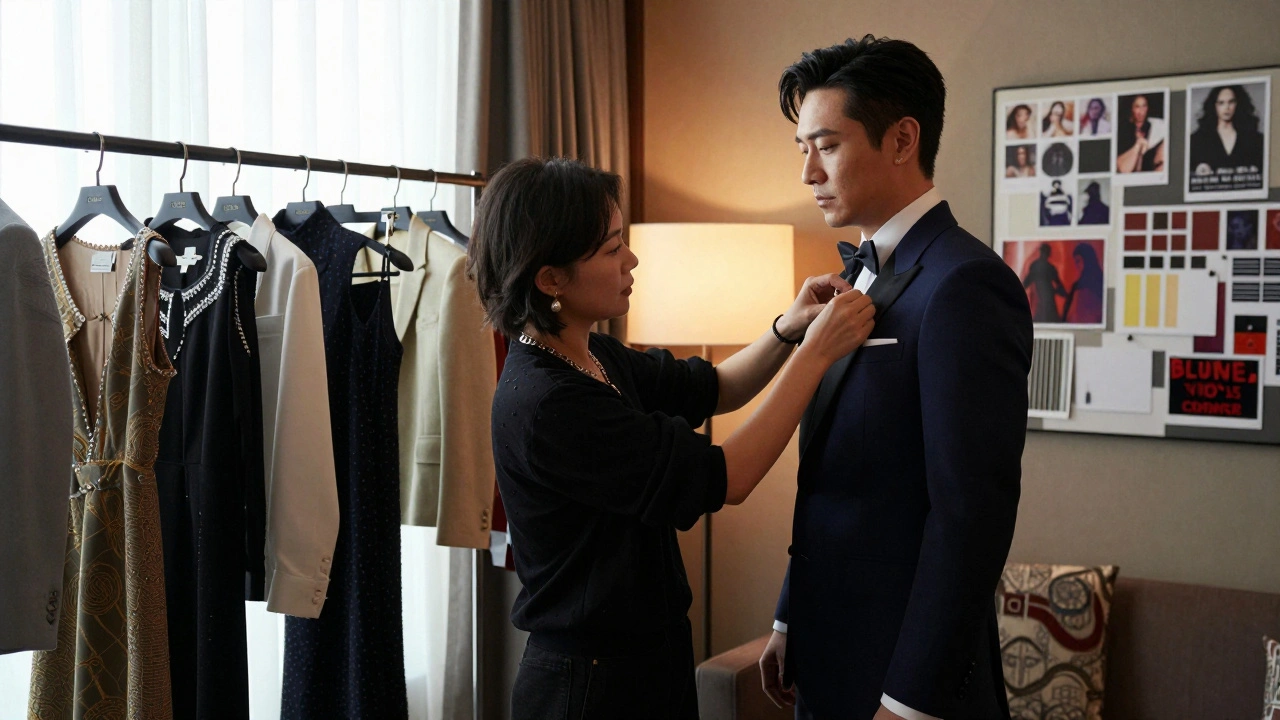
Celebrity stylists are the architects of these looks. Their job goes far beyond picking clothes; they act as strategic consultants who align the wardrobe with the film’s themes. A stylist will analyze the movie’s genre, tone, and target audience before selecting any garment. This alignment helps reinforce the film’s identity in the minds of viewers.
For example, if an actor is promoting a historical drama set in the 1920s, a stylist might choose a vintage-inspired gown or a classic tuxedo to evoke that era. This subtle nod reminds audiences of the film’s setting without being overtly promotional. On the other hand, for a sci-fi thriller, a stylist might opt for avant-garde designs with metallic fabrics or unconventional silhouettes to mirror the futuristic elements of the plot.
Let’s look at a hypothetical scenario. An actor is starring in a biopic about a jazz musician from the 1950s. The stylist chooses a sharp, retro-style suit with wide lapels and a pocket square that matches the color palette of the film’s poster. When photographers capture this image, the visual connection is immediate. Critics and fans begin to associate the actor’s real-life style with the character they portray, deepening the emotional investment in the film.
Stylists also consider the actor’s previous looks to ensure variety. Wearing the same designer twice in one awards season can dilute the impact. By rotating through different houses-such as Chanel is a French luxury fashion house founded by Coco Chanel, Gucci is an Italian luxury goods company founded by Guccio Gucci, and Valentino is an Italian luxury fashion house founded by Valentino Garavani-they keep the coverage fresh and engaging. Each new look offers a new angle for media outlets to discuss, extending the lifespan of the marketing campaign.
The Role of Social Media in Amplifying Branding
In 2026, the red carpet experience extends far beyond the physical event. Social media platforms like Instagram, TikTok, and X (formerly Twitter) play a crucial role in amplifying the impact of each look. Within minutes of stepping onto the carpet, images are shared globally, generating millions of likes, shares, and comments. This digital footprint is invaluable for film branding.
Studios now have dedicated social media teams that monitor reactions in real-time. They identify which aspects of the look are resonating with audiences and amplify those messages. For instance, if a particular accessory receives widespread praise, the studio might release behind-the-scenes content showing how it was chosen or crafted. This adds depth to the narrative and keeps the conversation going long after the ceremony ends.
Hashtags are another powerful tool. Campaigns often include unique hashtags tied to both the actor and the film. Fans use these tags to share their thoughts, creating a community around the movie. This user-generated content provides authentic engagement that traditional advertising cannot replicate. It turns passive viewers into active participants in the film’s success.
Moreover, influencers and fashion bloggers contribute significantly to this ecosystem. Their reviews and analyses reach niche audiences that might not typically follow award shows. By partnering with these voices, studios can tap into diverse demographics and expand their reach. This multi-layered approach ensures that the film remains visible across various channels, maximizing its potential for box office success or streaming dominance.
| Element | Purpose | Impact on Film Branding |
|---|---|---|
| Designer Choice | Align with film theme | Reinforces narrative visually |
| Color Palette | Match marketing materials | Creates cohesive visual identity |
| Accessories | Add unique talking points | Generates additional media coverage |
| Social Media Engagement | Amplify reach digitally | Extends campaign lifespan |
Case Studies: Successful Integrations of Fashion and Film
To understand the effectiveness of these strategies, let’s examine some recent examples where fashion played a pivotal role in film branding. These cases illustrate how thoughtful coordination can elevate a movie’s profile and drive audience interest.
One notable instance involved a leading actress promoting a psychological thriller. Her stylist chose a sleek, black dress with intricate detailing that mirrored the film’s dark and mysterious tone. The simplicity of the design allowed the complexity of the pattern to stand out, drawing attention to the subtleties of the character she portrayed. Media outlets highlighted the elegance of the look, linking it directly to the sophistication of the screenplay. This association helped position the film as a must-see event rather than just another release.
Another example features a male lead in a sports drama. His team opted for a modernized varsity jacket paired with tailored trousers, blending casual athleticism with formal refinement. This choice reflected the dual nature of his character-a disciplined athlete navigating personal challenges. Fans responded positively to the relatability of the outfit, sharing photos and discussing its relevance to the storyline. This organic engagement boosted anticipation for the film’s premiere.
These successes demonstrate that when fashion and film branding work in harmony, they create a powerful synergy. The visuals enhance the storytelling, making the film more memorable and appealing to a wider audience. Studios take note of these outcomes and invest heavily in replicating them for future projects.
Pitfalls to Avoid in Red Carpet Marketing
While effective strategies yield positive results, missteps can damage a film’s reputation. One common pitfall is choosing an outfit that clashes with the film’s message. For example, wearing overly glamorous attire to promote a gritty indie drama may confuse audiences about the movie’s tone. This disconnect can lead to negative reviews and reduced interest.
Another risk involves overexposure. If an actor wears the same designer repeatedly throughout the season, it can feel repetitive and uninspired. Audiences crave novelty, and failing to deliver can result in diminished media coverage. Stylists must balance consistency with innovation to maintain excitement.
Additionally, ignoring cultural sensitivities can backfire. Outfits that inadvertently reference sensitive topics or appropriate cultural symbols without understanding their significance can spark controversy. Such incidents distract from the film itself and shift focus to unrelated debates. Careful research and consultation are essential to avoid these pitfalls.
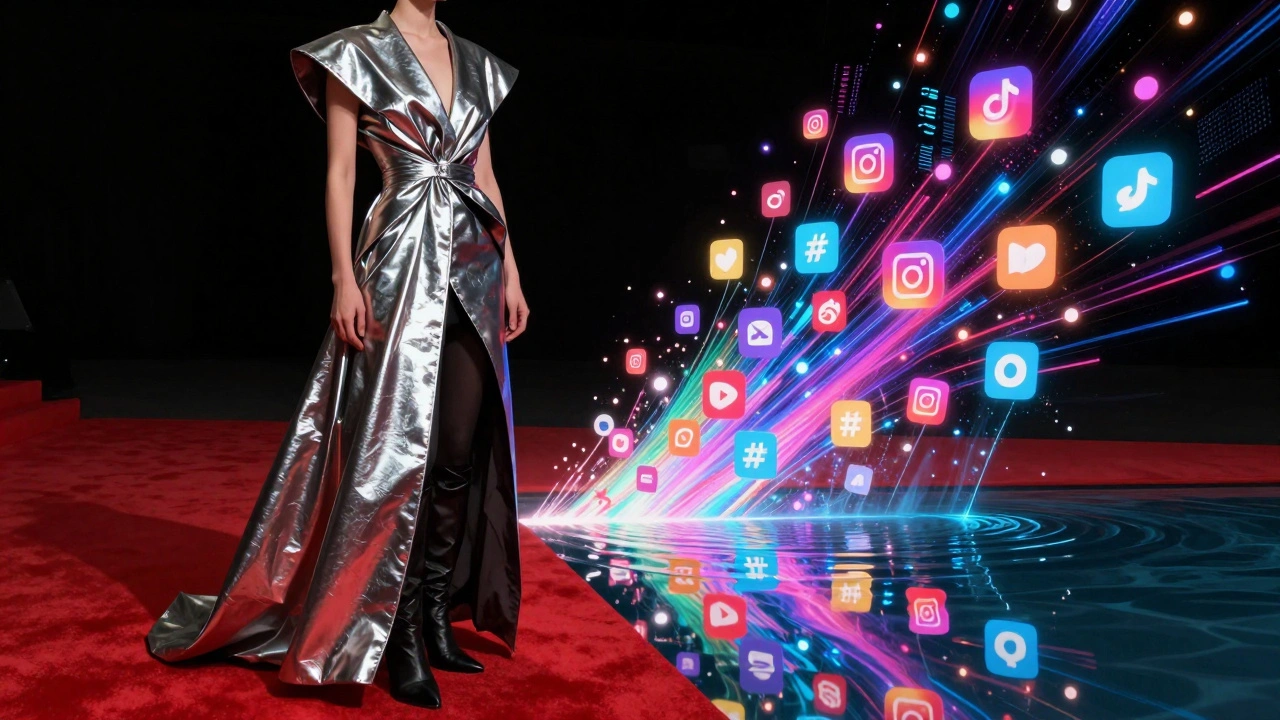
Finally, neglecting the digital component is a mistake. Even the most stunning look loses impact if it isn’t properly leveraged online. Studios must ensure that social media teams are prepared to capitalize on the moment, sharing relevant content and engaging with fans promptly. Failure to do so wastes valuable opportunities for growth.
Future Trends in Awards Season Fashion
As we move further into 2026, several trends are emerging that will shape the future of red carpet fashion and film branding. Sustainability is becoming increasingly important, with many actors opting for eco-friendly designers and upcycled garments. This shift reflects growing consumer awareness and demand for responsible practices within the entertainment industry.
Technology is also playing a larger role. Virtual reality experiences and augmented reality filters allow fans to interact with red carpet looks in new ways. Imagine trying on a digital version of your favorite star’s outfit via an app. These innovations enhance engagement and provide immersive experiences that transcend traditional boundaries.
Collaborations between filmmakers and fashion houses are expected to grow. We may see more instances where entire collections are inspired by upcoming films, creating seamless integrations between cinema and style. This cross-pollination enriches both industries and opens doors for creative experimentation.
Ultimately, the evolution of red carpet fashion continues to reflect broader societal changes. As values shift towards inclusivity, diversity, and sustainability, so too will the choices made on the carpet. Those who adapt quickly will find themselves at the forefront of this dynamic landscape.
Why do celebrities wear designer clothes to awards shows?
Celebrities wear designer clothes to leverage the marketing power of luxury brands. These garments are often loaned or funded by studios to generate media coverage and associate the film with high-end aesthetics. This strategy boosts visibility and reinforces the movie’s brand identity.
How does red carpet fashion affect a movie's box office performance?
Strategic fashion choices can significantly boost a movie’s profile by generating buzz and keeping it in the public eye. Positive media coverage translates into increased curiosity and ticket sales. Memorable looks become part of the film’s legacy, encouraging word-of-mouth promotion.
What role do stylists play in film marketing?
Stylists act as strategic partners who align outfits with a film’s themes and target audience. They select garments that reinforce the narrative, ensuring visual coherence between the actor’s appearance and the movie’s message. Their expertise enhances the overall marketing effort.
Can bad fashion choices hurt a film's chances?
Yes, inappropriate or mismatched outfits can confuse audiences and detract from the film’s intended tone. Controversial selections may spark unwanted distractions, shifting focus away from the movie. Consistency and thoughtfulness are key to avoiding such pitfalls.
How important is social media in red carpet marketing?
Social media is crucial for amplifying the impact of red carpet looks. Platforms like Instagram and TikTok enable rapid dissemination of images, fostering global engagement. Effective use of hashtags and influencer partnerships extends the campaign’s reach and longevity.