Every year, over 10 million people experience live ballet, opera, and theater performances in their local movie theaters. But how does a show from London’s Royal Ballet end up on screen in a small-town cinema? It’s all about Event Cinema is a distribution method that broadcasts live performances to movie theaters in real-time. Event Cinema uses satellite, fiber, and cloud technologies to deliver performances from stage to screen across the globe. This system allows audiences to experience live events like the Royal Ballet without traveling to the venue. logistics-a mix of cutting-edge tech and careful coordination. This article breaks down exactly how event cinema works, from the stage to the silver screen.
Step-by-Step: How Live Performances Reach Theaters
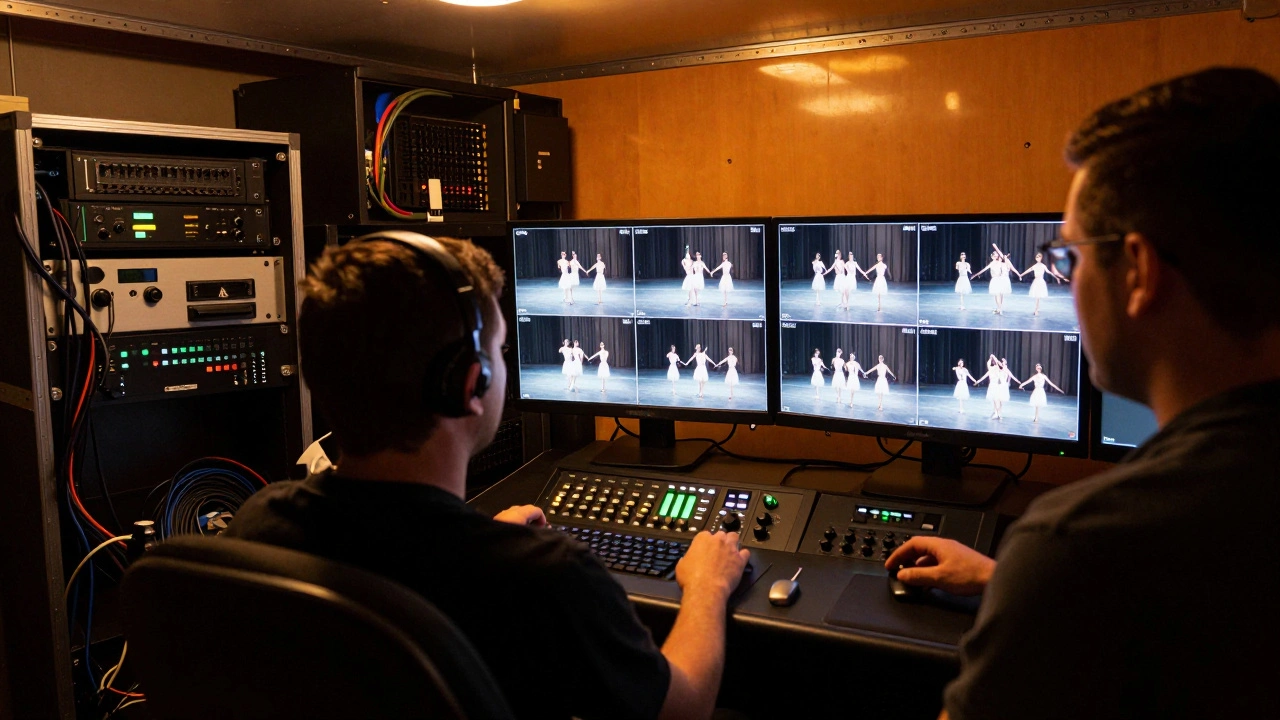
Capturing a live performance for cinema broadcast isn’t as simple as pointing a camera. It requires a full production team working in sync. For the Royal Ballet’s broadcasts, they set up 10 or more cameras around the stage. Each camera has a dedicated operator, capturing different angles-close-ups of dancers’ faces, wide shots of the stage, and overhead views. Audio engineers place microphones strategically to pick up every note of the orchestra and the subtlest footwork. This all happens in a production truck parked outside the theater. The truck acts as the command center, where a director chooses which camera feed to use at any moment. For example, during a solo dance, the director might switch to a close-up camera. During a grand ensemble piece, they’ll use a wide shot. All these feeds are combined into a single broadcast signal.
How Signals Travel from Stage to Screen
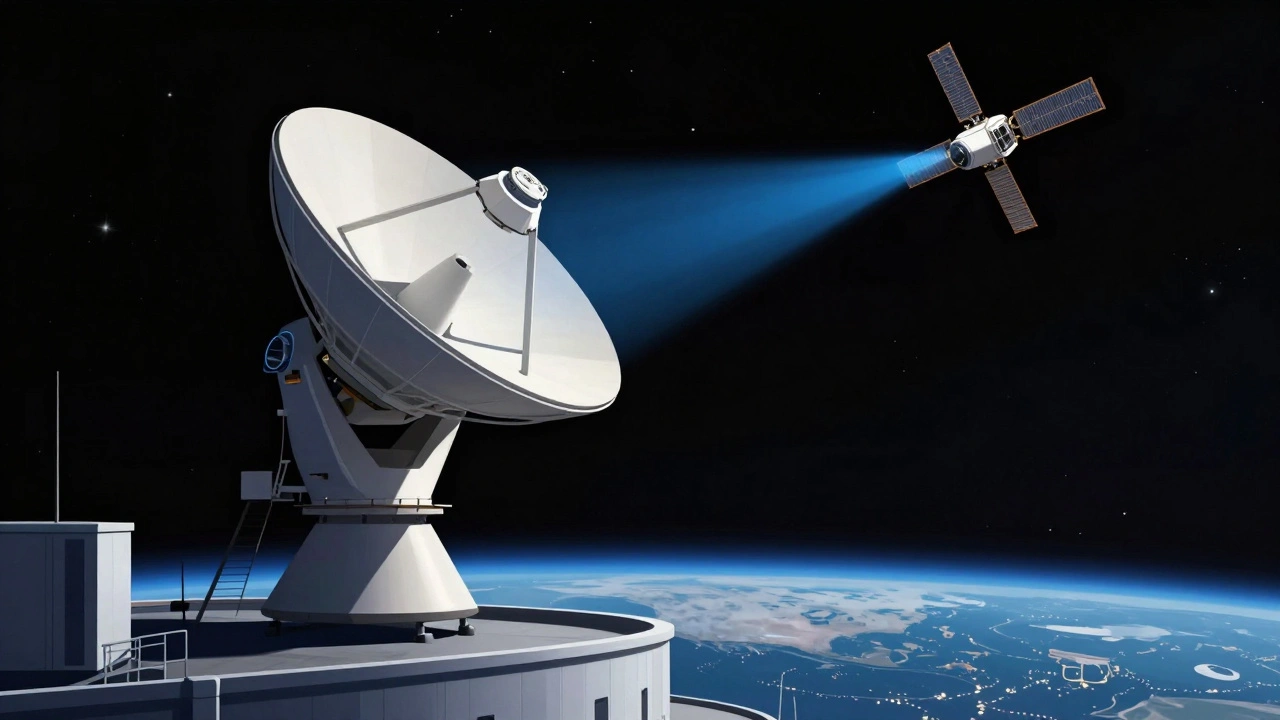
The broadcast signal needs to get from the production truck to theaters worldwide. This is where transmission methods come in. The most common method is Satellite Transmission is a method used to send broadcast signals via geostationary satellites. Satellite Transmission allows global reach for live events, with signals traveling 22,000 miles to and from orbiting satellites. It’s the backbone of international event cinema, handling 70% of global broadcasts in 2025.. The signal is sent from the production truck to a satellite dish, which beams it up to a geostationary satellite orbiting 22,000 miles above Earth. From there, the satellite sends the signal back down to theaters’ satellite dishes. For the Royal Ballet, they use SES satellites to reach over 2,000 theaters in 50 countries. Another method is Fiber Optic Networks is a high-speed data transmission method using glass fibers. Fiber Optic Networks offer lower latency than satellite and are ideal for regional broadcasts. In 2025, they handled 25% of event cinema transmissions, especially in Europe and North America.. These use physical cables to transmit data. Fiber is faster and has lower latency than satellite, but it’s limited to regions with cable infrastructure. For example, a Royal Ballet performance in Europe might use fiber to reach theaters in the UK and Germany. In the U.S., some theaters use fiber from local providers like Comcast Business. However, fiber isn’t always available everywhere, especially in rural areas. That’s where satellite is crucial. In 2025, satellite handled 70% of live event cinema broadcasts, while fiber covered 25%, and cloud streaming made up the rest.
| Method | Range | Latency | Use Case |
|---|---|---|---|
| Satellite | Global | 2-5 seconds | International broadcasts |
| Fiber Optic | Regional | Under 1 second | Local theaters |
| Cloud Streaming | Varies | 1-3 seconds | On-demand replays |
Theater Reception and Playback
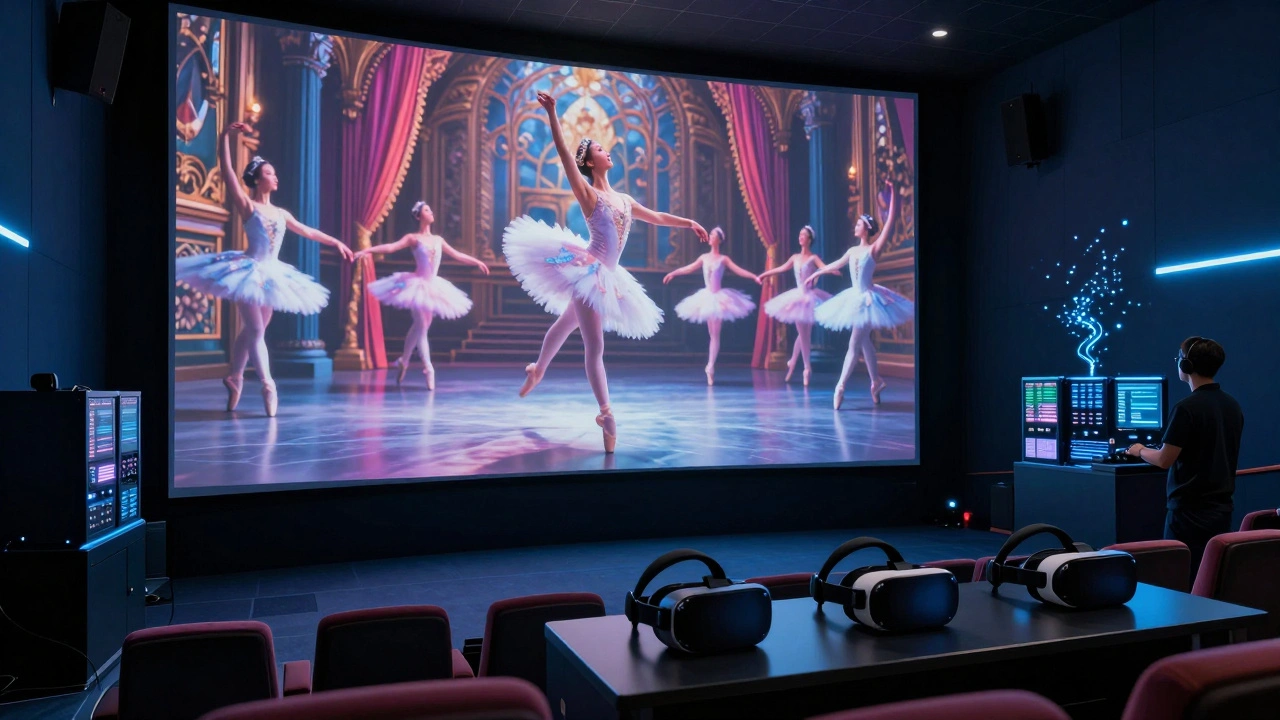
Once the signal reaches a theater, it’s not ready to play yet. Theaters have specialized equipment to receive and decode the signal. Most use satellite dishes connected to a server that processes the broadcast. The server then sends the signal to the cinema’s projection system. For 4K broadcasts, theaters need specific projectors and servers. In 2025, AMC Theatres upgraded 300 locations to handle 4K event cinema, ensuring crisp visuals. The server also manages synchronization. If a theater is using satellite, there might be a 3-second delay. The staff at the theater has to account for this delay so that the live performance isn’t out of sync with the audience’s experience. For example, if the orchestra plays a loud note, the theater staff might adjust the audio timing slightly to match the visuals. This coordination happens in real-time during the broadcast.
Real-World Challenges and Solutions
Live event cinema isn’t without challenges. The biggest issue is latency-the delay between the live performance and what the audience sees. A delay of more than 5 seconds can make the experience feel unnatural. Broadcasters use compression techniques to minimize this. For instance, the Royal Ballet uses H.265 video compression, which reduces file size while maintaining quality. This helps keep latency under 2 seconds for satellite broadcasts. Another challenge is signal quality. Bad weather can disrupt satellite signals. To combat this, broadcasters use redundant systems. During a Royal Ballet broadcast, they might have two satellite uplinks. If one is blocked by rain, the other takes over. Theaters also have backup generators and servers to handle power outages. In 2025, a major storm disrupted satellite signals for 15% of theaters in the Midwest. But thanks to backup systems, most theaters switched to fiber or cloud streams without missing a beat.
Royal Ballet’s Broadcast Process in Detail
Let’s take a closer look at how the Royal Ballet handles broadcasts. For a typical performance, the process starts 24 hours before showtime. The production team arrives early to set up cameras and microphones. They conduct a technical rehearsal to test all equipment. Two hours before the live show, they do a final run-through. During the performance, the director in the production truck switches between cameras based on the choreography. The signal is sent to the satellite uplink, which transmits it to SES satellites. From there, it’s relayed to theaters globally. For example, in 2025, the Royal Ballet’s "Swan Lake" was broadcast to 1,200 theaters across 30 countries. The broadcast team monitored the signal in real-time using specialized software that showed latency and quality metrics. If a camera feed had issues, they could switch to a backup camera instantly. The entire process ran smoothly, with only minor adjustments needed for a few theaters in areas with poor weather.
What’s Next for Event Cinema?
The future of event cinema is exciting. 4K resolution is becoming standard, with some broadcasts now using 8K for ultra-high definition. The Royal Ballet recently tested 8K broadcasts for select performances in 2025, offering unprecedented detail. Cloud Distribution is a method using internet-based servers for content delivery. Cloud Distribution reduces infrastructure costs for theaters and enables flexible streaming. In 2025, cloud services handled 15% of event cinema broadcasts, growing rapidly.. Companies like AWS are now offering live streaming services that reduce infrastructure costs for theaters. For example, a small theater in Montana now uses Google Cloud to broadcast the Royal Ballet without needing a satellite dish. Virtual reality (VR) is another frontier. Some theaters are experimenting with VR headsets that let audiences experience performances as if they’re on stage. While still in early stages, VR could revolutionize how we experience live events. In 2026, event cinema is expected to grow by 18% as new technologies make it more accessible and immersive.
How do theaters handle delays during live broadcasts?
Theaters use synchronization tools to match audio and video. For satellite broadcasts with a 3-second delay, staff adjust the audio timing so it aligns with the visuals. During rehearsals, they test these adjustments to ensure smooth playback.
What’s the difference between satellite and fiber transmission?
Satellite works globally but has higher latency (2-5 seconds). Fiber is faster (under 1 second) but limited to areas with cable infrastructure. Satellite is ideal for international broadcasts, while fiber works best for regional distribution.
Can any theater broadcast live performances?
Yes, but they need specific equipment. Theaters must have a satellite dish or fiber connection, a server to decode the signal, and a compatible projection system. Many cinemas partner with event cinema providers who supply the necessary tech.
How do broadcasters ensure signal quality?
Broadcasters use redundancy-multiple transmission paths and backup equipment. For example, the Royal Ballet uses two satellite uplinks and a fiber backup. They also monitor signals in real-time to fix issues instantly.
What role does cloud streaming play in event cinema?
Cloud streaming allows theaters to receive broadcasts via internet connections instead of satellites or fiber. This is cheaper and more flexible, especially for smaller venues. In 2025, cloud streaming accounted for 15% of event cinema broadcasts, and it’s growing fast.




Comments(8)