Think about the last time you watched a critically acclaimed drama on Netflix or Hulu that wasn’t a Marvel blockbuster. Chances are, it didn’t come from a major studio’s vault. It likely came from an independent distributor like Bleecker Street, which specializes in acquiring and releasing high-quality independent films. But here’s the twist: these small labels rarely have the infrastructure to put a movie on your screen globally. That’s where the complex dance of streaming partnerships comes in.
The landscape of film distribution has shifted dramatically. Gone are the days when a distributor just booked theaters and hoped for word-of-mouth. Today, independent distributors partner directly with streaming platforms-SVOD (Subscription Video on Demand) services-to ensure their titles reach audiences. This isn’t just about convenience; it’s a survival strategy. For streamers, it’s a way to fill their catalogs with prestige content without producing every single project themselves. For distributors, it’s the only way to monetize niche films effectively.
| Distributor Type | Primary Role | Streaming Strategy |
|---|---|---|
| Bleecker Street | Acquires finished indie films, handles theatrical release | Licenses post-theatrical windows to Netflix, Hulu, etc. |
| A24 | Production and distribution hybrid | Often retains streaming rights or partners selectively |
| Neon | High-profile indie acquisitions | Strategic partnerships with Hulu and other majors |
The Economics of the Deal
Why would a platform like Netflix pay millions for a movie that cost $5 million to make? It’s not always about direct profit per view. It’s about subscriber retention. When Bleecker Street licenses a title like Twist or Emma to a streamer, they are selling more than just video files. They are selling cultural capital. These films win awards, generate buzz, and keep subscribers engaged who might otherwise cancel after binge-watching the latest reality show.
The financial structure usually involves a licensing fee paid upfront by the streamer. This gives the distributor immediate cash flow to cover marketing costs and recoup acquisition expenses. In some cases, there’s a revenue share model, but that’s rarer for smaller independents. The risk is lower for the distributor because the money is guaranteed, even if the movie doesn’t break records. For the streamer, the risk is higher, but the potential payoff in brand prestige is significant.
How the Partnership Actually Works
It starts at festivals. Think Sundance, Toronto, or Cannes. That’s where independent distributors scout for content. Once they buy a film, they plan a theatrical run. This is crucial. Even if the goal is eventually streaming, a theatrical release adds value. It creates reviews, awards eligibility, and media coverage. A movie that skips theaters entirely often struggles to get serious critical attention.
After the theatrical window closes-usually 45 to 90 days-the distributor approaches streaming platforms. This negotiation phase is intense. Distributors pitch their catalog as a package. They might offer five films for one price, knowing that two will be hits and three will be filler. Streamers love this because it diversifies their library cheaply. If you’ve ever wondered why you see obscure foreign dramas next to mainstream comedies on Apple TV+, this bundling strategy is why.
Challenges for Independent Distributors
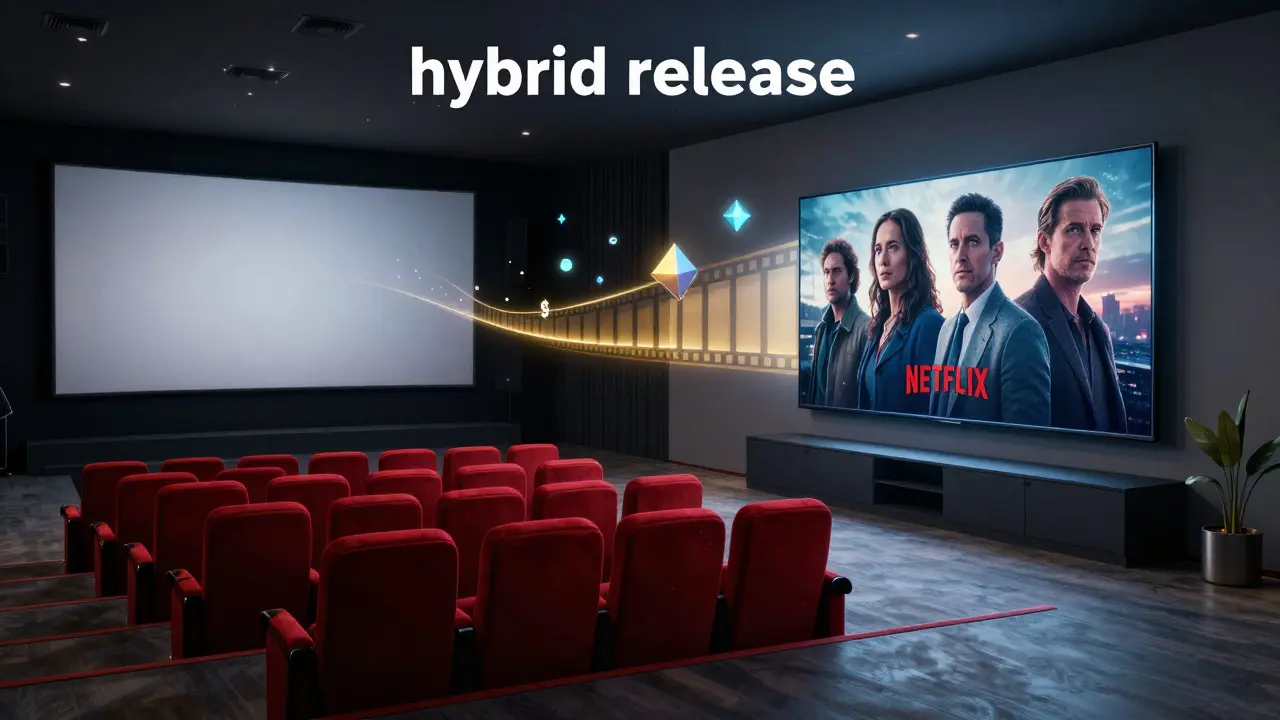
Not all partnerships are equal. Major streamers demand exclusivity. If Bleecker Street signs a deal with Netflix, they can’t license that same movie to Hulu for the duration of the contract. This limits their ability to maximize revenue across multiple platforms. Smaller distributors sometimes struggle to compete with larger entities like A24, which have deeper pockets and stronger negotiating leverage.
- Windowing Restrictions: Theaters want long windows; streamers want short ones. Distributors must balance these conflicting demands.
- Data Opacity: Streamers rarely share detailed viewership data. Distributors often don’t know exactly how many people watched their film, making future negotiations harder.
- Marketing Control: Once a film is on a platform, the distributor loses control over how it’s promoted. A great indie gem can get buried under algorithmic noise.
The Rise of Hybrid Models
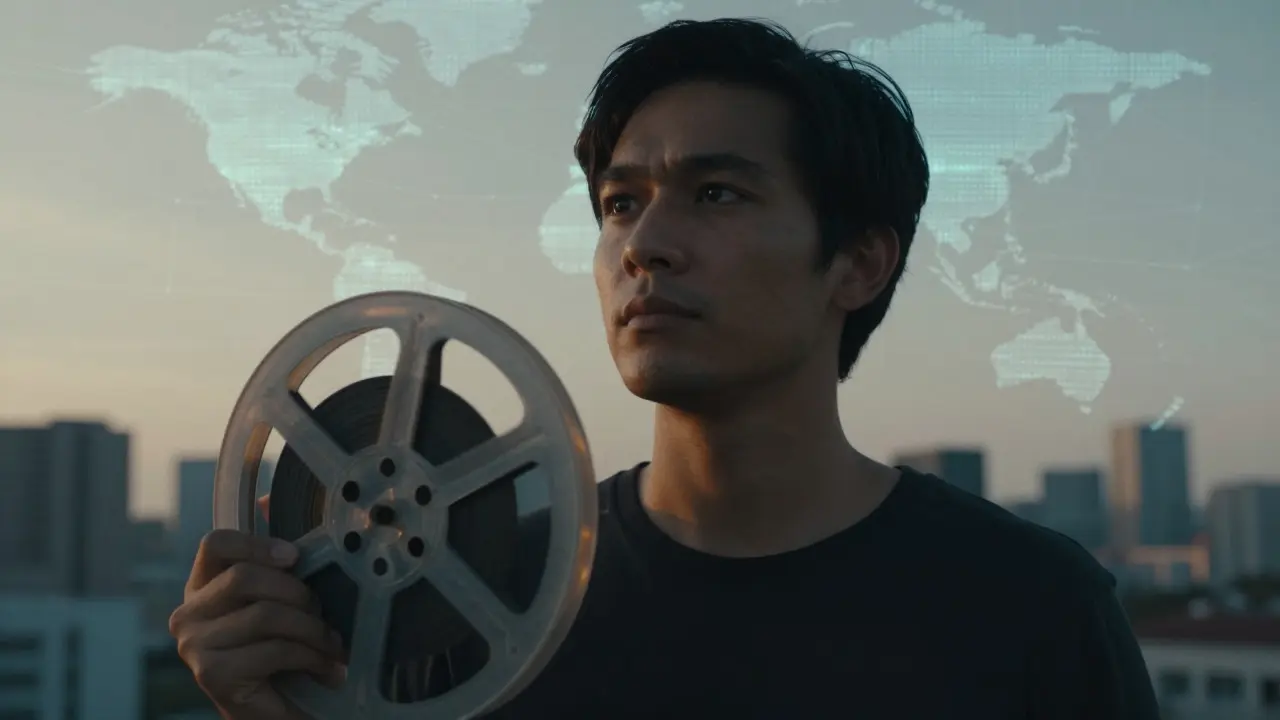
We’re seeing a shift toward hybrid releases. Some distributors now launch films simultaneously in limited theaters and on streaming platforms. This "day-and-date" strategy works well for mid-budget films that don’t need a wide theatrical rollout. It captures the urban audience that wants the big-screen experience while immediately reaching the suburban viewer who prefers home viewing.
Companies like MUBI have taken this further by combining subscription access with curated theatrical releases. They act as both distributor and platform, cutting out the middleman entirely. This vertical integration allows them to control the entire user journey, from discovery to payment. While this model requires massive capital investment, it offers greater long-term stability compared to relying on third-party platforms.
What This Means for Filmmakers
If you’re an indie filmmaker, understanding these dynamics is vital. You aren’t just selling a movie; you’re selling a product that fits into a specific ecosystem. Producers now often build relationships with distributors early in the process, tailoring their pitches to fit what streamers are currently hungry for. Horror and true crime documentaries, for example, perform exceptionally well on streaming platforms due to their high engagement rates.
Filmmakers also need to consider global reach. A partnership with a global streamer means your film can debut in dozens of countries simultaneously. This was impossible in the traditional distribution era, where international sales agents handled territories one by one. Now, a single deal can launch a career overnight, provided the film resonates with the platform’s algorithm and audience demographics.
Do independent distributors still need theatrical releases?
Yes, for most prestige films. A theatrical release generates reviews, awards eligibility, and media buzz that significantly increases the value of the subsequent streaming license. Without it, a film is often seen as "direct-to-streaming," which carries less cachet.
Who owns the streaming rights to indie films?
Typically, the distributor acquires worldwide rights, including streaming. However, in some co-production deals, producers may retain certain digital rights or negotiate revenue shares. It depends heavily on the initial purchase agreement.
Why do streamers prefer licensing over producing?
Licensing is faster and less risky. Producing original content takes years and involves creative uncertainty. Licensing completed films allows streamers to quickly fill gaps in their catalog with proven quality, reducing development overhead.
How does Bleecker Street select its films?
They focus on character-driven stories with strong directorial voices and star power that appeals to adult audiences. They look for films that can bridge the gap between arthouse critics and mainstream accessibility, ensuring broad appeal for streaming platforms.
Can filmmakers bypass distributors entirely?
They can try self-distribution via platforms like Vimeo On Demand, but gaining visibility on major services like Netflix or Amazon Prime usually requires a distributor’s connections and marketing muscle. Self-distribution rarely achieves the same level of industry recognition.