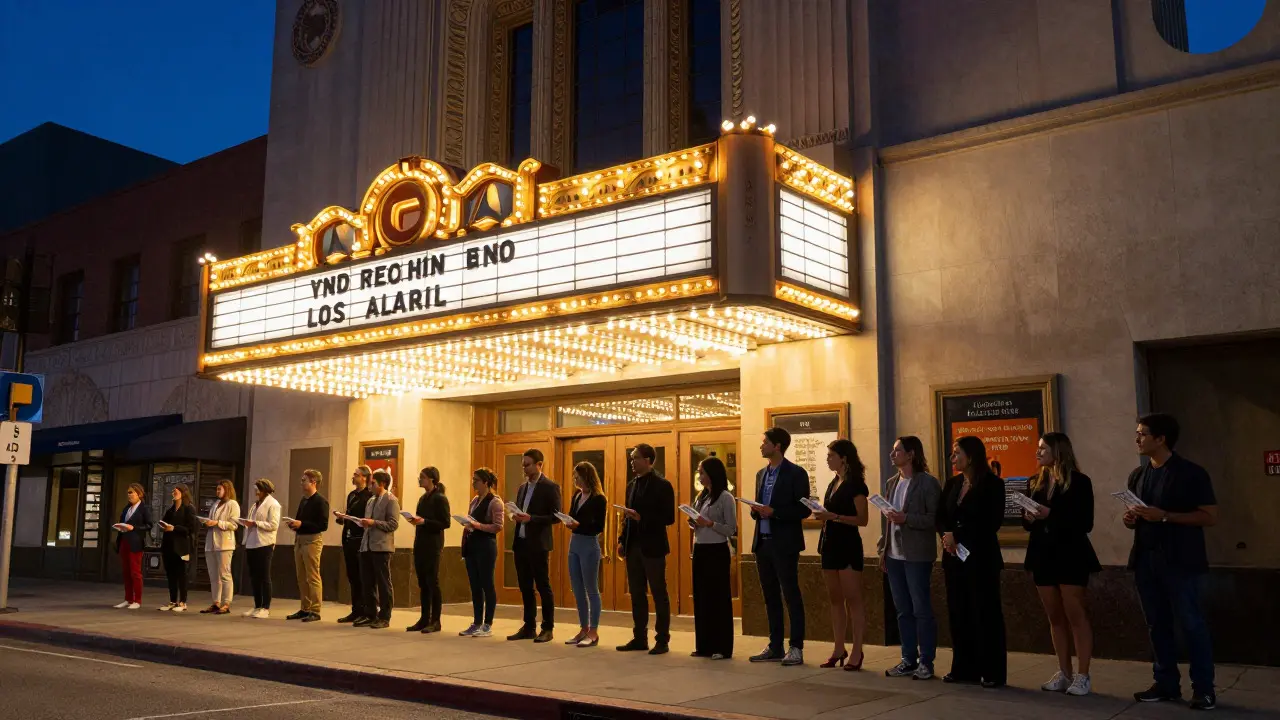
For years, the golden rule of Hollywood was simple: if you want an Oscar nomination, your movie has to play in a real theater. But that landscape shifted dramatically when streaming platforms started dominating box office charts and awards buzz. Today, a film can premiere on a service like Netflix or Apple TV+ and still compete for top honors, provided it meets specific theatrical release requirements. Understanding these rules is no longer just for studio executives; it’s essential knowledge for anyone following the modern film industry.
The core tension lies between accessibility and tradition. Audiences want convenience, while award bodies want to preserve the cultural significance of cinema as a shared, physical experience. This article breaks down exactly how Oscar eligibility works for non-traditional releases, what changed in recent years, and why the "limited release" strategy remains the gold standard for prestige pictures.
What Defines an Awards-Qualifying Release?
To understand the current state of affairs, we have to look at the baseline. The Academy of Motion Picture Arts and Sciences (AMPAS) sets the primary rules for the Oscars, but other major awards like the Golden Globes, BAFTAs, and SAG Awards have their own slightly different criteria. However, the AMPAS standards usually set the industry-wide benchmark.
Historically, a film needed a one-week commercial run in Los Angeles County before being eligible for most categories. In 2021, this rule was relaxed to allow for shorter runs due to pandemic disruptions. As of 2026, the standard requirement for a film to qualify for the Best Picture and other major technical categories is a seven-day theatrical run in Los Angeles County. But here’s the catch: it doesn’t just have to be *any* theater. It must be a commercial exhibition, meaning tickets are sold to the general public, not just invited guests or critics.
For international films competing in the Best International Feature category, the rules are even stricter. These films typically require a three-day run in New York City and Los Angeles, though exceptions are often made based on the film's origin and market size. The key takeaway is that "digital-only" does not equal "ineligible," but it does require a hybrid approach.
The Shift from Exclusive Theatricals to Hybrid Releases
The biggest change in the last five years is the death of the exclusive 90-day theatrical window. Before 2020, studios had to wait three months after a theatrical debut before releasing a film on home video or streaming. That window has been compressed significantly. Now, many films go straight to digital or streamers after their limited theatrical run, sometimes within weeks.
This shift benefits streaming services. Companies like Amazon MGM Studios and Apple Original Films have built entire strategies around acquiring mid-budget dramas that won’t make a splash in wide releases but have strong awards potential. By funding a small, targeted theatrical run in key cities-Los Angeles, New York, and sometimes Chicago-they satisfy the AMPAS requirements without risking millions on a nationwide rollout.
Consider the case of a typical prestige drama released by a major streamer in 2025. The film might open in only two theaters in LA and one in NYC. If it plays for seven days, sells out those screens, and generates enough critical buzz, it becomes eligible. The box office revenue is negligible compared to a wide release, but the marketing value is immense. It signals to voters that this is a "real" movie, not just content.
Key Differences Across Major Award Bodies
While the Oscars are the ultimate goal, filmmakers often target multiple award circuits. Each body has distinct rules regarding film distribution.
| Award Body | Minimum Theatrical Run | Required Locations | Notes |
|---|---|---|---|
| Oscars (AMPAS) | 7 days | Los Angeles County | Must be commercial exhibition. No exclusivity required post-run. |
| Golden Globes | 3 days | New York or Los Angeles | More flexible; allows for shorter windows. |
| BAFTA | 7 days | UK (London) | Requires UK release; US run doesn't count for main categories. |
| SAG Awards | 7 days | US (Commercial) | Aligns closely with AMPAS rules for acting categories. |
Notice the discrepancy with BAFTA. If a film is produced in the US but wants to compete in the UK, it needs a separate UK release. This adds cost and complexity. Many international co-productions navigate this by scheduling staggered releases across continents to maximize eligibility without breaking the budget.

Why Limited Releases Still Matter for Marketing
You might wonder: if the theatrical run is so short, why bother? Why not just release everything on Day One via streaming? The answer lies in perception and algorithmic visibility.
Awards voters are human, and they are influenced by momentum. A film that opens in theaters creates a sense of event. Critics review it, audiences discuss it, and social media buzz builds. When that film then hits a streaming platform, it arrives with pre-existing credibility. Conversely, a film that drops quietly on a streaming service on a random Tuesday often gets lost in the noise of hundreds of other titles.
Furthermore, limited runs allow studios to test audience reaction. If a film performs well in its initial seven days, the distributor can expand the release or push harder in marketing. If it flops, the damage is contained. This low-risk, high-reward model has become the backbone of the modern prestige pipeline.
Common Pitfalls and How to Avoid Them
Even experienced producers trip up on the fine print. Here are the most common mistakes that disqualify otherwise strong contenders:
- Non-Commercial Screenings: Showing the film to friends, family, or industry insiders without selling tickets does not count. Every screening must be a paid, public event.
- Missing the Window: Forgetting that the seven-day run must happen within the calendar year of the ceremony. If the Oscars are in March 2027, the film must have played in theaters sometime between January 1, 2026, and December 31, 2026.
- Ignoring Local Regulations: Some cities have specific zoning laws or licensing fees for theatrical screenings. Failing to secure proper permits can invalidate the run.
- Confusing Digital with Theatrical: A virtual ticket sale is not a theatrical run. The film must be projected on a screen in a physical location.
Pro tip: Always consult with a legal expert specializing in entertainment law before finalizing your release strategy. The rules can change annually, and a single oversight can cost you a nomination.

The Future of Qualifying Rules
Where is this heading? With the rise of immersive technologies and continued growth of direct-to-consumer models, some argue that theatrical requirements are outdated. However, the Academy has shown little sign of abandoning them. Instead, they have adapted by allowing shorter runs and accepting more diverse formats.
In 2026, we see a clear trend: the "hybrid premiere" is the new normal. Expect more films to launch simultaneously in select theaters and on streaming platforms, blurring the lines further. The key will remain the same: prove that your film belongs in a cinema, even if only for a week.
Frequently Asked Questions
Can a film be released exclusively on streaming and still win an Oscar?
Yes, but it must meet the minimum theatrical run requirements. A purely digital release with no physical theater showing is currently ineligible for most major categories. You need at least a seven-day commercial run in Los Angeles for the Oscars.
How long does a film need to stay in theaters to qualify for the Oscars?
As of 2026, the standard requirement is seven consecutive days of commercial exhibition in Los Angeles County. This rule applies to most competitive categories, including Best Picture and directing.
Do I need to release my film in New York to qualify for the Oscars?
No, the Oscars specifically require a run in Los Angeles County. However, releasing in New York is highly recommended for marketing purposes and is required for other awards like the Golden Globes. Many distributors do both to maximize reach.
What counts as a "commercial exhibition"?
A commercial exhibition means tickets are sold to the general public at a set price. Private screenings, free previews, or invite-only events do not count unless they are part of a public ticketing system where anyone can buy a seat.
Can a documentary qualify with a shorter theatrical run?
Generally, no. Most documentaries follow the same seven-day rule as narrative features. However, some specialized festivals or smaller award bodies may have different guidelines. Always check the specific rules for the award you are targeting.





Comments(6)