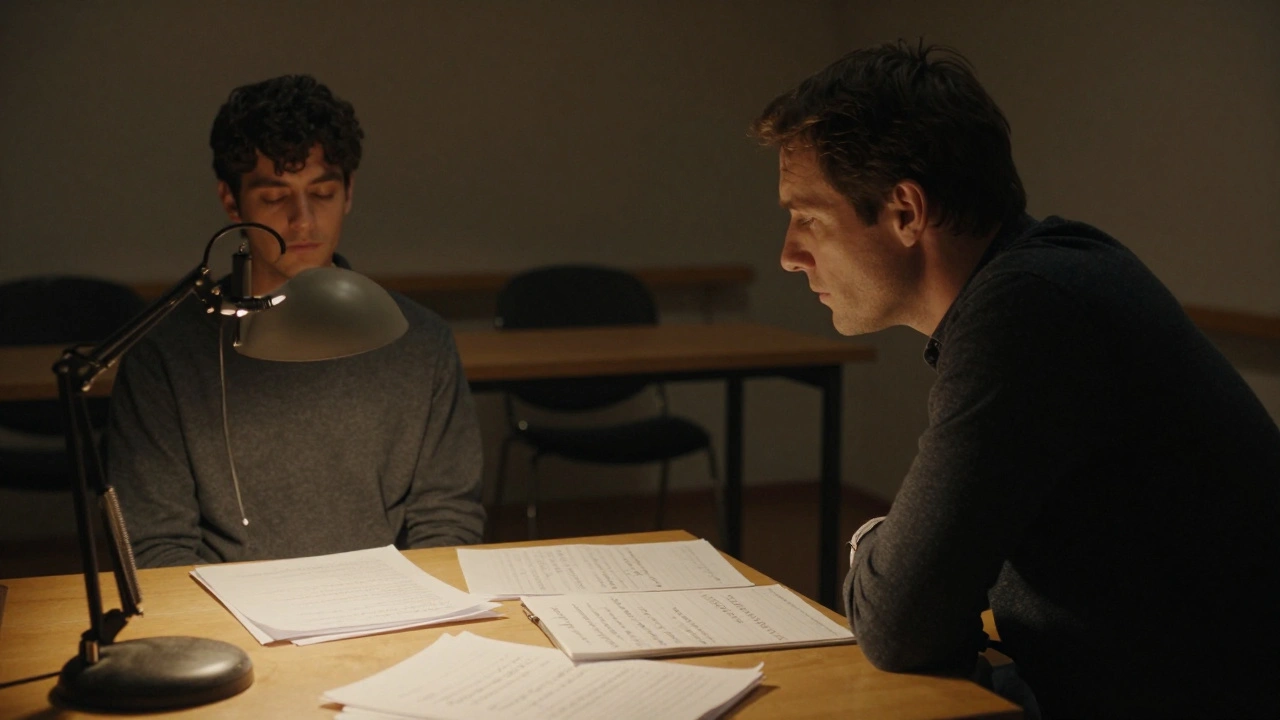
Ever wonder how a director turns a good performance into a legendary one? It’s not magic. It’s not luck. It’s a quiet, intense, often invisible process that happens between the director and the actor - one that can make the difference between a scene that feels real and one that falls flat.
It Starts Before the Camera Rolls
Most people think directing actors begins on set, when the camera starts rolling. But the real work starts weeks, sometimes months, before. Directors who get consistent, powerful performances don’t just give lines and blocking. They build trust. They dig into the character’s history, motivations, fears - and then they share that with the actor.Take Denis Villeneuve’s work with Emily Blunt in Blade Runner 2049. He didn’t just tell her how to deliver a line. He gave her a 30-page document on her character’s emotional arc, her childhood trauma, even her favorite books. That’s not script notes. That’s psychological groundwork. It lets the actor step into the role with confidence, not guesswork.
Directors like Greta Gerwig and Kenneth Lonergan do something similar. They hold long, unstructured conversations - sometimes over coffee - just to hear how the actor thinks about the character. They don’t want to control. They want to understand. That’s the first rule of performance direction: you can’t direct what you don’t understand.
The Language of Direction
There’s no universal script for how to direct an actor. What works for Daniel Day-Lewis won’t work for Zendaya. Some actors need clear, technical cues: “Shift your weight left,” “Hold the pause two beats longer.” Others need poetic, emotional language: “Imagine you’re holding a bird that’s about to fly away.”One of the most powerful tools a director has is substitution. Instead of saying “Be sad,” they might say, “Think about the last time you lost someone you didn’t expect to.” That taps into real emotion, not表演. It’s not manipulation - it’s excavation.
Christopher Nolan is famous for this. In Inception, he told Leonardo DiCaprio to think of his character’s guilt as a “heavy coat” he couldn’t take off. That single metaphor shaped DiCaprio’s entire physicality - the slumped shoulders, the slow movements, the way he avoided eye contact. No one else on set knew what he was thinking. But you felt it.
On the flip side, some directors use silence. Paul Thomas Anderson once spent 47 takes on a single scene with Joaquin Phoenix in The Master. He didn’t say a word after the first take. He just stared. Phoenix later said it felt like being watched by a predator. That tension became the heart of the film.
On-Set Dynamics: Control vs. Freedom
There’s a myth that great performances come from total freedom - let the actor improvise, go wild, be spontaneous. Sometimes that’s true. But more often, great performances come from structured freedom.That means: give the actor a clear boundary, then let them explore inside it. Martin Scorsese does this brilliantly. He’ll say, “You’re angry, but you’re not yelling. You’re quiet. You’re calculating.” Then he’ll say, “Now go.” He gives the emotional compass, not the map.
Some directors micromanage every breath. Others hand the actor the keys and disappear. The best ones know when to push, when to pull, and when to just watch. It’s not about control. It’s about resonance.
Think of it like tuning a guitar. You don’t just twist the pegs randomly. You listen. You feel the vibration. You adjust until it sings. Directing actors is the same. You don’t tell them what to do. You help them find what’s already there.
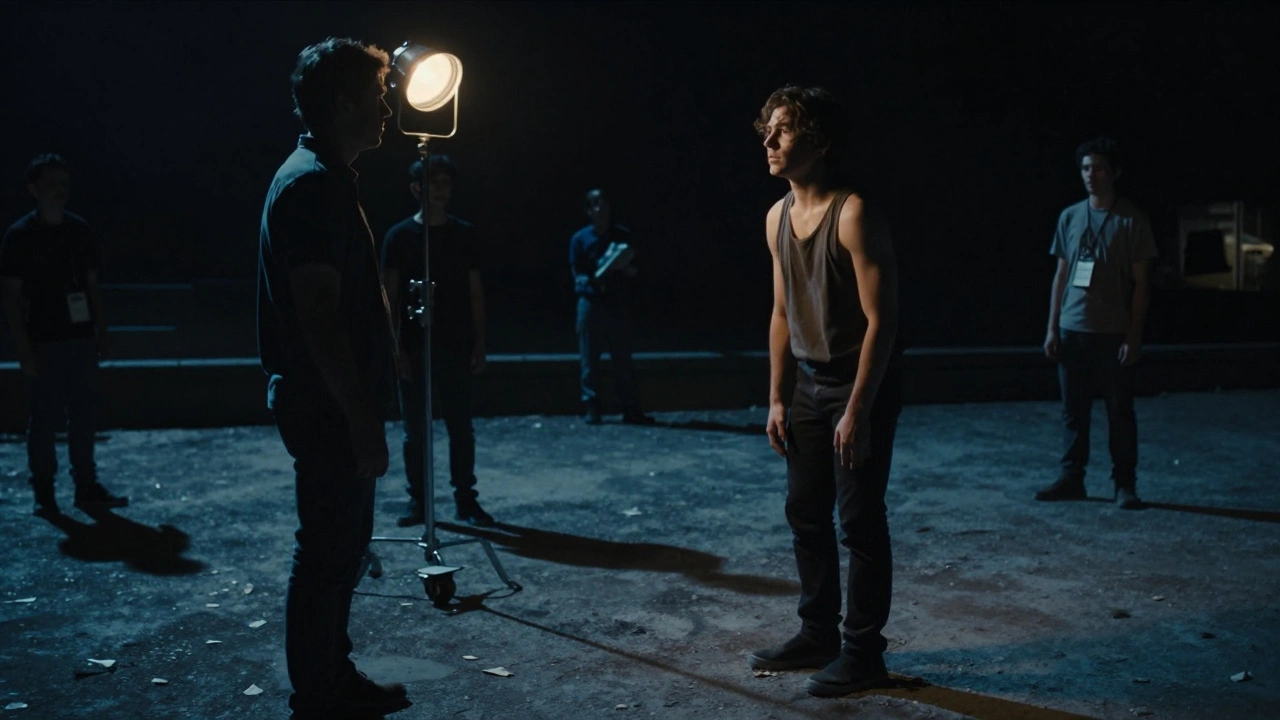
Rehearsal Isn’t Optional
Many indie films skip rehearsal because of budget or time. Big studio films often treat it like a formality. But the best directors treat rehearsal as sacred.Ingmar Bergman rehearsed for months. He’d have actors repeat a single line 100 times, each time with a different emotional weight. He wasn’t training them. He was uncovering layers they didn’t know they had.
Modern directors like Emerald Fennell (Promising Young Woman) do the same. She ran three full weeks of table reads and scene work before shooting. She didn’t want actors to memorize lines. She wanted them to live them.
Rehearsal isn’t about getting it right. It’s about getting it real. It’s where fear, hesitation, and false choices get stripped away. What’s left? Truth.
The Director as Mirror
One of the most underrated skills in performance direction is the ability to reflect. Not to correct. Not to fix. But to reflect.When an actor gives a take that’s close but not quite there, the best directors don’t say, “Do it again.” They say, “I saw something in that take - a flicker. Let’s find it again.”
That’s what Steven Spielberg did with Richard Dreyfuss in Jaws. After a take where Dreyfuss seemed too nervous, Spielberg didn’t give notes. He just said, “You’re scared. You should be.” Then he let Dreyfuss sit in silence for a full minute. When they rolled again, the fear was real - because it was his own.
That’s the magic. The director doesn’t create the emotion. They help the actor access it. They’re not the source. They’re the mirror.

When It Goes Wrong
Not every collaboration works. Sometimes the director doesn’t listen. Sometimes the actor resists. Sometimes the chemistry just isn’t there.One of the most famous breakdowns happened on the set of Scarface. Brian De Palma and Al Pacino clashed constantly. Pacino wanted to go big, theatrical. De Palma wanted subtlety. The tension bled into the film - and it’s part of what makes Pacino’s performance so electric. It wasn’t perfect. But it was alive.
When direction fails, it’s usually because the director tried to impose their vision instead of drawing out the actor’s. The worst thing a director can do is treat the actor like a puppet. The best thing? Treat them like a co-creator.
What Makes a Great Performance Direction?
It’s not about how many takes you do. It’s not about how loud you are. It’s not even about the final shot.A great performance direction leaves the actor feeling seen. It leaves them with a deeper understanding of who they are - both as a person and as a character. It leaves them changed.
The best directors don’t just make great films. They help actors become better versions of themselves. That’s why we remember performances decades later - not because they were perfect, but because they were true.
So next time you watch a scene that moves you - don’t just admire the actor. Think about the person behind the camera. The one who listened. The one who waited. The one who knew when to speak - and when to stay quiet.
Can a director change an actor’s performance after filming?
In editing, a director can choose which takes to use, how to cut them, and even adjust sound or pacing to enhance emotion. But they can’t change what the actor did on set. What’s captured in the performance is final. The director’s job after filming is to protect and highlight the truth that was already there - not to fix it.
Do all directors work the same way with actors?
No. Some directors are highly detailed and give precise instructions. Others prefer to create an environment and let actors find their way. Some are quiet observers. Others are emotionally intense. The best directors adapt their style to the actor and the scene - not the other way around. There’s no single right way, only what works for that moment.
How do directors handle actors who are unprepared?
Good directors don’t label actors as unprepared. Instead, they ask: What’s missing? Is it emotional access? Physical grounding? Context? They’ll often work one-on-one after hours - giving lines to read aloud, walking through scenes, or sharing personal stories to unlock the character. The goal isn’t to fix the actor - it’s to find the door to their truth.
Is it better to direct actors with words or actions?
Both. Words explain the intention. Actions show the feeling. The best directors combine them. They’ll say, “You’re holding back,” and then physically demonstrate how that looks - shoulders tight, eyes down, voice low. Then they’ll ask the actor to mirror it. It’s not imitation - it’s embodiment. That’s how you bridge thought and feeling.
What’s the biggest mistake directors make when working with actors?
The biggest mistake is assuming the actor’s job is to follow directions. It’s not. The actor’s job is to reveal truth. The director’s job is to help them find it - not to dictate it. When a director tries to control every gesture, tone, or breath, they kill spontaneity. And spontaneity is where real emotion lives.





Comments(6)