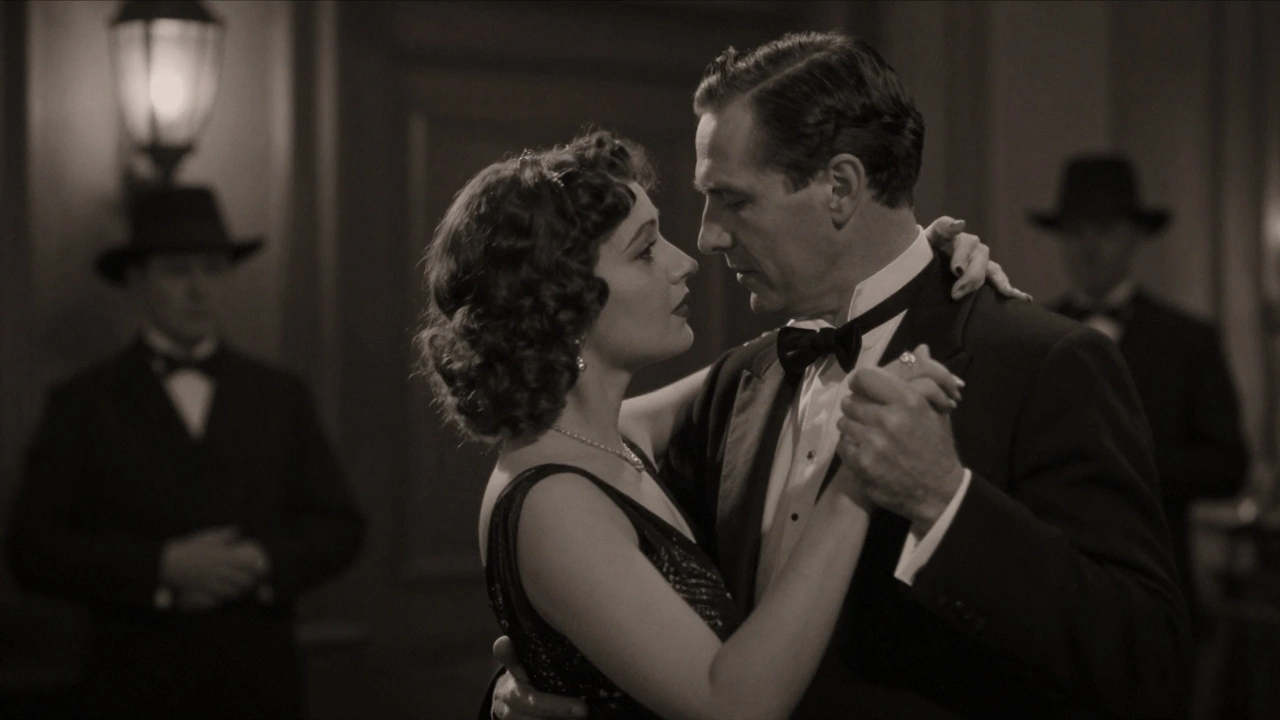
Queer cinema didn’t start with Pride parades or rainbow logos. It began in shadows, in coded glances, in silent films where two men held hands too long, or a woman wore a tuxedo just to dance. For decades, LGBTQ+ stories were buried under censorship, erased by studios, or twisted into punchlines. But they never disappeared. They evolved. They resisted. And by the 1990s, they exploded onto screens with raw honesty.
The Silent Era: Hidden Glances, Open Secrets
In the 1920s, before the Hays Code crushed any hint of queerness, filmmakers found ways to show same-sex desire without saying it outright. In The Children’s Hour (1934), the word ‘lesbian’ was never spoken-but the accusation alone destroyed lives on screen. Audiences knew what it meant. In Pandora’s Box (1929), Louise Brooks played Lulu, a free-spirited woman whose relationships with both men and women unsettled censors. She wasn’t labeled. She wasn’t punished. She just lived. That was radical.
Even in silent films, queer characters appeared in plain sight. The Way of All Flesh (1927) featured a male character who wore women’s clothes and was treated with dignity, not ridicule. In Victor/Victoria (1933), a woman disguises herself as a male impersonator-and falls for a man who thinks she’s a man. The film played the joke, but the audience saw the truth: gender wasn’t fixed. It was performative. Decades before Judith Butler wrote about it, cinema was already showing it.
The Hays Code Era: Coded Language and Tragic Endings
By 1934, the Motion Picture Production Code-known as the Hays Code-banned any depiction of ‘sexual perversion.’ That meant no overt gay characters. No happy endings. No positive portrayals. But filmmakers didn’t stop. They got clever.
In Some Like It Hot (1959), two men dress as women to escape the mob. The joke was cross-dressing, but the film’s humor came from how naturally they moved through the world. The audience laughed, but also saw the absurdity of gender norms. In The Children’s Hour (1961), the remake of the 1934 film, the lesbian characters still died by suicide-because the code demanded it. But the pain felt real. Audiences cried, not because the characters were ‘wrong,’ but because they were human.
Even villains carried queer coding. In Psycho (1960), Norman Bates’s cross-dressing and fractured identity hinted at repressed desire. In The Birdcage (1996), the drag nightclub owner wasn’t a caricature-he was a father, a lover, a man who loved deeply. That shift-from villain to human-didn’t happen overnight. It took decades of underground screenings, activist protests, and filmmakers risking their careers.
The 1970s and 80s: Rebellion on the Fringe
After the Stonewall riots in 1969, queer filmmakers began making films outside the studio system. No big budgets. No studio approval. Just passion and 16mm cameras.
John Waters, with films like Pink Flamingos (1972), turned queerness into a weapon of absurdity and defiance. His characters weren’t trying to be accepted-they were too busy being outrageous. Meanwhile, in New York, filmmakers like Marlon Riggs made Tongues Untied (1989), a poetic, painful collage of Black gay life. It was banned from PBS, but circulated in churches, community centers, and college dorms.
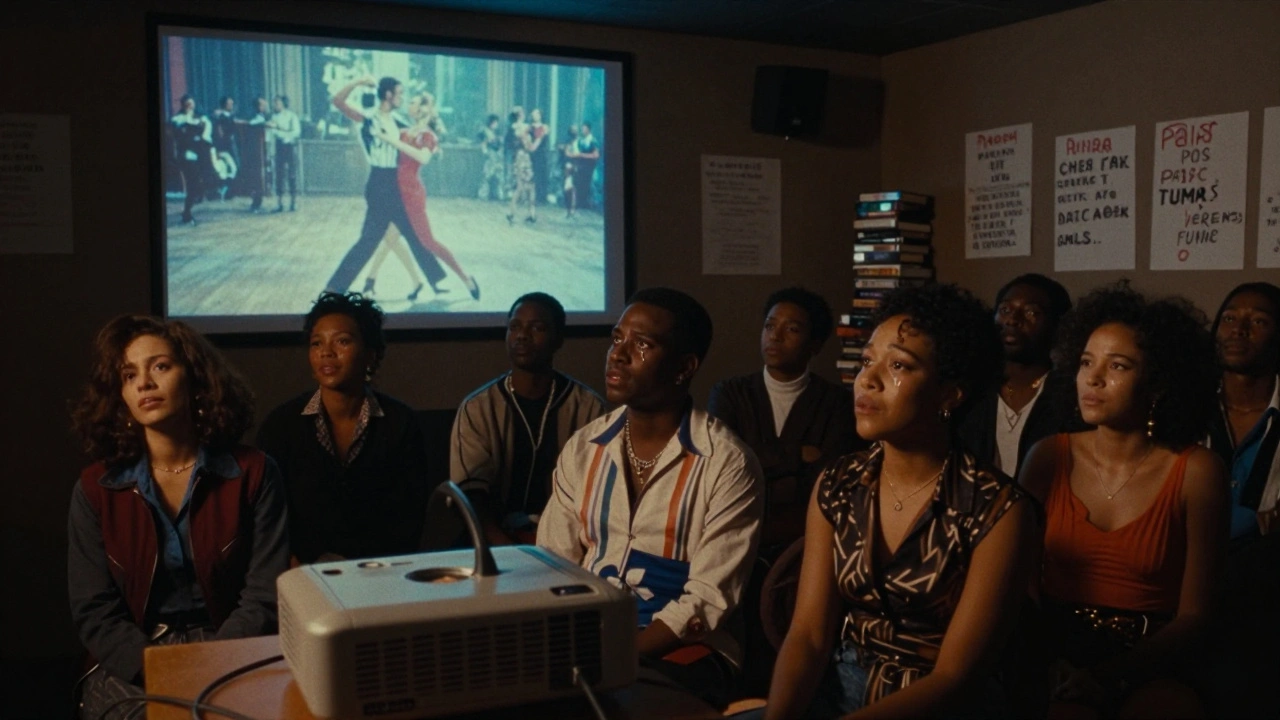
During the AIDS crisis, cinema became a lifeline. Longtime Companion (1989) was one of the first mainstream films to show gay men dying of AIDS-not as statistics, but as friends, lovers, and people who laughed, argued, and held each other. In Paris Is Burning (1990), ballroom culture-Black and Latinx queer communities creating families through dance-was captured with love and respect. It wasn’t a documentary. It was a testament.
The 1990s: Breakthroughs and Backlash
The 1990s brought the first wave of LGBTQ+ films that didn’t end in death or shame. The Birdcage (1996) was a box office hit. My Own Private Idaho (1991) showed two gay street youths with depth, longing, and poetry. River Phoenix’s performance as a street kid searching for his mother wasn’t a stereotype-it was heartbreaking because it was real.
Independent cinema thrived. Films like Go Fish (1994), made for $25,000, portrayed a lesbian relationship without tragedy. No one died. No one came out in a dramatic scene. They just fell in love. That was revolutionary.
But backlash followed. Basic Instinct (1992) turned a bisexual woman into a murderous seductress. Trainspotting (1996) used a gay character as comic relief. Hollywood still didn’t know how to handle queerness without fear or fetishization. But the audience did. They flocked to indie films. They rented VHS tapes. They passed them to friends.
2000s to 2020s: Mainstream, But Not Perfect
By the 2000s, studios saw profit in LGBTQ+ stories. Brokeback Mountain (2005) made $178 million worldwide. It won Oscars. But it also ended in tragedy. The two cowboys didn’t live happily ever after. The world wasn’t ready. But the world was watching.
Call Me by Your Name (2017) offered tenderness. Moonlight (2016) showed a Black gay boy growing up in Miami-not as a victim, but as a whole person. Portrait of a Lady on Fire (2019) was a French lesbian romance with no male gaze, no trauma, just two women falling in love in silence. It was nominated for an Oscar. It didn’t need a happy ending to be powerful.
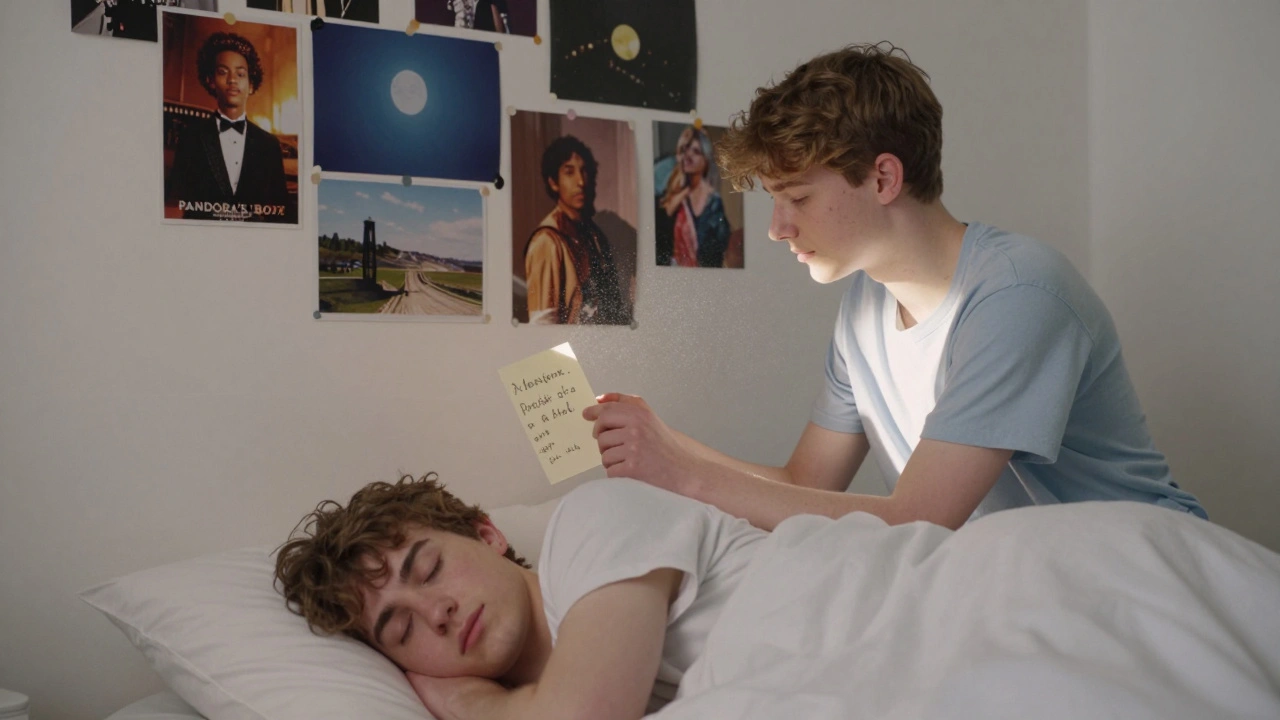
Streaming platforms changed everything. Netflix, Hulu, and Amazon gave space to stories that never would’ve made it to theaters. Orange Is the New Black (2013) featured over 10 LGBTQ+ characters of color. Heartstopper (2022) showed a sweet, gentle gay romance between two British teens-no violence, no coming-out trauma, just first kisses and handwritten notes.
But gaps remain. Trans stories are still rare. Intersex characters are nearly invisible. Queer people of color still get sidelined. Most mainstream LGBTQ+ films still center white, cisgender men. The industry has improved, but it’s still catching up.
Why This History Matters
Queer cinema isn’t just about representation. It’s about survival. Every film that showed a same-sex kiss before 1990 was an act of rebellion. Every character who lived past the final scene was a victory.
When a young queer person watches Paris Is Burning and sees people like them creating family out of nothing, they don’t just see a documentary. They see possibility. When they watch Heartstopper and see two boys holding hands without fear, they feel less alone.
These films didn’t just reflect culture. They changed it. They made people question norms. They made parents understand their children. They made lawmakers reconsider laws. They made audiences cry-not because someone died, but because someone was finally seen.
Where to Start Watching
If you want to trace the arc of queer cinema, start here:
- Pandora’s Box (1929) - Silent era defiance
- The Children’s Hour (1961) - Coded tragedy
- Paris Is Burning (1990) - Ballroom culture and survival
- My Own Private Idaho (1991) - Poetic queer youth
- Go Fish (1994) - Lesbian love without tragedy
- Brokeback Mountain (2005) - Mainstream breakthrough
- Moonlight (2016) - Black gay identity in America
- Portrait of a Lady on Fire (2019) - Lesbian love without the male gaze
- Heartstopper (2022) - Gentle, joyful queer teen romance
These aren’t just films. They’re archives. They’re protests. They’re love letters to people who were told they didn’t exist.


Comments(9)