Think sci-fi movies need a billion-dollar budget to feel epic? Think again. Some of the most unforgettable sci-fi stories ever made were shot for less than the cost of a new car. Sci-fi isn’t about explosions or CGI aliens-it’s about ideas that stick with you long after the credits roll. The best sci-fi doesn’t show you the future; it makes you question the present.
Why Budgets Don’t Define Sci-Fi
Big studios spend millions on digital environments, motion-capture aliens, and space battles that look amazing for five minutes-then vanish from memory. Meanwhile, indie filmmakers are making films that haunt viewers for years with a single room, a flickering light, and a haunting question.
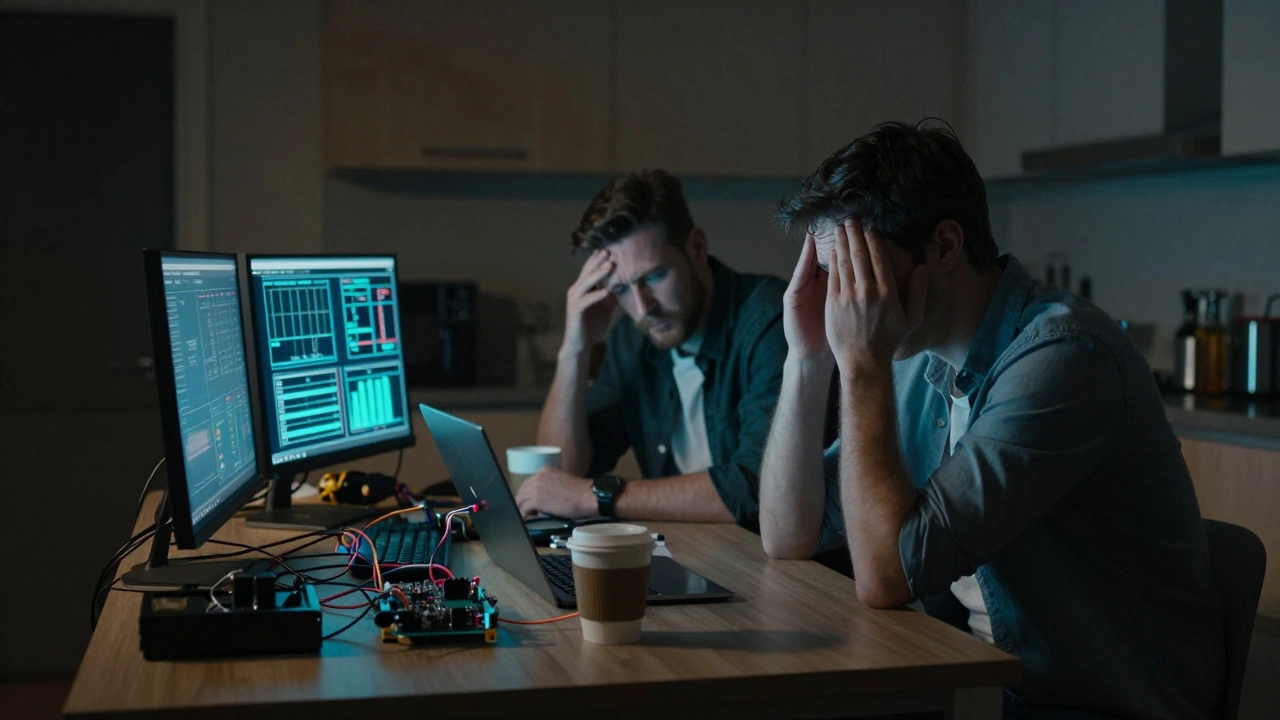
Take Primer (2004). Made for $7,000, it’s a time-travel movie built on conversations in garages and kitchens. No spaceships. No laser guns. Just two engineers trying to understand what they’ve accidentally created. It won the Grand Jury Prize at Sundance. Why? Because it made you feel the weight of a choice you couldn’t undo.
Or Coherence (2013). Shot over eight nights in a single house with a cast of friends, it uses a passing comet to unravel reality. The entire budget? Around $50,000. It’s more terrifying than any monster movie because you’re never sure if the person next to you is still the same person.
These films prove that sci-fi’s power comes from tension, not spectacle. When you can’t afford to show a giant robot, you focus on how a character’s fear feels in their hands, their voice, their silence.
Smart Concepts That Replace Expensive Effects
Instead of spending cash on digital effects, smart filmmakers invest in concepts that cost nothing but imagination. Here are five proven ideas that work every time:
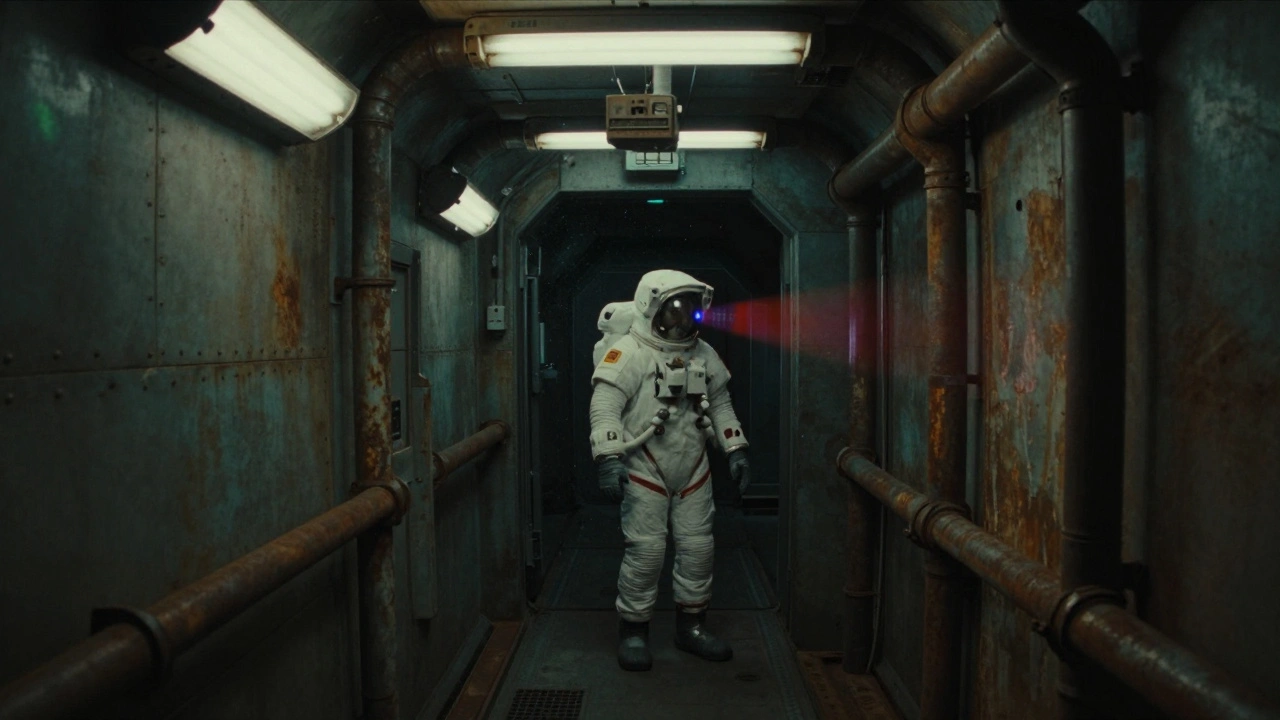
- One location, infinite stakes - A single room, a spaceship corridor, or a basement can become a prison, a laboratory, or a tomb. Limiting space forces tension to grow. Alien (1979) took place mostly on one ship-and it’s still the scariest sci-fi ever made.
- Sound over sight - What you don’t see is scarier than what you do. The monster in It Follows (2014) is never fully shown. In Event Horizon (1997), the horror comes from distorted radio chatter and whispers from nowhere. Let the audience’s mind build the monster.
- Technology as a character - A broken AI, a malfunctioning AI voice, or a dying ship computer can be more compelling than any alien. In Ex Machina (2014), the entire film hinges on one robot’s voice and gaze. No explosions. Just questions about consciousness.
- Real-world physics as a constraint - If you can’t afford zero-gravity sets, use wires, slow motion, and clever editing. In Moon (2009), the lunar surface is a studio floor with sand and lighting. The isolation feels real because the actor’s performance sells it, not the backdrop.
- Human emotion as the alien - The real sci-fi horror isn’t the creature-it’s the loneliness, the betrayal, the loss of identity. Arrival (2016) didn’t need giant ships to make you cry. It needed a mother’s grief and a language that changed time itself.
Practical Tricks for Low-Budget Filmmakers
Working with tight money doesn’t mean working with low creativity. Here’s how real indie filmmakers pull off sci-fi magic without a crew of 200:
- Use natural light - A cloudy day can look like a distant planet. A single LED panel with a colored gel turns a bedroom into a spaceship control room.
- Repurpose everyday objects - A fan spinning in front of a flashlight creates a flickering alien signal. A fish tank with water and food coloring becomes a glowing alien liquid.
- Shoot at night - Dark streets look like abandoned colonies. Empty parking lots turn into alien landing zones. You don’t need to build a world-you just need to make it feel forgotten.
- Use found audio - Free sound libraries have eerie drones, static bursts, and mechanical hums. Layer them under dialogue to make any scene feel otherworldly.
- Cast actors who can sell emotion - A great sci-fi performance doesn’t need prosthetics. It needs silence, hesitation, and eyes that say, “I know something you don’t.”
Examples That Prove It Works
Let’s look at three modern low-budget sci-fi films that did more with less:
Time Lapse (2014) - Shot in one apartment with three actors. A camera that takes pictures 24 hours into the future. The twist? The characters start changing their own pasts. Budget: $100,000. Impact: cult classic.
The Endless (2017) - Two brothers return to a cult they escaped. The cult claims they’ve discovered time loops. The setting? A remote forest compound. The effects? Flickering lights, strange symbols drawn in dirt, and a radio that plays voices from the future. Budget: $150,000. Won Best Feature at the Brooklyn Horror Film Festival.
Another Earth (2011) - A second Earth appears in the sky. The film isn’t about the planet. It’s about guilt, forgiveness, and what you’d do if you could meet yourself. No spaceships. No aliens. Just a woman staring at the sky and wondering if she deserves a second chance. Budget: $150,000. Acquired by Fox Searchlight.
These films didn’t win because they looked expensive. They won because they felt true.
What Makes a Sci-Fi Idea Last?
Sci-fi that lasts isn’t about how many pixels are on screen. It’s about how many questions it leaves in your head.
Why did the AI turn? Was the alien really hostile-or just trying to communicate? What happens when you can’t trust your own memory?
The best sci-fi doesn’t answer questions. It makes you live inside them.
When you’re stuck with a small budget, you’re forced to focus on what matters: character, emotion, and the weight of a single decision. That’s what makes sci-fi feel real. Not the explosions. Not the holograms. The silence after the last line.
Some of the most powerful sci-fi moments ever filmed cost less than a good dinner. A whisper. A pause. A flickering light. A look that says, “I’m not alone… but I might be the only one who knows.”

Where to Start If You Want to Make Your Own
If you’ve got a story burning inside you but no budget, here’s how to begin:
- Write a script that takes place in one location. Limit your cast to three people or fewer.
- Choose a concept that scares you. Not a monster-something human. Loss. Identity. Time. Memory.
- Shoot it on your phone. Use natural light. Record sound with a cheap lavalier mic.
- Find one actor who can hold silence. That’s your star.
- Use free sound effects and color grading apps to create mood.
- Release it online. Let people feel it. If it moves one person, you’ve done more than most blockbusters.
You don’t need a studio. You need a question worth asking.
Can you make a good sci-fi movie with just a smartphone?
Yes. Films like Coherence and Time Lapse were shot on consumer cameras. The key isn’t the gear-it’s the story. A smartphone can capture emotion, silence, and tension just as well as a $50,000 camera. What matters is the idea behind the shot, not the resolution of the image.
What’s the cheapest way to create alien effects?
Don’t create aliens. Create absence. Use shadows, distorted audio, and strange behavior. In It Follows, the monster is never fully seen. In Primer, time travel is shown through confused conversations and mismatched timelines. Let the audience imagine the horror-it’s always scarier than what you show.
Do low-budget sci-fi films have a chance at festivals?
Absolutely. Sundance, SXSW, and Tribeca regularly pick up micro-budget sci-fi. What they look for is originality, emotional truth, and strong direction-not budget size. Primer won Sundance’s Grand Jury Prize. The Endless won Best Feature at Brooklyn Horror. Festivals want stories that stick, not effects that dazzle.
How do you make a spaceship look real without CGI?
Use real spaces. A warehouse with pipes, wires, and flickering lights becomes a ship’s engine room. Use practical lighting-LED strips, colored gels, and handheld flashlights. Add ambient sound: hums, clicks, and distant ventilation. In Alien, the Nostromo felt real because it looked lived-in. Dust, grease, and worn buttons matter more than glowing panels.
What’s the biggest mistake low-budget sci-fi filmmakers make?
Trying to copy Hollywood. If you spend your budget trying to replicate a CGI alien or a space battle, you’ll run out of money and lose your story. Focus on one strong idea, one emotional core, and one character’s journey. The audience will fill in the rest. The best sci-fi doesn’t show you the future-it makes you feel it.
Final Thought: The Future Is in the Mind
Sci-fi isn’t about the technology you can buy. It’s about the questions you can’t ignore. The future isn’t built in labs-it’s built in quiet rooms, late-night thoughts, and conversations that make you pause.
Some of the most powerful sci-fi moments ever filmed cost less than a coffee. A whisper. A pause. A flickering light. A look that says, “I’m not alone… but I might be the only one who knows.”


Comments(8)