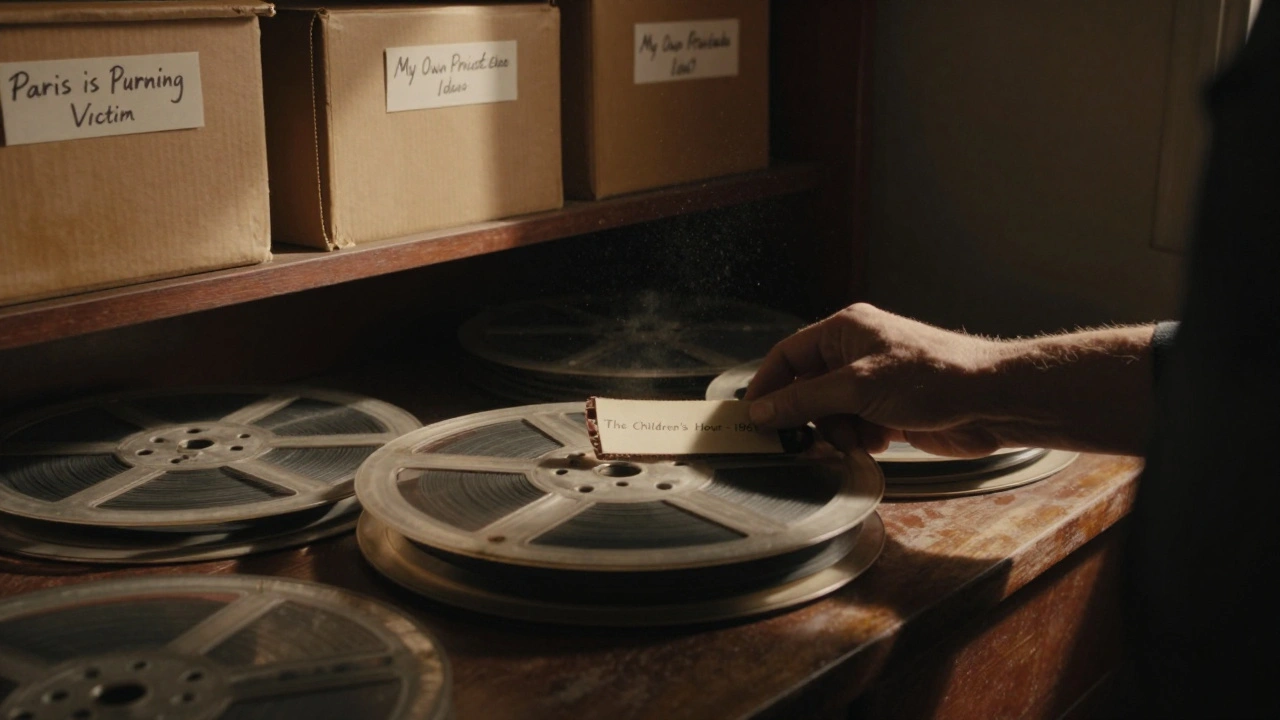
For decades, queer cinema was buried under censorship, neglect, or outright erasure. Many of the most powerful films about gay, lesbian, bisexual, transgender, and nonbinary lives didn’t just fade away-they were lost. Prints were destroyed. Archives ignored them. Distributors refused to touch them. But now, something’s changing. A wave of restorations is bringing these films back to life, not as relics, but as urgent, vital works that still speak to today’s audiences.
Why These Films Matter Now
These aren’t just old movies with outdated fashion. They’re documents of survival. In the 1950s and 60s, filmmakers had to sneak queer stories into their work-through coded glances, hidden symbols, or subtext that only marginalized audiences could read. When queer cinema was shown at all, it was often in underground screenings or at film festivals that barely had funding. Many of these films never got proper distribution. Some were cut by censors. Others were shelved because studios feared backlash.
Take The Children’s Hour (1961), based on Lillian Hellman’s play about two women accused of having a lesbian affair. The studio forced the ending to be rewritten so the characters didn’t end up together. Even then, the film was pulled from theaters after just a few weeks. Decades later, a 35mm print was found in a French archive, restored by the Criterion Collection, and re-released with the original script restored. That version? It’s now taught in film schools across the U.S.
The Restoration Process: How Forgotten Films Come Back
Restoring a film isn’t just cleaning dirt off the frame. It’s detective work. Many of these films were shot on nitrate film, which is highly flammable and degrades over time. If not stored properly, it turns to dust. Others were copied onto inferior stock, losing color and sound quality. Some reels were missing entirely.
Organizations like the UCLA Film & Television Archive, the George Eastman Museum, and the Queer Film Archive in Berlin have spent years tracking down fragments. In 2023, a 16mm print of Paris Is Burning (1990) was discovered in a New Orleans basement, wrapped in newspaper and stored in a metal trunk. The audio was warped, the color faded to sepia. Over 18 months, restorers used AI-assisted image alignment and analog audio reconstruction to bring it back to its original vibrancy. The restored version premiered at the Toronto International Film Festival in 2024 and is now streaming on Criterion Channel.
It’s not just about picture quality. It’s about context. Restorations now include original soundtracks that were replaced, director’s commentary tracks recorded decades ago, and interviews with surviving cast and crew. These aren’t extras-they’re history.
Key Films That Were Restored and Re-Released
Here are five landmark queer films that were nearly lost-and are now back in theaters and on streaming platforms:
- La Cérémonie (1995) - Claude Chabrol’s chilling French thriller about class and repression, with a quietly revolutionary lesbian relationship at its core. Restored in 4K by the French Cinémathèque, it’s now available on MUBI.
- My Own Private Idaho (1991) - Gus Van Sant’s poetic road movie starring River Phoenix and Keanu Reeves as two gay hustlers searching for belonging. The original 35mm print was damaged in a warehouse fire. A new negative was reconstructed from international prints and archival footage. The restored version includes deleted scenes cut by the studio, showing deeper emotional layers.
- Victim (1961) - The first British film to openly depict homosexuality as a legal and social issue. It was banned in several U.S. states. A print was found in the British Film Institute’s vault, untouched since 1962. The restoration included the original mono soundtrack, which had been replaced with a stereo version in the 1980s.
- The Celluloid Closet (1995) - Based on Vito Russo’s groundbreaking book, this documentary traces Hollywood’s portrayal of LGBTQ+ characters from the 1920s to the 1990s. The original VHS tapes were deteriorating. The restoration team recovered the original interviews with Lily Tomlin, Susan Sarandon, and Harvey Fierstein, which had been lost for years.
- Paris Is Burning (1990) - Jennie Livingston’s documentary on New York’s ballroom scene. After the 2023 restoration, the film was added to the National Film Registry by the Library of Congress-the first ballroom film ever to receive this honor.
Who’s Behind the Restoration Efforts?
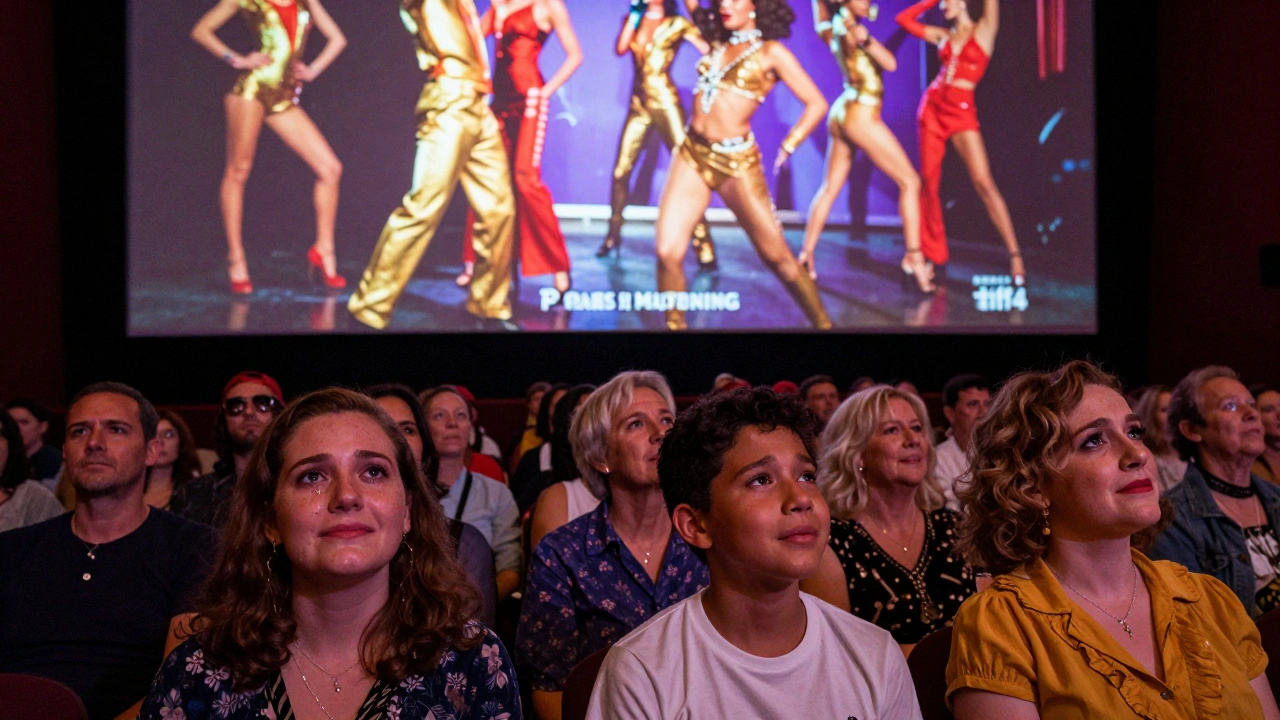
These restorations aren’t happening by accident. They’re the result of decades of advocacy by archivists, historians, and queer film scholars. Groups like Outfest UCLA Legacy Project and the Queer Film Archive have pushed studios and museums to prioritize these films. In 2021, the Academy of Motion Picture Arts and Sciences launched a $2 million fund specifically for restoring LGBTQ+ films. The fund has already supported 17 restorations, including Spring Storm (1958), a lost German film about a transgender woman in postwar Berlin.
Independent filmmakers are also stepping in. In 2024, a group of queer filmmakers in Asheville raised $45,000 through crowdfunding to restore a 1977 experimental short called My Brother’s Keeper, one of the first films to portray a Black gay man as the central character. The film had only one surviving print, stored in a closet in Philadelphia. Now, it screens annually at the Asheville Queer Film Festival.
Why This Isn’t Just Nostalgia
Some people think these restorations are just for older audiences who remember seeing these films in the past. That’s not true. Younger viewers-especially LGBTQ+ teens-are discovering these films for the first time. A 2024 survey by GLAAD found that 68% of LGBTQ+ youth aged 16-21 had watched at least one restored queer classic in the past year. Many said it helped them feel less alone.
These films aren’t just about the past. They’re about how far we’ve come-and how far we still have to go. Watching Victim today, you see how the fight for legal recognition was fought on cinema screens. Watching Paris Is Burning, you hear the same language of identity and belonging that’s used in today’s trans rights movements.
Where to Watch These Restored Films
You don’t need to wait for a film festival to see them. Many are now available on major platforms:
- Criterion Channel - Hosts the largest collection of restored queer films, including My Own Private Idaho, La Cérémonie, and Victim.
- MUBI - Features curated monthly selections of restored international queer cinema.
- Amazon Prime Video - Offers Paris Is Burning and The Celluloid Closet as part of its LGBTQ+ collection.
- Local arthouse theaters - Many now host monthly queer classic nights. Check with your local independent cinema.
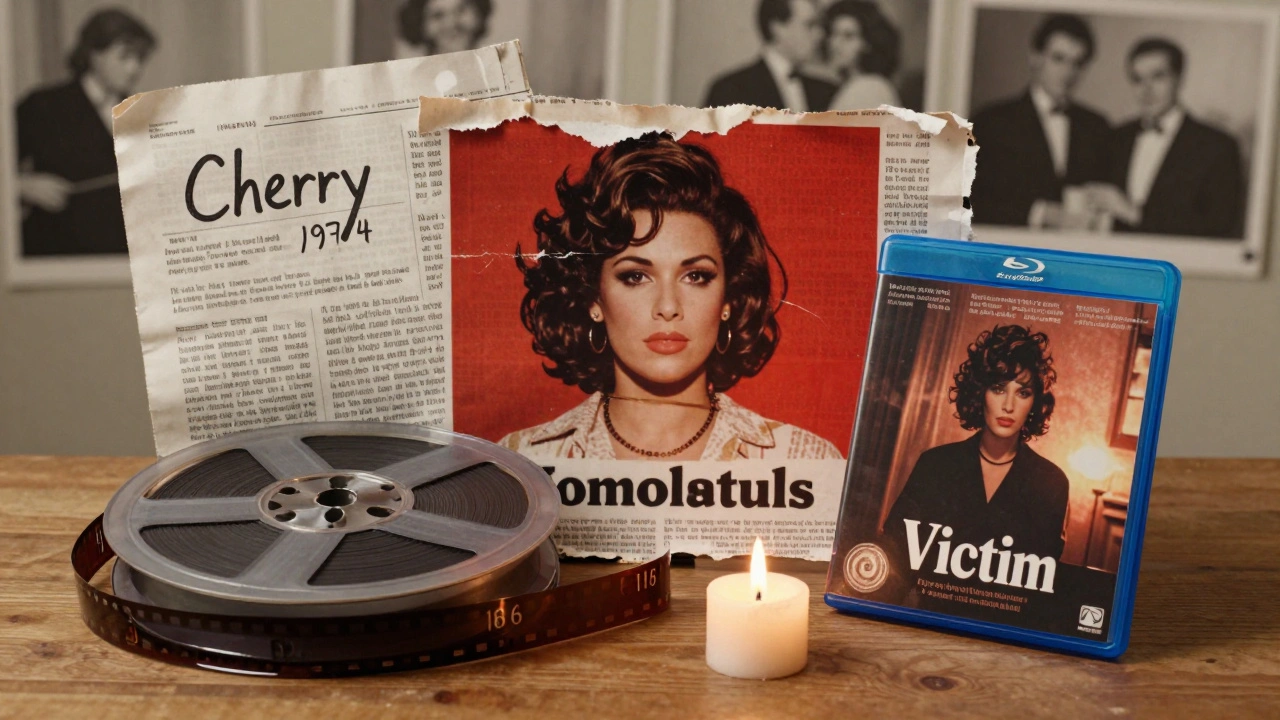
Some films are still only available on physical media. The Criterion Collection has released Blu-ray editions of Victim and My Own Private Idaho with exclusive bonus features. These aren’t just collectibles-they’re preservation tools.
What’s Next? The Films Still Waiting
There are still dozens of lost or damaged queer films waiting to be found. One of the most sought-after is Homosexuals (1968), a documentary shot in San Francisco that was confiscated by police during a raid. Only one 16mm reel survives, and it’s missing the final 20 minutes. Archivists are still searching for the rest.
Another is Cherry (1974), a low-budget lesbian road movie shot on 8mm film by a group of women in Ohio. It was never distributed. A single copy was donated to a university archive in 2022. It’s currently being digitized, and a restored version is expected to premiere in 2026.
These aren’t just films. They’re voices that were silenced. And now, they’re speaking again.
Why are queer cinema classics being restored now?
Queer cinema classics are being restored now because of sustained advocacy by LGBTQ+ archivists, increased funding from institutions like the Academy of Motion Picture Arts and Sciences, and a growing public demand for authentic representation. Many of these films were neglected or destroyed due to stigma, but recent recognition of their cultural and historical value has led to dedicated preservation efforts.
Are restored queer films different from the original versions?
Yes. Restored versions often include scenes cut by studios or censors, original soundtracks that were replaced, and director-approved edits. For example, the restored version of My Own Private Idaho includes deleted scenes that deepen the emotional arcs of the main characters-scenes that were removed because they were considered too intimate for 1990s audiences.
Can I watch these restored films online?
Yes. Major platforms like Criterion Channel, MUBI, and Amazon Prime Video now carry restored queer classics. Some films are also available on physical media through the Criterion Collection. Check local arthouse theaters-they often host special screenings of restored films.
What’s the difference between restoration and remastering?
Remastering improves the look and sound of a film using digital tools, but doesn’t recover lost material. Restoration involves finding original film elements, repairing damaged reels, and reconstructing missing scenes or audio. Restoration is archival work; remastering is technical enhancement.
Why does it matter if these films are restored?
These films are part of LGBTQ+ history. They show how queer people lived, loved, and resisted oppression when society tried to erase them. Without restoration, these stories disappear. Restoring them ensures future generations can see themselves reflected in cinema’s past-not just in today’s mainstream films, but in the raw, real, revolutionary work that came before.
How You Can Help
Restoration isn’t just the job of museums and studios. You can help. Donate to organizations like the Outfest UCLA Legacy Project or the Queer Film Archive. Attend screenings of restored films. Buy Blu-rays instead of streaming only-physical media helps fund future restorations. Talk about these films. Write about them. Share them with friends who’ve never heard of them.
These films survived censorship, fire, neglect, and silence. Now, they’re back. Don’t let them disappear again.




Comments(7)