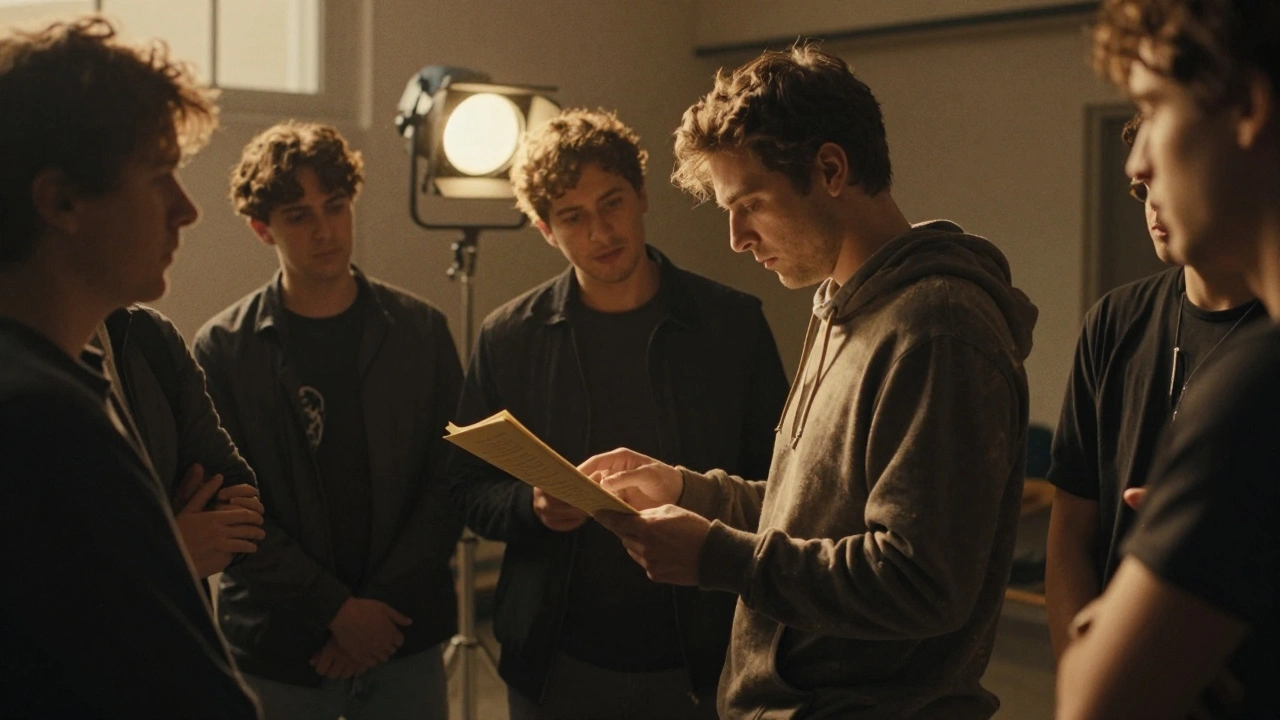
It used to be simple: throw more movies at the wall and see what sticks. But in 2026, the streaming wars aren’t won by volume anymore. Netflix, Amazon Prime, Apple TV+, and even Disney+ have all hit a wall. They’re spending billions, but viewers are tuning out. The data doesn’t lie - in 2025, average viewer retention across original films dropped by 32% compared to 2022. Audiences aren’t starving for content. They’re starving for meaningful content.
Why the Flood of Films Backfired
In 2020, studios thought the pandemic would be a permanent shift. With theaters closed, every streamer launched a movie slate bigger than Hollywood’s entire summer lineup. Netflix released 137 original films in 2021. Amazon dropped 98. Apple, late to the game, still put out 45. They assumed more titles = more subscribers = more revenue.
It didn’t work. Viewers got overwhelmed. A 2024 study by Nielsen showed that 68% of subscribers on major platforms skipped at least 40% of the original films released in a given month. Why? Because most of them were forgettable. Generic thrillers. Factory-made rom-coms. Films with no voice, no risk, no soul. Audiences could tell the difference. They weren’t just ignoring content - they were resenting it.
Platforms didn’t lose viewers because they didn’t have enough. They lost them because they had too much of the wrong kind.
The New Math: Fewer Films, Higher Stakes
Today’s top streamers aren’t shrinking their budgets. They’re reallocating them. The new rule? Spend like you’re betting on a single Oscar winner - because you are.
Apple TV+ cut its film output from 45 in 2022 to 18 in 2025. But the average production budget per film jumped from $18 million to $42 million. The result? The Last Thing He Told Me and My Glorious Brothers both landed in the top 10 globally for original films last year. One film, made for $38 million, generated over $120 million in subscriber retention and acquisition value - a return most studios dream of.
Netflix’s shift was even more dramatic. In 2023, they quietly shelved 62 planned films. Instead, they doubled down on 12 projects with A-list talent and director-driven visions. The Night Agent (a film spinoff, not a series) became the most-watched original film in Netflix history. It didn’t have a franchise. It didn’t have a sequel plan. It had a story so tight, so emotionally precise, that viewers watched it twice - and told their friends to watch it too.
The math is simple now: one great film can drive more long-term value than ten mediocre ones.
What Makes a Film "Worth It" in 2026?
Streamers aren’t just spending more. They’re spending smarter. Here’s what they look for before greenlighting a film today:
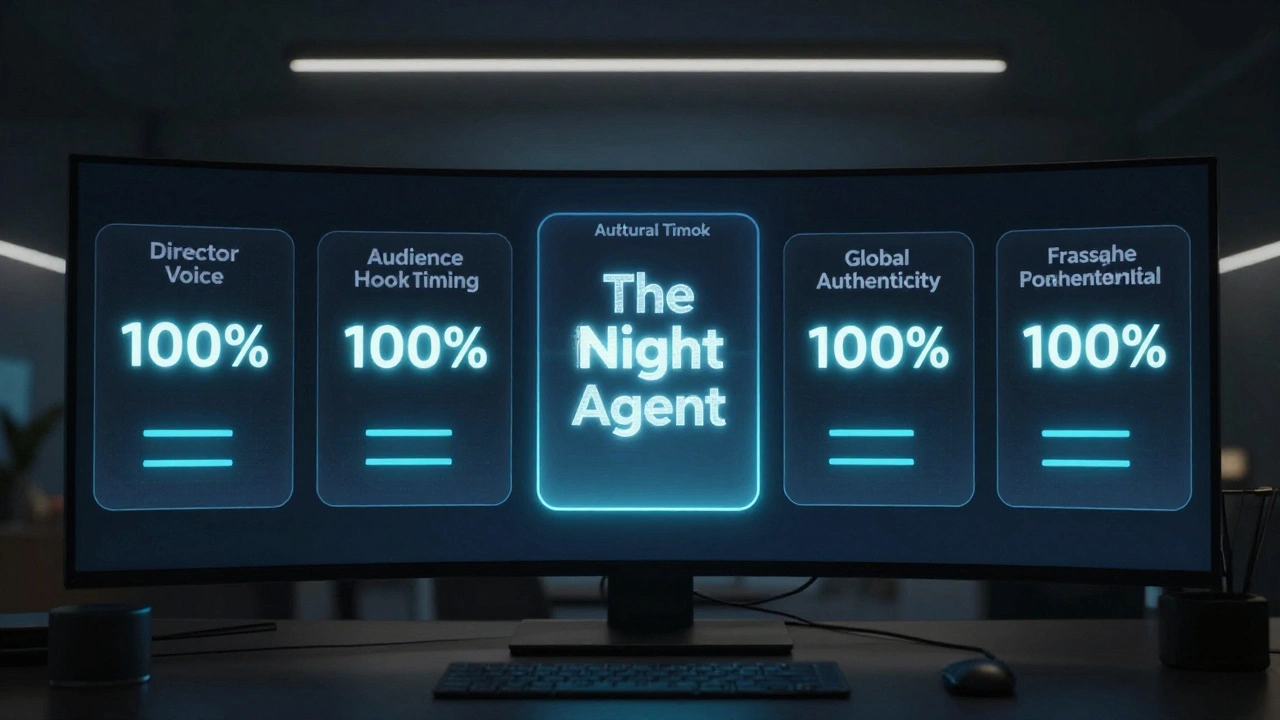
- Director with a distinct voice - Not just a name. Someone who’s proven they can turn a small idea into a cultural moment. Think Emerald Fennell, Boots Riley, or Greta Gerwig - not just Oscar winners, but storytellers with a point of view.
- Clear audience hook - Is this film for Gen Z? For parents over 50? For international markets? The best projects now start with a target audience so specific, you could map their Instagram feed.
- Release timing that matters - No more dumping films in January. Apple now schedules films to ride cultural moments - like releasing a climate drama the week before Earth Day. Timing isn’t marketing. It’s part of the story.
- Global appeal without losing local flavor - A film like Parasite proved you don’t need English to go global. But streamers now demand films that feel authentic in Seoul, Lagos, and Mexico City - not just dubbed versions of American tropes.
- Franchise potential, not franchise pressure - Sequels are rare. But if a film sparks a universe - like The Woman King did for African epic storytelling - that’s the kind of legacy that keeps subscribers paying.
These aren’t buzzwords. They’re decision criteria. Studios now have internal scorecards that rate each film on these five dimensions before any money is spent.
The Domino Effect: How This Changes Everything
When streamers cut back on quantity, it didn’t just change their budgets - it changed the whole ecosystem.
- Independent filmmakers got a second wind. With fewer films being made, the best indie directors - once ignored - are now being courted. A $5 million film from a first-time director can now get a $20 million marketing push if it has the right tone.
- Production crews stopped burning out. In 2021, 74% of film crews reported working over 70 hours a week during peak season. In 2025, that number dropped to 31%. Fewer films meant better schedules. Better schedules meant better work.
- Actors started choosing roles again. No more signing six films in a year just to keep a paycheck. Stars like Viola Davis, Mahershala Ali, and Florence Pugh now pick one project a year - and only if the script moves them. That’s why their performances feel more alive than ever.
- Viewers started talking again. When every release felt like noise, nobody talked. Now, when a film drops, people text. They post. They debate. That organic buzz? It’s worth more than any ad campaign.
The shift isn’t just about efficiency. It’s about dignity - for creators, for crews, for audiences.
What’s Next? The Rise of the "Strategic Release Window"
Streamers aren’t just releasing fewer films. They’re releasing them like events.
Amazon now holds a "Film Month" once a year - three films, all released within 10 days. No other content. No ads. Just the films. The result? A 58% increase in engagement during that window compared to normal months.
Apple TV+ does something even smarter: they release one film per quarter - and only if it’s ready. No deadlines. No pressure. If a film isn’t finished by the end of the quarter? It waits. No one’s rushing it. And audiences notice. They wait. They anticipate. They watch.
This isn’t a strategy. It’s a philosophy: respect the craft, respect the viewer, respect the time.
Why This Matters Beyond Streaming
This isn’t just about Netflix or Apple. It’s about what happens when you stop treating art like inventory.
For years, Hollywood measured success by box office numbers. Now, streaming measures it by how deeply a film lands. Did it make someone cry? Did it spark a conversation? Did it change how someone sees the world?
The best films of 2025 didn’t break records. They broke silence. They made people feel seen.
That’s the real win. Not a metric. Not a subscriber count. A feeling.
Why are streamers releasing fewer films now?
Streamers realized that flooding platforms with low-quality films led to viewer fatigue and declining retention. Audiences aren’t watching more - they’re watching less. By cutting the number of releases, streamers can focus budgets on fewer, higher-quality films that drive real engagement and subscriber loyalty. In 2025, the top platforms saw a 28% increase in viewer completion rates after reducing their annual film output by 40%.
Do streamers still spend as much money on films?
Yes - but differently. Total spending on original films hasn’t dropped. In fact, it’s up 12% since 2022. The difference? Budgets are now concentrated. Instead of spreading $1 billion across 100 films, companies now spend $800 million on 20 films. That means bigger casts, better scripts, longer shoots, and higher production values. The goal isn’t to spend less - it’s to spend smarter.
What kind of films are getting greenlit today?
Films with strong directorial vision, clear audience targeting, and cultural relevance. Studios now prioritize stories with emotional depth over franchise potential. Projects led by filmmakers with proven voices - like Emerald Fennell or Barry Jenkins - get priority. International stories with universal themes are also favored. Genres like character-driven dramas, slow-burn thrillers, and socially conscious narratives are thriving, while generic action flicks and formulaic romances are being passed over.
How has this shift affected independent filmmakers?
It’s been a game-changer. With studios no longer churning out low-budget films just to fill a calendar, they’re turning to indie directors with unique perspectives. A $5 million indie film with a compelling story now has a real shot at a $20 million global marketing push. In 2025, 42% of streamer original films came from first- or second-time directors - up from 17% in 2021. The door is open - but only for those who bring something truly original.
Is this trend here to stay?
Yes. The data is too clear to ignore. Platforms that doubled down on quality saw subscriber growth of 14-19% in 2025, while those that kept releasing dozens of mediocre films saw churn rates rise. Audiences now expect films to matter - not just to be there. The shift from quantity to quality isn’t a fad. It’s the new standard. And it’s reshaping how films are made, marketed, and remembered.


Comments(8)