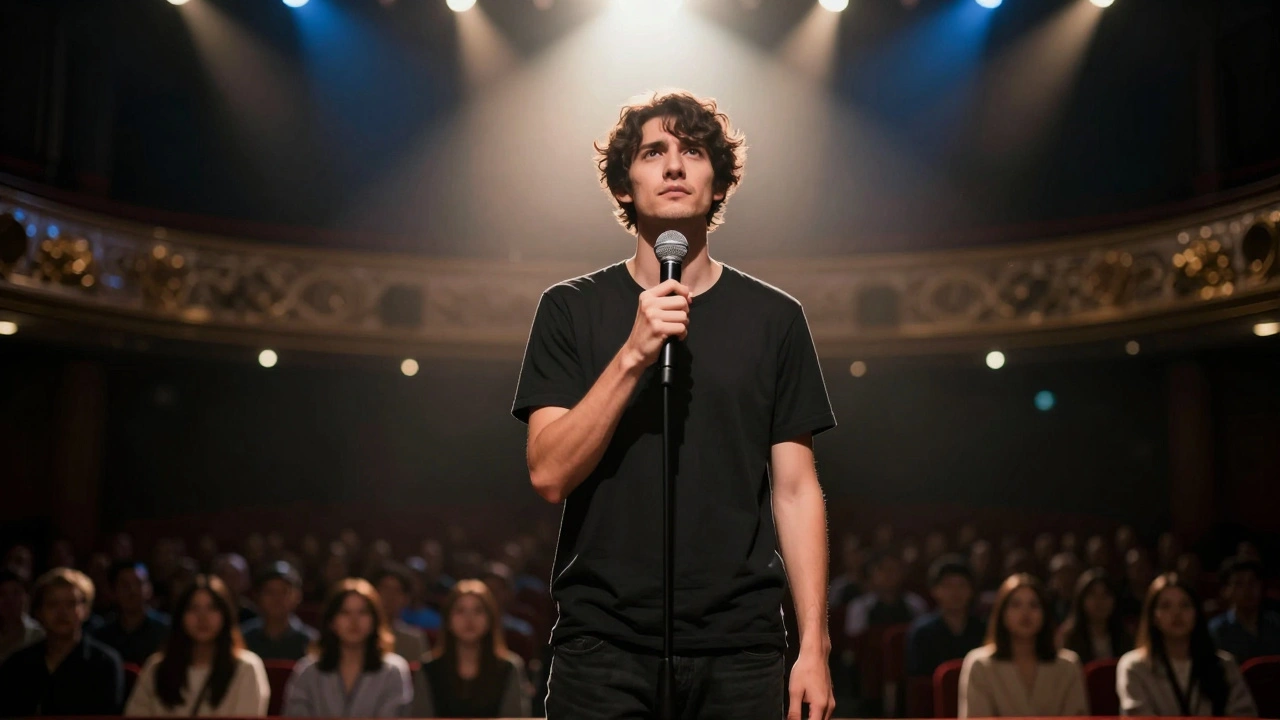
You spent months editing, weeks color grading, and days praying the DCP doesn’t crash. Now you’re standing on a stage with a microphone that smells faintly of stale coffee and nervous sweat. The lights are hot. The audience is waiting. This is your premiere Q&A, and it’s not just about answering questions-it’s about managing perception, protecting your creative vision, and leaving the room feeling like they got more than just a movie.
Film festivals are high-stakes environments where every gesture, pause, and word choice can shape how critics, distributors, and audiences remember your work. Getting the etiquette wrong doesn’t mean disaster, but getting it right can open doors. Here’s how to navigate the post-screening conversation with confidence, grace, and strategic clarity.
Prepare Before You Step On Stage
Most filmmakers walk into Q&As cold. Don’t be most filmmakers. Preparation isn’t about memorizing answers; it’s about mapping out the terrain so you don’t get ambushed by surprise angles.
Film Festival Q&A Etiquette is the set of professional norms and behavioral guidelines filmmakers follow during post-screening discussions at industry events. It covers everything from seating arrangements to tone management, ensuring the interaction enhances rather than detracts from the film’s reception.- Review your own cut one last time. Sound familiar? You’d think you’d know every beat, but nerves scramble memory. Re-watch key scenes-especially controversial or ambiguous ones-so you can articulate intent clearly if asked.
- List three potential tough questions. What did you leave out? Why did that character act that way? Was this shot inspired by [famous director]? Have ready responses that are honest but not defensive.
- Know your crew. If someone asks about cinematography, have the DP’s name on tip of your tongue. Credit where it’s due-it shows humility and professionalism.
Also, check the festival’s format. Some do moderated panels; others throw you into the deep end with an open mic. Know who’s moderating-if it’s a journalist, expect sharper questions. If it’s another filmmaker, expect camaraderie mixed with curiosity.
Dress Like You Mean It (But Not Too Much)
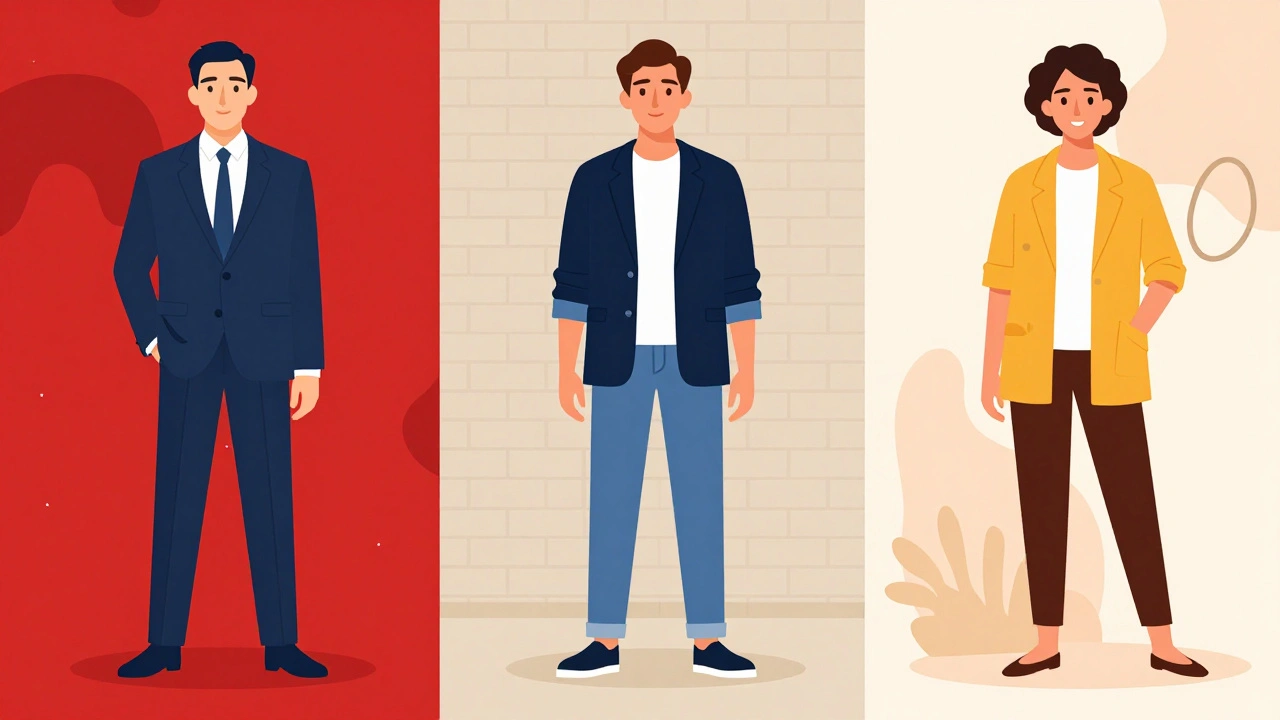
Your outfit says something before you speak. At Sundance, Cannes, or even smaller regional fests, appearance matters-not because Hollywood cares about fashion, but because visual consistency reinforces credibility.
| Scenario | Recommended Look | Why It Works |
|---|---|---|
| Major International Fest (Cannes, Venice) | Tailored suit or elegant dress | Signals seriousness; matches global prestige |
| Mid-Tier Indie Fest (SXSW, Tribeca) | Smart casual: blazer + jeans or chic midi skirt | Balances creativity with professionalism |
| Local/Regional Festival | Clean, coordinated everyday wear | Approachable yet respectful of the occasion |
| Documentary Screening | Authentic personal style (no logos) | Reflects real-world subject matter without distraction |
Avoid anything too flashy unless it’s part of your brand identity. No neon sneakers unless you’re making a punk doc. No tuxedos unless you’re at the Oscars. Match the energy of the event, not your fantasy version of it.
The First Five Minutes Set the Tone
When you step up, you have five minutes to establish rapport. Use them wisely.
- Thank the festival organizers first. Name-drop the programmer who selected your film. “Thanks to Sarah Chen at Berlinale Shorts for giving us this platform.” Specificity feels genuine.
- Acknowledge your team briefly. “This wouldn’t exist without our sound mixer, Lena Park, who worked through two power outages.” People love behind-the-scenes hero stories.
- Set expectations gently. “I’ll try to answer honestly, but some choices were made in the edit bay at 3 AM, so bear with me.” Humor disarms tension.
Don’t launch into a monologue. Keep opening remarks under 90 seconds. Let the moderator take over. They’re there to guide the flow-you’re there to respond.
Answering Questions Without Sounding Defensive
This is where many filmmakers stumble. A question like “Why didn’t you resolve the ending?” isn’t an attack-it’s an invitation to explain your artistic choice. How you frame your response changes everything.
Use the Intent-Context-Impact model:
- Intent: What were you trying to achieve? (“We wanted viewers to sit with uncertainty, not closure.”)
- Context: What constraints shaped the decision? (“Our budget limited reshoots, so we leaned into ambiguity as strength.”)
- Impact: How do you hope people feel afterward? (“We want them walking out talking about it, not knowing exactly what happened.”)
If someone critiques your casting, lighting, or pacing, don’t counter-argue. Say: “That’s a fair observation. We chose X because Y, though I see how Z could read differently.” Validation builds trust faster than correction ever will.
And never say “You didn’t watch closely enough.” Even if true. Instead: “Great point-we actually debated that scene extensively. Here’s why we kept it…”
Handling Hostile or Off-Topic Questions
Yes, it happens. Someone might ask about your political views, accuse you of plagiarism, or demand spoilers for a sequel you haven’t written yet.
Stay calm. Pause. Then redirect:
“That’s outside the scope of tonight’s discussion, but I appreciate your passion. Let’s focus on the film itself-what stood out to you emotionally?”
If the person persists, let the moderator intervene. That’s their job. You’re not responsible for policing the crowd-just for staying composed.
Pro tip: Practice saying “I’m not comfortable discussing that” with a smile. It sounds firm, polite, and final-all at once.
Body Language Speaks Louder Than Words
You’re being watched. Not just by the audience, but by agents, producers, and fellow creators taking notes on your presence.
Do this:
- Sit upright, shoulders relaxed. Slouching reads as insecure.
- Maintain eye contact with different sections of the room-not just front row.
- Nod when listening. Shows respect, even if you disagree.
- Keep hands visible. Hidden gestures signal hidden agendas.
Don’t do this:
- Cross arms tightly. Looks closed-off.
- Fidget with mic stand or pen. Distracts from message.
- Look only at moderator. Ignores the actual audience.
Remember: confidence isn’t loudness. It’s stillness under pressure.
When to Bring Others On Stage
Some festivals invite cast, crew, or producers. Decide ahead of time who joins you-and rehearse transitions.
If your lead actor is shy, prep them with two go-to anecdotes. If your editor is technical, assign them gear-related questions. Avoid overlapping voices. One speaker at a time keeps things clean.
Never leave anyone hanging mid-sentence. Nod, smile, then yield floor back smoothly. Teamwork looks good-but chaos looks amateurish.
Wrap-Up Strategy: Leave Them Wanting More
The last thing you say sticks. End strong.
Instead of rambling thanks, close with:
“Thank you for watching, questioning, and caring enough to engage. This film meant everything to us-and now it belongs to you. Please share it, debate it, dream with it. And if you liked it… tell someone else.”
Short. Warm. Action-oriented. Leaves door open for word-of-mouth marketing.
Then bow slightly, nod to moderator, exit gracefully. No lingering. No hugging strangers unless initiated. Exit while they’re still smiling.
Post-Q&A Follow-Up Matters
The conversation doesn’t end when you leave the stage. Within 24 hours:
- Email any journalists or buyers who approached you. Include link to press kit.
- Post a short thank-you note on social media tagging the festival. Add photo from screening.
- Send handwritten notes to top three supporters who spoke during Q&A. Personal touch stands out.
Follow-up turns fleeting attention into lasting connection. Most filmmakers skip this step. Don’t.
Should I bring props or visuals to my Q&A?
Only if they directly support your story and won’t disrupt flow. A single storyboard sketch or prop used in filming works well. Avoid slideshows-they kill momentum and confuse timing. Stick to verbal storytelling unless visuals add unique value.
How long should each answer be?
Aim for 30-60 seconds per response. Long enough to provide insight, short enough to keep engagement high. If you notice eyes glazing over, wrap up quickly and invite next question. Brevity breeds respect.
Can I promote my next project during the Q&A?
Briefly, yes-but only after answering current question fully. Example: “After wrapping this film, I started developing a series exploring similar themes…” Then pivot back to present moment. Never turn Q&A into pitch session. Audience came for tonight’s film, not tomorrow’s idea.
What if I freeze or forget my answer?
Pause. Breathe. Smile. Say: “Let me think about that for a second”-then buy time by rephrasing question. If blank persists, admit it gracefully: “Honestly, I need to reflect more on that. Happy to discuss later offline.” Vulnerability often earns more goodwill than forced perfection.
Is it okay to laugh during serious questions?
Laugh lightly to ease tension, never dismissively. Laughter signals humanity, not mockery. But avoid chuckling at criticism-it reads arrogant. Use humor sparingly, always aligned with sincerity. When in doubt, lean toward thoughtful silence over inappropriate grin.