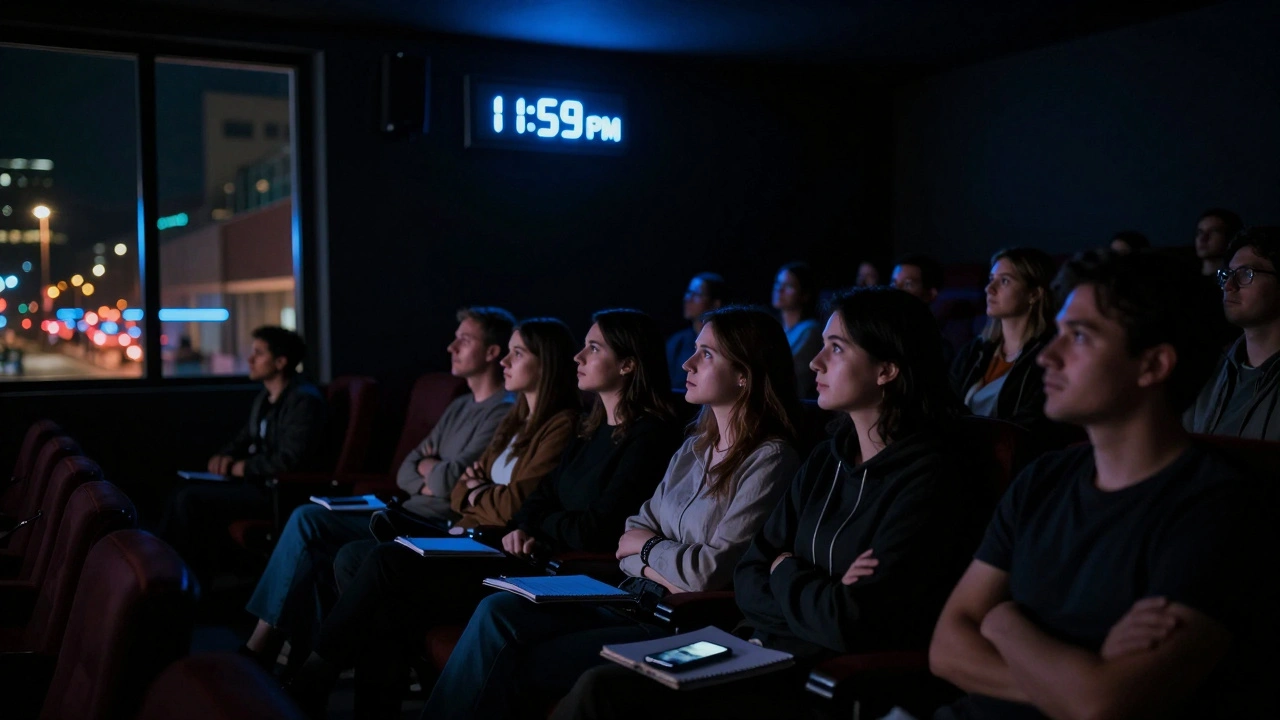
Ever wonder why you can’t read a single review of a new movie until midnight on the day it opens? Or why every critic’s review drops at the exact same time, like clockwork? That’s not coincidence. It’s a carefully managed system called the embargo culture-a practice where film studios lock down reviews until a predetermined moment, often hours before a film hits theaters. This isn’t just about keeping spoilers away. It’s about controlling the narrative, shaping public perception, and protecting box office numbers before anyone gets a chance to speak freely.
How Embargoes Actually Work
Here’s how it plays out in real life. A studio invites a select group of critics, bloggers, and journalists to a private screening-sometimes weeks before release. They’re given a copy of the film, a press kit, and a strict rule: no reviews published until the embargo lifts. The lift time? Usually 12 to 24 hours before the movie opens in theaters. In some cases, it’s midnight on opening day. Violate that rule, and you’re blacklisted. No more screenings. No more invites. No more access.
It’s not illegal. It’s not even unusual. It’s standard operating procedure. Studios like Warner Bros., Disney, and Universal all use it. The logic? They want reviews to be part of the marketing campaign, not a surprise that tanks ticket sales. If a review comes out early and says the movie is terrible, they lose momentum. If it’s glowing, they can ride that wave. Either way, they want control.
Why Studios Need This Control
Box office numbers don’t just depend on trailers or posters. They depend on word-of-mouth-and reviews are the loudest part of that word-of-mouth. A single negative review from a major outlet like The New York Times or Rotten Tomatoes can kill a film’s opening weekend. A string of five-star reviews can turn a modest release into a phenomenon.
Take Oppenheimer in 2023. Universal held its embargo until 6 a.m. on opening day. By 8 a.m., reviews were flooding in, and the buzz was electric. Within hours, tickets sold out nationwide. The studio didn’t just release a movie-they released a cultural moment, timed perfectly.
On the flip side, Ghostbusters: Afterlife in 2021 had early reviews leak online. Critics called it nostalgic but shallow. The studio scrambled. Marketing shifted. The opening weekend dropped 40% from projections. Embargoes aren’t just about control-they’re about damage control.
The Critics’ Dilemma
Critics aren’t happy about this. They’re artists, not marketers. They want to write honestly, without pressure. But they’re also dependent on studios for access. Without embargoed screenings, they’d miss out on major releases entirely. Most mainstream critics can’t afford to skip premieres-they need to cover them for their outlets.
Some push back. A few indie reviewers refuse to accept embargoed screenings. Others write their reviews early but hold them until the embargo lifts. A handful even publish their thoughts on social media with a warning: “Review written early, embargoed by studio.” But those are rare. The system works because the stakes are too high for most to risk exclusion.
Even major outlets like The Guardian and Rolling Stone follow the rules. They know if they break embargo, they lose access not just to one movie, but to an entire pipeline of releases. That’s a trade-off most aren’t willing to make.

The Rise of the Influencer Embargo
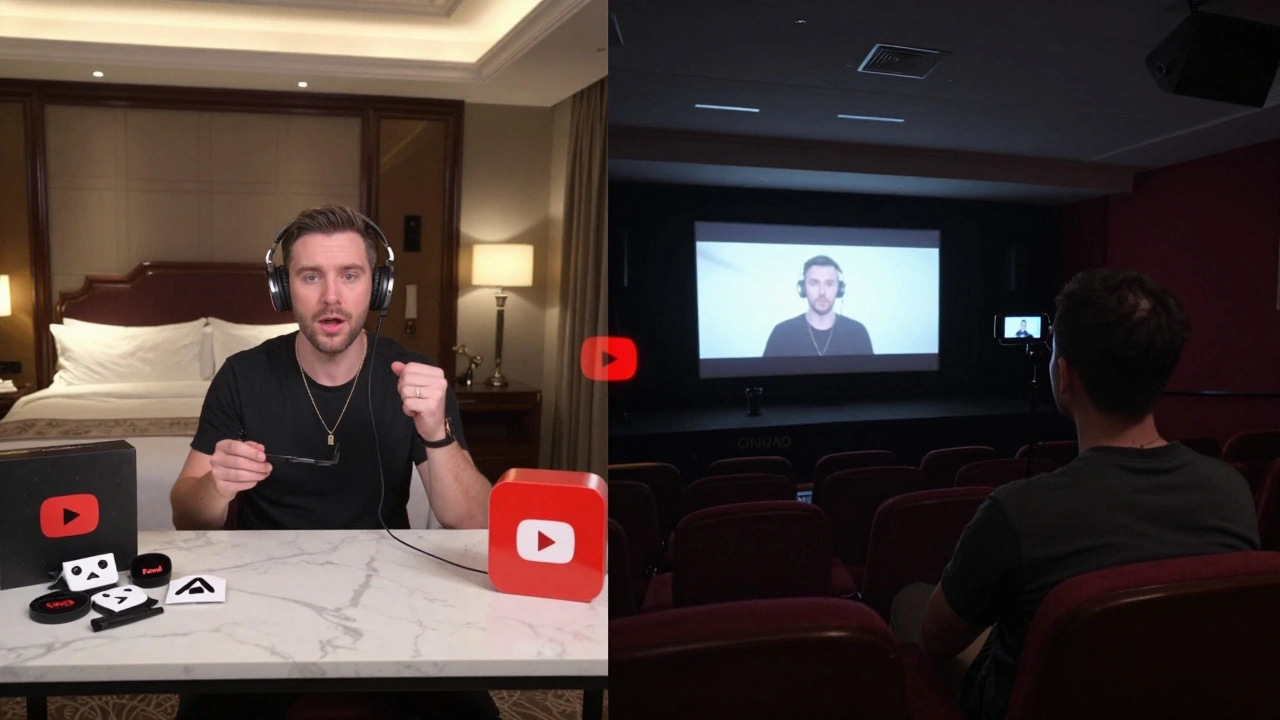
It’s not just critics anymore. Studios now extend embargoes to YouTube reviewers, TikTok influencers, and podcasters. A YouTuber with 500K subscribers might get a private screening of Wicked-but only if they agree not to post until 12 a.m. on opening day. These influencers have real power. Their opinions reach millions, often faster than traditional reviews.
Some influencers resent it. One popular film reviewer in Texas told me they once had to wait 36 hours to post after a screening, even though they’d already written the script. “It felt like being paid to hold your tongue,” they said. But they still took the invite. Why? Because the studio sent them a free trip to New York, VIP tickets, and merch. For many, it’s not about principle-it’s about opportunity.
What Happens When Embargoes Break?
Leaks happen. Sometimes it’s a disgruntled studio employee. Sometimes it’s a reviewer who just can’t wait. When a review leaks early, studios panic. They scramble to release their own talking points. They push out positive quotes from early screenings. They flood social media with fan reactions.
In 2022, a review for The Batman leaked 18 hours early. The studio responded by releasing a statement praising the film’s “groundbreaking tone” and encouraging fans to see it in theaters. The leak didn’t hurt the box office-it actually helped. The film opened with $134 million, the biggest March opening ever. But that’s the exception. Most leaks hurt more than they help.
When Spider-Man: No Way Home leaked reviews a week before release, it sparked chaos. Fans were divided. Some called it overhyped. Others called it a masterpiece. The studio didn’t comment publicly. But insiders say they nearly delayed the release. In the end, they didn’t. The film still made $1.3 billion. But the stress was real.
Is This System Fair?
It’s not about fairness. It’s about power. Studios have the money, the distribution, and the leverage. Critics have the voice, but not the platform. The system favors the studio because they hold the keys to access. Without embargoed screenings, critics would have to rely on public showings-which means delayed reviews, smaller audiences, and less influence.
There’s also a hidden cost: the loss of authentic, independent critique. When every review is timed to the second, it becomes part of a synchronized PR campaign. The emotional arc of a review-surprise, disappointment, awe-is flattened into a marketing tool. The audience never gets to experience the raw, unfiltered reaction. They get the polished version.
Some argue this protects audiences from spoilers. But spoiler warnings exist. You don’t need a full embargo to prevent them. Others say it protects small films from early backlash. But that’s rarely the case. Big blockbusters get the embargoes. Indie films get thrown into the wild, reviews rolling in as soon as they screen.
What Can You Do?
As a viewer, you’re not powerless. You can choose where you get your reviews. Skip the synchronized press releases. Wait a few days. Read reviews from critics who don’t attend embargoed screenings. Look for audience scores on Rotten Tomatoes after the first weekend. Check out podcasts and YouTube channels that review films without studio access.
Support independent critics. Follow film bloggers who attend midnight screenings at local theaters. Listen to reviewers who don’t get studio invites-they often have the most honest takes.
And if you’re tired of the game, don’t be afraid to say so. The more people question the system, the less power it holds.
What’s Next?
Some studios are testing new models. A few have started releasing reviews without embargoes for smaller films. Others are letting critics post immediately after screenings-but only if they agree to use a specific hashtag or tag the studio’s official account. It’s a subtle shift: control through collaboration, not coercion.
But for now, the system remains. Embargoes are still the norm. And until audiences demand more transparency, studios will keep pulling the strings.
Why do studios enforce review embargoes?
Studios enforce review embargoes to control the timing of public opinion. By delaying reviews until just before or on opening day, they prevent early negative reactions from hurting box office performance. It also allows them to use positive reviews as part of their marketing campaign, creating momentum right when tickets are being sold.
Do all movie studios use embargoes?
Most major studios-including Disney, Warner Bros., Universal, and Sony-use embargoes for their wide-release films. Independent studios often don’t, either because they lack the resources to host screenings or because they rely on organic buzz. Some newer platforms like Apple TV+ and Amazon Prime Video have started relaxing embargoes for select titles to appear more transparent.
Can critics be punished for breaking embargoes?
Yes. Critics who violate embargoes risk being blacklisted from future screenings, press junkets, and studio events. This can mean losing access to major films, interviews with directors, and even free tickets. For critics working for mainstream outlets, this is a serious professional risk.
Are embargoes ethical?
It’s a gray area. Embargoes are legal and widely accepted, but they compromise journalistic independence. Critics are pressured to align their timing with a studio’s marketing goals, not their own editorial judgment. Ethically, it’s a conflict of interest: the person reviewing the film depends on the studio for access.
How do embargoes affect audience perception?
Embargoes create a synchronized wave of reviews that feels like a consensus, even if opinions are mixed. This can mislead audiences into thinking a film is universally praised or panned. In reality, reviews might be split-but because they all drop at once, the noise drowns out nuance. Audiences miss the gradual build-up of honest, unfiltered reactions.
Are there alternatives to embargoes?
Yes. Some studios release films with no embargo at all, letting reviews come out naturally. Others use spoiler-free preview events where critics can post immediately. A few indie distributors let critics write reviews before screening but ask them not to reveal plot details. These models preserve independence while still giving studios early visibility.
Embargo culture isn’t going away anytime soon. But awareness is growing. The more people understand how reviews are timed, the more they’ll question what they’re being told-and that’s the first step toward change.




Comments(10)