Have you ever watched a movie that left you questioning your own sanity? You know the feeling. The credits roll, but instead of walking out with a clear answer, you sit in the theater staring at the screen, trying to piece together what actually happened. That is the power of psychological thrillers, a film genre that prioritizes mental and emotional states over physical action to create suspense and fear. Unlike horror movies that rely on jump scares or gore, these films attack your logic, your perception, and your trust in the characters.
In 2026, this genre has evolved significantly. We are moving past simple plot twists into complex narratives that explore trauma, memory, and identity. Whether you are a seasoned cinephile or someone looking for their next binge-watch, understanding what makes these films tick can transform how you watch them. Let’s break down why these movies stick with us long after the final frame.
The Anatomy of a Psychological Thriller
To appreciate the craft, you need to understand the mechanics. A psychological thriller isn’t just a mystery with a slow pace. It is a specific construction of narrative tension. The core ingredient is the unreliable narrator, a storytelling device where the perspective presented by a character is compromised by bias, mental illness, or deception. When you cannot trust the protagonist, every scene becomes a puzzle.
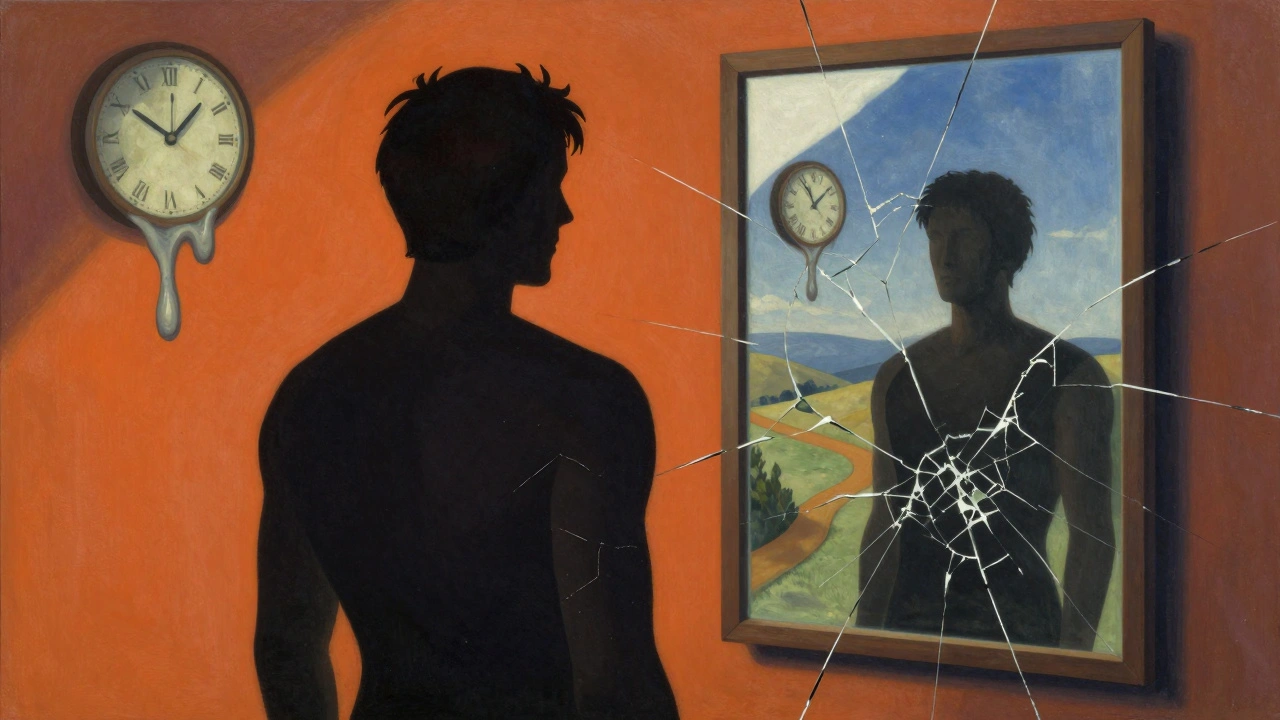
Consider the difference between a slasher film and a psychological thriller. In a slasher, the threat is external-a killer chasing victims. In a psychological thriller, the threat is often internal. The monster is inside the head. This shifts the focus from "Who will die next?" to "What is real?" Filmmakers use visual cues like distorted mirrors, disjointed editing, and ambiguous dialogue to signal that something is wrong without explicitly stating it.
Key elements include:
- Suspense over Shock: Building dread through atmosphere rather than sudden noises.
- Character Study: Deep dives into the psyche of flawed individuals.
- Ambiguity: Leaving room for interpretation so the audience debates the ending.
Classics That Defined the Genre
You can’t talk about mind-bending cinema without acknowledging the giants who paved the way. These films didn’t just entertain; they changed how directors approach storytelling.
Vertigo, a 1958 classic directed by Alfred Hitchcock that explores obsession and grief through a detective's pursuit of a mysterious woman remains the gold standard for atmospheric tension. Hitchcock understood that fear comes from vulnerability. Then there is Psycho, Hitchcock's 1960 thriller that subverted audience expectations by killing off its main character early in the film, which shattered the rules of narrative safety.
In the late 1990s and early 2000s, the genre found new life with directors who embraced non-linear storytelling. Memento, Christopher Nolan's 2000 film told in reverse chronological order to simulate the experience of short-term memory loss forced audiences to reconstruct the timeline themselves. It wasn’t just a movie; it was an interactive cognitive challenge. Similarly, Fight Club, David Fincher's 1999 cult classic that critiques consumerism and masculinity through the lens of dissociative identity disorder used its twist not just as a surprise, but as a commentary on the protagonist's fractured self-image.
Modern Masterpieces (2010-2026)
The last decade has seen a surge in high-concept psychological thrillers that blend genre boundaries. Modern filmmakers are using technology and social anxiety as new tools for terror.
Black Swan, Darren Aronofsky's 2010 thriller about a ballerina whose quest for perfection leads to a psychological breakdown is a perfect example. It uses the pressure of performance art to mirror mental collapse. The line between reality and hallucination blurs until you, the viewer, aren't sure if the injuries are real or imagined.
More recently, Gone Girl, Fincher's 2014 adaptation that deconstructs marriage and media manipulation through a missing wife mystery showed how domestic relationships can be more terrifying than any supernatural entity. And let’s not forget Parasite, Bong Joon-ho's 2019 Oscar-winning film that blends dark comedy, thriller, and social critique. While it starts as a heist-comedy, it spirals into a tense psychological standoff about class warfare, proving that genre labels are increasingly fluid.
| Film Title | Director | Year | Core Psychological Theme |
|---|---|---|---|
| Vertigo | Alfred Hitchcock | 1958 | Obsession and Grief |
| Memento | Christopher Nolan | 2000 | Memory and Identity |
| Black Swan | Darren Aronofsky | 2010 | Perfectionism and Dissociation |
| Gone Girl | David Fincher | 2014 | Deception and Media Manipulation |
| Parasite | Bong Joon-ho | 2019 | Class Anxiety and Survival |
Why Do We Love Being Fooled?
It seems counterintuitive. Why would we pay money to feel confused, anxious, or unsettled? Psychology offers some answers. Watching a psychological thriller allows us to experience intense emotions in a safe environment. It’s a form of controlled chaos.
There is also the intellectual satisfaction of solving the puzzle. When a film uses an unreliable narrator, you become an active participant. You scrutinize every glance, every line of dialogue, looking for clues. When you finally connect the dots-whether during the second act or upon rewatching-you get a dopamine hit. It’s the same feeling as solving a complex riddle.
Furthermore, these films often tackle taboo subjects: mental illness, trauma, infidelity, and moral ambiguity. They provide a space to explore these dark corners of human behavior without real-world consequences. For many viewers, seeing these struggles reflected on screen validates their own experiences or helps them empathize with others.
How to Watch Like a Critic
If you want to get more out of your viewing experience, change how you watch. Don’t just consume the plot; analyze the technique.
Pay attention to sound design. In psychological thrillers, silence is often louder than noise. Listen for subtle changes in background music or ambient sounds that indicate a shift in the character’s mental state. A ticking clock might speed up when the protagonist is anxious, even if time hasn’t actually passed faster.
Watch the cinematography. Directors use camera angles to show power dynamics. Low-angle shots make characters seem powerful or threatening, while high-angle shots make them vulnerable. Look for reflections in windows or mirrors-they often reveal truths the character is hiding from themselves.
Question the reliability. From the first scene, ask yourself: What does this character stand to gain by telling me this story? Are they lying to you, or are they lying to themselves? Keeping this question in mind prevents you from being caught off guard by major twists.
Hidden Gems Worth Your Time
Not every masterpiece gets a massive marketing budget. Some of the best psychological thrillers are low-budget indie films that rely entirely on script and performance.
Prisoners, Denis Villeneuve's 2013 thriller exploring the moral limits of a father searching for his kidnapped daughter is a heavy, atmospheric ride that keeps you guessing about the guilt of multiple characters. Another underrated gem is Coherence, A 2013 micro-budget sci-fi thriller that uses a dinner party setting to explore quantum decoherence and paranoia. It proves you don’t need special effects to create genuine dread.
For international perspectives, look into South Korean cinema. Oldboy, Park Chan-wook's 2003 revenge thriller known for its shocking plot twists and brutal action sequences is visceral and emotionally devastating. If you prefer subtler tension, try Memories of Murder, Bong Joon-ho's 2003 crime drama based on true events, focusing on the frustration of unsolved cases. It captures the psychological toll of failure on law enforcement.
The Future of the Genre
As we move further into 2026, psychological thrillers are becoming more immersive. Virtual reality (VR) and interactive streaming platforms are beginning to influence traditional filmmaking. Imagine a thriller where you choose which character to follow, altering the outcome based on your empathy levels. This interactivity deepens the engagement, making the psychological impact more personal.
Additionally, there is a growing trend toward "elevated horror," where psychological themes merge with supernatural elements. Films like The Witch or Midsommar use folklore and ritual to explore grief and cult mentality. This hybridization expands the genre’s reach, attracting fans of both horror and drama.
What is the difference between a psychological thriller and a horror movie?
The main difference lies in the source of fear. Horror movies typically rely on external threats like monsters, ghosts, or killers to evoke shock and disgust. Psychological thrillers focus on internal fears, such as madness, isolation, or uncertainty. While horror aims to scare you away, psychological thrillers aim to unsettle your mind and keep you thinking.
Why are unreliable narrators so common in this genre?
Unreliable narrators force the audience to engage critically with the story. By presenting a biased or false perspective, filmmakers create dramatic irony where the viewer knows more-or less-than the character. This technique builds suspense because you never know what is true until the truth is revealed, often leading to a significant plot twist.
Can a comedy be a psychological thriller?
Yes, though it’s rare. Dark comedies or black comedies often share traits with psychological thrillers. Films like Parasite or Kill Bill use humor to mask underlying tension and violence. The contrast between funny moments and disturbing events can heighten the psychological impact, making the scary parts feel more jarring.
What should I look for in a good psychological thriller?
Look for strong character development, atmospheric sound design, and a script that respects the audience’s intelligence. Avoid films that rely solely on cheap twists without logical buildup. A great psychological thriller should have a satisfying resolution that makes sense in hindsight, rewarding your attention to detail.
Are psychological thrillers based on true stories?
Some are, such as Zodiac or Memories of Murder, which draw inspiration from real criminal cases. However, most psychological thrillers are fictional works designed to explore hypothetical scenarios. Even when based on true events, filmmakers often take creative liberties to enhance the psychological drama and narrative structure.