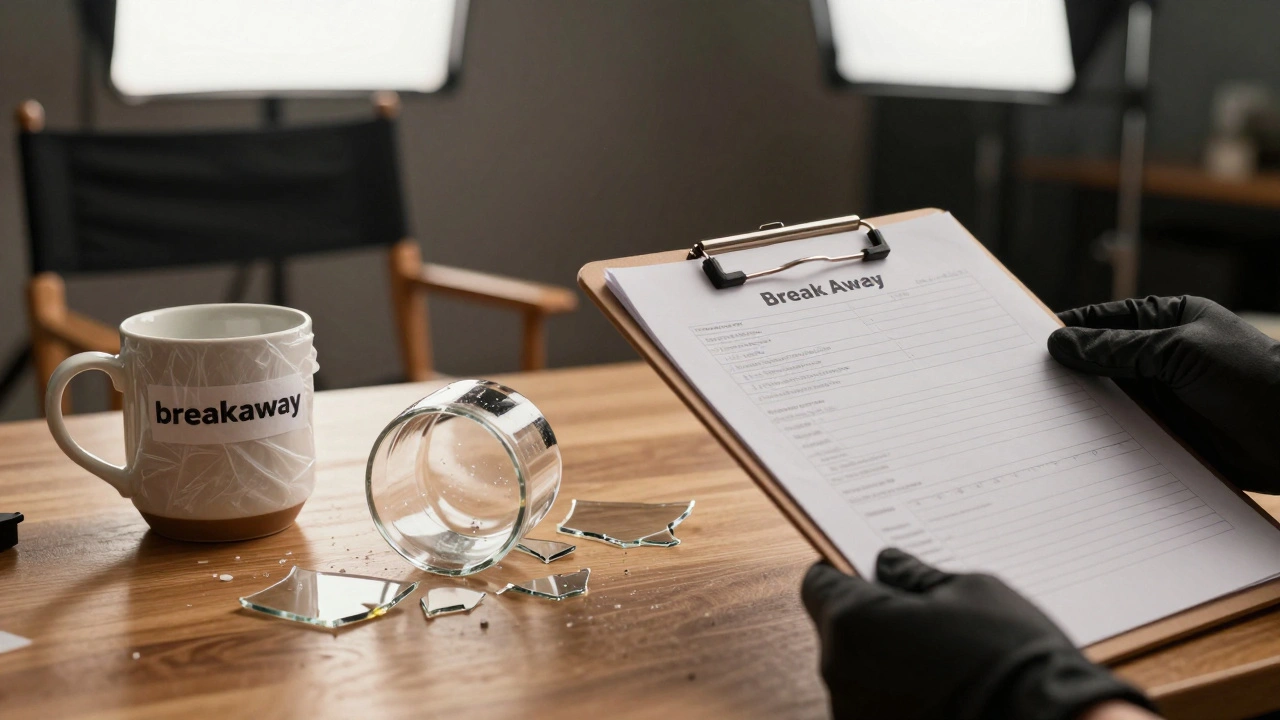
Imagine a scene where a detective slams his hand on the desk, knocking over a coffee mug. The director yells "Cut!" not because the acting was bad, but because the mug shattered into three pieces instead of four. Or worse, it didn't break at all. In that split second, the illusion shatters. This is the high-stakes world of a Prop Master, the unsung hero responsible for every object an actor touches in a film.
The role goes far beyond buying vintage radios or finding cool swords. It is a logistical nightmare disguised as creative work. You are part historian, part accountant, part safety inspector, and part magician. If you want to survive your first feature film without losing your mind-or your budget-you need a system that holds up from the moment you read the script until the final wrap party.
Decoding the Script: What Do You Actually Need?
Before you buy a single paperclip, you need to understand what the script demands. A prop breakdown is not just a list; it is a map of the story’s physical needs. Most new prop masters make the mistake of listing items by scene number. Don’t do that. List them by category and frequency.
You need to separate your list into two distinct buckets: Set Dressing and Hand Props. Set dressing includes books on shelves, plants in corners, and background clutter. These items rarely move and often come from rental houses or thrift stores. Hand props are different. An actor holds these. They interact with them. They might even eat them. A gun, a phone, a sandwich-these require specific attention.
Ask yourself these questions while breaking down the script:
- Is it destructive? Does the glass break? Does the car crash? If yes, you need multiples (often called "breakaways").
- Is it branded? Can you show a Coca-Cola logo on screen? Probably not. You’ll need generic alternatives or cleared licenses.
- Is it period-specific? A smartphone in a 1950s drama is a continuity error waiting to happen.
- Does it change state? Does the letter get opened? Does the food get half-eaten? You need multiple versions of the same prop for different camera angles.
Create a spreadsheet. Include columns for Description, Quantity Needed, Source (Buy/Rent/Build), Budget Estimate, and Status. This document becomes your bible. Share it with the Production Designer and the Director immediately. Misalignment here causes chaos later.
Sourcing Strategies: Buy, Rent, Build, or Steal?
Once you know what you need, you have to find it. Your wallet will thank you if you follow this hierarchy of sourcing:
- Rent: For expensive or specialized items like firearms, musical instruments, or vintage cars, renting is almost always cheaper than buying. Use reputable prop houses. They insure their items and provide maintenance. Never rent a gun from a random guy online unless you want liability issues.
- Thrift Stores and Estate Sales: This is gold mine territory. You can find authentic vintage clothing, jewelry, and household goods for pennies. Just be prepared to clean everything thoroughly. Dust and allergens are your enemies on set.
- Build: If an item doesn’t exist or is too fragile, build it. Foam core, resin, and 3D printing have revolutionized prop making. A "heavy" stone statue can weigh five pounds if built correctly. Always prioritize safety and weight reduction for actors.
- Buy: Only buy items that are cheap, disposable, or essential for continuity across multiple shots. Grocery store runs are common for food props. Keep receipts. Every single one.
A pro tip: Network with other prop masters. They often have surplus items from previous shoots that they are willing to lend or sell cheaply. Building relationships now pays dividends when you’re short on time later.
The Inventory System: Tracking Every Screw
Chaos reigns if you don’t track your assets. On a small indie film, you might think a whiteboard is enough. On any professional production, it isn’t. You need a robust inventory system.
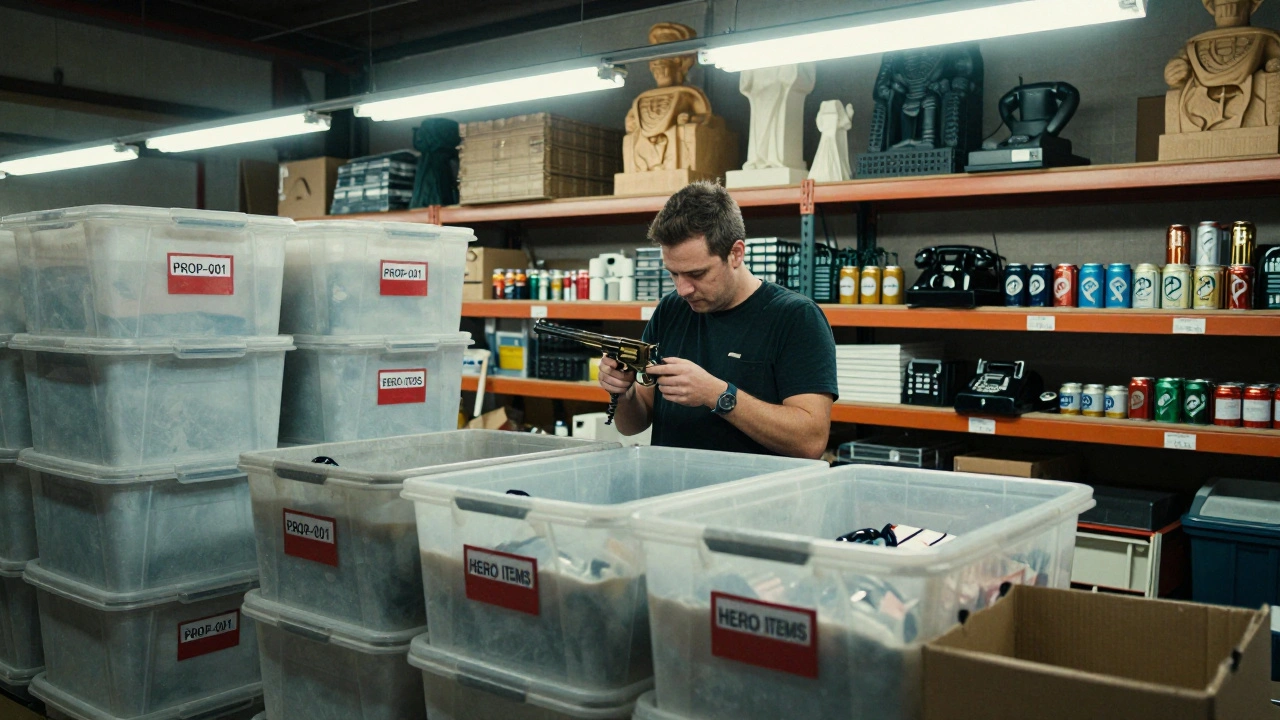
Use a digital database like Airtable or Excel, linked to physical labels. Every prop gets a unique ID tag. Use waterproof labels or engraving for durable items. For example, "PROP-001: Left-hand revolver." Place this tag discreetly on the item. Photograph each prop in its "ready" state. This photo serves as proof of condition before shooting starts.
Why is this crucial? Because things get lost. Actors take props home "just for tonight" and forget to return them. Crew members borrow tools and never give them back. When the director asks for the "good" version of the broken vase, you need to know exactly where it is and what condition it’s in.
Categorize your storage bins clearly. Label them with contents and scene numbers if possible. Keep "hero props" (the main items used in close-ups) separate from "background props." Hero props need more care, cleaning, and monitoring.
Continuity: The Invisible Art
Continuity errors are the bane of post-production. A full cup of coffee in one shot and an empty one in the next ruins the viewer’s immersion. As Prop Master, you are the guardian of visual consistency.
Work closely with the Script Supervisor. They note every detail on screen. You must match those notes physically. If the actor drinks half the wine in Shot A, ensure the bottle looks half-empty in Shot B, regardless of how much time passes between takes.
Prepare "state changes" in advance. If a character tears a letter, prepare three versions: unopened, partially torn, and fully shredded. Mark each version clearly. Communicate with the camera department about lens choices. Wide shots may hide imperfections, but close-ups reveal every scratch and smudge.
Keep a "continuity table" on set with reference photos. This helps the art department reset scenes quickly between takes. Speed matters. The longer you take to reset, the more light changes, and the more frustrated the crew becomes.
Safety First: Guns, Food, and Fragile Items
Safety is non-negotiable. One accident can shut down production for weeks. Here are the critical safety protocols every Prop Master must enforce:
- Firearms: Never point a loaded weapon at anyone. Even blanks are dangerous. Work with a certified Armorer. Inspect every gun before it goes on set. Ensure all muzzle brakes are installed to reduce flash and noise. Store guns in locked cases when not in use.
- Food Props: Allergies are real. Label all food items with ingredients. Check with cast and crew for dietary restrictions. Use safe substitutes: mashed potatoes for meat, corn syrup for blood, almond paste for chocolate. Never serve actual raw meat or unsafe substances.
- Fragile Items: If something breaks, it should break safely. Use sugar glass or plastic for bottles. Test breakaway props off-camera first. Warn actors about hidden mechanisms or sharp edges.
- Electrical Safety: Check cords and plugs for wear. Use GFCI outlets for outdoor sets. Never run cables under rugs or near water sources.
Document all safety checks. Sign-off sheets from the Armorer, Chef, and Safety Officer protect you legally and morally. If someone questions a prop’s safety, you must have records proving due diligence.
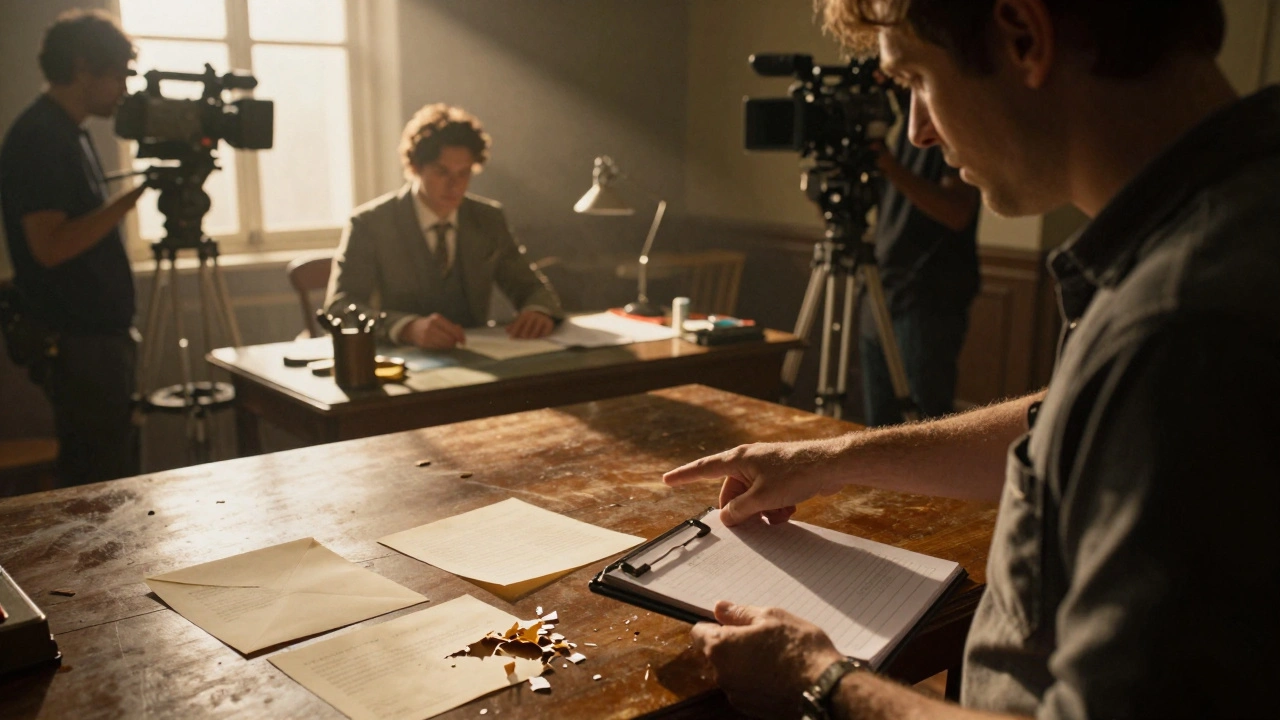
On-Set Management: The Daily Grind
Shooting days are fast-paced. Your job is to anticipate needs before they arise. Arrive early. Set up your prop table near the craft services area for easy access. Organize props by call sheet order.
Assign a dedicated Assistant Prop Master (APM) if possible. Their role is to watch the set during takes, noting which props were used and their condition. They reset props between takes and handle minor repairs. This frees you to focus on larger issues and coordinate with the director.
Communicate constantly. Listen to the director’s cues. If they ask for "more texture" on a surface, adjust lighting or swap materials instantly. Be flexible. Plans change daily. Weather affects outdoor shoots. Actors improvise. Adapt your prop strategy accordingly.
Keep a "quick fix" kit handy: super glue, tape, paint markers, scissors, and spare batteries. Small fixes save hours of downtime. If a prop breaks mid-scene, have a backup ready within minutes.
Wrap and Return: Closing the Loop
When filming ends, the work isn’t done. You must return rented items, sell surplus, and archive keepsakes. Create a wrap checklist:
- Inspect Rentals: Check for damage. Report issues immediately to rental houses. Take photos of returned items for your records.
- Clean and Store: Clean all reusable props. Pack them securely for future projects. Update your inventory database with current locations.
- Dispose of Waste: Recycle cardboard, plastics, and metals. Donate usable items to local theaters or schools. Avoid landfill waste whenever possible.
- Final Reconciliation: Compare your initial budget against actual expenses. Note overspending areas for future planning. Celebrate successes and learn from mistakes.
Leave no trace. Return borrowed furniture to owners. Thank vendors and collaborators. Professionalism extends beyond the last take. Your reputation depends on how cleanly you wrap up.
| Method | Cost | Time Required | Best For | Risk Level |
|---|---|---|---|---|
| Renting | Medium | Low | Specialized, expensive items | Low (if insured) |
| Thrift Buying | Low | High | Vintage, unique finds | Medium (condition varies) |
| Building | Variable | Very High | Custom, breakaway, lightweight props | High (skill dependent) |
| Buying New | High | Low | Consumables, mass-produced items | Low |
What is the difference between a Prop Master and a Set Decorator?
A Set Decorator focuses on stationary items that dress the environment, like curtains, rugs, and wall art. A Prop Master handles movable objects that actors interact with, such as phones, weapons, and food. Both roles report to the Production Designer but manage different aspects of the physical set.
How many copies of a prop do I need?
As a rule of thumb, keep three versions of any key prop: one pristine "hero" for close-ups, one slightly worn for general use, and one destroyed or altered for continuity changes. For breakable items, have at least five backups depending on the complexity of the shot.
Can I use real brand names in my film?
Generally, no. Using recognizable brands requires legal clearance and fees. Instead, create generic look-alikes or alter logos slightly. For example, replace "Coca-Cola" with "Koka-Kola" or use blank cans. Consult your production lawyer for specific guidance on trademark usage.
What should I do if a prop breaks during a take?
Stop the action immediately if safety is compromised. If it’s a minor issue, swap the prop quickly using your backup. Notify the Script Supervisor and Camera Department so they can adjust framing or lighting if needed. Document the incident for insurance purposes.
How do I manage food allergies on set?
Label all food props clearly with ingredient lists. Distribute allergy information to cast and crew beforehand. Use safe substitutes like almond paste for chocolate or vegetable oil for dairy products. Have an epinephrine pen accessible if severe allergies are present among participants.