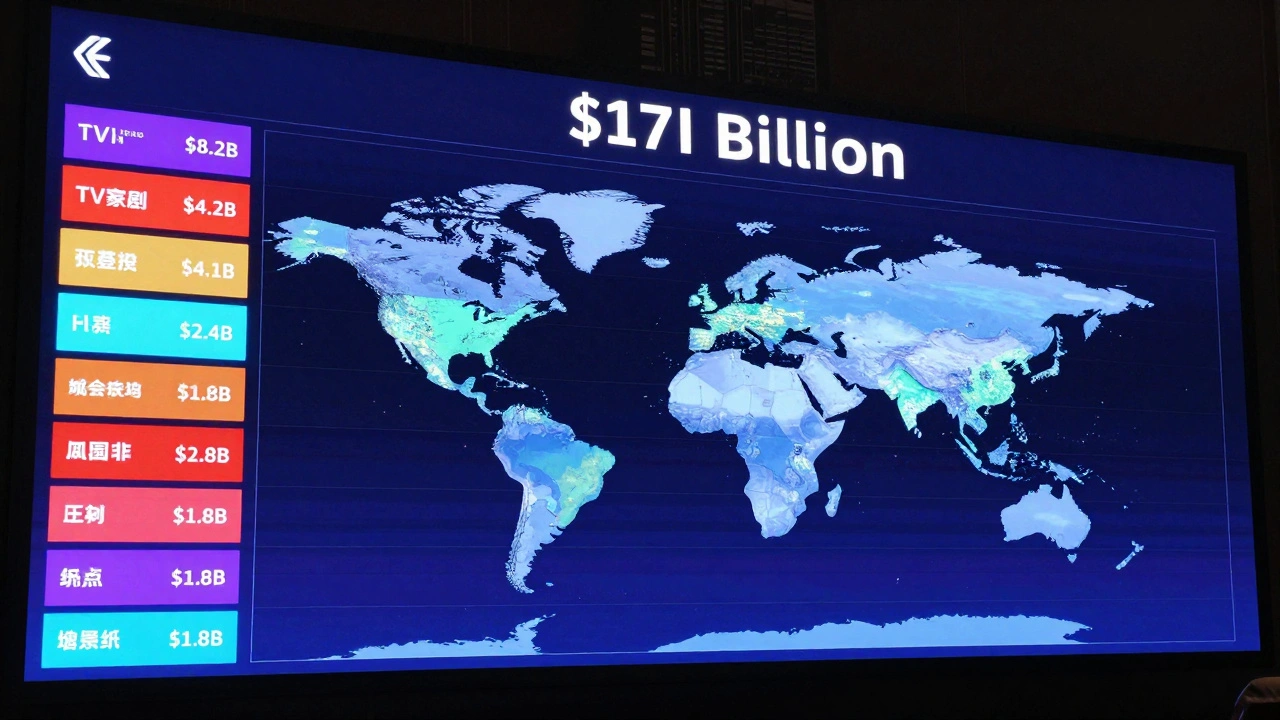
Netflix spent $17 billion on content in 2025. That’s more than the entire annual box office revenue of North America. It’s not just a streaming service anymore-it’s a global movie studio, TV network, and production house rolled into one. And if you’re wondering how they can afford it, the answer isn’t magic. It’s strategy, scale, and a whole lot of cash.
Where Does Netflix’s Money Go?
Most people think Netflix spends most of its money on licensing old shows and movies. They’re wrong. In 2025, less than 15% of Netflix’s content budget went to licensed content. The rest? Original productions. That means shows like Stranger Things, The Crown, and Squid Game weren’t bought-they were built from scratch.
Here’s how the $17 billion broke down:
- $8.2 billion on original TV series and limited series
- $4.1 billion on original films
- $2.4 billion on international productions (outside the U.S.)
- $1.8 billion on documentaries and reality programming
- $500 million on tech infrastructure, AI recommendations, and user interface
That’s not just spending. It’s an all-out war for attention. Every dollar is aimed at keeping you watching, not just for a weekend, but for years. And it works. Netflix has over 270 million subscribers globally. That’s more than the population of Brazil.
Why Spend So Much?
Netflix doesn’t just want you to watch. It wants you to need to watch. That’s why they don’t rely on hits alone. They bet on volume. In 2025, Netflix released 1,147 original titles. That’s more than three new shows or movies every single day.
Think about that. Most studios release 10-20 films a year. Netflix releases more than that in a week. And they don’t wait for reviews to decide what to greenlight. They use data. They know which actors, genres, and even shot lengths keep people watching. If a show with a female lead in a crime drama pulls 70% retention past episode three in Germany, they make ten more. That’s not guesswork. That’s science.
And here’s the kicker: they don’t need every show to be a hit. They just need enough of them to work. One global phenomenon like Squid Game can bring in 150 million households. That covers the cost of 20 other shows that barely get watched. It’s a numbers game-and Netflix plays it better than anyone.
How Do They Pay For It?
Netflix doesn’t have advertisers. No commercials. No sponsorships. That means every dollar they spend comes from subscriber fees. In 2025, they made $33 billion in revenue. That’s $17 billion spent on content, $8 billion on operating costs, and $8 billion left over. They’re not just breaking even-they’re building a fortress.
But here’s what most people don’t realize: Netflix isn’t profitable because they’re cheap. They’re profitable because they’re efficient. They don’t pay actors $20 million per season unless they know it’ll drive 5 million new sign-ups. They don’t film in 12 countries unless they’ve already tested the audience demand in each region.
They use AI to predict which scripts will perform best. They test trailers with thousands of users before release. They even adjust episode lengths based on how long people pause before clicking “next.” It’s not just entertainment. It’s a precision machine.
Who Are Their Biggest Competitors?
Disney+ spent $12 billion in 2025. Amazon Prime Video spent $11 billion. Apple TV+? Only $3 billion. But Apple doesn’t need to spend like Netflix. They use their content to sell iPhones. Disney uses it to drive park visits and merchandise sales.
Netflix has no other business. No theme parks. No toys. No streaming hardware. So every dollar they make has to go back into content. That’s why they spend more than anyone. They have to.
And it’s working. In 2025, Netflix accounted for 22% of all internet traffic during peak hours in the U.S. That’s more than YouTube, TikTok, and Amazon combined. They’re not just a service-they’re part of the internet’s backbone.
What’s the Risk?
Spending $17 billion sounds impressive. But it’s also dangerous. If subscriber growth slows, the model cracks. Netflix’s stock dropped 12% in late 2024 after they reported their first quarterly subscriber loss in six years. Investors panicked. The market reminded them: you can’t spend forever without earning.
So Netflix changed tactics. They started testing ads. Not full commercials-short, skippable ads between shows. They’re rolling them out in 40 countries. It’s a gamble. Will subscribers tolerate it? Maybe. But if they don’t, Netflix’s entire business model is built on a lie: that people will pay more for ad-free content forever.
They’re also cutting costs. They canceled 22 shows in 2025 that didn’t meet retention targets. That’s more than any year before. They’re no longer afraid to kill a project-even if it’s got big names attached. If the data says no, they walk away.

What Does This Mean for You?
If you’re a viewer? You’re living in the golden age of TV. More stories, more genres, more voices than ever before. And you’re paying less than $16 a month for it. That’s cheaper than a movie ticket.
If you’re a creator? Netflix is your biggest buyer. But getting noticed isn’t about who you know. It’s about data. They’re looking for shows that hook fast, keep people watching, and travel well across cultures. If your story can do that, they’ll fund it-even if you’ve never made a pilot before.
If you’re an investor? Netflix is a high-risk, high-reward play. They’re not a traditional media company. They’re a tech company that happens to make TV shows. Their future depends on keeping subscribers, controlling costs, and staying ahead of AI-driven personalization. One misstep-and the whole house of cards could tumble.
Is This Sustainable?
Right now, yes. But only because the world still wants to binge. As long as people prefer watching at home over going to theaters, Netflix will keep spending. But the next five years will be brutal. Disney is adding more originals. Amazon is bundling Prime with grocery delivery. Apple is tying TV+ to fitness subscriptions.
Netflix doesn’t have those levers. They only have content. And content is expensive. They’re betting that their global scale, data power, and brand loyalty will outlast everyone else.
So far, they’re winning. But the game just got harder.
How much does Netflix spend on original content each year?
In 2025, Netflix spent $17 billion on content overall, with $12.3 billion going directly to original TV shows and films. This includes production, licensing for exclusive rights, and international co-productions. The rest covers tech, marketing, and distribution.
Does Netflix make a profit from its spending?
Yes. In 2025, Netflix generated $33 billion in revenue and reported a net profit of $5.8 billion. Their spending isn’t reckless-it’s calculated. They reinvest profits into content to keep subscribers locked in. Their operating margin was 17.5%, higher than Disney’s and Amazon’s streaming divisions.
Why does Netflix spend more than Disney or Amazon?
Netflix has no other revenue streams. Disney makes money from parks, merchandise, and theme parks. Amazon uses Prime Video to boost its e-commerce loyalty. Netflix only makes money from subscriptions. To grow, they must outproduce everyone else. That means spending more on original content than any competitor.
Are Netflix’s original shows more expensive than network TV shows?
Absolutely. A typical network TV episode costs $3-5 million to produce. A Netflix original can cost $15-25 million per episode. The Crown cost around $13 million per episode in its final seasons. 1899 had a budget of $40 million for eight episodes. Netflix doesn’t care about traditional TV economics-they’re building global franchises.
What happens if Netflix’s subscriber growth stalls?
If growth stalls, Netflix’s spending model becomes unsustainable. That’s why they introduced ad-supported tiers and started canceling underperforming shows. They’re shifting from pure growth to profit optimization. Their goal now is to keep existing subscribers happy while extracting more revenue from them-through ads, higher prices, or bundled offers.







Comments(5)