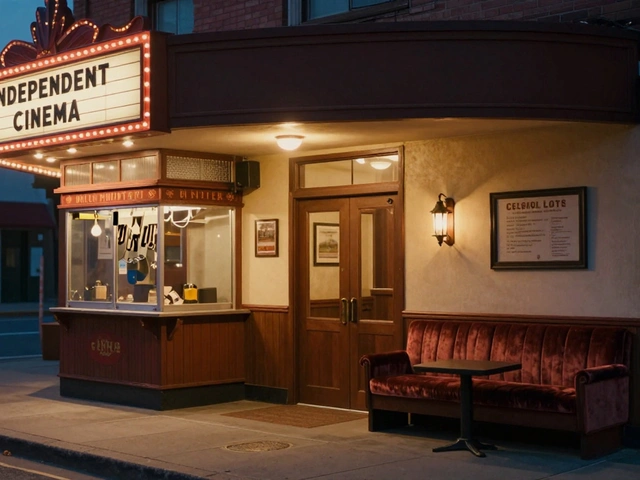
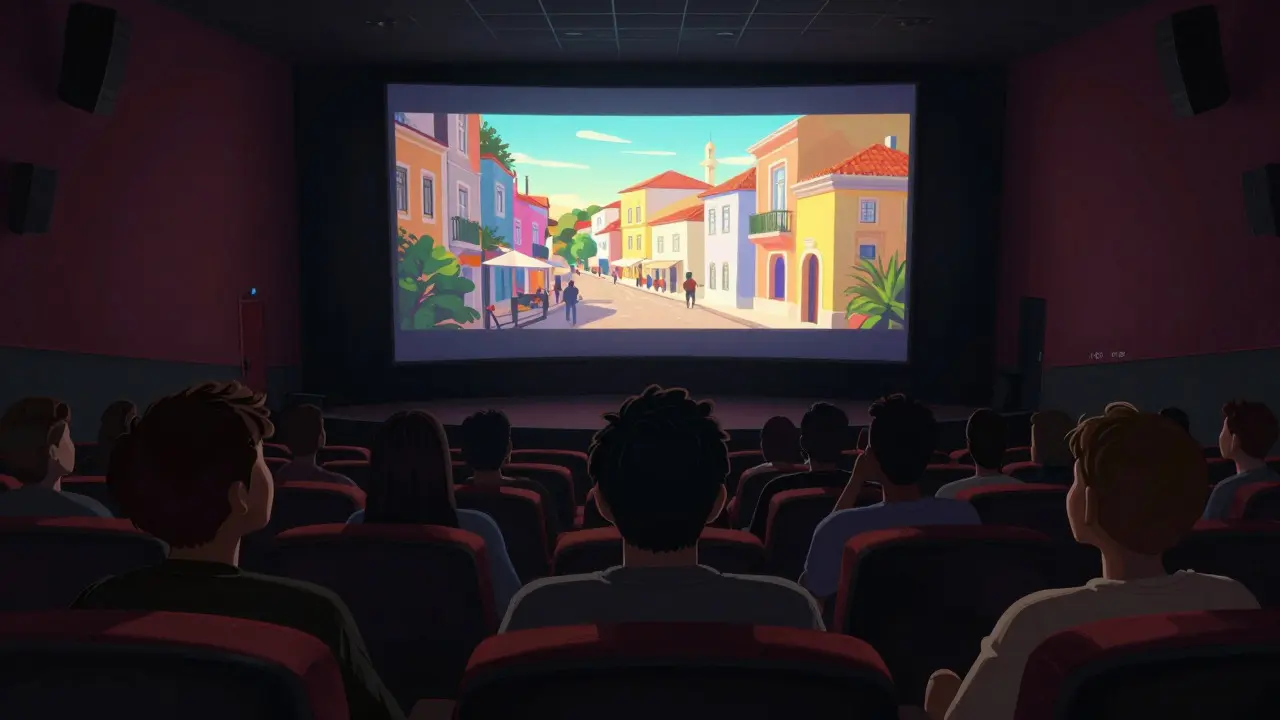
Walk into a local art-house theater on a Tuesday night in 2026. The marquee isn't flashing with the latest blockbuster sequel. Instead, it displays a quiet, evocative title from a director in Seoul or a coming-of-age story set in Lisbon. You might wonder why these specific films are being shown. The answer lies in the strategic shift of independent cinemas to build loyal communities through diverse programming. By prioritizing LGBTQ+ narratives and international perspectives, these venues transform from mere screening rooms into cultural hubs where identity and geography intersect.
This approach isn't just about filling seats; it's about creating a sense of belonging. When a viewer sees their own experience reflected on screen, or when they encounter a worldview completely different from their own, the theater becomes a space for connection. This article explores how curators use these two pillars-LGBTQ+ representation and global cinema-to sustain art-house viability and foster deep community ties.
The Strategic Role of LGBTQ+ Cinema in Local Venues
LGBTQ+ films have historically served as anchor content for independent theaters. Unlike mainstream studios that often dilute queer narratives for broad appeal, art-house programmers can select works that are raw, specific, and unapologetically niche. This specificity is what draws dedicated audiences. For example, a small theater in Asheville might program a retrospective of French New Wave directors who explored gender fluidity, linking historical context with modern relevance. This creates a narrative thread that keeps viewers returning week after week.
The economic impact is tangible. Studies on box office performance show that targeted marketing to LGBTQ+ demographics often yields higher per-ticket revenue than general advertising because the audience feels a direct stake in the film's success. These viewers don't just watch; they advocate. They share tickets, organize viewings, and engage in post-screening discussions. This organic word-of-mouth is invaluable for small businesses operating on thin margins.
| Strategy | Audience Retention | Marketing Cost | Community Impact |
|---|---|---|---|
| Blockbuster Exclusives | Low (One-time viewers) | High (National ads) | Minimal |
| LGBTQ+ Curated Series | High (Repeat attendees) | Low (Niche social media) | Strong identity bonding |
| International Film Festivals | Medium (Event-driven) | Medium (Local partnerships) | Cultural expansion |
Consider the concept of "parasocial relationships" between the audience and the curator. When a programmer selects a film featuring non-binary characters or trans protagonists, they signal to their community that this space is safe and welcoming. This trust reduces the barrier to entry for new members of the community who may feel alienated by mainstream cinema. The film itself becomes a conversation starter, bridging gaps between generations and backgrounds within the same room.
International Films as Bridges for Cultural Empathy
If LGBTQ+ films provide vertical depth (identity), international films provide horizontal breadth (geography). Screening movies from outside the United States challenges the monoculture dominance of Hollywood. A viewer in a rural American town watching a documentary from Japan or a drama from Nigeria is forced to step out of their immediate reality. This cognitive stretch is exactly what art-house communities thrive on.
Programmers often pair international films with local events to maximize engagement. For instance, a screening of a Korean thriller might be followed by a Q&A with a local university professor specializing in East Asian studies. This transforms a passive viewing experience into an active learning opportunity. It positions the theater not just as an entertainment venue, but as an educational resource. The community grows because people realize the theater offers value beyond just movies-it offers perspective.
The rise of streaming services has paradoxically helped art-house theaters in this regard. Because streaming platforms categorize films rigidly, many obscure international titles remain hidden. Theaters fill this gap by offering curated access. They act as human algorithms, recommending titles based on taste rather than click-through rates. This curation builds authority. When a local programmer says, "This film from Brazil is essential," their audience trusts the judgment, strengthening the bond between the venue and its patrons.
Building Hybrid Communities Through Crossover Programming
The most successful art-house communities emerge when these two strategies overlap. What happens when you combine LGBTQ+ themes with international settings? You get films that challenge both identity norms and geographic biases simultaneously. These crossover titles often become the cornerstone of a theater's annual calendar. They attract the LGBTQ+ audience looking for representation and the cinephile audience seeking exoticism and artistic merit.
Take, for example, a recent trend in European cinema where queer narratives are set against the backdrop of political unrest. These films resonate deeply with younger audiences who are interested in both social justice and geopolitical awareness. By programming such titles, a theater captures multiple demographic segments at once. The resulting community is diverse, politically engaged, and highly vocal. These members become ambassadors for the theater, bringing friends and family who might never otherwise step foot in an art-house venue.
Furthermore, these hybrid programs allow for more flexible ticket pricing and membership models. Since the audience is self-selecting and passionate, theaters can introduce subscription tiers for quarterly series. This provides predictable revenue streams while rewarding loyalty. The financial stability gained from this model allows the theater to take risks on even more obscure titles, further differentiating them from multiplexes.

Operational Tactics for Sustaining Growth
Executing this strategy requires more than just picking good movies. It demands a proactive operational approach. First, curators must maintain strong relationships with distributors. Independent distributors of LGBTQ+ and international films often rely on local theaters for their initial theatrical run. Building these partnerships ensures first access to high-quality titles before they hit digital platforms.
Second, marketing must be hyper-local and personal. Instead of buying broad radio spots, successful theaters invest in community newsletters, local blog collaborations, and social media groups focused on specific interests. A post about a new Italian gay romance film should be shared in local LGBTQ+ networks, while a Japanese sci-fi horror film should be promoted in local gaming or tech groups. Precision targeting reduces waste and increases conversion.
Finally, the physical space matters. Art-house theaters that succeed in community building often design their lobbies to encourage lingering. Comfortable seating, local art displays, and food options that cater to diverse dietary needs all contribute to the feeling of a "third place"-a space that is neither home nor work. This environment encourages the informal networking that solidifies community bonds.
The Long-Term Impact on Art-House Preservation
Ultimately, the goal of this diverse programming is preservation. In an era where physical movie theaters are closing at alarming rates, art-house venues need a unique value proposition. Blockbusters cannot save them, as those films will always go to the biggest screens with the best sound systems. But community can. A theater that is seen as a home base for LGBTQ+ individuals or a gateway to global culture becomes indispensable. It becomes part of the social fabric of the city.
This preservation effort extends beyond the building itself. It preserves the tradition of communal viewing. In a world increasingly dominated by solitary streaming on personal devices, the shared gasp, laugh, or silence of a darkened theater remains a powerful human experience. By leveraging LGBTQ+ and international films, curators ensure that this experience remains relevant, inclusive, and vibrant. The result is a resilient ecosystem where art, commerce, and community support one another in a cycle of mutual growth.
Why do art-house theaters focus on LGBTQ+ films?
Art-house theaters focus on LGBTQ+ films because these titles create strong, loyal communities. Viewers who see their identities represented are more likely to attend regularly, recommend the venue to others, and participate in post-screening discussions. This dedicated audience provides stable revenue and fosters a welcoming atmosphere that distinguishes the theater from mainstream multiplexes.
How do international films help build local communities?
International films broaden the cultural horizons of local audiences, turning the theater into an educational hub. By pairing screenings with local experts or events, theaters create opportunities for cross-cultural dialogue. This positions the venue as a center for intellectual and social exchange, attracting patrons who value diversity and global perspectives.
What is the difference between art-house and mainstream cinema programming?
Mainstream cinema focuses on mass appeal, often prioritizing big-budget blockbusters with universal themes. Art-house cinema, conversely, emphasizes artistic merit, niche genres, and diverse voices. While mainstream aims for wide reach, art-house aims for deep engagement, relying on curation and community connection rather than just star power or franchise recognition.
Can small towns sustain art-house theaters?
Yes, small towns can sustain art-house theaters if they leverage niche programming effectively. By focusing on specific communities, such as LGBTQ+ groups or academic institutions, smaller venues can build a dedicated core audience. High retention rates and lower overhead costs compared to urban centers make this model viable, provided the programming resonates deeply with local demographics.
How does streaming affect art-house theater attendance?
Streaming competes with theaters for convenience but also highlights the value of the communal experience. Many obscure international and LGBTQ+ films are hard to find on streaming platforms due to algorithmic bias. Theaters offer curated discovery and a social event aspect that streaming lacks. Patrons often choose theaters for the shared experience and the prestige of seeing a film in its intended format.