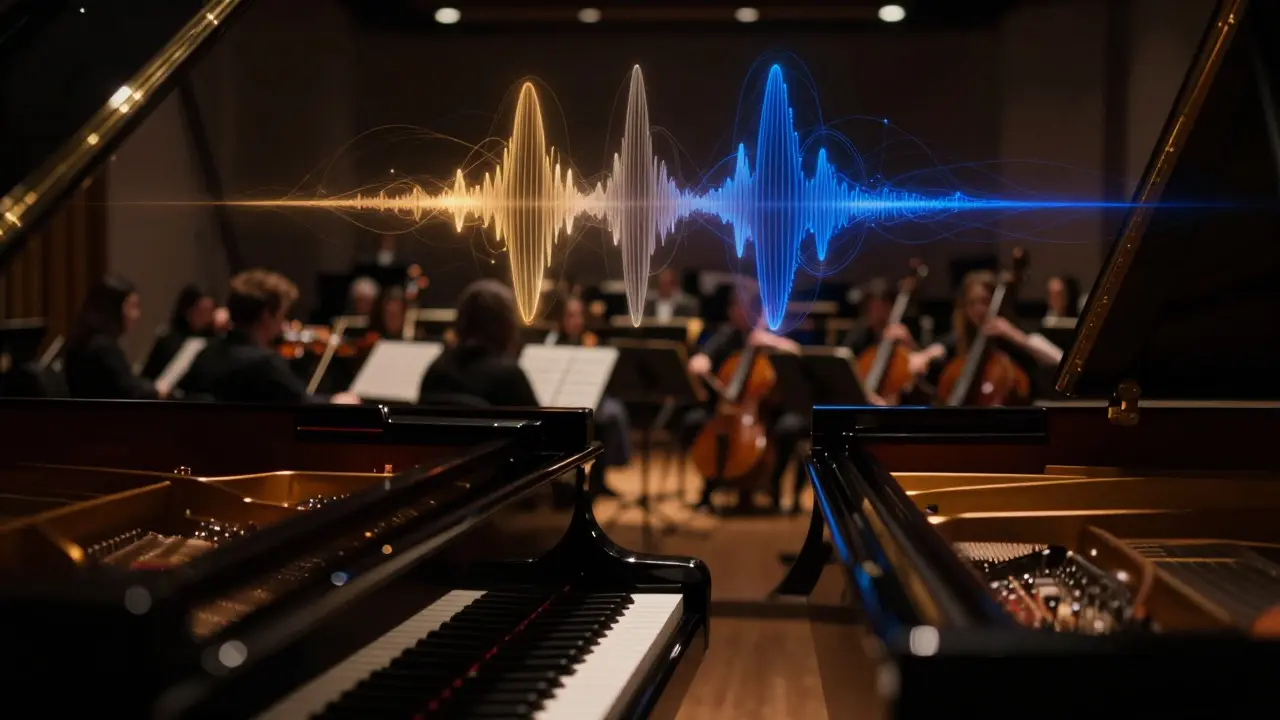
Think about the last movie you watched. Did a specific melody make your heart race? Or did a low, rumbling drone signal that something was wrong? You probably didn't notice it consciously, but your brain locked onto those sounds instantly. This is the power of sound motifs. They are not just background noise; they are narrative tools that tell you who a character is, what they want, and how they will change without a single line of dialogue.
When a composer assigns a unique musical idea to a person, place, or object, they create an audio signature. It’s like giving a character a sonic fingerprint. Once you hear it, you know exactly who is on screen, even if they are hidden behind a door or off-camera entirely. This technique has been around since the early days of cinema, but modern films use it with surgical precision to manipulate your emotions.
The Anatomy of a Sound Motif
A sound motif is more than just a catchy tune. It is a short, recurring musical phrase that carries specific emotional weight. In film theory, this is often called a leitmotif, a term borrowed from opera where composers like Richard Wagner used music to represent characters and ideas. However, in film, these motifs can be melodic, rhythmic, or purely textural.
Consider the attributes that make a motif effective:
- Melody: A distinct sequence of notes that is easy to recognize. Think of the two-note sting in horror movies.
- Rhythm: A pattern of beats that creates tension or urgency. A fast, staccato rhythm might indicate a chase scene.
- Instrumentation: Specific instruments that evoke certain feelings. A solo cello often signals sadness, while brass instruments suggest heroism or danger.
- Dynamics: The volume and intensity of the sound. A quiet motif can feel intimate, while a loud one feels overwhelming.
These elements work together to build meaning. When the motif returns, it doesn’t just repeat; it evolves. If a character grows braver, their motif might shift from minor to major keys. If they become corrupted, the instrumentation might turn dissonant. The audience subconsciously tracks these changes, creating a deeper connection to the story.
How Composers Assign Audio Signatures
Assigning a sound motif is a strategic decision made during the pre-production and scoring phases. Directors and composers discuss which characters need musical identity. Usually, only the main protagonists, antagonists, and key supporting roles get dedicated motifs. Giving everyone a theme would clutter the score and dilute the impact.
The process involves mapping the character arc to the musical development. For example, if a protagonist starts as an outcast and becomes a leader, their motif might start sparse and lonely, played by a single instrument. As they gain confidence, the motif expands, incorporating more layers and harmonies. This musical growth mirrors the visual progression of the character.
Composers also consider the context in which the motif appears. Does it play when the character is speaking? Or does it underscore their actions? Sometimes, the most powerful moments occur when the motif plays unexpectedly, such as when a villain hears the hero’s theme, signaling fear or respect.
| Motif Type | Primary Function | Typical Instrumentation | Emotional Effect |
|---|---|---|---|
| Heroic Theme | Identify the protagonist | Brass, Strings | Inspiration, Courage |
| Villainous Stinger | Signal danger or threat | Low Brass, Percussion | Fear, Tension |
| Romantic Phrase | Connect love interests | Piano, Flute, Soft Strings | Intimacy, Warmth |
| Memory Fragment | Evoke past events | Distorted Guitar, Synthesizer | Nostalgia, Unease |
Classic Examples That Defined Cinema
You have likely heard these motifs thousands of times. They are so embedded in pop culture that you can identify the film just from the first few notes. Let’s look at some iconic examples to see how they work in practice.
Star Wars is a franchise that revolutionized the use of leitmotifs in blockbuster cinema. John Williams assigned specific themes to nearly every major character and faction. The "Imperial March" isn’t just a song; it is the auditory representation of the Galactic Empire’s rigid order and menace. When you hear the oomp-pah rhythm, you expect uniformity and authority. Conversely, the "Force Theme" uses woodwinds and strings to convey mystery and spiritual connection. These motifs allow the audience to understand the political landscape of the galaxy without exposition dumps.
In Jaws, the 1975 thriller directed by Steven Spielberg, the shark itself has a motif. It is simple: two alternating notes, high and low. It is not complex, but its simplicity makes it terrifying. The motif accelerates as the shark gets closer, creating a visceral sense of dread. It proves that you don’t need a full orchestra to create a powerful audio signature; sometimes, less is more.
Another standout is The Godfather, a crime drama that uses subtle musical cues to track family dynamics. Nino Rota’s score features a waltz-like motif associated with the Corleone family. It sounds elegant and traditional, reflecting the old-world values of the mafia. However, as the family becomes more ruthless, the motif remains, but the context shifts. The music stays the same, but the meaning darkens. This contrast between the polite melody and the brutal actions creates a chilling effect.
Modern Techniques in Contemporary Film
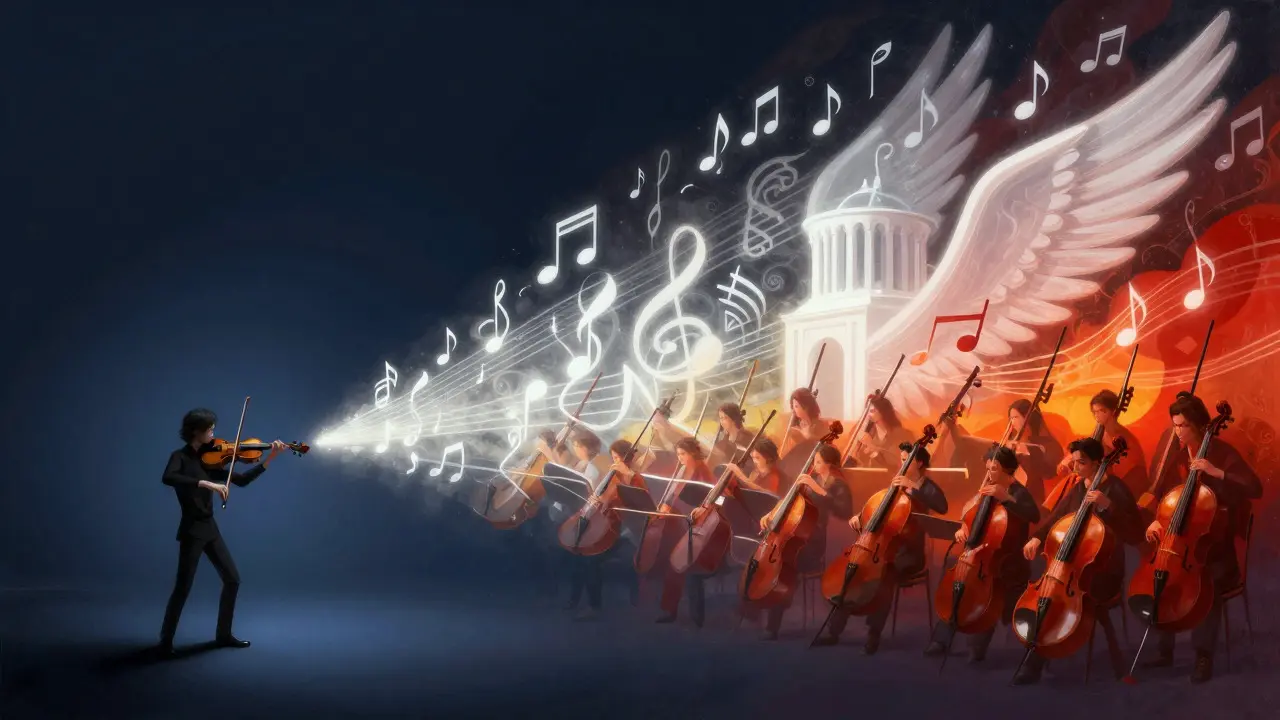
Today’s filmmakers use technology to push sound motifs further. Electronic music allows for precise manipulation of pitch and texture. A composer can take a vocal sample, stretch it, and layer it under a drum beat to create a haunting signature for a sci-fi antagonist. This flexibility means motifs can be more abstract and atmospheric than in classical scores.
Hybrid scores are also popular. They blend orchestral instruments with electronic elements. This approach allows for a wider dynamic range. A quiet, digital hum can transition into a massive orchestral swell, mirroring a character’s internal explosion of emotion. Films like Dune use this technique effectively, combining ancient-sounding horns with modern synthesizers to create a timeless yet alien feel.
Additionally, sound design and score are merging. The boundary between "music" and "sound effects" is blurring. A car engine’s revving might be pitched to match the key of the film’s main theme. A heartbeat might be mixed with a bass drum. This integration ensures that every sound contributes to the character’s audio signature, making the world feel cohesive.
Why Audio Signatures Matter to the Audience
Why do we care about these musical cues? Because they bypass our logical brain and speak directly to our emotions. When a familiar motif plays, it triggers a memory response. You remember previous scenes, previous decisions, and previous feelings. This creates a sense of continuity and closure.
It also helps with pacing. A fast motif speeds up the viewer’s perception of time, while a slow one stretches it out. Directors use this to control how long a scene feels. If a character is hesitating, a slow, sustained note can make the silence feel heavy. If they are running, a rapid tempo can make the action feel frantic.
For viewers, recognizing these motifs adds a layer of engagement. It turns passive watching into active listening. You start to predict what will happen next based on the music. If the villain’s theme starts to creep in, you know trouble is brewing. This anticipation keeps you hooked until the final credits roll.
Common Mistakes in Using Sound Motifs
Not every attempt at a sound motif works. Here are some pitfalls to watch for:
- Overuse: Playing the motif too frequently can make it annoying instead of meaningful. It needs breathing room to retain its impact.
- Lack of Variation: If the motif never changes, it becomes static. It must evolve with the character to stay relevant.
- Clashing with Dialogue: If the music is too loud or complex, it can distract from the actors’ performances. The motif should support, not overpower.
- Ignoring Context: A happy motif played over a sad scene can feel jarring unless the director intends irony. Misalignment confuses the audience.
Successful scores balance these elements carefully. They know when to let the music speak and when to step back. The best sound motifs feel inevitable, as if they were always part of the story.
Frequently Asked Questions
What is the difference between a theme and a motif?
A theme is usually a complete, standalone piece of music, while a motif is a short fragment or idea that recurs throughout the score. Themes are broader, whereas motifs are specific building blocks used to construct the larger musical narrative.
Do all characters in a movie need a sound motif?
No. Only key characters typically receive dedicated motifs. Assigning music to every minor character can clutter the score and reduce the emotional impact of the main themes. Selectivity is crucial for effectiveness.
How does a sound motif change as a character develops?
The motif evolves through changes in key, tempo, instrumentation, and harmony. For example, a minor key might shift to major as a character finds hope, or a soft piano line might become a full orchestral statement as they gain power.
Can non-musical sounds be considered motifs?
Yes. Recurring sound effects, like a specific door creak, a phone ringing, or a mechanical whir, can function as motifs if they are tied to a character or concept and carry consistent emotional weight throughout the film.
Who decides which characters get audio signatures?
The decision is usually made collaboratively by the director and the film composer during pre-production. They analyze the script to identify which characters drive the narrative and require musical identification to enhance storytelling.





Comments(10)