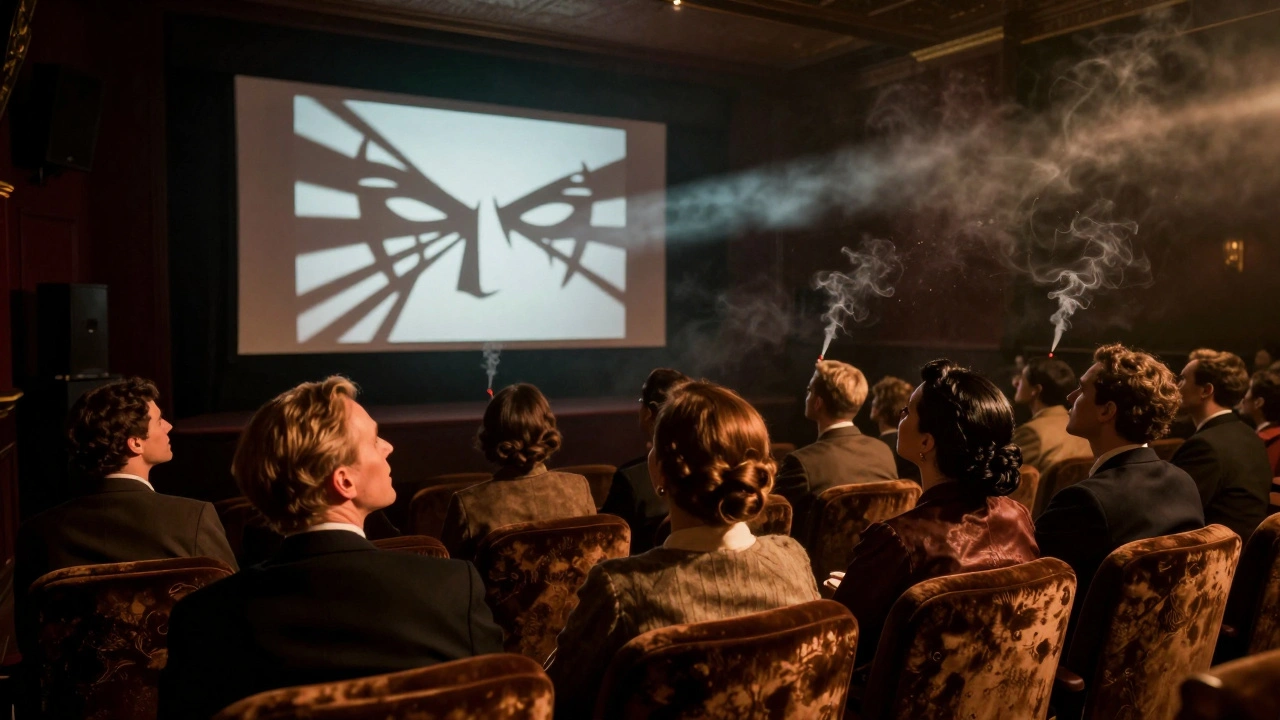
The lights dimmed in a Berlin theater in 1920. The screen flickered with shadows, sharp angles, and faces that seemed to scream without sound. This was Weimar Cinema, the golden age of German filmmaking between the two world wars. It was a time when artists broke every rule. But one rule they didn’t just break-they rewrote from scratch. They put queer lives on screen. Not as jokes. Not as villains. As real people.
If you think modern movies invented complex LGBTQ+ characters, look closer at the 1920s. Weimar Germany gave us some of the first nuanced portrayals of same-sex desire in cinematic history. These films weren't perfect by today's standards, but they were revolutionary for their time. They showed us that love, identity, and pain are universal, even when society says otherwise.
The Atmosphere of Weimar Germany
To understand why these films existed, you have to feel the vibe of Weimar Germany. It was chaotic. It was dangerous. And it was incredibly free. After losing World War I, Germany’s government collapsed and rebuilt itself as a republic. The old strict rules? Gone. Or at least, pushed aside.
In cities like Berlin, a cultural explosion happened. Cabarets stayed open late. Artists mixed with politicians. And for the first time, gay and lesbian communities could live openly in certain districts. Places like the Schöneberg neighborhood became hubs for queer life. You had bars, clubs, and even newspapers dedicated to this community. This wasn't just tolerance; it was visibility.
Filmmakers absorbed this energy. They wanted to show the truth, not the polished lie. So, when they made movies about outsiders, they included queer characters because those people were part of the fabric of city life. The cinema reflected the streets.
Anderschicksal: The First Step
Let’s start with Anderschicksal (Different Fate), released in 1920. Directed by Walter Ruttmann, this film is often overlooked today, but it’s huge. It tells the story of a young man who realizes he is attracted to other men. In most films before or after this period, that character would be punished or killed. Here, he isn’t.
The movie doesn’t offer a happy ending where everyone accepts him instantly. That would be unrealistic. Instead, it shows his struggle to find peace within himself. He finds a small circle of friends who accept him. It’s quiet. It’s subtle. But it’s there. For the first time, a mainstream film said, "This person exists, and their feelings are valid." That was a massive shift in how audiences viewed sexuality.
Male Love: Breaking the Silence
Then came Männliche Liebe (Male Love) in 1928. Directed by Richard Oswald, this film took things further. It wasn’t just about internal struggle; it was about relationships. The plot follows two men who fall in love while working together. Their bond is central to the story, not a side note.
This film faced heavy censorship. Authorities tried to cut scenes showing affection between the male leads. But the director fought back. What survived was still powerful. It showed intimacy without shame. It challenged the idea that heterosexuality was the only normal path. Even though it was controversial, it proved that audiences could handle-and crave-these stories.
Metrosexuals Before the Term Existed
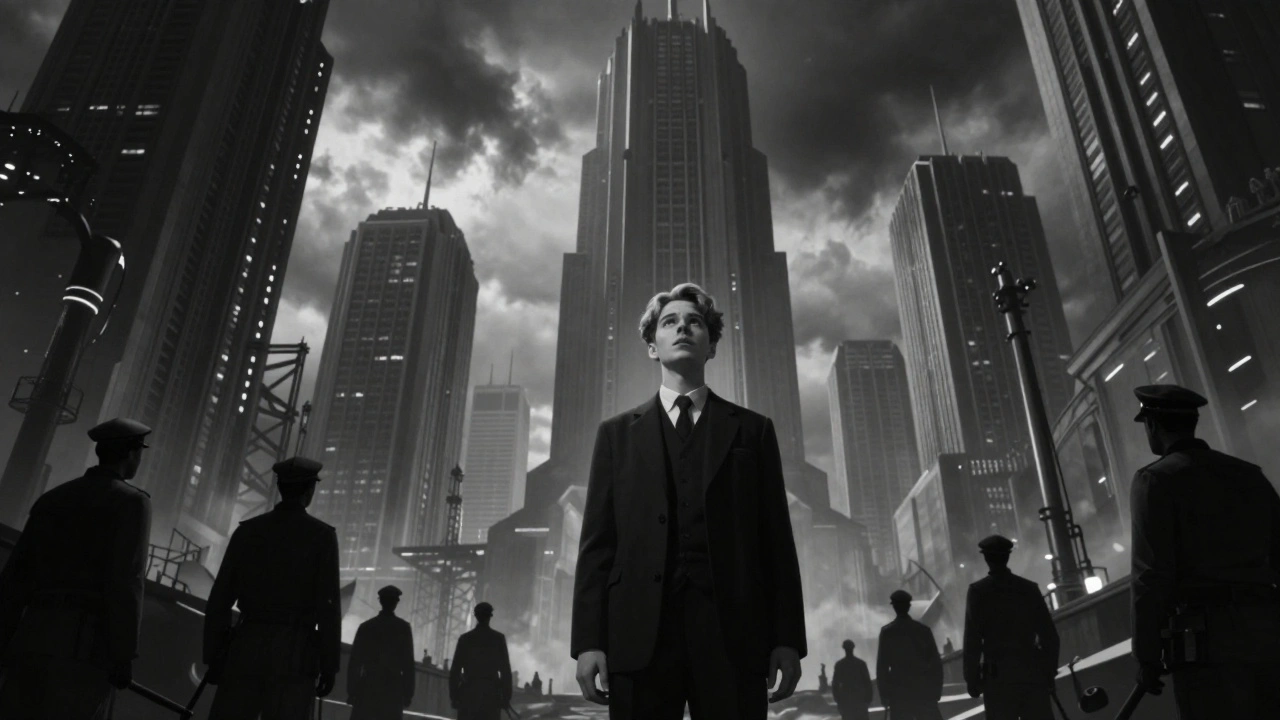
You can’t talk about Weimar cinema and queer representation without mentioning Fritz Lang’s masterpiece, Metropolis (1927). On the surface, it’s a sci-fi epic about class warfare. But look at the character of Freder. He’s soft-spoken, sensitive, and deeply emotional. He cares more about human connection than power.
Critics and historians have long debated whether Freder was coded as queer. His sensitivity contrasts sharply with the rigid, masculine industrialists around him. In a culture that valued stoic masculinity, his vulnerability stood out. Some scholars argue that Lang used these traits to comment on the fluidity of gender roles. Whether intentional or not, Freder offered a new model of masculinity-one that allowed for empathy and tenderness.
This matters because it expanded the range of male characters on screen. Men didn’t have to be tough cops or cold CEOs. They could be gentle. They could care. That opened doors for future queer coding in Hollywood and beyond.
Lesbian Visibility in Silent Films
While male homosexuality got more attention, women’s experiences weren’t ignored. Die Büchse der Pandora (Pandora’s Box, 1929), directed by G.W. Pabst, features one of the earliest sympathetic portrayals of a lesbian relationship. The protagonist, Lulu, played by the legendary Louise Brooks, has a passionate romance with another woman early in the film.
This relationship isn’t treated as deviant. It’s shown as natural and intense. Lulu loves freely, regardless of gender. The film suggests that her tragedy comes from societal judgment, not her own nature. This was rare. Most films at the time painted female homosexuality as exotic or dangerous. Pabst refused to do that. He let Lulu be complex, flawed, and fully human.
The Rise of Anti-Queer Laws
All of this freedom didn’t last. By the mid-1930s, the Nazi regime rose to power. They hated what Weimar cinema represented. To them, art should serve the state, not question it. Queer themes were labeled "degenerate." Films like Anderschicksal and Männliche Liebe were banned. Many prints were destroyed.
Paragraph 175, a law criminalizing homosexual acts between men, was strengthened. Thousands were imprisoned. The vibrant queer culture of Berlin vanished overnight. The silence returned. But the films left behind traces. Surviving copies were hidden, smuggled, or kept in private collections. They became artifacts of resistance.
Legacy and Influence Today
So why does this matter now? Because Weimar cinema laid the groundwork for everything that followed. Modern filmmakers owe a debt to those early pioneers. When you see a queer character who isn’t defined solely by their sexuality, think of Weimar. When you watch a film that explores identity through visual metaphor, remember the expressionist techniques used in these works.
Today’s LGBTQ+ cinema stands on the shoulders of these silent films. They proved that queer stories belong in art. They showed that complexity sells. And they reminded us that progress isn’t linear-it can be taken away, but never truly erased.
| Year | Title | Director | Significance |
|---|---|---|---|
| 1920 | Anderschicksal | Walter Ruttmann | First major film to depict a gay protagonist seeking self-acceptance |
| 1928 | Männliche Liebe | Richard Oswald | Explored romantic love between men despite censorship efforts |
| 1927 | Metropolis | Fritz Lang | Featured emotionally vulnerable male lead challenging traditional masculinity |
| 1929 | Pandora’s Box | G.W. Pabst | Showcased a genuine lesbian relationship without moral condemnation |
How to Watch These Films Today
Want to see these classics for yourself? Good news: many are available online. Archives like the UFA Film Museum and digital platforms such as MUBI or Criterion Channel host restored versions. Look for subtitles if needed-silent films rely heavily on intertitles for dialogue.
Start with Metropolis. It’s visually stunning and widely accessible. Then move to Pandora’s Box for Louise Brooks’ iconic performance. If you want deeper dives into queer narratives, seek out restorations of Anderschicksal and Männliche Liebe. These require more effort to find, but they’re worth it.
Watch them slowly. Pay attention to lighting, composition, and facial expressions. Silent films speak volumes without words. Let the images tell you the story. You’ll be surprised how much emotion fits into a glance or a gesture.
Why Context Matters
Understanding Weimar cinema means understanding its context. These films weren’t made in a vacuum. They responded to political turmoil, social change, and artistic innovation. Without knowing that, you might miss layers of meaning.
For example, the exaggerated shadows in The Cabinet of Dr. Caligari aren’t just cool visuals-they reflect psychological instability. Similarly, the fluid identities in queer-themed films mirror the uncertainty of post-war society. Everything connects. Nothing is random.
When watching, ask yourself: What was happening outside the studio? Who was being silenced? Whose voices were finally heard? Those questions unlock richer interpretations.
Final Thoughts on Visual Storytelling
Weimar cinema teaches us that storytelling evolves with society. When restrictions lift, creativity flourishes. When oppression returns, art becomes underground-but never dead. The queer representations we saw in these films weren’t accidental. They were deliberate acts of defiance.
They remind us that representation isn’t just about inclusion. It’s about authenticity. It’s about showing people as they are, not as others expect them to be. That lesson remains vital today.
What makes Weimar Cinema unique in film history?
Weimar Cinema is known for its bold experimentation, dark themes, and willingness to tackle taboo subjects like sexuality and mental health. Unlike earlier eras, it embraced ambiguity and moral complexity, influencing generations of filmmakers worldwide.
Are there any surviving copies of banned Weimar films?
Yes, several key films like Anderschicksal and Männliche Liebe have been preserved through archival efforts. Restorations exist thanks to institutions like the UFA Film Museum and international cooperatives.
How did censorship affect Weimar filmmakers?
Censors targeted politically sensitive content, including queer themes. Directors used symbolism, subtext, and visual metaphors to bypass restrictions. Despite cuts, many managed to convey meaningful messages.
Can I watch Weimar films legally online?
Yes, services like MUBI, Criterion Channel, and YouTube archives offer legal access to restored Weimar films. Always check region availability and licensing terms.
Why are Weimar films considered important for LGBTQ+ history?
They provided some of the earliest non-stigmatized portrayals of queer individuals in mainstream media. Their existence proves that diverse stories have always had value, even during periods of suppression.