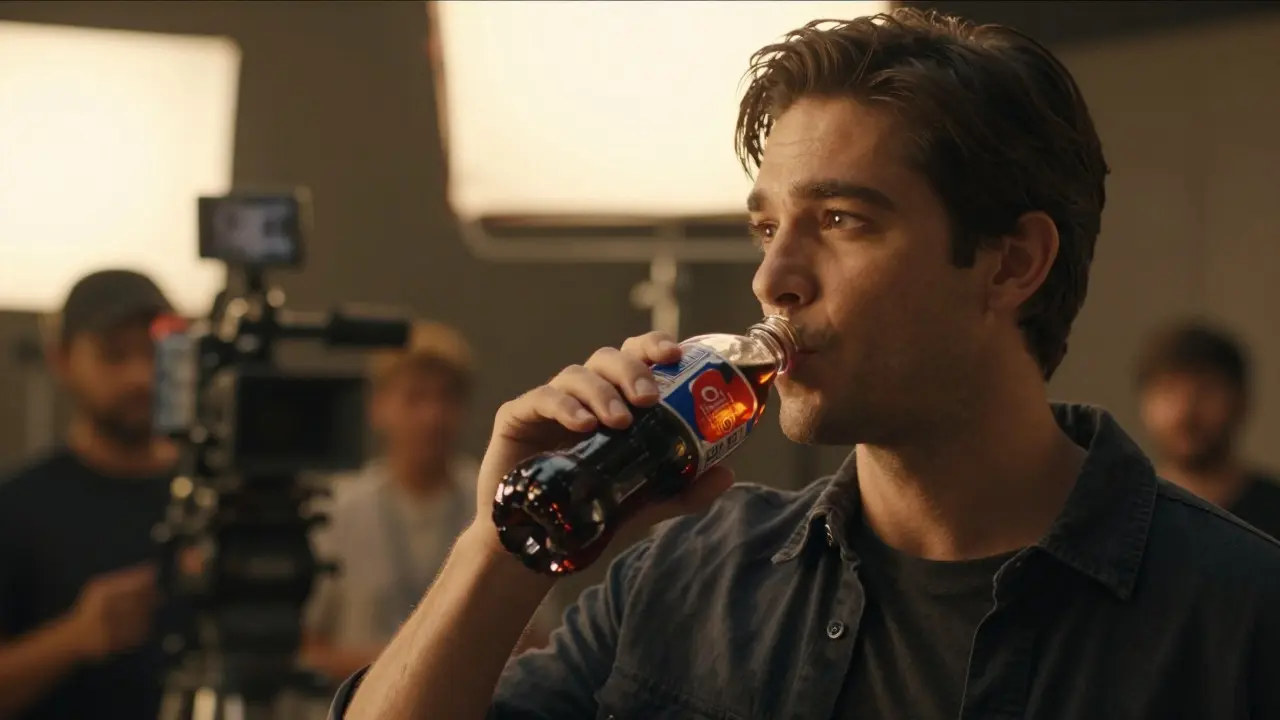
Imagine a scene where your favorite character takes a sip from a specific soda bottle. That isn't an accident. It’s the result of a complex legal and financial agreement known as a product placement contract is a legally binding agreement between a film production company and a brand owner that grants permission to feature specific products within visual or audio media in exchange for compensation. These deals have evolved from simple barter arrangements into sophisticated marketing tools worth billions annually. For producers, these contracts secure funding; for brands, they offer authentic exposure without traditional ad fatigue. Understanding how these agreements work is crucial for anyone navigating the intersection of entertainment and commerce.
The Core Structure of a Placement Deal
At its heart, a product placement contract defines three main elements: rights, compensation, and creative control. The most common form is the cash-and-product deal, which combines a monetary fee with the provision of free goods for set usage and cast consumption. However, not all deals are equal. Some are purely cash-based, where the brand pays for visibility but provides no physical items. Others are "barter" deals, where the brand supplies goods (like cars or electronics) in exchange for screen time, often with little to no cash payment. The choice depends on the production's budget needs and the brand's marketing goals.
Creative control is often the most contentious part of negotiations. Brands want their logos clearly visible and their products used correctly. Producers, however, need flexibility to adjust scenes if the director changes the shot. A well-drafted contract includes a "creative approval" clause that specifies how many times the brand can review shots before finalizing them. Without this, disputes can arise over whether a logo was too blurry or if the product was held incorrectly.
Key Legal Clauses Every Producer Must Know
Beyond the basics, several specific clauses protect both parties. The intellectual property license is central to every deal. This clause grants the film studio the right to use the brand’s trademarks, trade dress, and sometimes packaging designs within the movie. In return, the brand usually gets a limited license to use stills or clips from the film in their own advertising. If this reciprocity isn’t clear, one party might end up paying twice for rights they already hold.
Another critical component is the termination clause, which outlines what happens if the film is delayed, cancelled, or if the brand suffers a public relations crisis. For example, if a car manufacturer recalls a model featured prominently in a thriller, the producer may have the right to reshoot or edit those scenes. Conversely, if the film is pulled from theaters due to a scandal, the brand should be protected from further association costs. Clear exit strategies prevent expensive lawsuits later.
Compensation Models: Cash, Barter, and Hybrid
How much does a brand pay? It varies wildly based on prominence, duration, and exclusivity. A background prop might cost $5,000, while a hero shot featuring a luxury watch could command $500,000 or more. Compensation structures typically fall into three categories:
- Flat Fee: A single payment for defined screen time. This is common for smaller productions or minor placements.
- Per-Usage Fee: Payment is tied to specific metrics, such as the number of seconds the product is visible or the number of distinct shots.
- Hybrid Model: A base fee plus performance bonuses. For instance, the brand pays a standard amount, but receives a discount or bonus credit if the film wins a major award or exceeds box office targets.
Barter deals require careful valuation. If a brand provides $100,000 worth of laptops for a tech drama, the tax implications differ significantly from a cash payment. Producers must document the fair market value of all goods received to ensure accurate accounting and tax reporting.

Navigating Exclusivity and Competitive Restrictions
Exclusivity is a premium feature in placement contracts. If a soft drink company pays for exclusive rights, no other beverage brand can appear in the film. This restriction applies to the entire runtime unless specified otherwise. However, exclusivity comes at a high price. Brands often pay 2x to 3x the standard rate for exclusive categories. Producers must weigh this income against the loss of potential revenue from competing brands.
Competitive restrictions also extend to casting. If an actor is associated with a rival brand through a personal endorsement deal, conflicts can arise. For example, if an actor wears a competitor’s sunglasses during a scene featuring the placed eyewear brand, it creates a legal ambiguity. Contracts now frequently include "non-conflict" warranties, requiring producers to disclose any existing celebrity endorsements that might clash with the placed product.
Risks, Insurance, and Liability
Product placement isn't risk-free. Physical products on set can break, leak, or malfunction. A leaking perfume bottle during a romantic scene can ruin footage and damage the brand’s image. To mitigate this, productions carry production liability insurance, which covers damage to third-party property. Additionally, brands often require the producer to indemnify them against claims arising from the product’s depiction. If the product is shown being used dangerously (like a power tool without safety gear), the brand could face public backlash, leading to breach of contract claims.
Intellectual property infringement is another hidden risk. If a background poster features a trademarked design that wasn’t cleared, the brand owner of that poster could sue the production. While rare, these "unintended placements" can lead to costly litigation. Thorough location scouting and set design reviews help identify and remove unlicensed brands before filming begins.
| Deal Type | Primary Benefit | Common Risk | Best For |
|---|---|---|---|
| Cash-Only | Predictable revenue | No physical props provided | High-budget films |
| Barter-Only | Reduces production costs | Valuation disputes | Indie productions |
| Hybrid | Shared risk/reward | Complex accounting | Mid-range blockbusters |

Digital Extensions and New Media Rights
In 2026, a film release isn't just about theaters. Digital extensions are now standard in placement contracts. These clauses grant the brand rights to use the placement in streaming services, social media teasers, and even virtual reality experiences. The scope of these rights has expanded rapidly. A brand might pay extra for "social cut-downs," allowing them to create short videos specifically highlighting the product for Instagram or TikTok.
Furthermore, interactive digital rights allow viewers to click on the product in a smart TV interface to purchase it directly. This blurs the line between content and commerce. Contracts must specify who owns the data generated from these interactions. Does the brand get viewer demographics? Does the studio? Clarifying data ownership prevents future friction in the post-release phase.
Practical Tips for Negotiating Better Terms
When sitting across from a brand representative, keep these strategies in mind. First, define "prominence" clearly. Use terms like "hero shot" (clear, focused view) versus "background presence" (visible but not focused). Ambiguity here leads to underpayment. Second, limit the number of revision rounds. Brands often request endless tweaks to lighting or angle. Capping approvals at two or three rounds keeps production schedules on track.
Finally, always check for pre-existing relationships. If the director or star has a personal connection to a different brand, disclose it early. Transparency builds trust and avoids last-minute surprises. A smooth negotiation process ensures that the focus remains on storytelling, not legal battles.
What is the average cost of a product placement in a film?
Costs vary widely. Minor background placements can range from $5,000 to $20,000. Major hero placements with exclusive rights can exceed $500,000. Factors like screen time, clarity, and exclusivity drive the price.
Who owns the rights to use the product in the film?
The film production company holds the primary rights to display the product within the movie. The brand retains ownership of the trademark itself but grants a limited license to the producer for the duration of the film's distribution.
Can a brand force a change after filming is complete?
Generally, no. Creative approval clauses usually apply before final editing. Once the picture is locked, brands rarely have contractual power to demand changes unless there is a significant legal issue or PR crisis outlined in the termination clause.
What happens if a product is recalled during a film's release?
The contract's termination or force majeure clause dictates the outcome. Usually, the brand is released from further obligations, and the producer may negotiate a partial refund or extended marketing support to offset the negative association.
Do indie films benefit from product placement?
Yes, often through barter deals. Brands looking for niche audiences may provide goods (like clothing or tech) in exchange for visibility, helping indie producers reduce costs without needing large cash injections.




Comments(6)