Apple TV+ isn’t just about weekly series anymore. Over the last two years, it’s quietly built one of the most consistent libraries of original feature films in streaming. No flashy marketing campaigns, no red carpets on Instagram - just quiet, powerful storytelling that keeps showing up in Oscar conversations. If you’re wondering what’s coming next and whether the last batch of films were worth your time, here’s what’s actually happening on Apple TV+ in early 2026.
What’s Coming in 2026
Apple TV+ has lined up eight feature films for release between January and June 2026. Five are world premieres, three are international acquisitions with U.S. debuts. None are sequels or franchises. That’s intentional. Apple’s film strategy isn’t about chasing trends - it’s about finding stories that feel urgent, personal, and visually bold.
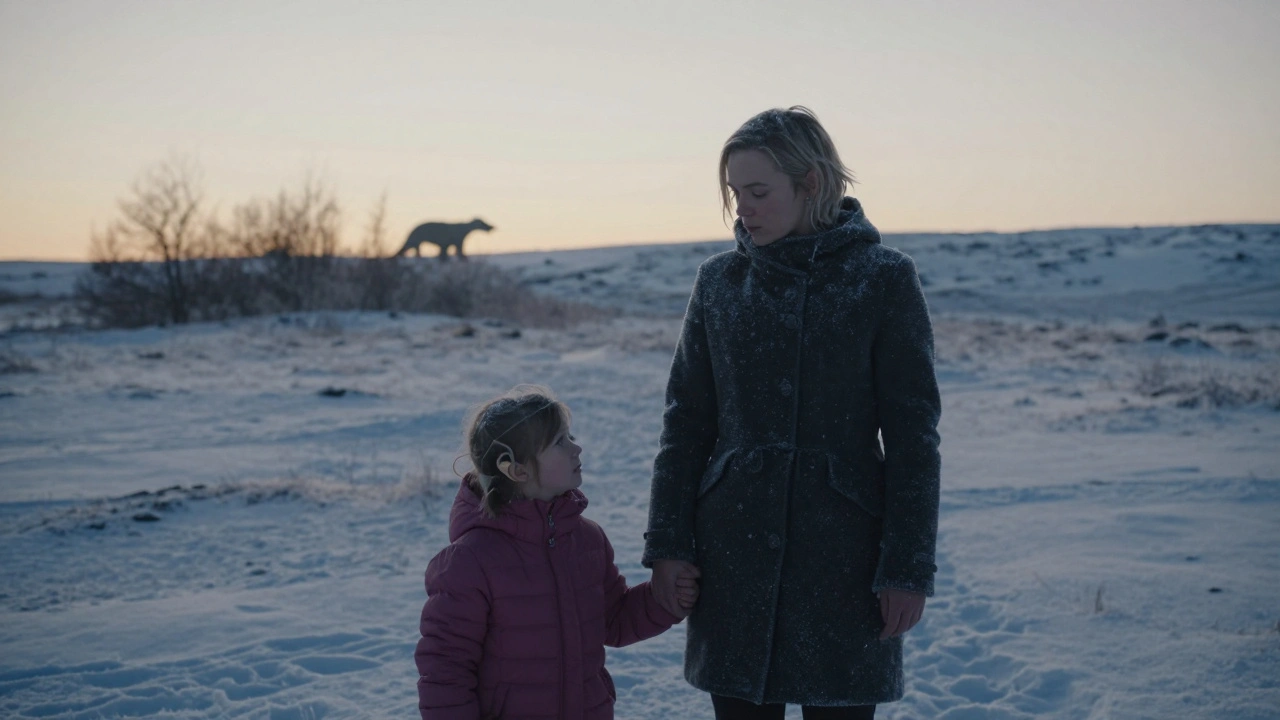
Leading off in January is The Quiet Hour, a post-apocalyptic drama starring Florence Pugh as a mother trying to protect her deaf daughter in a world where sound attracts deadly creatures. Shot entirely in natural light across Iceland and rural Pennsylvania, it’s the kind of film that lingers. Reviews from early screenings at Sundance called it "haunting without being melodramatic" - a rare balance.
February brings One Last Summer, a quiet family drama from Spanish director Isabel Sánchez. It follows a retired teacher in rural Andalusia who decides to sell her ancestral home after her husband’s death. What starts as a simple transaction turns into a reckoning with memory, silence, and generational grief. The film has no score. Only ambient sound: wind through olive trees, footsteps on stone, distant church bells. Critics at Berlinale gave it a 9.2/10 for emotional honesty.
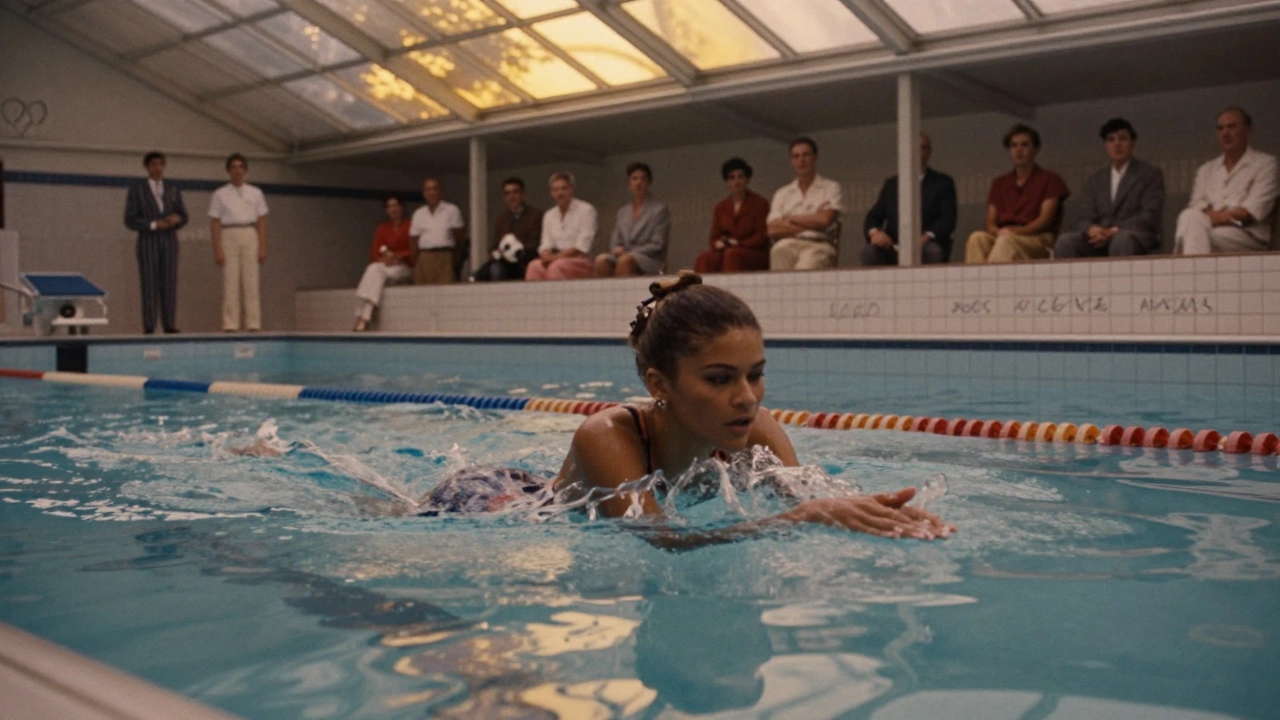
March’s highlight is Light in the Water, a biopic about the first Black woman to win an Olympic gold medal in swimming. Based on true events from the 1948 London Games, it stars Zendaya as Dorothy “Dot” Johnson, a swimmer who trained in segregated pools and faced media scrutiny for her skin tone and gender. The script was co-written by Johnson’s granddaughter, and archival footage from the 1948 Olympics was digitally restored for the film. It’s not a triumph story - it’s a survival story.
April sees the U.S. premiere of La Línea, a Mexican thriller about a border patrol agent who discovers a hidden tunnel under his checkpoint - and the human cost of what’s being smuggled through it. The film’s director, Carlos Rivera, spent six months embedded with real agents in Texas and Arizona. The tension isn’t built with gunshots. It’s built with silence, glances, and the weight of choices.
May brings Wolves in the Garden, a Canadian drama set in the Yukon. A single father and his teenage daughter move to a remote cabin after the mother’s death. They’re not running from grief - they’re running from the world. When a wolf pack starts appearing near their property, the line between animal instinct and human trauma blurs. Shot on 16mm film, it’s the most visually poetic film Apple TV+ has released since Swan Song.
Recent Releases: What’s Worth Your Time
If you haven’t caught up yet, here’s what’s already on Apple TV+ that’s earned real praise - and what to skip.
The Brutalist (2025) is the most talked-about film on the platform this year. A 3-hour epic about a Hungarian Jewish architect rebuilding his life in post-WWII America. Adrien Brody won the Golden Globe for his performance. The film doesn’t rush. It lingers on brickwork, drafting tables, and the silence between conversations. It’s not for everyone - but if you like films that make you think for days, this is essential.
Small Things Like These (2024) is a quiet masterpiece. Based on Claire Keegan’s novel, it stars Cillian Murphy as a coal merchant in 1980s Ireland who discovers a mother and child being held in a local convent. The film never shouts. It doesn’t need to. The horror is in what’s left unsaid. It’s the kind of movie that makes you sit in your car after it ends, just to process.
Not all of them land. Stellar (2025), a sci-fi romance set on a Mars colony, had a big budget and a star-studded cast - but the script felt like a mashup of Interstellar and 500 Days of Summer. It’s watchable, but forgettable. Apple TV+ has had a few missteps like this, but they’re rare.
What’s consistent? The production quality. Even the smaller films look like they cost $40 million. Lighting, sound design, color grading - every frame feels intentional. Apple doesn’t just fund films. They treat them like artifacts.
How Apple TV+ Films Differ From Netflix or Hulu
Netflix releases 100+ films a year. Most are designed to be watched in a weekend, then forgotten. Apple TV+ releases about 10-12 annually. Each one feels like it was made for someone to sit down with, watch once, and then come back to years later.
There’s no algorithm pushing you to binge. No countdown to a sequel. No spin-off series in development. Apple doesn’t need to keep you scrolling. They want you to remember.
Compare this to Hulu’s approach: mostly indie films picked up after festival runs, often with heavy edits for time or tone. Apple doesn’t buy films - they commission them. They work with directors from day one. That’s why The Quiet Hour has a 15-minute silent sequence in the middle - no dialogue, no music. Netflix would have cut it. Apple kept it.
Also, Apple’s films rarely have a "happy ending." They don’t tie things up neatly. They leave space. For grief. For uncertainty. For silence. That’s not a flaw - it’s the point.

What You Should Watch Next
If you’re new to Apple TV+ films, start here:
- Small Things Like These - Best entry point. Emotional, short, powerful.
- The Brutalist - If you want something that demands your full attention.
- Swan Song (2021) - The film that proved Apple could do more than TV. Mahershala Ali plays a terminally ill man who creates a clone to say goodbye to his family. It’s heartbreaking. No tricks. Just truth.
- Wolf (2023) - A dark, surreal take on fame and identity, starring Daniel Kaluuya. Don’t expect a typical biopic.
These four films show the range: intimate drama, epic historical, sci-fi allegory, psychological thriller. If you like any of them, you’ll likely enjoy the rest of the catalog.
Why Apple TV+ Films Matter
Streaming platforms have turned movies into content. Apple TV+ treats them as cinema. That’s not a marketing line - it’s a philosophy.
They don’t need to be the biggest. They don’t need to be the loudest. They just need to be true. And in a world where everything is designed to grab attention, the quietest films often end up staying with you the longest.
There’s no subscription hack. No trick to finding them. You just open the app, go to the Movies section, and start watching. No need to scroll through 200 titles. Apple’s curation is that good.
Is Apple TV+ Worth It Just for the Movies?
Yes - if you care about storytelling that doesn’t talk down to you. If you want films that make you feel something without shouting. If you’re tired of watching movies that feel like ads for sequels.
Apple TV+ costs $10 a month. You can get it bundled with Apple One for $20. For that price, you’re getting a handful of films a year that are more likely to be remembered in 2030 than the top 10 Netflix releases of 2026.
It’s not about quantity. It’s about what stays with you.
Are Apple TV+ movies available in 4K and Dolby Atmos?
Yes. All Apple TV+ feature films are mastered in 4K HDR with Dolby Atmos audio. The platform prioritizes high-fidelity presentation, especially for films with strong sound design or visual detail. You’ll need a compatible TV or sound system to fully experience it, but the files are always delivered in the highest quality possible.
Can I download Apple TV+ movies for offline viewing?
Yes. The Apple TV app lets you download any movie or show for offline viewing on iPhone, iPad, Mac, or Apple TV. Downloads are stored locally and don’t require an internet connection to play. This is especially useful for travel or areas with spotty service.
Do Apple TV+ movies get theatrical releases?
Some do. Films like The Brutalist and Small Things Like These had limited theatrical runs in major U.S. cities before streaming. Apple often partners with independent theaters to give these films a real cinema experience - especially those with awards potential. But most are released exclusively on the platform.
Are there any free Apple TV+ movies?
No. All feature films require an active Apple TV+ subscription. However, Apple sometimes offers a 7-day free trial for new users, which includes full access to the movie library. After that, you’ll need to subscribe to continue watching.
How often does Apple TV+ add new movies?
Apple TV+ typically adds 1-2 new feature films per month, often timed with award season or major film festivals. There’s no fixed schedule, but most releases happen between January and June, with a few in the fall. You’ll usually get a week of promotion before a film drops, including trailers and director interviews.
What to Watch After Apple TV+ Movies
If you’re hooked on Apple’s style of storytelling, try these next steps:
- Watch Portrait of a Lady on Fire (2019) - French cinema at its most restrained and emotional.
- Check out the films of Kelly Reichardt - especially First Cow and Wendy and Lucy. She’s the American director Apple seems to admire most.
- Explore the Criterion Channel. It’s where many of the same filmmakers Apple works with got their start.
- Read the novels that inspired Apple’s films - Small Things Like These is based on Claire Keegan’s book, and The Brutalist draws from real architectural memoirs.
Apple TV+ doesn’t just give you movies. It gives you a path - into other artists, other cultures, other ways of seeing the world. That’s the real value.




Comments(5)