Getting a movie made isn’t just about having a great script or a talented cast. It’s about money-and most filmmakers don’t have it upfront. That’s where pre-sales financing comes in. It’s not a loan. It’s not a grant. It’s a contract: you sell the rights to distribute your film in certain territories before you even shoot a single frame. And if done right, it can cover 60% to 80% of your budget before cameras roll.
What Exactly Is Pre-Sales Financing?
Pre-sales financing means signing deals with foreign distributors, streaming platforms, or TV networks to pay you for the rights to show your film in their region-before production begins. These buyers aren’t investing in your dream. They’re buying a product they believe will sell. And they’re willing to pay upfront because they’ve seen similar films succeed in their market.
For example, a German distributor might pay $200,000 for the rights to your crime thriller in Germany, Austria, and Switzerland. A French company might pay $150,000 for broadcast rights in France. A streaming service like Netflix or Amazon could pay $300,000 for exclusive rights in Latin America. Add those up, and suddenly your $1.5 million budget isn’t so far out of reach.
But here’s the catch: buyers don’t pay for scripts. They pay for proven formulas. They want a director with a track record, actors with name recognition, and a genre that’s already selling in their territory. A first-time filmmaker with an unknown cast won’t get far without a strong sales agent.
Why Pre-Sales Work Better Than Other Funding Models
Most indie filmmakers turn to crowdfunding, private investors, or grants. Those have big downsides.
- Crowdfunding gives you small amounts, but you have to market for months and give away perks.
- Private investors expect equity-and often creative control.
- Grants are competitive, slow, and come with strings attached.
Pre-sales are different. You’re not giving up ownership. You’re not begging strangers for cash. You’re selling a product that already has a market. You keep 100% of your film. You keep your creative vision. And you get paid before you spend a dime.
That’s why top indie films like The Babadook, Whiplash, and Manchester by the Sea used pre-sales to fund their production. They didn’t wait for a studio to say yes. They lined up buyers first-and then made the movie.
How Pre-Sales Financing Actually Works
It’s not as simple as emailing distributors. There’s a process.
- Package your film. You need a solid script, a director attached, and at least one recognizable actor. A strong sales agent will help you find the right cast and build a pitch deck with visuals, comparable films, and market data.
- Secure a sales agent. This is non-negotiable. Sales agents have relationships with distributors worldwide. They know what each territory wants. They’ll pitch your film to buyers at markets like the Cannes Film Market, AFM, or Berlinale. Without one, you’re flying blind.
- Get letters of intent. Buyers won’t sign contracts yet, but they’ll give you a letter saying they’re interested in acquiring rights. These aren’t binding, but they prove demand. You’ll need at least 3-5 of these to approach a bank or completion bond company.
- Use the letters to secure a bank loan. Banks don’t lend money to filmmakers. But they’ll lend against pre-sale contracts. A completion bond company (like FilmFinances or CineFinance) will guarantee the film will be finished on budget. Then the bank gives you a loan based on the value of your pre-sale deals.
- Shoot the film. With money in the bank, you shoot. The bond company monitors spending to make sure you don’t go over budget.
- Deliver and get paid. After you finish, you deliver the final cut. The distributors pay you. The bank gets repaid. You keep the rest.
It’s a long road, but it’s the most reliable way for indie filmmakers to fund a film without giving up control.

What Buyers Look For in a Pre-Sale Deal
Buyers aren’t emotionally invested. They’re businesspeople. They want to minimize risk. Here’s what they check:
- Genre. Horror, thrillers, and dark comedies sell best internationally. Romantic comedies? Not so much.
- Cast. One recognizable actor can double your pre-sale value. Think: an actor who’s been in a Sundance hit or a Netflix series.
- Director. Even if they’re not famous, they need a track record-shorts that screened at festivals, a previous feature that got distribution.
- Comparable films. What movies in your genre sold well in the same territory? Show them data. For example: “The Lighthouse sold for $1.2 million in Germany. Our film has similar tone and tone.”
- Production value. Even if your budget is low, the look needs to feel cinematic. Bad lighting or shaky camera work kills pre-sale chances.
Buyers also care about the film’s rating. A hard R rating can limit international sales. A PG-13 or unrated version opens more markets.
Where to Find Buyers: Film Markets and Festivals
You can’t just cold-call distributors. You need to be where they are.
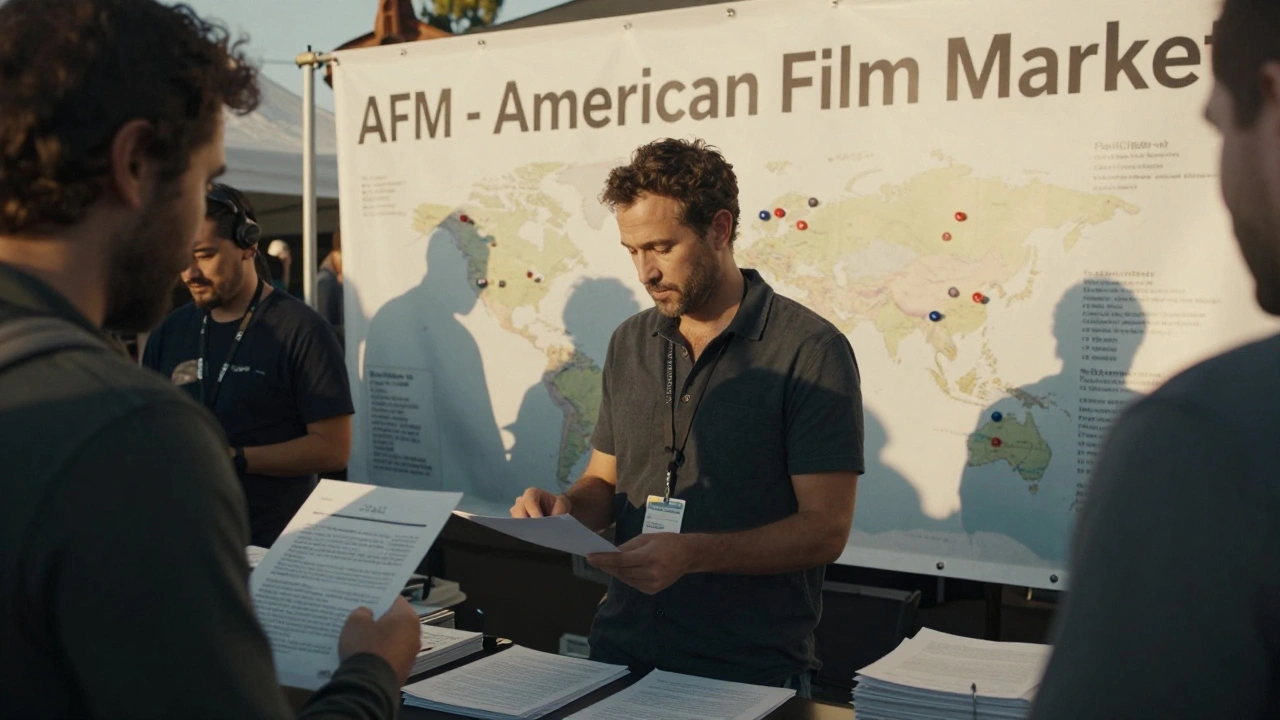
- American Film Market (AFM) in Santa Monica-November. The biggest pre-sale market in the world. Over 7,000 buyers attend.
- Cannes Film Market in May. Where major international deals are made. Even if your film isn’t in the festival, you can still pitch.
- Berlinale European Film Market in February. Strong for European and Asian buyers.
- Toronto International Film Festival (TIFF). Less about direct sales, more about buzz. A premiere here can boost your pre-sale value.
Most filmmakers attend these markets with a sales agent. The agent books meetings, handles contracts, and negotiates pricing. Going alone is risky. You’ll get lost in the noise.
Common Mistakes That Kill Pre-Sales Deals
Even great films fail to get pre-sales because of avoidable errors.
- Waiting too long to get a sales agent. Many filmmakers wait until they’ve shot the film. Too late. Buyers need to see potential before production.
- Overestimating the value. Just because you spent $500,000 doesn’t mean you can sell it for $1 million. Market value is based on comparable films, not your budget.
- Ignoring territory splits. Selling worldwide rights to one buyer is a mistake. Split them. North America to one, Europe to another, Asia to a third. You’ll get more total money.
- Not having a completion bond. Banks won’t lend without one. And completion bonds are expensive-usually 5-8% of your budget. Budget for it.
- Thinking a festival win = instant sales. Sundance doesn’t guarantee pre-sales. Many award-winning films struggle to find buyers because they’re too niche.
Real-World Example: How a Million Film Got Funded
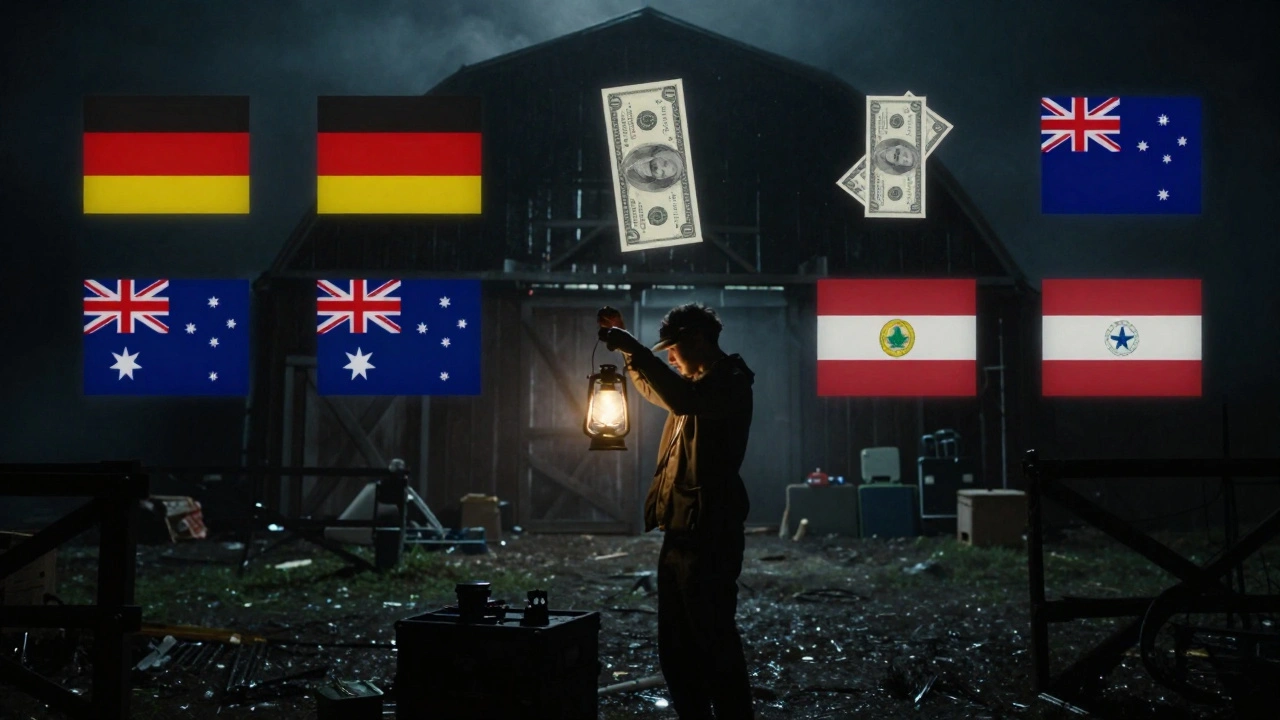
A director in Ohio made a low-budget horror film called Shadow in the Barn. Budget: $2.1 million.
She worked with a sales agent who identified three key markets: Germany, Australia, and Latin America. The agent lined up:
- Germany: $300,000 for theatrical and TV rights
- Australia: $250,000 for streaming and TV
- Mexico, Brazil, Argentina: $400,000 combined for digital rights
That’s $950,000 in pre-sales. She also got a $500,000 tax credit from Ohio. That left $650,000 to raise. She raised that from two private investors who were paid back first from the film’s profits.
She shot the film in 18 days. It premiered at a genre festival. The distributor released it in theaters in Germany and Australia. It made $1.8 million internationally. She repaid the bank, paid the investors, and kept over $400,000 in profit.
No studio. No crowdfunding. No grants. Just pre-sales.
Who Should Use Pre-Sales Financing?
It’s not for everyone. But if you fit this profile, it’s your best shot:
- You have a genre film (horror, thriller, crime, sci-fi)
- You have a director with at least one previous feature or festival success
- You can attach one recognizable actor
- You’re willing to work with a sales agent and spend time at film markets
- You’re okay with giving up distribution rights-but keeping creative control
If you’re making a poetic drama with no stars and no genre hooks? Pre-sales won’t work. Go for grants or private investors instead.
Final Thought: It’s a Business, Not a Passion Project
Pre-sales financing turns filmmaking into a business. You’re not asking people to believe in your art. You’re proving your film will make money. That’s hard. But it’s also the only way most indie films get made without going broke.
Start with your script. Find your genre. Find your actor. Find your agent. And then-before you shoot-sell your film to the world.
Can you get pre-sales without a famous actor?
Yes, but it’s harder. Buyers look for name recognition because it reduces risk. If you don’t have a known actor, you need a director with a strong track record, a standout genre, or a compelling visual style. A film like The Witch got pre-sales without big names because the director had buzz from Sundance and the film had a clear, marketable tone.
How much does a sales agent cost?
Sales agents typically take 10% to 15% of the pre-sale revenue. Some charge a small upfront fee, but most work on commission. You pay nothing until they sell something. Avoid agents who ask for $10,000 upfront-that’s a red flag.
Do pre-sales work for documentaries?
Rarely. Documentaries rarely have strong international pre-sale value unless they’re about a global celebrity, event, or controversy. Most docs are funded through grants, broadcasters, or streaming deals after completion. Pre-sales are mainly for narrative fiction.
How long does the pre-sales process take?
At least 6 to 9 months. Finding a sales agent, packaging the film, attending markets, getting letters of intent, securing a bond, and closing the bank loan takes time. Rushing it usually fails. Start 12 months before you plan to shoot.
What happens if the film goes over budget?
That’s why you need a completion bond company. They monitor spending. If you go over budget, they may step in and take control of production to protect their investment. That’s why sticking to your budget isn’t just smart-it’s mandatory.





Comments(7)