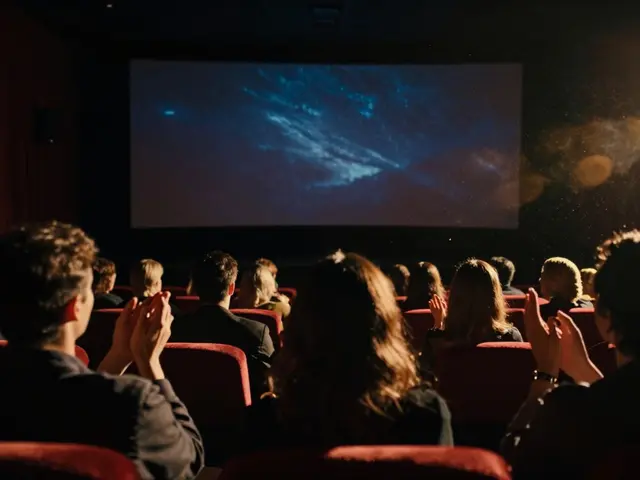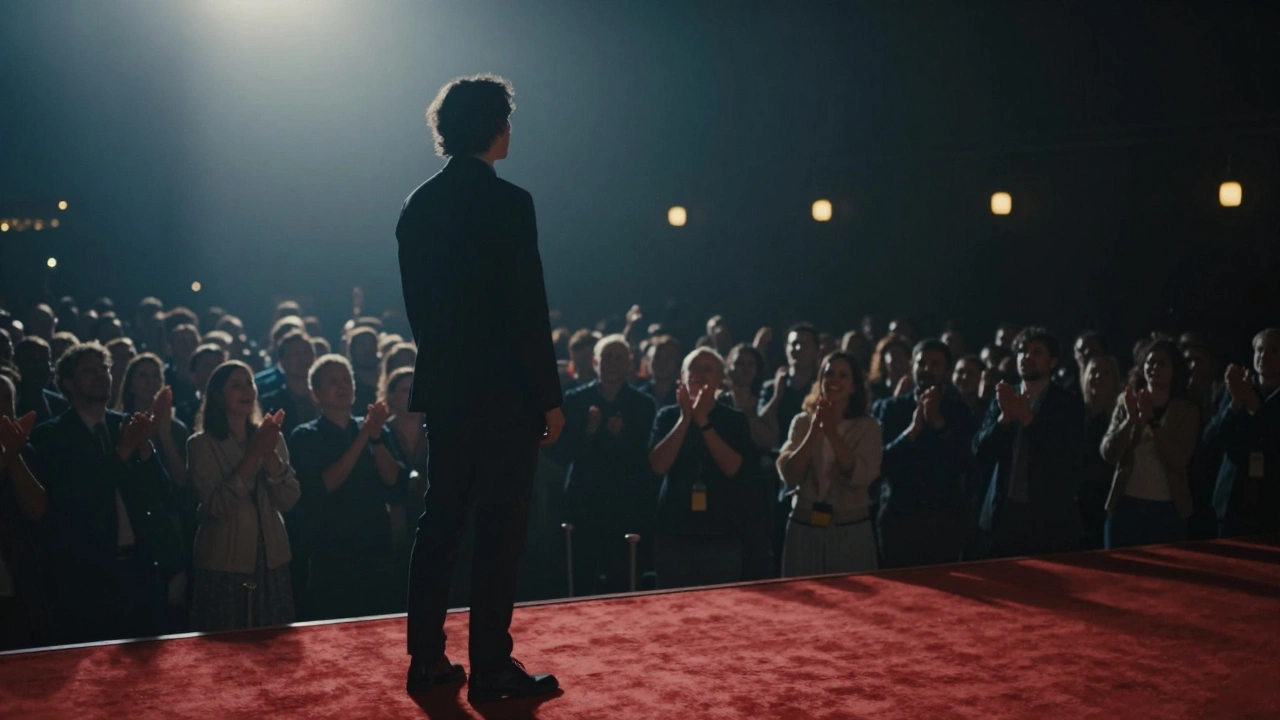
The red carpet lights dim. The standing ovation ends. You walk off the stage at Sundance Film Festival, one of the most prestigious platforms for independent cinema in North America, feeling invincible. But within 48 hours, the buzz evaporates. Social media mentions drop by 90%. Industry emails stop coming in. This is the "post-festival cliff," and it kills more promising projects than bad reviews ever could.
Most filmmakers treat a festival premiere as the finish line. It isn't. It's the starting gun for the real race: getting your film seen by audiences who actually pay to watch it. Without a structured plan, even award-winning films disappear into digital obscurity. The difference between a forgotten title and a cult classic often comes down to what happens in the six weeks after the premiere.
The Anatomy of the Post-Festival Cliff
Why does the hype die so fast? Festivals are designed to be ephemeral. They create artificial scarcity-"see this only here, right now." Once that window closes, the urgency vanishes. For an independent filma motion picture produced outside the major studio system, typically with limited budgets and creative freedom, this shift is brutal. You go from being the center of attention to competing against thousands of new titles on streaming platforms.
Data from industry trackers shows that 70% of festival premieres see their social engagement plummet immediately after the screening week. The remaining 30% maintain momentum, but only if they execute specific post-premiere actions. These aren't accidents; they're results of deliberate strategies that bridge the gap between critical acclaim and audience discovery.
The problem isn't lack of interest-it's lack of access. Your potential viewers don't know where to find your film next. If you don't tell them, they'll move on to whatever is trending today. That's why passive waiting is the biggest mistake filmmakers make.
Capturing Momentum Before It Fades
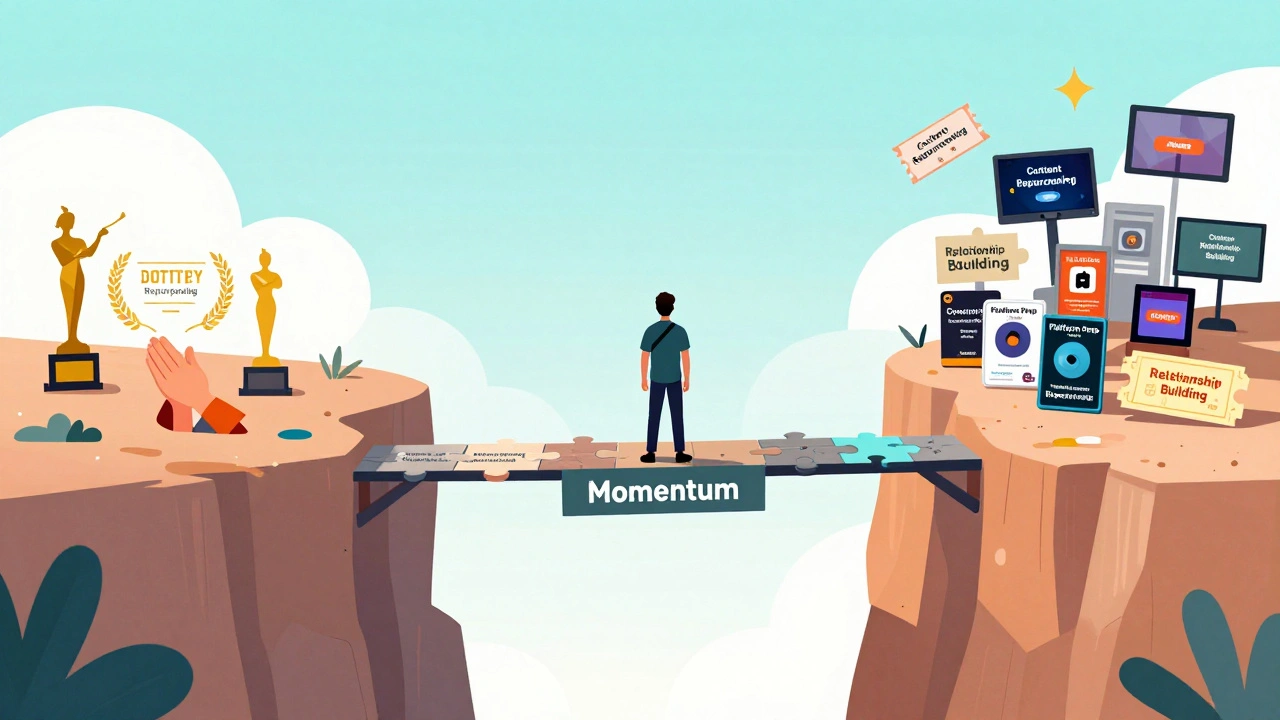
You have a narrow window-usually 14 to 21 days after your premiere-to convert festival energy into tangible assets. During this time, you need to focus on three core activities: content repurposing, relationship building, and platform preparation.
Start by turning your festival experience into shareable content. Don't just post photos from the premiere. Create short clips featuring cast interviews, behind-the-scenes moments, and reactions from critics. These pieces serve dual purposes: they keep the conversation alive online, and they provide material for future advertising campaigns. A 30-second clip of an actor discussing their character performs better than a polished trailer because it feels authentic and immediate.
Simultaneously, reach out to every journalist, blogger, and influencer who attended your screenings. Send personalized follow-ups with press kits tailored to their specific angle. If a critic wrote about the cinematography, send them high-resolution stills. If another focused on the social themes, provide background essays or director commentary. Personalization increases response rates significantly compared to generic blasts.
Finally, prepare your distribution platforms. Whether you're aiming for video-on-demand (VOD), physical DVD release, or theatrical expansion, ensure all technical requirements are met before the hype peaks. Nothing kills momentum faster than telling interested buyers, "We'll be available next month."
Strategic Distribution Channels Beyond Festivals
Once the initial wave settles, you must choose where your film lives next. Each channel serves different goals and requires distinct marketing approaches. Understanding these differences helps you allocate resources effectively.
| Channel Type | Best For | Marketing Focus | Time to Launch |
|---|---|---|---|
| Video-On-Demand (VOD) | Broad audience reach | Digital ads, social media targeting | 2-4 weeks |
| Physical Media (DVD/Blu-ray) | Collectors, libraries, schools | Email lists, educational outreach | 6-8 weeks |
| Theatrical Expansion | Prestige, local community impact | Local press, event partnerships | 4-12 weeks |
| Streaming Licensing | Long-term visibility, revenue stability | Platform algorithms, SEO optimization | 8-16 weeks |
Video-on-demand offers the fastest route to market. Platforms like Amazon Prime Video, Apple TV, and Google Play allow you to launch quickly with minimal overhead. However, competition is fierce. To stand out, you need targeted advertising based on user interests rather than broad demographics. If your film deals with environmental issues, target users who engage with climate-related content, not just general movie watchers.
Physical media might seem outdated, but it remains valuable for certain niches. Libraries, universities, and specialty retailers still purchase DVDs and Blu-rays. These sales generate steady income over years rather than months. Marketing here involves direct outreach to librarians and educators, offering review copies and curriculum guides.
Theatrical expansion works best when you have strong local ties. Partnering with independent cinemas allows you to host Q&A sessions, meet-and-greets, and themed events. These experiences create memories that drive word-of-mouth referrals. Even small cities can support successful runs if you build genuine connections with local communities.
Streaming licensing provides long-term benefits but requires patience. Major platforms acquire films selectively, often waiting until after other windows close. Optimizing your metadata-titles, descriptions, tags-for searchability ensures your film surfaces when relevant queries occur. Think of it as planting trees that bear fruit slowly but reliably.
Leveraging Critical Acclaim Effectively
Awards and reviews are powerful tools, but only if used correctly. Simply slapping "Official Selection" logos on posters doesn't guarantee interest. You need context. Explain why those selections matter. Was your film chosen among hundreds of submissions? Did a renowned critic call it "essential viewing"?
Create dedicated pages on your website highlighting key accolades. Include quotes from reputable sources alongside links to full articles. This builds credibility without appearing boastful. Remember, people trust third-party validation more than self-promotion.
Use testimonials strategically across channels. On social media, share snippets of positive reviews. In email newsletters, include excerpts from influential publications. When pitching to distributors, lead with critical praise to demonstrate proven appeal. Always attribute properly-credibility depends on transparency.
Be cautious about exaggerating achievements. Claiming something was "award-winning" when it received merely a nomination damages trust. Authenticity matters more than hyperbole in the long run. Honest representation attracts loyal supporters who become advocates for your work.
Building Sustainable Audience Engagement
Short-term tactics bring quick results, but sustained growth requires deeper engagement. Build relationships with your core fans through regular communication. Email newsletters remain one of the most effective tools for maintaining contact. Share updates about upcoming screenings, merchandise launches, or related projects.
Encourage user-generated content. Ask viewers to share their thoughts, photos, or videos related to your film. Repost these contributions to show appreciation and foster community. People love feeling connected to creators-they'll promote your work voluntarily if treated respectfully.
Consider creating exclusive content for superfans. Behind-the-scenes footage, deleted scenes, or director commentaries add value beyond the main feature. Offer these perks through subscription services or membership programs. This transforms casual viewers into dedicated supporters willing to invest financially and emotionally.
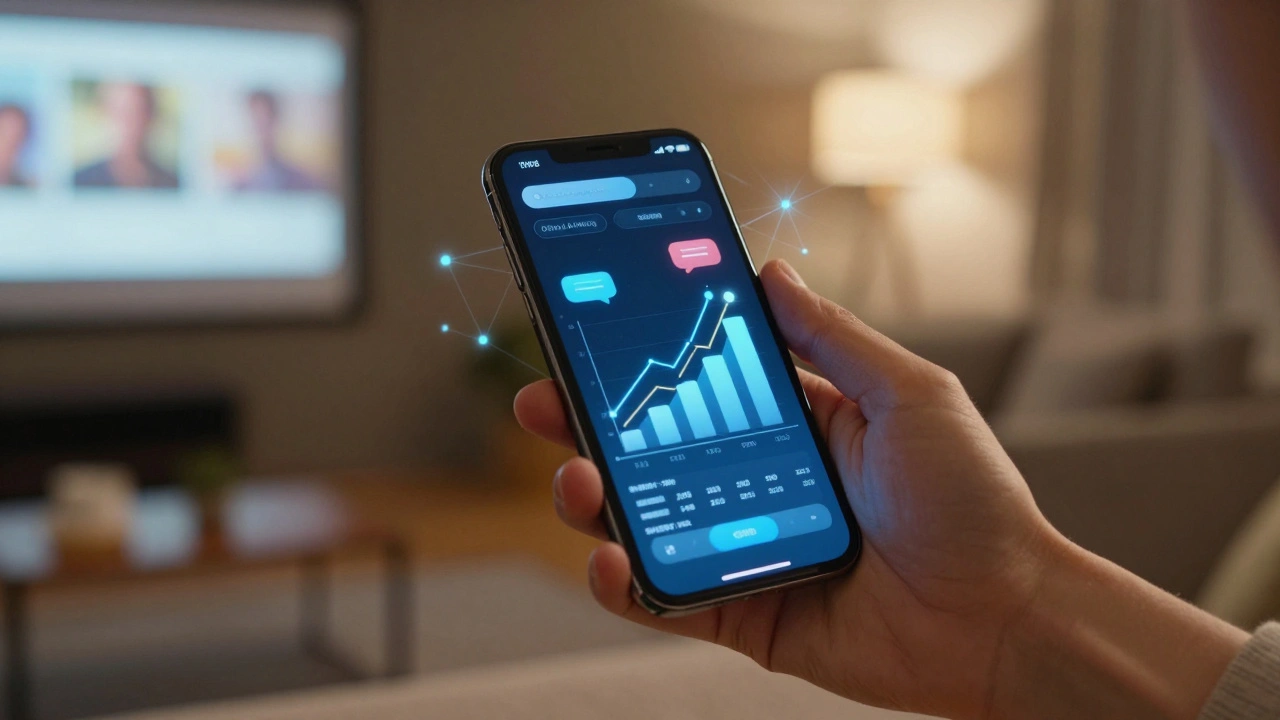
Track metrics carefully. Monitor which types of posts generate engagement, which emails get opened, and which events attract attendees. Use this data to refine your approach continuously. What works initially may lose effectiveness over time-adapt accordingly.
Navigating Common Pitfalls
Even well-planned campaigns encounter obstacles. Recognizing common mistakes early prevents costly errors later. Here are frequent pitfalls and how to avoid them:
- Over-reliance on organic reach: Algorithms change constantly. Paid promotion amplifies message consistency regardless of platform fluctuations.
- Inconsistent messaging: Ensure all materials convey the same tone and value proposition. Confusion reduces conversion rates.
- Ignoring analytics: Regularly review performance data. Adjust strategies based on actual behavior, not assumptions.
- Failing to segment audiences: Different groups respond to different appeals. Tailor messages to match specific interests.
- Neglecting mobile optimization: Most users browse on phones. Test all links and visuals for compatibility.
Addressing these issues proactively strengthens your campaign resilience. Flexibility combined with discipline creates lasting success.
How long should I wait before launching my film on VOD after a festival premiere?
Ideally, wait two to four weeks. This allows enough time to gather press coverage and build anticipation while keeping the festival excitement fresh. Launching too soon risks diluting exclusivity; waiting too long loses momentum.
What budget should I allocate for post-festival marketing?
Aim for 10-20% of your production budget. Independent films often operate under tight constraints, so prioritize cost-effective methods like social media advertising and email marketing over expensive traditional ads.
Can I reuse festival footage for promotional purposes?
Yes, provided you obtained proper permissions beforehand. Check contracts regarding usage rights for any recorded material. Unauthorized use could lead to legal complications.
Is it worth pursuing theatrical distribution if my film didn't win awards?
Absolutely. Awards enhance prestige but aren't required for successful theatrical runs. Local audiences connect with stories they relate to personally. Focus on community engagement rather than accolades.
How do I measure the success of my post-festival marketing efforts?
Track key performance indicators such as ticket sales, VOD rentals, website traffic, and social media engagement. Compare these figures against baseline expectations set during planning phases.