
You've just spent ten minutes reading a deeply analyzed critique of a new thriller, only to realize the reviewer just told you exactly how the killer is caught in the third act. Suddenly, the review isn't a guide to whether you should see the movie; it's a summary that replaces the experience. This is the eternal struggle of film criticism: balancing the need to provide context with the duty to protect the audience's first-watch experience.
Key Takeaways for Reviewers
- Stick to the first act: Provide enough setup to explain the stakes, but stop before the major plot pivots.
- Prioritize "what" over "how": Describe the premise and the conflict, not the mechanical steps of the resolution.
- Use a "Spoiler Alert" wall if you must discuss the ending, ensuring a clear visual break in the text.
- Focus on thematic weight: Explain why a plot point matters rather than just what happened.
The Danger of the Plot Dump
Many writers fall into the trap of treating a review like a book report from high school. They spend 60% of their word count recounting the plot, leaving only a sliver of room for actual analysis. When you over-explain the story, you aren't reviewing the film; you're reciting it. This creates a paradox where the reader knows exactly what happens in the movie but has no idea if the movie is actually any good.
Think about a film like Inception. If a reviewer spends three paragraphs explaining the rules of dream sharing and the specific architecture of the levels, they've essentially written a manual. The reader loses the mystery. The goal of a synopsis isn't to prove you watched the movie-it's to give the reader a hook that makes them want to see it for themselves.
Defining the "Safe Zone" for Synopses
The general rule of thumb in professional criticism is to stay within the "First Act" boundary. In a standard three-act structure, the first act introduces the characters, the setting, and the inciting incident. Once the protagonist commits to the journey-the "point of no return"-the synopsis should effectively end.
For example, if you're reviewing a horror movie, it's perfectly fine to say, "A family moves into a house that turns out to be haunted by a vengeful spirit." That's the premise. It becomes a problem when you say, "The family discovers the spirit is actually the grandfather's ghost who was murdered in 1924, and they defeat it by burning a specific diary in the basement." You've just robbed the viewer of the discovery process.
| Element | Safe to Include (The "Do") | Too Much (The "Don't") |
|---|---|---|
| Character Motives | What the hero wants to achieve. | The secret betrayal that changes their goal. |
| Setting | The world and its basic rules. | The hidden twist about the world's origin. |
| Conflict | The main obstacle facing the lead. | The specific way the obstacle is overcome. |
| Pacing | Whether the story moves too slowly. | Detailed descriptions of every scene. |
The Psychology of the Spoiler
Why does a plot-heavy review feel so wrong? It's because cinema is an art of discovery. When we watch a movie, we are solving a puzzle in real-time. A reviewer who reveals the solution ruins the cognitive reward of the viewing experience. SPOILERS aren't just about the ending; they're about any piece of information that removes the tension of the unknown.
Interestingly, some audiences argue that knowing the plot makes them appreciate the craft more. They care less about "what happens" and more about "how it's shot." While this might be true for a small percentage of cinephiles, the vast majority of readers are looking for a recommendation. If you give away the surprise, you've fundamentally changed the product you're recommending.

Balancing Context and Analysis
The best reviews use the plot as a springboard for analysis. Instead of a chronological retelling, try integrating the story elements into your critiques. If a movie has a pacing problem in the second act, don't summarize every scene in that act. Instead, say, "The middle section drags because the romantic subplot lacks a clear objective," without detailing every date the couple goes on.
Consider the work of Roger Ebert. He rarely spent more than a few sentences on the plot. He focused on the emotional resonance and the technical execution. He understood that the "story" is just the vehicle; the "film" is the way that story is told through light, sound, and performance.
Handling the "Necessary" Spoiler
Sometimes, you can't truly analyze a film without discussing the ending. This is especially true for movies with "twist" endings or complex thematic resolutions. In these cases, the ethics of criticism shift from "don't tell」 to "give a fair warning."
A proper spoiler warning isn't just a tiny sentence at the top of the page. It should be a clear, unmistakable barrier. Some of the best critics use a "Spoiler-Free" section and a "Deep Dive" section. This allows the reader to choose their level of risk. If you're writing on a blog, use a large header or even a separate page for the plot-heavy analysis. This respects the reader's autonomy and protects the integrity of the film.
Common Pitfalls to Avoid
One of the most common mistakes is the "and then... and then..." style of writing. This is the death of a good review. If your paragraphs start with phrases like "Then the characters go to..." or "After that, the protagonist finds...", you are writing a summary, not a critique. Switch your focus to the *why*. Why does this plot point matter? How does it serve the theme? Is the twist earned or forced?
Another pitfall is the "Vague-Book" approach, where the reviewer is so afraid of spoilers that they provide zero context. "A man goes on a journey and learns a lesson" is not a synopsis; it's a generic description of every movie ever made. You need to provide enough concrete detail-like the specific setting or the unique hook-so the reader knows what they're getting into.
How long should a plot synopsis be in a 1,000-word review?
Ideally, the synopsis should take up no more than 15% to 20% of the total word count. In a 1,000-word piece, that's about 150-200 words. Your goal is to set the stage and then move immediately into the analysis of the acting, directing, and writing.
Is it okay to spoil a movie if it's already a well-known classic?
Even with classics, you should be cautious. There is always a first-time viewer. However, the threshold for what constitutes a "spoiler" is lower for a movie from 1940 than for one released last Friday. Still, a brief warning is a sign of professional courtesy.
What is the best way to signal a spoiler without ruining the flow?
Use a clear, bolded horizontal line or a specific heading like "Detailed Analysis (Spoilers Ahead)". Avoid burying the warning in a long paragraph. The transition should be a "hard stop" that gives the reader a chance to stop reading if they wish.
Can I summarize the ending if the movie is a tragedy?
Generally, no. Even if the genre implies a sad ending, the specific way that tragedy unfolds is the core of the cinematic experience. Focus on the tension and the trajectory of the characters rather than the final body count.
How do I describe a plot without giving away the twist?
Focus on the *feeling* of the plot. Instead of saying "The character is actually a ghost," say "The film plays with the viewer's perception of reality and identity." This tells the reader what the movie does without telling them what the movie is.
Next Steps for Improving Your Reviews
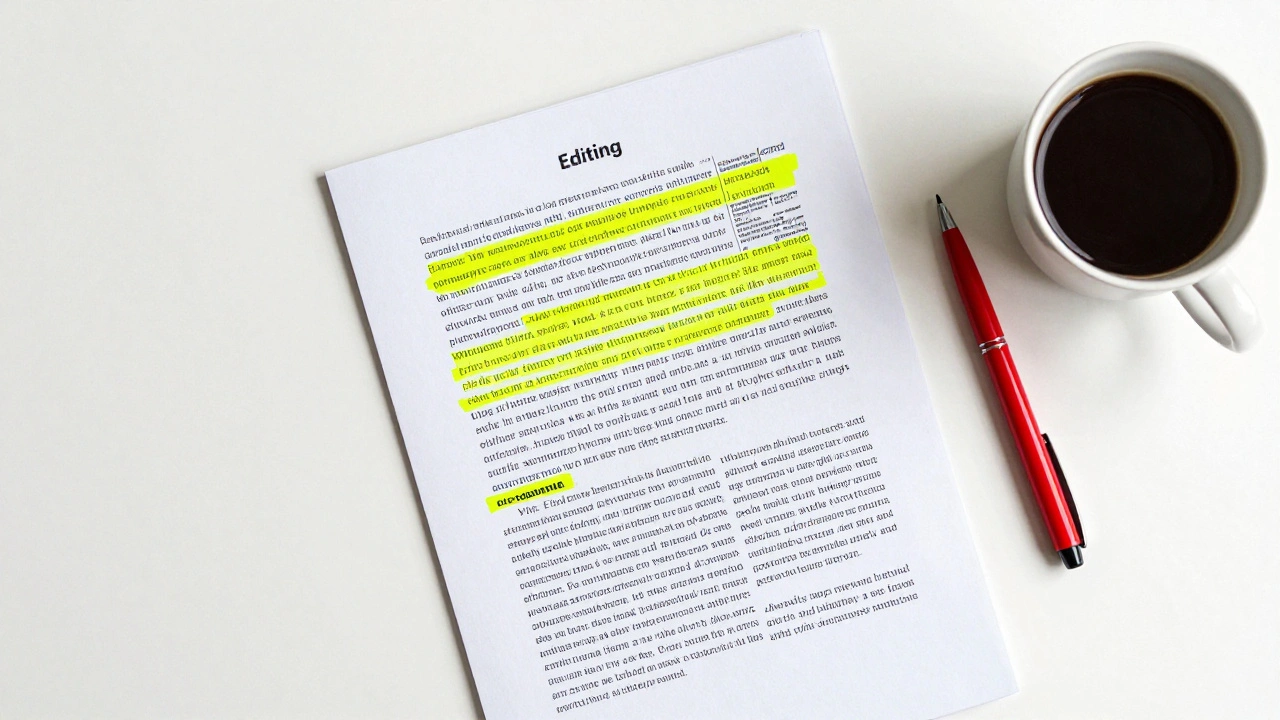
If you're struggling with your synopsis length, try this exercise: write your review as usual, then go back and highlight every sentence that purely describes a plot event. If those highlights take up more than a third of your page, start deleting. Replace those plot summaries with an adjective or a thematic observation. Instead of explaining the scene where the hero loses his job, just mention that the film "effectively captures the desperation of sudden unemployment."
For those writing for a professional publication, always check the house style guide. Some outlets prefer a "no spoilers" policy across the board, while others encourage deep-dive dissections after a clear warning. When in doubt, prioritize the audience's experience over your desire to prove you understood the plot.






Comments(6)