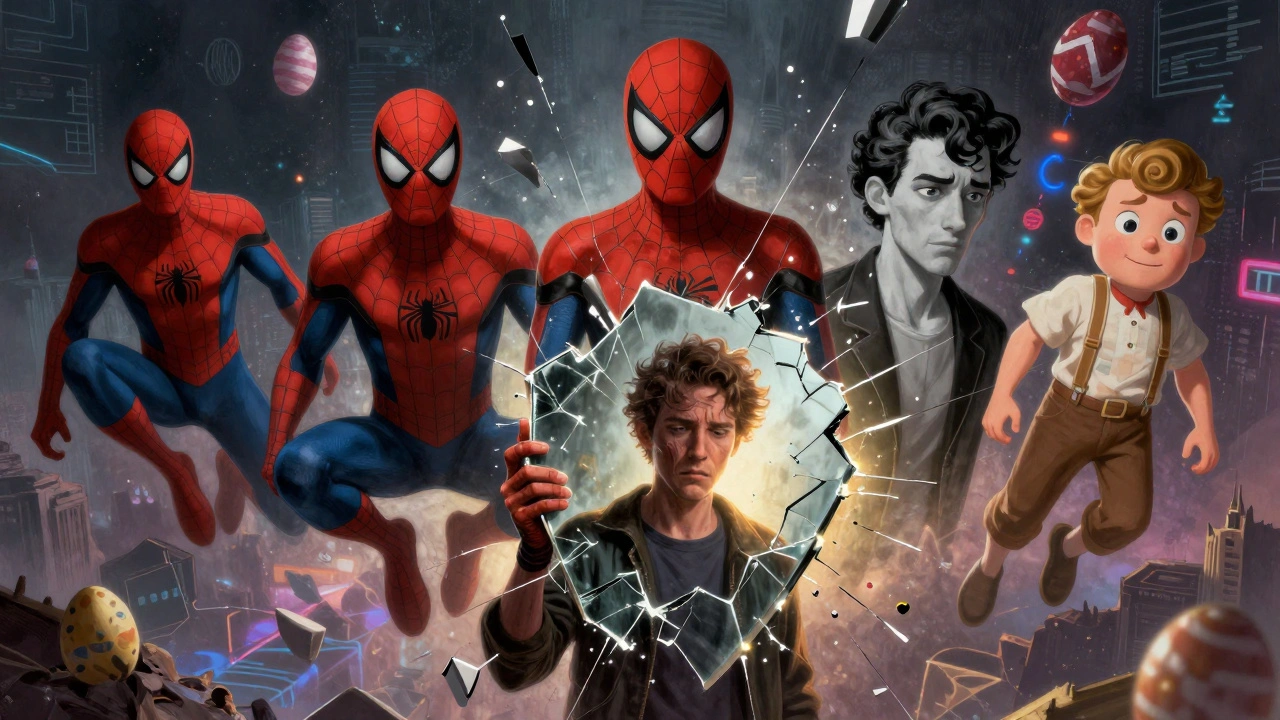
Think about the last time you sat through a superhero movie and felt like you’d seen it all before. Not because the action wasn’t good, but because you knew exactly where the plot was going - because you’d seen it in three other movies this year. That’s the quiet cost of the multiverse. What started as a clever way to expand stories has turned into a factory line of alternate realities, timelines, and versions of the same characters. And it’s not just superhero films anymore. Sci-fi, fantasy, even horror franchises are jumping on the multiverse bandwagon. But is it helping storytelling - or killing it?
Why the Multiverse Took Off
The multiverse didn’t come out of nowhere. It was born from fan demand and corporate strategy. When Marvel’s Avengers: Endgame made $2.8 billion in 2019, studios realized: people don’t just want sequels. They want variations. What if Spider-Man was from a different universe? What if Captain America never went back in time? What if the villain won? These aren’t just plot twists - they’re reset buttons for tired franchises.
Before the multiverse, studios relied on linear sequels. Fast & Furious 7 came after Fast & Furious 6. Star Wars: The Force Awakens followed Return of the Jedi. But audiences started to feel like they were just watching the same movie with a new coat of paint. The multiverse promised something different: fresh stakes, new versions of familiar faces, and the illusion of endless possibilities.
By 2024, Marvel had released six multiverse-focused films in under five years. Sony’s Spider-Man: Across the Spider-Verse made $700 million. DC’s The Flash tried to tie its entire universe together using quantum chaos. Even Indiana Jones and the Dial of Destiny brought back a younger version of Harrison Ford via CGI. The message was clear: if you can’t make a new character work, just bring back an old one - from another dimension.
The Pros: What the Multiverse Gets Right
Let’s be honest - when it works, the multiverse is thrilling. Spider-Man: Into the Spider-Verse didn’t just use multiple Spider-People. It used them to explore identity, grief, and self-worth in ways no live-action film ever could. Miles Morales’ story wasn’t just about being a new Spider-Man. It was about being the first Black and Latino Spider-Man in a world full of versions of Peter Parker. That’s not fan service. That’s storytelling.
Another win? The multiverse lets studios experiment without killing the main canon. Doctor Strange in the Multiverse of Madness let Marvel kill off a version of the Scarlet Witch without affecting Elizabeth Olsen’s role in the main timeline. Star Trek: Strange New Worlds used a mirror universe episode to explore moral ambiguity without rewriting decades of canon. It’s a safety net.
And then there’s nostalgia - real, emotional nostalgia. Avengers: Endgame brought back 2012’s Loki, 2014’s Gamora, and 2011’s Steve Rogers. Those weren’t cameos. They were time capsules. Fans cried not because they saw a hero - they saw a version of a hero they’d loved 10 years ago. That’s powerful.
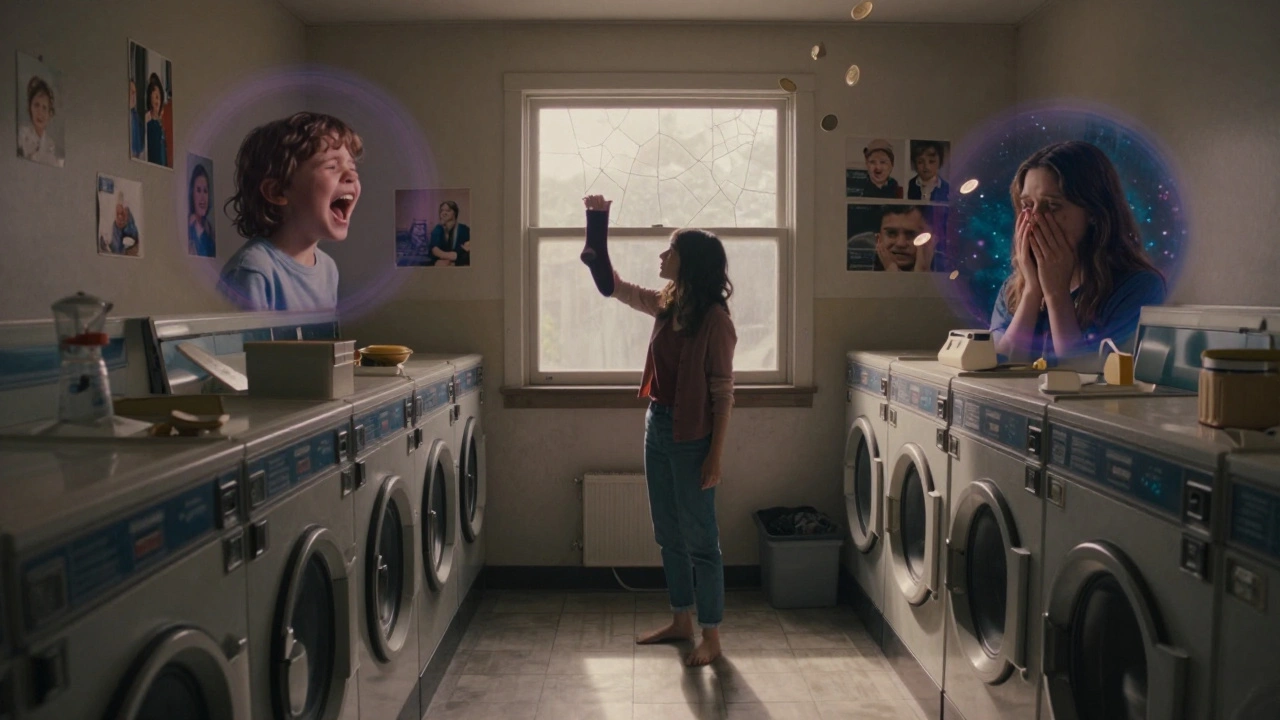
For creators, the multiverse is a playground. It allows directors to try wild visuals, genre mashups, and tone shifts. Spider-Verse mixed anime, comic panels, and graffiti art. Everything Everywhere All At Once turned a laundromat into a universe-hopping war zone. These films didn’t just use the multiverse - they redefined what cinema could look like.
The Cons: When Multiverse Becomes a Crutch
But here’s the problem: the multiverse isn’t magic. It’s a tool. And like any tool, it’s useless - even dangerous - when overused.
Take Spider-Man: No Way Home. It brought back three generations of Spider-Men. It was a nostalgia bomb. And it worked - for about 90 minutes. Then the movie started to feel like a fan convention. The plot? A time-traveling spell. The stakes? None. The villain? A guy who got erased from his own timeline. It wasn’t a story. It was a checklist: Did we include Tobey? Did we include Andrew? Did we get the web-slinger handshake?
That’s the danger. When the multiverse becomes about what you show instead of why you show it, you lose the heart. Audiences don’t care about a dozen versions of Batman if none of them feel real. They care about one Batman who makes them feel something.
And then there’s sequel fatigue - but worse. We’re not just tired of sequels. We’re tired of reboots of sequels. DC’s The Flash tried to fix its entire cinematic universe by erasing it. It didn’t fix anything. It just made the whole thing feel disposable. Why invest in a character if their story can be wiped out next year?
Worse, the multiverse makes originality harder. Studios now see new IP as risky. Why create a new hero when you can just bring back a version of Iron Man from Universe 87? In 2025, over 70% of the top-grossing films were either sequels, prequels, or multiverse spin-offs. That’s not expansion. That’s stagnation.
And let’s not forget the technical cost. Rendering alternate realities, re-aging actors with CGI, and rebuilding entire sets for different timelines eats up budgets. Spider-Man: No Way Home cost $250 million. The Flash cost $200 million - and still looked cheap. The money could’ve funded five original films.
The Audience Is Getting Tired
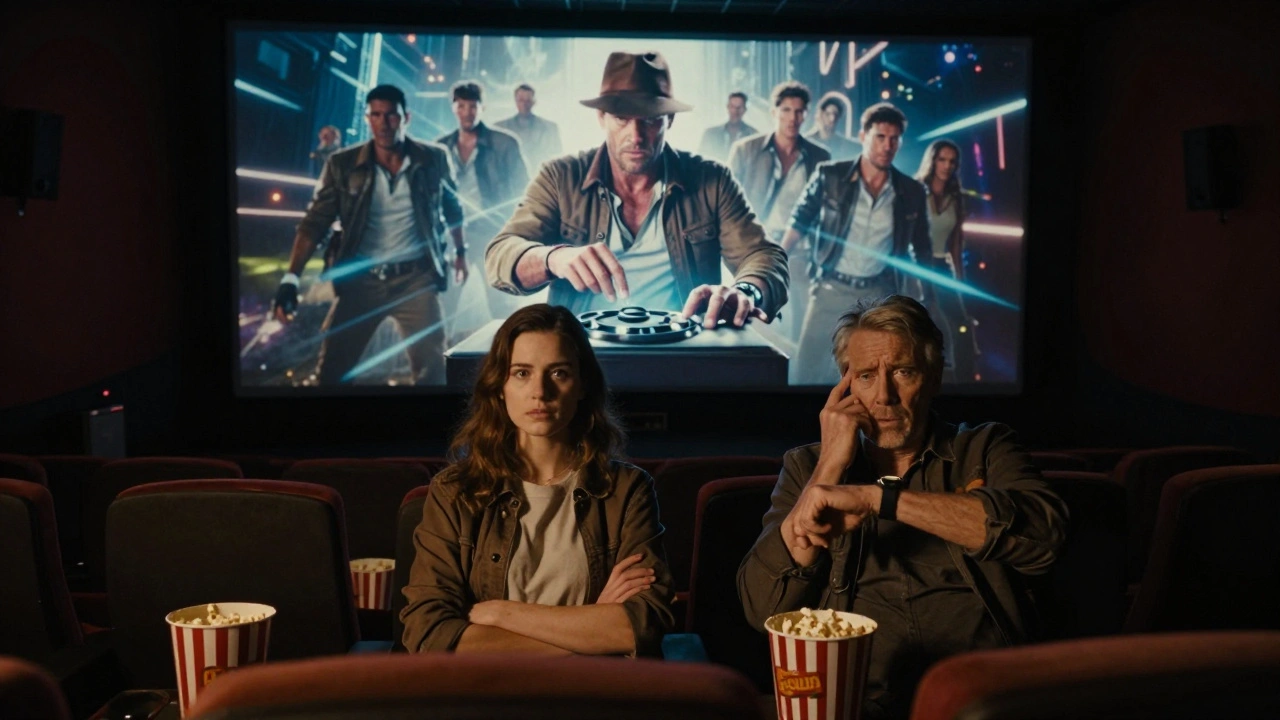
People aren’t dumb. They notice when a story feels like a marketing pitch. In 2024, a survey of 12,000 moviegoers showed that 68% felt multiverse films were becoming repetitive. Over half said they’d skip the next one unless it had a new character or a fresh reason to exist.
That’s why Everything Everywhere All At Once stood out. It didn’t just show a multiverse - it used it to tell a story about a mother losing her connection to her daughter. The chaos wasn’t the point. The emotion was.
Meanwhile, films like Doctor Strange 2 and Thor: Love and Thunder leaned so hard into cameos and Easter eggs that they forgot to build a real emotional arc. The result? People watched them - but didn’t care.
What’s Next? The End of the Multiverse Era?
The multiverse isn’t dead. But it’s reaching its limit. Marvel has already signaled a shift. Their upcoming slate focuses on new heroes - Ms. Marvel, Ironheart, Blade - not alternate versions of Captain America. Sony’s next Spider-Man film will center on a new villain, not a multiverse crossover. DC has scrapped its entire multiverse plan after The Flash flopped.
The smart studios are learning: you can’t keep recycling the same ideas. The multiverse was meant to be a tool for deeper stories - not a shortcut to box office cash. When it’s used to explore identity, trauma, or change - like in Spider-Verse or Everything Everywhere - it’s brilliant. When it’s used to just bring back old actors for 15 seconds - it’s lazy.
The future of film franchises won’t be about how many universes you can open. It’ll be about how deeply you can explore one.
What Makes a Good Multiverse Story?
Not every multiverse film fails. The ones that work share a few key traits:
- They have a clear emotional core. Spider-Verse was about Miles finding his place. Everything Everywhere was about a mother reconnecting with her daughter. The multiverse was the backdrop - not the story.
- They limit the number of versions. Too many = confusion. Too few = no impact. Spider-Verse used five Spider-People. That was enough.
- They change the rules. If every universe works the same way, it’s not a multiverse - it’s a copy-paste. The best ones introduce new physics, cultures, or moral codes.
- They don’t rely on nostalgia. Nostalgia can be a tool. But if it’s the whole point, you’ve got a theme park ride - not a movie.
If studios follow these rules, the multiverse still has life. But if they keep treating it like a vending machine - pull the lever, get a Spider-Man - then it’s just another gimmick.
Final Thought: Storytelling Still Matters Most
At the end of the day, no amount of alternate realities can save a weak story. Audiences don’t want to see 100 versions of Batman. They want to see one Batman who makes them believe in justice again. One who makes them feel something real.
The multiverse isn’t the enemy. It’s a mirror. And right now, Hollywood is staring into it - but not seeing itself.
Why are so many films using the multiverse right now?
Studios use the multiverse because it’s a safe bet. It lets them recycle popular characters, tap into nostalgia, and avoid the risk of creating new ones. After Marvel’s success with Spider-Man: No Way Home and Doctor Strange 2, every studio tried to copy the formula. It’s not about creativity - it’s about guaranteed box office returns.
Can the multiverse still work in future films?
Yes - but only if it serves the story, not the other way around. Films like Spider-Man: Into the Spider-Verse and Everything Everywhere All At Once proved that the multiverse can be powerful when used to explore emotion, identity, or change. The key is having a strong central theme. Without it, the multiverse is just noise.
Is the multiverse killing original storytelling?
It’s certainly slowing it down. In 2025, over 70% of top-grossing films were sequels, prequels, or multiverse spin-offs. That leaves little room for new characters, fresh worlds, or original ideas. Studios are afraid to invest in something unknown when they can just bring back Iron Man from Universe 12.
What’s the difference between a multiverse film and a regular sequel?
A sequel continues the same story in the same universe - like The Dark Knight Rises following The Dark Knight. A multiverse film jumps to a different version of the story - like Spider-Man: Across the Spider-Verse introducing a Spider-Man from a 1930s cartoon world. The multiverse doesn’t build on the past - it replaces it with something different.
Are audiences really getting tired of multiverse movies?
Yes. A 2024 survey of 12,000 moviegoers found that 68% felt multiverse films were becoming repetitive. Many said they’d skip the next one unless it introduced a new character or had a compelling reason to exist - not just more cameos.






Comments(10)