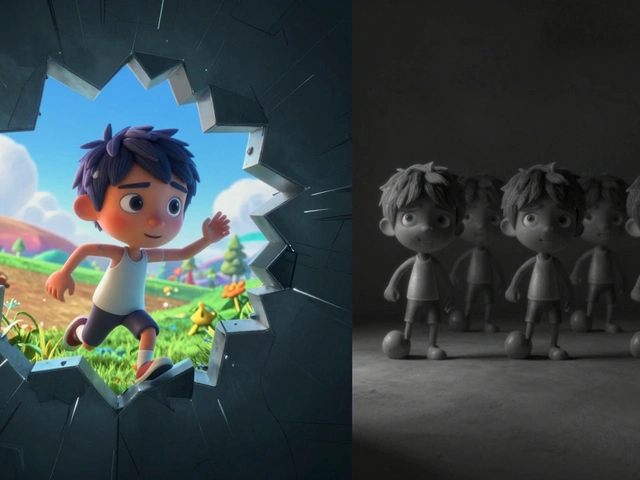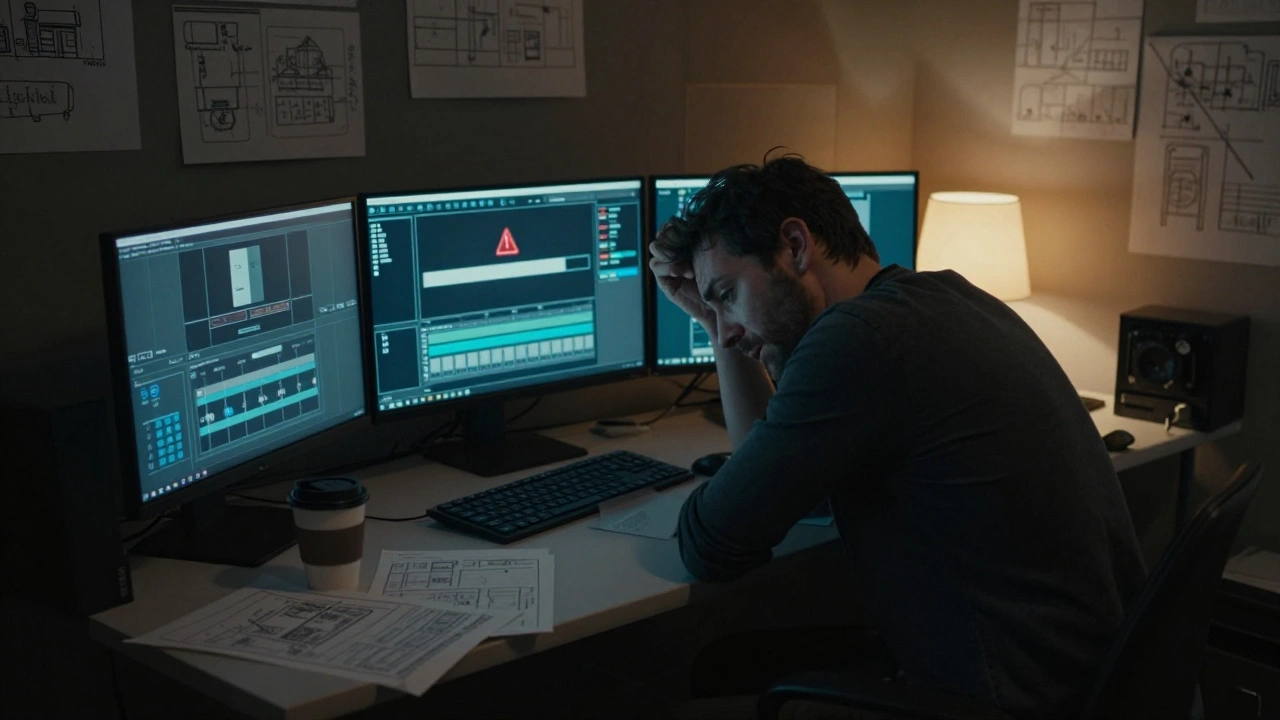
You just spent months editing your feature. You secured a modest budget, cast talented actors, and finally got your independent film ready for the world. Then, within hours of your official premiere, a high-definition rip appears on torrent sites. It gets downloaded thousands of times before most people have even heard of your movie. For independent filmmakers, this isn't just an annoyance; it is an existential threat to their livelihood.
Unlike major studios with billions in marketing budgets and diversified revenue streams, independent films are motion pictures produced outside the major studio system, often relying on limited budgets and alternative distribution models operate on razor-thin margins. When piracy strikes, it doesn't just steal views; it dismantles the entire financial structure that allows these stories to be told. Understanding exactly how piracy impacts independent film revenue requires looking beyond simple download counts and examining the complex ecosystem of distribution, licensing, and audience behavior.
The Fragile Economics of Indie Distribution
To understand the damage, you first need to understand how an independent film actually makes money. The model is fundamentally different from Hollywood blockbusters. A typical indie film might spend $500,000 to $2 million on production. That money comes from private investors, grants, or crowdfunding platforms like Kickstarter. Once the film is finished, the goal is recoupment through various windows.
The primary revenue sources include:
- Festival Sales: Selling rights to distributors at markets like Sundance or Cannes.
- Digital VOD (Video on Demand): Rentals and purchases on platforms like Amazon Prime Video, Apple TV, or specialized services like MUBI.
- Physical Media: Blu-rays and DVDs, which still hold significant value for cinephiles and collectors.
- Licensing Deals: Selling streaming rights to niche platforms or television networks.
Each of these channels relies on exclusivity and timing. If a pirated copy leaks before the theatrical run or the exclusive streaming window, it cannibalizes sales across all fronts. For a blockbuster, losing 10% of potential viewers to piracy might mean a $10 million dip-painful, but manageable. For an indie film with a $500,000 budget, losing 10% of its audience can mean the difference between breaking even and total financial failure. Investors who lose money on one project are far less likely to fund the director's next idea, creating a ripple effect that stifles creative risk-taking.
Direct Revenue Loss vs. Market Cannibalization
The most obvious impact of piracy is direct revenue loss. Every time someone downloads a free copy instead of renting it for $4.99 or buying it for $14.99, that is income gone forever. However, the economic reality is more nuanced. Economists often debate whether pirates would have paid anyway. Some studies suggest that a portion of pirates are "window shoppers" who wouldn't have bought the film regardless. But for independent films, this assumption is dangerous.
Indie films rely heavily on word-of-mouth and critical acclaim to build momentum. A strong opening weekend or launch week signals quality to the broader market. Piracy disrupts this signal. If the film is available illegally, early adopters-who are crucial for generating buzz-download it for free. They may love it, but they haven't contributed to the box office or rental numbers that algorithms use to recommend content. Lower initial metrics mean less visibility on legitimate platforms, leading to fewer organic sales later. This phenomenon is known as market cannibalization.
Consider the case of a documentary released in 2023. After a high-profile leak, its digital rental sales dropped by 60% in the first month. While some argued that the exposure helped long-term awareness, the immediate cash flow needed to pay post-production vendors and crew residuals vanished. Without that liquidity, the production company struggled to finance the next project, effectively halting their output.
| Metric | Major Studio Blockbuster | Independent Film |
|---|---|---|
| Average Budget | $100M - $200M+ | $500K - $2M |
| Primary Revenue Source | Theatrical Box Office | Digital VOD & Licensing |
| Tolerance for Piracy | High (diversified income) | Low (thin margins) |
| Impact of Early Leak | Minor dip in opening weekend | Catastrophic loss of launch momentum |
| Recovery Strategy | Merchandising, Sequels | None (single asset reliance) |
The Chilling Effect on Investment
Piracy doesn't just hurt the current film; it poisons the well for future projects. Independent cinema thrives on trust. Producers must convince wealthy individuals, family offices, or grant committees to invest in unproven talent and risky narratives. These investors look at track records. If a director's previous film was decimated by piracy, resulting in poor returns, that becomes a red flag in their portfolio.
This creates a chilling effect. Filmmakers may avoid controversial topics or innovative storytelling techniques if they believe those elements will attract higher rates of piracy or make the film harder to license. Instead, they might opt for safer, more generic content that appeals to a narrower, less pirated demographic. This homogenization hurts the diversity of voices in cinema, which is the very thing that draws audiences to independent films in the first place.
Furthermore, insurance companies take note. Production insurance premiums can rise if a producer has a history of works that were compromised by security breaches leading to piracy. This adds another layer of cost to already tight budgets, making it even harder to greenlight new projects.

Distribution Channels Under Siege
The rise of streaming has changed how we consume media, but it hasn't solved the piracy problem for indies. In fact, it has complicated it. Major platforms like Netflix and Hulu have robust anti-piracy measures, but independent films often land on smaller, fragmented platforms. These smaller services lack the resources to aggressively pursue copyright infringement.
When an indie film lands on a small aggregator, it is vulnerable. Pirate sites scrape these platforms quickly because they know the legal response will be slow or non-existent. The result is a race against time. The legitimate distributor spends weeks setting up metadata, subtitles, and payment processing, while pirate sites upload the raw file within days of receiving it from the festival circuit or a careless insider.
Physical media remains a stronghold for indie fans, but piracy undermines this too. Collectors buy Blu-rays for the extras, the packaging, and the support of the artist. If the video quality of the pirated version is nearly identical to the retail product, the incentive to buy physical copies diminishes. For many indie productions, physical sales account for 20-30% of total revenue. Losing that segment is devastating.
Strategies for Mitigation and Survival
So, what can independent filmmakers do? They cannot fight the internet giants alone, but they can adopt strategies to minimize damage and maximize legitimate revenue.
- Embrace Day-and-Date Releases: Releasing digitally on the same day as theatrical or festival premieres reduces the window for piracy to gain traction. If the legal option is available immediately, many users will choose convenience over hunting for torrents.
- Build Direct-to-Consumer Relationships: Platforms like Vimeo On Demand allow filmmakers to sell directly to fans. By offering exclusive perks, behind-the-scenes content, and signed merchandise alongside the film, creators add value that piracy cannot replicate.
- Aggressive Monitoring: Use services like Audible Magic or Pixsy to monitor the web for unauthorized uploads. While takedown requests are tedious, they can remove content from major hosting sites and search engines, reducing visibility.
- Watermarking: Embed invisible digital watermarks in screening copies. If a leak occurs, the source can be traced back to the specific theater, festival, or reviewer who broke the embargo. This holds intermediaries accountable.
- Community Engagement: Foster a loyal fanbase that values supporting the artist. Fans who feel connected to the filmmaker are more likely to pay for the experience rather than steal it. Social media transparency about the struggles of production can humanize the business side of filmmaking.

The Role of Legislation and Global Enforcement
Legislation plays a role, but it is often blunt and ineffective for small players. Laws like the DMCA in the United States provide a framework for takedowns, but they require resources to enforce. International treaties vary widely, and pirate sites often host servers in countries with lax copyright laws. For an independent filmmaker, navigating this legal maze is impossible without expensive legal counsel.
However, there is hope in shifting cultural norms. As younger generations grow up with subscription models and ethical consumption awareness, the stigma around piracy is increasing. Educational campaigns that explain the real-world impact of piracy on individual artists-not faceless corporations-can resonate more deeply with audiences.
Technology also offers solutions. Blockchain-based distribution models are emerging, allowing for transparent royalty payments and secure access control. While still in early stages, these technologies could eventually create a piracy-resistant ecosystem for independent content.
Conclusion: Protecting the Future of Storytelling
Piracy is not just a legal issue; it is an economic crisis for independent cinema. It erodes the fragile revenue streams that allow diverse voices to tell unique stories. The impact goes beyond lost dollars; it affects investment confidence, creative freedom, and the sustainability of the industry itself.
For filmmakers, the path forward involves adaptation. By leveraging direct-to-consumer models, building strong communities, and utilizing technology to protect their work, independents can mitigate some of the risks. But ultimately, solving the piracy problem requires a collective effort from distributors, platforms, legislators, and audiences. We must recognize that every pirated download is a vote against the viability of independent art. Supporting legitimate channels ensures that the next great independent film gets made.
How much revenue does piracy typically cost an independent film?
There is no single number, as it depends on the film's popularity and distribution strategy. However, studies suggest that piracy can reduce digital rental and purchase revenue by 20-40% in the first three months of release. For a film with a $1 million budget, this could mean a loss of $200,000 to $400,000, which is often catastrophic for recoupment.
Do pirates actually watch independent films?
Yes, data from torrent trackers shows significant interest in independent and award-winning films. While mainstream blockbusters get the most traffic, niche genres like documentaries, foreign language films, and indie dramas have dedicated pirate audiences. These are often viewers who seek out content not available on major streaming platforms, making them prime candidates for legitimate sales if given easy access.
Can watermarking prevent piracy?
Watermarking cannot physically prevent piracy, but it helps identify the source of a leak. By embedding unique digital signatures in screening copies, producers can trace illegal uploads back to specific theaters, festivals, or reviewers. This accountability can deter insiders from leaking copies and allows for targeted legal action against repeat offenders.
What is the best way for filmmakers to protect their work online?
The best approach is multi-layered. Use digital rights management (DRM) on streaming platforms, employ monitoring services to issue takedown notices, and build a loyal fanbase that prefers legal options. Additionally, releasing content quickly after production minimizes the window for high-quality leaks to spread. Engaging directly with audiences through social media and exclusive perks also encourages legitimate purchases.
Does piracy help or hurt independent films in the long run?
While some argue that piracy increases visibility, the consensus among economists and industry professionals is that it hurts independent films more than it helps. The loss of immediate revenue prevents recoupment and reinvestment. Unlike major studios, indies cannot absorb losses. The long-term effect is reduced funding for future projects and a homogenization of content as filmmakers play it safe to avoid financial ruin.