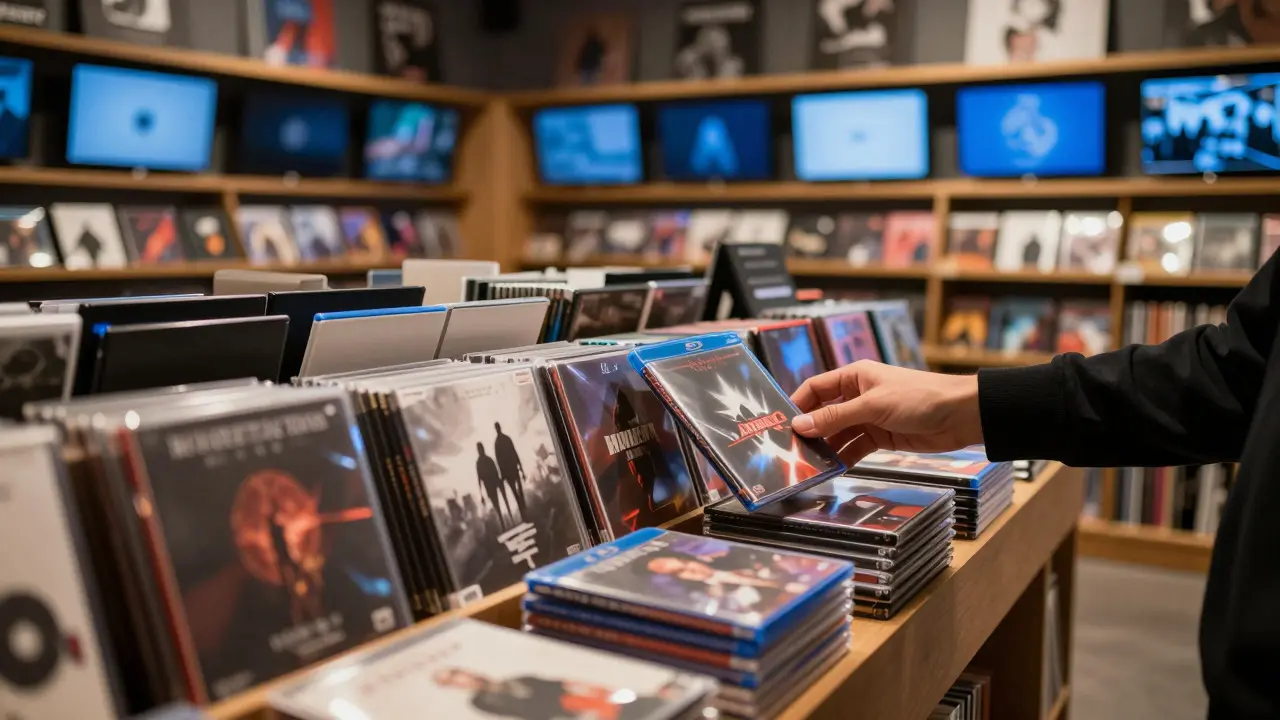
Walk into any major big-box retailer today, and the shelves dedicated to DVDs and Blu-rays are a fraction of what they were in 2010. Yet, if you think physical media is dead, you’re missing a quiet but resilient shift in how films reach audiences. It’s no longer about mass-market dominance; it’s about curation, collectibility, and a specific type of viewer who refuses to compromise on quality or ownership. For distributors, this niche has evolved from a dumping ground for leftovers into a strategic component of the film distribution window, specifically the home entertainment phase.
The Shift from Mass Market to Niche Curatorship
In the early 2000s, physical media was the primary way most people watched new movies at home. Today, streaming services like Netflix and Disney+ dominate viewing habits. However, the remaining physical market is highly specialized. Distributors now treat DVD and Blu-ray releases as premium products rather than standard inventory. This means smaller print runs, higher price points, and exclusive packaging features that appeal to collectors. The target audience isn't the casual moviegoer; it's the cinephile, the collector, and the tech enthusiast who values high-resolution audio and video formats that streaming often compresses or limits.
This shift requires a different logistical approach. Instead of shipping millions of units to Walmart or Target, distributors work with specialty retailers like Best Buy’s high-end sections, independent video stores, and direct-to-consumer platforms. The margin per unit is higher, but the volume is lower. This model allows studios to maintain profitability in the physical sector without competing directly against the massive bandwidth costs of streaming infrastructure.
Understanding the Modern Distribution Window
To understand where physical media fits, you have to look at the entire lifecycle of a film. Traditionally, a movie would play in theaters for six to eight weeks before hitting home video. That gap has compressed significantly. In 2026, many films move to digital rental within two weeks of their theatrical debut. Physical media usually follows shortly after, often arriving three to four months post-release. This timing is critical. If a film doesn’t perform well in theaters, the physical release becomes its final chance to recoup production costs. Conversely, for blockbusters, the physical release serves as a merchandising tool, extending the brand’s presence in the consumer’s living room.
The "window" strategy has also adapted to hybrid models. Some studios release limited-edition Blu-rays simultaneously with digital premieres to create buzz among core fans. Others wait longer to ensure the film has settled into the cultural conversation, allowing marketing materials to focus on the technical specs and bonus content rather than just the plot. This flexibility gives distributors more control over how they manage inventory and cash flow compared to the rigid schedules of the past.

Comparing DVD and Blu-ray in 2026
While both formats coexist, they serve different purposes. DVD remains popular for budget-conscious buyers and families looking for affordable entertainment libraries. Its compatibility with older devices makes it a staple in households that haven’t upgraded to 4K televisions. Blu-ray, however, has become the standard for enthusiasts. With the rise of 4K Ultra HD discs, which are essentially an evolution of the Blu-ray format, the demand for high-fidelity video has surged. These discs offer HDR (High Dynamic Range) and Dolby Vision, providing a visual experience that streaming rarely matches due to internet speed limitations and compression artifacts.
| Feature | DVD | Blu-ray | 4K Ultra HD |
|---|---|---|---|
| Video Resolution | 480p / 720p | 1080p | 2160p (4K) |
| Audio Support | Dolby Digital 5.1 | DTS-HD MA / Dolby TrueHD | Dolby Atmos / DTS:X |
| Average Price Point | $10 - $15 | $15 - $30 | $25 - $40 |
| Primary Audience | Casual viewers, kids | Enthusiasts, collectors | Tech-savvy consumers, purists |
| Distribution Volume | Medium | Low-Medium | Low (Premium) |
Logistics and Supply Chain Challenges
Distributing physical media in 2026 is not just about pressing discs. It involves complex supply chain management. Manufacturers must balance production runs to avoid excess inventory, which can lead to financial losses if sales underperform. On the other hand, too few copies can mean missed revenue opportunities for hit titles. Distributors use data analytics from pre-orders and early sales trends to adjust production numbers weekly. This agility is crucial in a market where consumer interest can spike unexpectedly due to social media virality or award nominations.
Warehousing and last-mile delivery have also changed. Many distributors now partner with third-party logistics providers that specialize in e-commerce fulfillment. This allows them to ship directly to consumers via online retailers like Amazon or their own websites, bypassing traditional brick-and-mortar channels entirely. This direct-to-consumer model reduces overhead costs and provides valuable customer data, such as shipping addresses and purchasing history, which can inform future marketing strategies.

The Role of Bonus Content and Packaging
One of the biggest selling points for physical media in the streaming era is what you can’t get online: bonus content. Commentaries, behind-the-scenes documentaries, deleted scenes, and making-of features are staples of modern Blu-ray releases. For fans, these extras add significant value and justify the higher price tag. Distributors invest heavily in producing this content, knowing that it differentiates their product from a simple digital file. Additionally, packaging design plays a huge role. Steelbooks, slipcases, and numbered editions turn movies into collectible art pieces. This aesthetic appeal drives secondary market sales, where rare copies can fetch prices far above retail.
Marketing these features requires a targeted approach. Social media campaigns often highlight the technical specs and exclusive extras rather than just the film’s plot. Trailers for physical releases focus on the visual fidelity and the unboxing experience. This creates a community around the purchase, encouraging word-of-mouth recommendations among collectors who share their collections on forums and social platforms.
Future Trends and Sustainability
As we move further into the late 2020s, sustainability is becoming a factor in physical media distribution. Consumers are increasingly aware of plastic waste, leading some distributors to explore eco-friendly packaging options. Biodegradable cases and reduced plastic usage are emerging as selling points. Furthermore, the integration of digital codes inside physical cases continues to grow. Most Blu-rays now come with a digital copy code, allowing buyers to watch the film on their phones or tablets while still owning the disc. This hybrid approach ensures that physical media remains relevant even for those who prefer mobile viewing.
Ultimately, physical media is not dying; it’s evolving. It has found a stable place in the film ecosystem as a premium, curated product. For distributors, mastering this niche means understanding the specific needs of the collector, optimizing supply chains for smaller volumes, and leveraging the unique advantages of ownership and quality. The days of mass-market saturation are gone, but the era of dedicated, high-value physical distribution is just getting started.
Is physical media still profitable for film distributors?
Yes, but with lower volumes and higher margins. By focusing on premium formats like 4K Ultra HD and including extensive bonus content, distributors can achieve strong profit margins despite selling fewer units compared to the streaming era.
How does the distribution window for DVDs differ from streaming?
Streaming releases typically occur within two weeks of a theatrical run, whereas physical media usually arrives three to four months later. This delay allows distributors to maximize theatrical revenue first and then capitalize on the home market with a more curated product offering.
Why do collectors prefer Blu-ray over streaming?
Collectors prefer Blu-ray for its superior video and audio quality, lack of compression artifacts, and inclusion of bonus content like commentaries and deleted scenes. Ownership also provides permanence, ensuring the film remains accessible regardless of licensing changes on streaming platforms.
What is the impact of 4K Ultra HD on the Blu-ray market?
4K Ultra HD has revitalized the Blu-ray market by offering a premium experience that streaming struggles to match consistently. It appeals to tech-savvy consumers and purists who value high dynamic range and advanced audio formats, driving up average ticket prices for physical releases.
How do distributors manage inventory risk for physical media?
Distributors use real-time data analytics from pre-orders and early sales to adjust production runs frequently. They also rely on direct-to-consumer channels and third-party logistics partners to minimize warehousing costs and quickly respond to shifting consumer demand.