
For decades, the line between a "movie" and a "streaming title" was a brick wall. If you didn't see it on a big screen with a bucket of popcorn, the Academy didn't count it. But the digital shift happened fast, and the Academy of Motion Picture Arts and Sciences is the organization responsible for the Oscars and setting the eligibility rules for all feature-length films. Now, the rules are shifting again, leaving filmmakers and studio executives wondering if a movie needs a theater at all to be considered high art.
Key Takeaways
- Theatrical release is still the primary gold standard, but "qualified runs" are evolving.
- Streaming platforms now have a clearer, though still strict, path to eligibility.
- The definition of a "commercial release" is expanding to include specific digital windows.
- Timing between digital and cinema launches can now make or break a nomination.
The Great Cinema vs. Streaming Debate
The tension here is simple: the Academy loves the tradition of the cinema, while the world is moving toward the couch. To keep the Academy Awards relevant, they've had to stop treating Netflix and Apple TV+ like intruders and start treating them like studios. But they aren't just handing out trophies for any viral hit.
The core problem is a "qualified run." Traditionally, this meant a film had to play in a commercial theater for at least seven consecutive days in a specific window. If a film skips this and goes straight to a streaming app, it's technically not a "motion picture" in the eyes of the old guard. However, we're seeing a shift where the Academy Awards are acknowledging that a film's reach isn't just measured by ticket sales, but by cultural impact.
Decoding the New Eligibility Requirements
If you're a producer today, you can't just hit "upload" and hope for a statue. The rules for 2026 emphasize a hybrid approach. To be eligible, a film generally needs to meet one of two paths: the traditional theatrical route or the approved digital distribution path.
For the theatrical path, the film must open in a commercial theater in a major US city (like Los Angeles or New York) for a minimum of seven days. But here is the catch: it must be a paid admission. You can't just rent a screen for your friends and call it a release. The AMPAS (Academy) requires proof of ticketing and advertising.
The streaming path is more nuanced. A film can now qualify if it has a theatrical release, but the gap between that release and its streaming debut is where the drama happens. If a movie drops on a platform too quickly-what we call "day-and-date"-it can spark a backlash from the voting members, many of whom are old-school projectionists and directors who believe the cinema experience is sacred.
| Requirement | Theatrical Path | Streaming-First Path |
|---|---|---|
| Minimum Run | 7 consecutive days | Varies by approved distributor |
| Ticket Sales | Required (Paid admission) | Not applicable |
| Location | Major US city (LA/NY) | Global digital access |
| Ad Campaign | Must be public/advertised | Platform promotional push |

The 'Qualified Run' Loophole
Let's be honest: some streaming giants aren't interested in a wide theatrical release. They don't want to spend millions on marketing a movie that they'll give away for "free" to subscribers a week later. Instead, they use the "qualified run" loophole. They book a few screens in Los Angeles for a week, barely advertise them, and check the box for eligibility.
The Academy is starting to push back on this. They want to see that a film was actually available to the public, not just a handful of industry insiders. If the Society of Cinematic Arts (or similar bodies) notices a film was effectively hidden from the public, it can lead to eligibility challenges. This means streamers are now forced to put more money into "limited releases" to prove the film is a legitimate cinematic effort.
How Distribution Windows Affect Voting
It isn't just about whether a movie is eligible; it's about whether the voters actually like it. The Academy voters are a diverse group, but they are still heavily skewed toward people who love the theater. When a movie like The Irishman or Roma pushes the boundaries of distribution, it creates a psychological barrier.
If a film is released on a streaming service and a theater simultaneously, some voters feel it "cheapens" the art. This is why we see the 45-day or 90-day window returning. Studios are realizing that to win the Oscar, they need to protect the "event" feel of a movie. A film that stays in theaters longer builds a narrative of prestige and quality that a "Trending Now" thumbnail on a home screen simply can't replicate.
The Role of Digital Certificates and Metadata
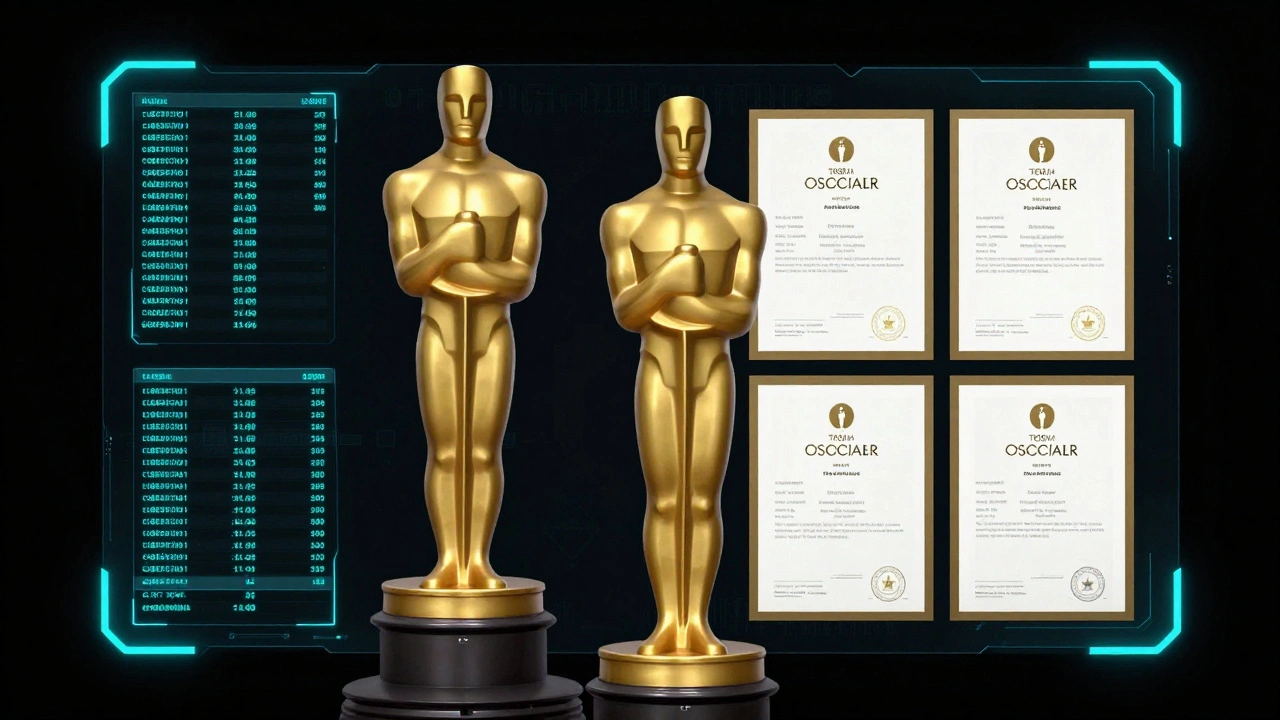
Behind the scenes, the Academy is utilizing new technology to verify releases. They aren't just taking a studio's word for it. They now require digital certificates from theaters and verified metadata from platforms to ensure that the film was actually screened during the required window. This prevents "ghost releases" where a movie is listed as playing but the theater was actually empty.
This move toward data-driven verification is part of a larger effort to modernize. As we move further into 2026, the Academy is essentially building a digital ledger of a film's lifecycle. This includes tracking how many prints were distributed and ensuring the Motion Picture Association standards for quality are met, even for digital files.

What This Means for Future Filmmakers
If you're an indie director, this is actually good news. The widening of the gates means you don't need a massive distribution deal with a legacy studio to get your work noticed. You can leverage a streaming partner to get global eyes on your film, as long as you're smart enough to coordinate a tiny, legal theatrical run in the US.
However, don't ignore the human element. An Oscar isn't won by a checklist; it's won by a campaign. The transition from a streaming hit to an Oscar winner requires a strategy that bridges both worlds. You need the data of the digital age and the prestige of the silver screen. If you ignore the theater entirely, you might get millions of views, but you'll likely never get the gold statue.
Can a movie that never played in a theater win an Oscar?
Technically, no. The Academy still requires a commercial theatrical release for a minimum of seven days in a qualified city to be eligible for the major categories. While streaming platforms can distribute the film, they must still arrange this limited theatrical window to meet the rules.
What is a 'qualified run'?
A qualified run is a specific theatrical release window where a film is shown in at least one commercial cinema for seven consecutive days. It must be open to the general public with paid tickets and follow standard advertising practices to be recognized by the Academy.
Does the 'day-and-date' release affect a movie's chances?
While it may not disqualify the film from eligibility, it can negatively impact the voting process. Many Academy members value the exclusivity of the cinema experience, and releasing a film on streaming and in theaters at the same time can sometimes be seen as a lack of confidence in the film's theatrical power.
Are documentary films subject to the same rules?
Documentaries often have slightly different eligibility paths, including festival screenings that can count toward their qualification. However, for the main feature categories, the core requirement for a public, paid exhibition remains the baseline.
How does the Academy verify theatrical releases now?
The Academy now uses a combination of digital ticketing records, theater certificates, and advertising audits to ensure a film actually played for the required time and was available to the public, rather than just being a "closed-door" screening.
Next Steps for Producers
If you are aiming for a 2027 nomination, start your planning now. First, identify a distribution partner who understands the "Oscar window." Second, don't just pick any theater; choose a venue in Los Angeles or New York that can provide the necessary documentation for the Academy. Third, budget for a small but visible marketing push during your qualifying week. The goal is to make the film feel like an event, even if the event is only happening in two rooms for seven days.






Comments(7)