
When you see a headline claiming a new superhero movie cost $300 million to make, it feels like a lot. But that number is just the tip of the iceberg. The real money disappears long before the cameras start rolling and continues to flow after the final cut is locked. Understanding where that cash goes explains why studios take such massive risks on every release.
A standard production budget is the total amount of money spent to create a film from development through distribution. It isn't one single line item; it's a complex web of contracts, labor agreements, and technological investments. For major studio releases in 2026, the average greenlight for an A-list action or sci-fi franchise sits between $150 million and $250 million. However, once you add marketing, which often rivals the production cost itself, the total investment can double. This guide breaks down exactly where those dollars go, so you can see the difference between a modest indie drama and a global tentpole.
The Pre-Production Phase: Where the Planning Happens
Most people assume the expensive part is filming. In reality, pre-production is where the foundation is laid, and mistakes here are incredibly costly to fix later. This phase typically accounts for 10% to 15% of the total production budget. It involves locking in the script, casting the lead actors, hiring key crew members, and scouting locations.
Casting is often the biggest variable in this stage. A top-tier actor with bankable status can command $20 million to $40 million for a leading role, plus a percentage of the backend profits. This alone can skew the entire budget structure. If a star demands a higher fee than planned, the production might have to cut back on visual effects or reduce the number of shooting days to stay within the cap. Location scouting also adds up quickly. Shooting in a foreign country or a remote area requires logistics teams, permits, and local labor, which can run into millions before a single frame is captured.
Principal Photography: The Daily Grind
This is the actual filming period, usually lasting 60 to 90 days for a major feature. The daily cost of a big-budget film can range from $1 million to $3 million per day, depending on how many sets are active and how much technology is being deployed. The largest chunk of this expense goes to labor. Unions like SAG-AFTRA and IATSE set strict minimum wages and working conditions, ensuring that thousands of workers-from grips to directors-get paid fairly.
Beyond salaries, there are hard costs. Sets need to be built, dressed, and maintained. Props, costumes, and special makeup effects all require dedicated departments. Then there's the equipment. High-end digital cinema cameras, lighting rigs, and motion capture systems are either rented or purchased for the duration of the shoot. For films heavy on practical effects, like large-scale explosions or creature suits, these physical assets represent a significant portion of the daily burn rate.
Post-Production: The Invisible Factory
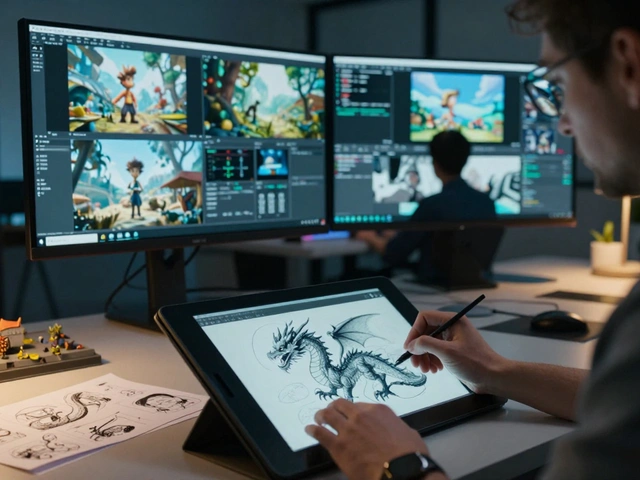
Once the cameras stop rolling, the work doesn't end. Post-production is where the movie is truly made, and it can consume 20% to 30% of the production budget. This phase includes editing, sound design, color grading, and most notably, visual effects (VFX). In recent years, VFX has become the most volatile cost center. A single complex shot involving a digital city or a realistic character can cost hundreds of thousands of dollars. Studios now outsource these tasks to specialized vendors around the world, but the quality control process requires extensive communication and revisions, which drives up the bill.
Sound design is another critical area. Modern audiences expect immersive audio experiences, which means hiring mixers, recording original scores, and licensing popular songs. Music rights alone can cost millions if a film wants to use hit tracks from the last decade. Finally, the final master needs to be formatted for various delivery standards, including IMAX, Dolby Atmos, and standard digital copies for theaters and streaming platforms.

Marketing and Distribution: The Other Half of the Pie
This is the part most casual viewers forget. A film with a $200 million production budget will likely have a $150 million to $200 million marketing campaign attached to it. This includes global advertising, social media campaigns, premiere events, and trailer production. Without visibility, even the best-made film will fail at the box office. Therefore, when analysts talk about a movie's "total cost," they are referring to both production and marketing combined.
Distribution costs also come into play. Theaters take a significant share of ticket sales, usually starting at 50% in the first week and dropping as the run continues. Studios must recoup their distribution costs before seeing any profit from theatrical receipts. This financial structure means that a film needs to earn roughly two to three times its total budget to break even globally. That's why studios hedge their bets by selling international rights early and negotiating home entertainment deals before the movie even opens.
| Phase | Percentage of Production Budget | Key Expenses |
|---|---|---|
| Pre-Production | 10-15% | Script, Casting, Crew Hiring, Locations |
| Principal Photography | 50-60% | Salaries, Sets, Equipment, Travel, Insurance |
| Post-Production | 20-30% | VFX, Editing, Sound, Music, Color Grading |
| Contingency | 5-10% | Unexpected Costs, Overtime, Weather Delays |
Why Some Films Go Over Budget
Even with detailed planning, overruns are common. Weather delays, technical failures, or creative disagreements can push a project past its limit. To mitigate this, producers include a contingency fund, usually around 10% of the budget. If this runs out, the studio may inject more capital, but this increases the break-even point significantly. For example, if a film was budgeted at $100 million but ends up costing $120 million, it needs to earn $360 million instead of $300 million to cover its costs. This pressure often leads to rushed schedules or compromised creative decisions, which can impact the final product's quality.

The Economics of Streaming vs. Theatrical
The rise of streaming services has changed the budget landscape. While theatrical releases still drive the initial hype, many studios now plan for dual releases or direct-to-streaming strategies. Streaming platforms tend to have lower upfront marketing costs because they rely on subscriber retention rather than ticket sales. However, they still need high-quality content to attract subscribers. As a result, we're seeing a shift where mid-budget films ($30 million to $80 million) are becoming more viable, while ultra-high-budget blockbusters remain exclusive to the theatrical window to maximize revenue per viewer.
Understanding these numbers helps explain industry trends. When a studio cancels a sequel or changes a director, it's rarely just about artistic vision-it's about financial risk management. Every dollar spent in pre-production must be justified by potential returns in post-production and distribution. The balance between creative ambition and financial prudence is what defines the modern film industry.
Frequently Asked Questions
What is the average cost to make a Hollywood blockbuster in 2026?
The average production budget for a major studio blockbuster in 2026 ranges from $150 million to $250 million. When you include marketing costs, which are typically equal to or greater than the production budget, the total investment can reach $400 million to $500 million.
How much does a movie need to make to break even?
A general rule of thumb is that a film needs to earn two to three times its total budget (production plus marketing) to break even globally. This accounts for theater cuts, distributor fees, and other overhead costs. For example, a film with a $200 million total cost needs to gross approximately $400 million to $600 million worldwide to reach profitability.
Which part of the budget is the most expensive?
Principal photography is usually the largest single component, accounting for 50% to 60% of the production budget. This covers labor, sets, equipment, and location costs. However, for visually heavy films, post-production (specifically VFX) can rival or exceed this amount due to the complexity of digital work.
Do streaming movies cost less to produce?
Not necessarily. While streaming platforms may spend less on traditional advertising, they often invest heavily in high-profile talent and production values to retain subscribers. The main difference is in the distribution model: streaming relies on subscription revenue rather than box office ticket sales, which changes the risk profile but not always the production cost.
What is a contingency fund in film production?
A contingency fund is a reserve amount, typically 5% to 10% of the total budget, set aside for unexpected expenses. These can include weather delays, equipment failures, overtime pay, or last-minute script changes. It acts as a safety net to prevent small issues from derailing the entire production financially.





Comments(10)