Walking into an audition room feels like walking onto a stage where the audience is invisible but judgmental. For directors, this space is not just about picking faces; it is about building the emotional architecture of a film before a single frame is shot. The difference between a flat performance and a scene that makes you hold your breath often lies in how the director communicates during those brief minutes. If you are directing or preparing to direct, mastering the art of the audition process is as critical as blocking a complex action sequence.
Casting is rarely a linear process. It involves initial reads, chemistry tests, and callbacks where the stakes feel higher. Each stage requires a different set of tools from your directorial toolkit. You need to know when to give specific notes, when to let silence do the work, and how to create an environment where actors feel safe enough to take risks. This guide breaks down the practical techniques that separate good casting from great storytelling.
Setting the Stage: The Psychology of the Room
Before an actor even speaks, they are reading the room. Your physical setup sends messages about your leadership style and your respect for their craft. A cluttered desk or a cold, sterile lighting setup can make performers feel like they are being interviewed rather than collaborating. Conversely, a warm, inviting space with natural light helps lower cortisol levels and encourages openness.
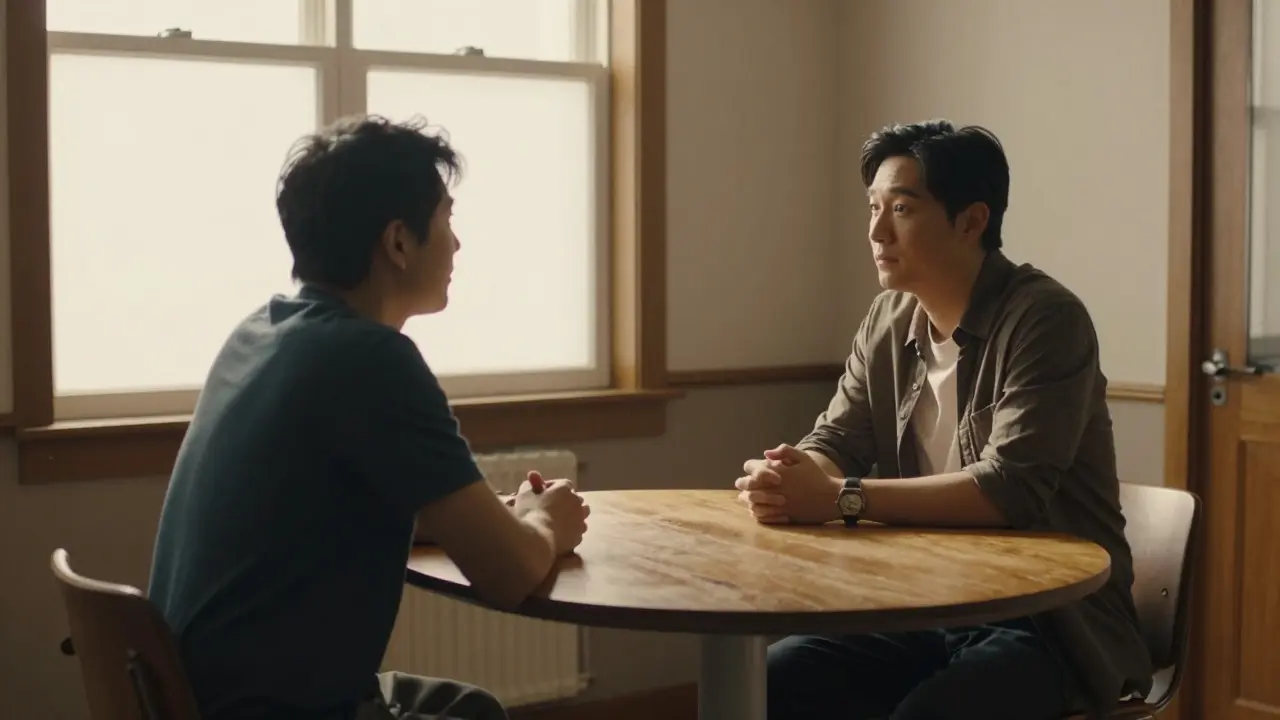
Consider the seating arrangement. Sitting directly across from an actor creates a power dynamic that can feel confrontational. Instead, try sitting at a slight angle or using a round table if possible. This subtle shift signals that you are partners in creating the scene, not judge and defendant. Many successful directors, including David O. Russell, have noted that the first five minutes of interaction determine whether an actor will show up fully or play it safe.
Lighting matters more than most people think. Harsh overhead fluorescent lights flatten facial features and create unflattering shadows, which distracts both you and the performer. Use softboxes or natural window light whenever feasible. If you must use artificial light, ensure it is diffused and positioned to complement the actor's features, not expose them. The goal is to make the actor look like themselves, not a caricature of themselves.
The First Read: Listening vs. Directing
The initial read is often mismanaged by new directors who jump in with notes too quickly. Resist the urge to interrupt. Let the actor complete their first pass, no matter how imperfect it seems. This first attempt reveals their instinctive approach to the material. Are they intellectualizing the lines? Are they playing for laughs when the scene calls for tension? These instincts are data points you need before you start shaping the performance.
During this phase, your job is active listening. Take minimal notes. Focus on observing body language, eye contact, and pacing. Write down one or two key observations rather than a list of corrections. When you do speak after the first read, keep it simple. Acknowledge what worked. "I loved the energy you brought to the opening line" is far more effective than "You were too loud in the beginning." Positive reinforcement builds trust, while immediate criticism triggers defensiveness.
If the actor needs guidance, ask questions instead of giving commands. Asking "What is your character thinking right before she says that?" invites the actor to find the answer within themselves. Telling them "Be sadder here" gives them a target to hit, which often results in a mechanical performance. Question-based direction empowers the actor to own the choices, leading to a more authentic result.
Managing Callbacks: Deepening the Work
A callback is not just another audition; it is a deeper dive into the role. At this stage, you already know the actor can handle the basics. Now you are testing their range, their consistency, and their ability to adapt to direction. This is where many directors make the mistake of repeating the same scenes without adding new layers.
To make callbacks productive, change the context. If the first read was done standing, try having them sit. If the scene was played seriously, ask them to try it with a hint of humor. These variations reveal the actor's flexibility and depth. You are looking for someone who can inhabit the character in multiple dimensions, not just one fixed interpretation.
Chemistry reads are crucial during callbacks, especially for ensemble casts. Pair the top candidates with other actors who have already secured roles or are strong contenders. Watch how they listen to each other. Does one actor dominate the conversation? Do they support each other’s beats, or do they step on each other? Chemistry is not something you can force; it is something you identify. Trust your gut on this. If two actors spark together naturally, that connection will translate to screen in ways that technical skill alone cannot replicate.

Specific Directorial Techniques for On-Camera Presence
Not all great actors are comfortable in front of a camera lens. Some shine on stage but struggle with the intimacy of a close-up. During auditions, you need to assess their on-camera presence specifically. Ask them to perform a monologue while looking directly into the lens, as if speaking to the audience. This tests their ability to maintain connection without the buffer of a partner actor.
Another technique is the "freeze frame" exercise. Have the actor pause mid-scene and hold a pose. Then, ask them to resume from that exact moment. This checks their spatial awareness and continuity skills, which are vital for filming long takes or complex edits. Actors who can seamlessly pick up where they left off demonstrate a professional understanding of how scenes are constructed.
For roles requiring physicality, incorporate movement into the audition. Have them walk across the room while delivering lines. Observe their gait, their posture, and how they occupy space. A character’s way of moving through a room tells you as much about their personality as their dialogue does. Directors like Wes Anderson pay meticulous attention to these details, ensuring that every movement aligns with the character’s internal state.
| Stage | Primary Goal | Key Technique | Common Mistake |
|---|---|---|---|
| Initial Read | Assess instinct and comfort | Active listening, minimal notes | Interrupting with early notes |
| Callback | Test range and chemistry | Varying context, pairing actors | Repeating the same exercises |
| Final Screen Test | Verify on-camera presence | Lens focus, freeze frames | Focusing only on dialogue delivery |
Providing Feedback That Empowers
Feedback is the bridge between the actor’s raw talent and the director’s vision. However, poorly delivered feedback can crush confidence. Use the "sandwich method" sparingly, as it can feel manipulative. Instead, be direct and kind. State the observation, then offer a path forward.
For example, say: "In the second beat, you seemed to rush the line. What if we slow down and let the silence breathe before you respond?" This specific instruction gives the actor a clear tool to adjust their performance. Avoid vague terms like "make it bigger" or "play it cooler." These phrases are subjective and leave the actor guessing. Specificity breeds clarity, and clarity fosters trust.
Remember that actors are artists, not employees. They bring their own interpretations to the role. Your job is not to erase their voice but to harmonize it with the film’s tone. When an actor brings a unique perspective that differs from your initial vision, consider whether that difference adds value. Sometimes, the best performances come from unexpected places. Stay open to surprise.

Building a Long-Term Relationship
Casting is not just about filling a slot; it is about building a team. Actors want to work with directors who respect their process and communicate clearly. After the audition, send a brief note thanking them for their time. Even if they aren’t selected, this small gesture leaves a positive impression. In the industry, reputation travels fast. A director known for being fair and respectful will attract better talent in future projects.
Keep a detailed log of each candidate’s strengths and weaknesses. Note their availability, their union status, and any special skills. This documentation helps you make informed decisions when comparing multiple finalists. It also serves as a reference if you need to revisit a candidate for a different project later.
Common Pitfalls to Avoid
One major pitfall is bias. Be aware of your own preferences regarding age, appearance, or background. Casting based on stereotypes limits your cast and narrows the story’s potential. Blind auditions, where actors perform without being identified, can help mitigate unconscious bias. While not always practical, keeping an open mind is essential for diverse and compelling storytelling.
Another mistake is over-directing. Some directors micromanage every micro-expression, leaving the actor no room to breathe. Trust your instincts, but also trust the actor’s training. Give them space to explore. If you find yourself constantly correcting small details, you may be stifling their creativity. Step back and observe the overall arc of the performance rather than nitpicking individual moments.
Preparing for the Final Decision
When it comes time to make the final call, weigh technical skill against emotional resonance. An actor who nails every line but lacks soul may not connect with the audience. Conversely, an actor with raw emotion but inconsistent timing may require too much editing post-production. Look for balance. The ideal candidate delivers a consistent, emotionally truthful performance that fits the tone of your film.
Consult with your casting director and key crew members. Get their perspectives, but remember that the final decision rests with you. Trust your intuition. You have spent hours watching these actors; you know what feels right. Once you decide, communicate promptly. Waiting too long to notify candidates creates uncertainty and can damage relationships. Clear communication reflects professionalism and respect.
How long should a typical film audition last?
A standard initial audition usually lasts between 15 to 30 minutes. This includes a brief introduction, one or two scene readings, and some Q&A. Callbacks can be longer, often up to an hour, allowing for deeper exploration and chemistry tests. Keep the pace efficient to respect the actor's time.
Should I allow actors to bring their own materials to auditions?
Generally, provide all scripts and sides yourself to ensure consistency. Allowing actors to bring personal notes or props can distract from the core assessment. However, if a role requires a specific prop, such as a guitar or a weapon, provide it in advance so they can familiarize themselves with it.
What is the best way to handle a nervous actor?
Start with casual conversation to break the ice. Ask about their day or their interests outside of acting. Make sure the environment is relaxed and welcoming. Reassure them that mistakes are part of the process. Nervousness often dissipates once the actor feels heard and respected.
Do I need to record auditions?
Yes, always record video and audio. Memory is fallible, and you may need to review performances later when making final decisions. Recording also allows you to share clips with producers or co-directors for additional input. Ensure you have the actor's consent before recording.
How do I evaluate chemistry between two actors?
Observe how they listen and react to each other. Do they wait for their turn to speak, or do they interrupt? Do their energies complement or clash? Chemistry is often visible in non-verbal cues like eye contact and body orientation. Trust your observation of their dynamic interaction rather than just their individual skills.