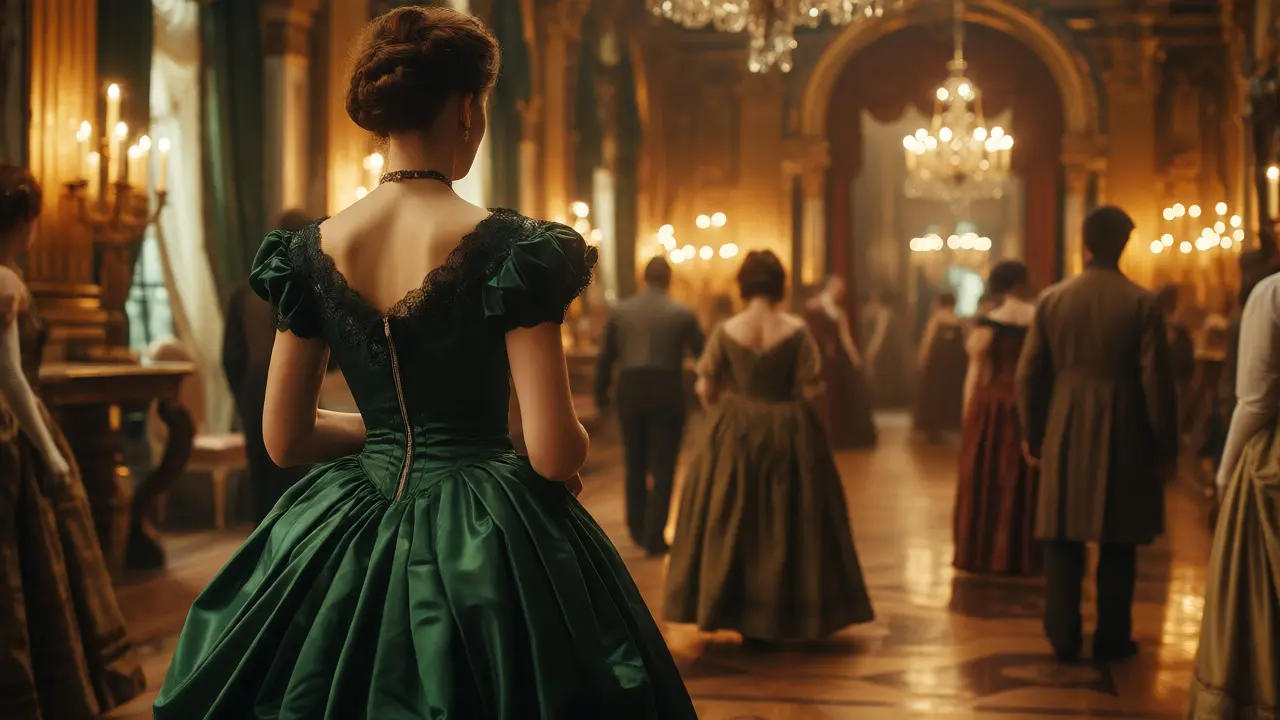
You know that feeling when you’re watching a period drama, and the main character walks into a ballroom wearing a dress that looks like it was cut from modern silk with a zipper hidden in the back? Or maybe the actor is wearing sneakers under his Victorian trousers. It pulls you right out of the story. We want to believe these worlds are real. But here’s the thing: most period dramas aren’t actually accurate. They’re curated fantasies.
Why does this matter? Because historical accuracy isn’t just about getting the dates right. It’s about how costumes and sets communicate who people are, what they value, and where they fit in society. When designers choose fabric or paint color, they’re making arguments about history. Sometimes those arguments hold up. Sometimes they’re just pretty lies that help us feel something. Let’s break down how movies build these worlds and why "accurate" is often the wrong word for what we see on screen.
The Myth of Perfect History
Filmmakers rarely aim for documentary-level precision. If they did, you’d be watching actors in drab, uncomfortable clothes while sitting in dimly lit rooms that smell like smoke and unwashed bodies. Instead, directors and designers prioritize emotional truth over factual perfection. This approach is often called "verisimilitude." It means the world feels believable, even if specific details are tweaked for visual clarity or narrative pacing.
Consider the color palette. In many Victorian era films, characters wear rich jewel tones-emerald greens, deep burgundies, royal blues. In reality, natural dyes were expensive and faded quickly. Most working-class people wore browns, grays, and muted earth tones. But brown doesn’t pop on camera. Blue does. So, designers saturate the colors to make the social hierarchy visible instantly. You don’t need dialogue to tell you the woman in red is powerful; her color scheme screams authority.
This trade-off creates a tension. Purists complain when anachronisms slip through. A coffee cup made of plastic in a 19th-century kitchen? Instant fail. But a slightly modernized silhouette that allows an actor to move freely during a fight scene? That’s a smart compromise. The goal is immersion, not a museum exhibit.
Costume Design as Character Psychology
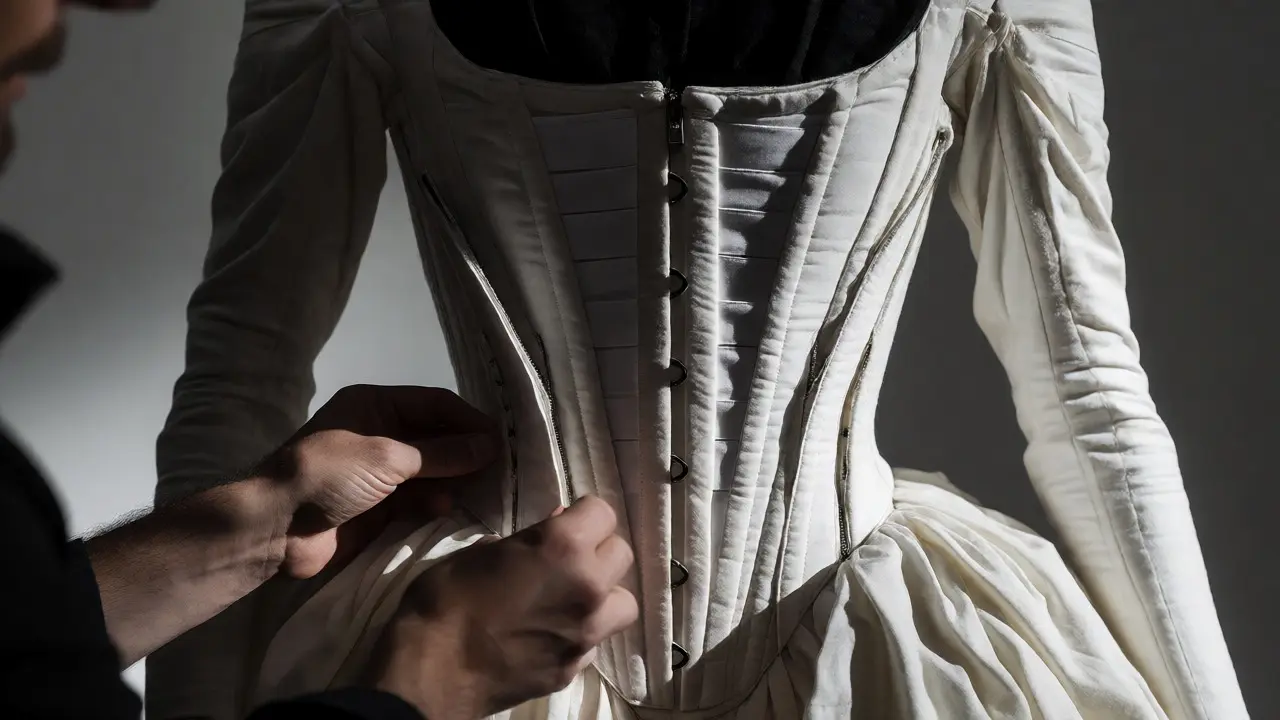
Costume design is arguably the most powerful tool for storytelling in historical fiction. It tells us about a character’s status, personality, and arc without a single line of exposition. Take the work of Sandy Powell, who designed costumes for The Favourite. She used stark whites and blacks to highlight power dynamics in Queen Anne’s court. The clothes weren’t just fancy; they were weapons. The rigidity of the corsets mirrored the rigid social rules trapping the women.
Designers often use "textural authenticity" to sell the look. Even if a garment is cut using modern techniques, the fabric must feel right. Silk should shimmer. Wool should look heavy and scratchy. Linen should wrinkle naturally. If a polyester blend shines too much under studio lights, it breaks the illusion. Audiences might not know the difference between cotton lawn and synthetic voile, but their eyes do. Subconsciously, they reject things that feel fake.
There’s also the issue of comfort versus constraint. Historically, tight lacing and heavy petticoats restricted movement. Actors can’t perform physically demanding scenes in authentic replicas for eight hours a day. So, designers create "cheat garments." These are constructed with zippers, elastic panels, or lighter internal structures. They look period-correct from ten feet away but allow the performer to breathe and move. It’s a practical necessity that keeps the production moving.
Sets and Production Design: Building the World
If costumes define the person, set decoration defines the environment. Production designers have to decide which historical details to include and which to ignore. Space is limited. Cameras can only capture so much. Therefore, every prop must earn its place.
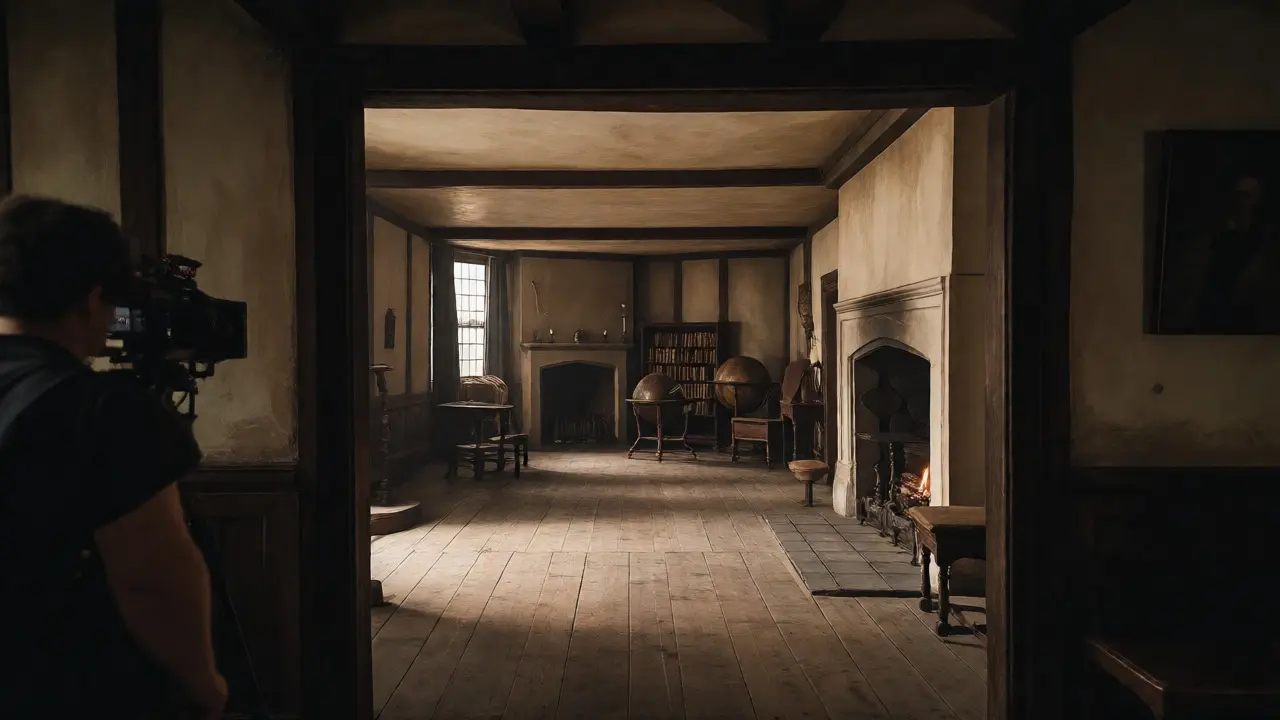
One common trick is "depth staging." Designers fill the background with historically plausible items but keep them slightly out of focus or partially obscured. You see a stack of books, a globe, and a candlestick. Do they match the exact year the script claims? Maybe not. But they establish the vibe of an intellectual household. This technique saves money and time while maintaining atmospheric consistency.
Lighting plays a huge role here, too. Modern electric lighting changes how we perceive space. Period interiors relied on candles, oil lamps, and fireplaces. To replicate this, cinematographers use low-key lighting setups with warm color temperatures. Shadows become deeper. Faces get more dramatic contours. This isn’t just aesthetic; it reflects the actual experience of living before electricity. Darkness was a constant presence. Films that ignore this often feel sterile, like a hospital ward rather than a home.
Another challenge is scale. Real castles and manors are drafty, echoing, and hard to heat. On set, designers often reduce room sizes to control sound and light. They might build a facade instead of a full interior. This allows for easier camera placement and better acoustics. The result is a compressed version of history that works better for the medium of film.
When Accuracy Becomes a Distraction
Sometimes, being too accurate hurts the story. Imagine a medieval knight wearing chainmail that weighs forty pounds. He sweats, he struggles to lift his sword, and he looks exhausted after five minutes of fighting. That’s realistic. But it’s boring to watch. Action sequences require fluidity. So, armor is often made from lightweight aluminum or leather composites. It looks like steel but moves like cloth. The audience accepts this because the action serves the plot.
Similarly, hygiene standards varied wildly across eras. People didn’t shower daily. Teeth weren’t always straight or white. Hair wasn’t perfectly styled. Yet, most period dramas feature clean, well-groomed actors. Why? Because audiences associate dirtiness with poverty or disease, not necessarily historical reality. If the protagonist looks unkempt, viewers might judge them negatively unless the director explicitly frames it as a sign of rebellion or decline.
This leads to the concept of "aesthetic coherence." A film succeeds when all elements-costume, set, lighting, sound-feel like they belong together. Anachronisms stand out only when they clash with this internal logic. If everyone wears modern-looking fabrics, it’s a stylistic choice. If one character wears a clearly modern sneaker while everyone else is in boots, it’s a mistake. Context determines whether a detail is an error or an artistic statement.
Comparing Approaches: Strict vs. Stylized
Not all period dramas take the same approach. Some strive for rigorous adherence to historical records. Others embrace stylization. Understanding the difference helps you appreciate what you’re watching.
| Feature | Strict Historical Approach | Stylized/Fantasy Approach |
|---|---|---|
| Primary Goal | Educational fidelity and realism | Emotional resonance and visual appeal |
| Costumes | Replicas based on surviving garments; natural fibers | Interpretations using modern fabrics; exaggerated silhouettes |
| Sets | Location shooting; minimal artificial dressing | Studio builds; heightened color palettes |
| Examples | Wolf Hall, Band of Brothers | Bridgerton, Moulin Rouge! |
| Audience Reaction | Praised by historians; may feel dry to casual viewers | Popular with general audiences; criticized by purists |
Shows like Bridgerton openly admit they aren’t trying to be perfect history. They use bright pastels and diverse casting to create a fantasy Regency era. This deliberate inaccuracy invites viewers to engage with the themes of love and scandal without getting bogged down in pedantic debates about button placement. On the other hand, Wolf Hall uses muted colors and natural light to immerse viewers in the political intrigue of Tudor England. Both approaches work because they are consistent within their own frameworks.
How to Spot the Tricks
You don’t need a degree in history to spot the seams in these productions. Here are a few things to look for next time you watch:
- Check the shoes. Authentic footwear is often bulky and ugly. If the actors are walking silently on wooden floors, they’re likely wearing soft-soled dance shoes or slippers disguised as boots.
- Look at the teeth. Perfectly white, straight teeth are rare in pre-20th-century populations. Orthodontics didn’t exist. If everyone has Hollywood smiles, it’s a cosmetic concession.
- Observe the hair. Complex hairstyles took hours to create. In films, wigs are common. Look for unnatural shine or perfect waves that don’t match the humidity of the scene.
- Listen to the soundscape. Real cities were loud. Horses, carts, shouting vendors. If a street scene is quiet, sound designers removed ambient noise to make dialogue clearer.
These observations aren’t meant to ruin the fun. They help you understand the craft involved. Every deviation from reality is a decision made by someone to serve the story. Recognizing these choices turns passive viewing into active engagement.
The Future of Historical Storytelling
As technology advances, digital tools allow for greater flexibility. CGI can remove modern buildings from backgrounds or add crowd density without hiring thousands of extras. Virtual production stages, like those used in The Mandalorian, let filmmakers change environments instantly. This opens new possibilities for period dramas. We might see more ambitious recreations of lost cities or battlefields without massive location shoots.
However, the human element remains crucial. No amount of pixel-perfect rendering can replace the tactile feel of real fabric or the weight of physical props. Audiences crave authenticity, even if it’s manufactured. The best period dramas balance technical skill with emotional honesty. They remind us that history isn’t just facts and figures. It’s lived experience. And sometimes, a little bit of creative license helps us connect with that experience more deeply than strict accuracy ever could.
Why do period dramas often get historical details wrong?
Filmmakers prioritize visual storytelling and emotional impact over strict factual accuracy. Details like fabric texture, color saturation, and actor comfort are adjusted to ensure the scene reads clearly on camera and supports the narrative flow. What matters most is internal consistency within the film's world.
Do actors wear real historical clothing?
Rarely. Authentic historical garments are often fragile, expensive, and restrictive. Costume designers typically create custom pieces using modern construction methods (like zippers and elastic) and durable fabrics that mimic the appearance of historical materials. This allows actors to move and perform comfortably during long shooting days.
What is the difference between historical accuracy and verisimilitude?
Historical accuracy refers to factual correctness regarding dates, events, and artifacts. Verisimilitude refers to the appearance of being true or real. A film can lack strict accuracy but still achieve high verisimilitude if its aesthetics, behaviors, and atmosphere feel believable and coherent to the audience.
Why are period drama costumes often brighter than real life?
Natural dyes faded easily and were expensive, so many historical garments were duller. However, modern cameras and screens benefit from saturated colors. Brighter costumes help distinguish characters, convey status, and create visual interest, making the scene more engaging for contemporary viewers.
Can bad set design ruin a period drama?
Yes. If sets feel cheap, cluttered, or anachronistic, they break the viewer's immersion. Poor set decoration can distract from the acting and script, making the production feel low-budget or careless. Consistent and thoughtful set design is essential for establishing the tone and credibility of the historical world.