
Imagine it is Friday night. In New York, a blockbuster hits the big screen. For years, fans in Tokyo or London had to wait weeks-sometimes months-for that same premiere. That gap was a goldmine for pirates. But today, thanks to day-and-date releases, which are a distribution strategy where films open in multiple countries on the same day, that window of vulnerability has shrunk dramatically. This shift isn't just about convenience; it's a structural change in how the film industry fights illegal downloads and streaming leaks.
The Old Model: Why Time Gaps Fueled Piracy
Before the digital era fully took hold, physical media like DVDs were the primary home viewing format. Studios relied on a staggered rollout: first North America, then Europe, Asia, and finally other regions. This created a "piracy window." If a movie opened in the US but not in Japan until six weeks later, Japanese audiences had no legal way to watch it immediately. The result? A surge in bootleg copies, dubbed illegally by fan groups, and shared via peer-to-peer networks.
This model worked when logistics were slow. Shipping physical prints across oceans took time. But as internet speeds increased and file compression improved, the cost of sharing a high-quality video file dropped to near zero. The longer the wait, the higher the incentive to pirate. Data from early 2010s tracking firms showed that for every week a major title was unavailable in a specific region, piracy rates in that region spiked by an average of 15% compared to markets with simultaneous access.
The Shift to Global Synchronization
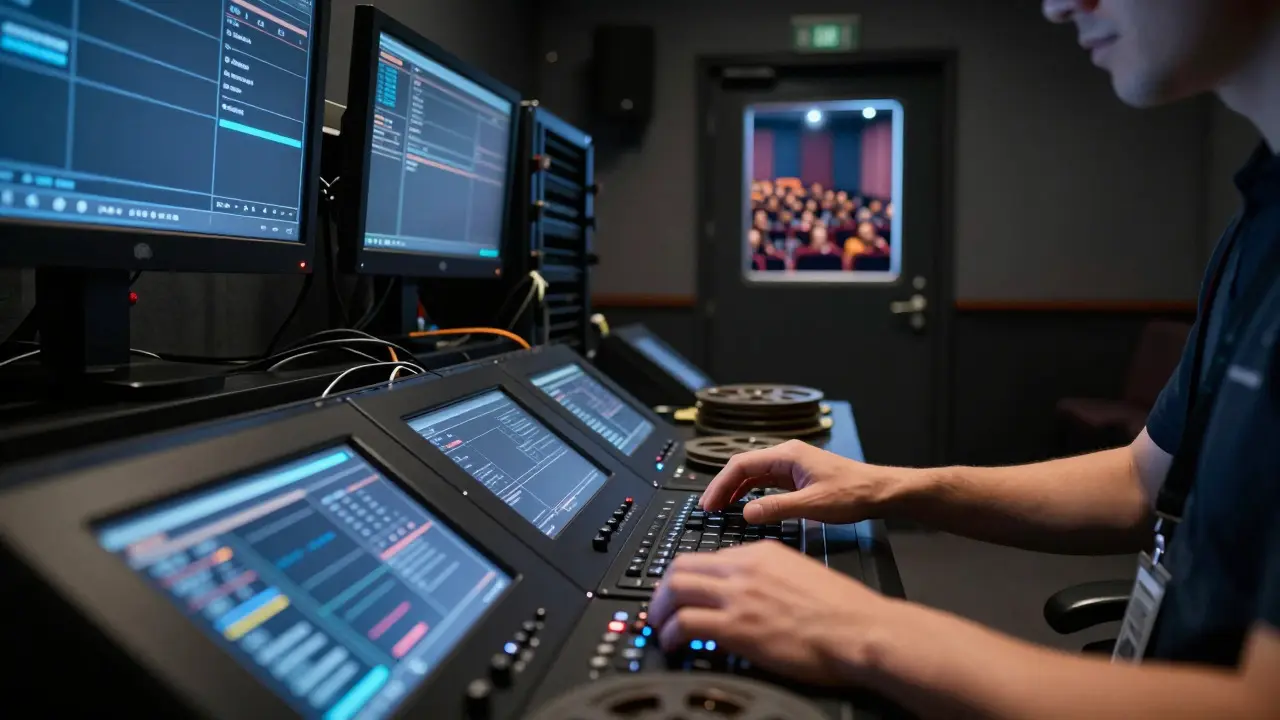
The turning point came with the rise of Digital Cinema Packages (DCPs). Instead of shipping heavy reels, studios now send encrypted digital files to theaters worldwide. This technology allowed for global synchronization, meaning the alignment of theatrical release dates across different territories to maximize opening weekend revenue. Major studios like Warner Bros. and Disney began testing this approach in the late 2000s, initially for tentpole films. By the mid-2010s, it became standard practice for most top-grossing titles.
Why did studios make this switch? It wasn't just altruism toward foreign fans. It was economics. A strong global opening weekend boosts a film's total lifetime box office. When a movie opens everywhere at once, marketing campaigns can be unified, creating a single wave of hype rather than fragmented local buzz. More importantly, it removes the "reason" to pirate. If you can buy a ticket in Seoul on the same day your friend in Los Angeles does, why download a leaky, low-quality copy?
How Timing Impacts Piracy Rates
The relationship between release timing and piracy is direct and measurable. Industry analysts track "leak windows," which is the period between a film's initial release and its availability in other markets. Historically, these windows averaged 4 to 8 weeks. Today, for major blockbusters, that window is often zero days.
Consider the case of large-scale franchises. When a major superhero film launches globally on a Friday, piracy activity tends to remain low during the first two weeks because legal access is available almost everywhere. However, if a studio chooses to delay a release in a key market like India or China due to local holidays or political factors, piracy spikes in those specific regions. This proves that the driver isn't just the existence of the film, but the lack of immediate legal access.
| Feature | Staggered Release (Traditional) | Day-and-Date Release (Modern) |
|---|---|---|
| Piracy Risk | High in delayed markets | Low globally |
| Marketing Efficiency | Fragmented, regional campaigns | Unified global campaign |
| Logistics Cost | Lower initial, higher long-term management | Higher upfront coordination, lower long-term risk |
| Audience Engagement | Delayed social media buzz in new markets | Immediate global conversation |

The Role of Streaming Services
While theatrical releases set the pace, the post-theatrical window also plays a crucial role in piracy prevention. The traditional path was Theater → DVD/Blu-ray → Digital Download → Streaming. Each step added weeks of delay. Today, many films move directly from theaters to premium video-on-demand (PVOD) or subscription streaming services within 30 to 45 days.
Platforms like Netflix and Amazon Prime Video have accelerated this further. Some original series and films skip theaters entirely, going straight to streaming. For these titles, the concept of a "release date" is global by default. There is no staggered rollout because there is no physical product to ship. This eliminates the piracy window entirely for a growing segment of the market. However, for theatrical exclusives, the speed at which they appear on streaming platforms still matters. A shorter window between theater exit and streaming entry reduces the temptation to keep watching pirated copies after the theatrical run ends.
Challenges and Exceptions
Is day-and-date perfect? Not quite. Local conditions still force delays. Religious holidays, national elections, or extreme weather can push back releases in specific countries. For example, a film might open in the West but wait for a better holiday season in East Asia. When this happens, piracy doesn't disappear, but it becomes more targeted. Fans in the delayed region know exactly when the film will arrive, so they may wait patiently, reducing the urgency to pirate. Conversely, if the delay is indefinite or unclear, piracy rises.
Another challenge is the quality of the leak. In the past, leaks were often low-resolution camera rips taken in theaters. Now, with high-bandwidth internet, leaks can be high-definition digital copies stolen from DCPs. This means that even with synchronized releases, piracy remains a threat if security is weak. The strategy must be paired with robust encryption and watermarking to trace leaks back to their source.
Best Practices for Minimizing Piracy Through Timing
If you are involved in film distribution or marketing, here are practical steps to leverage timing against piracy:
- Align Opening Weekends: Aim for the same global Friday launch whenever possible. Avoid splitting the opening weekend across hemispheres unless absolutely necessary.
- Communicate Clear Dates: If a delay is unavoidable, announce the exact new date early. Uncertainty drives piracy; certainty builds anticipation.
- Shorten Post-Theatrical Windows: Move films to digital/streaming platforms quickly. A 45-day window is becoming the industry standard for minimizing the "post-theater" piracy phase.
- Monitor Regional Trends: Use data analytics to identify which regions are most prone to piracy when delays occur. Prioritize these markets for earlier releases or stronger marketing pushes.
Frequently Asked Questions
What is a day-and-date release in film distribution?
A day-and-date release is a strategy where a film opens in theaters in multiple countries on the same calendar day. This approach minimizes the time gap between when the film is available in one market versus another, reducing the opportunity for piracy in regions that would otherwise have to wait.
Does releasing a film globally on the same day completely stop piracy?
No, it does not completely stop piracy. While it significantly reduces the incentive to pirate due to lack of legal access, piracy can still occur through stolen digital files, poor security, or consumer preference for free content. However, it removes the largest historical driver: the waiting period.
Why do some films still use staggered releases?
Staggered releases are still used due to local market conditions such as competing major films, religious holidays, national events, or logistical constraints. Sometimes, a later release date allows for better positioning in a crowded market, maximizing potential box office returns despite the increased piracy risk.
How do streaming services affect film piracy?
Streaming services reduce piracy by providing immediate or rapid legal access to films. When a film moves quickly from theaters to a streaming platform, the window for piracy shrinks. Additionally, the low cost of subscriptions makes legal access more attractive than seeking out pirated copies.
What is the impact of digital cinema packages on release timing?
Digital Cinema Packages (DCPs) allow for faster and cheaper distribution of films to theaters worldwide. Unlike physical reels, DCPs can be transmitted electronically, enabling studios to synchronize release dates across continents without significant logistical hurdles. This technology is a key enabler of the day-and-date release strategy.





Comments(5)