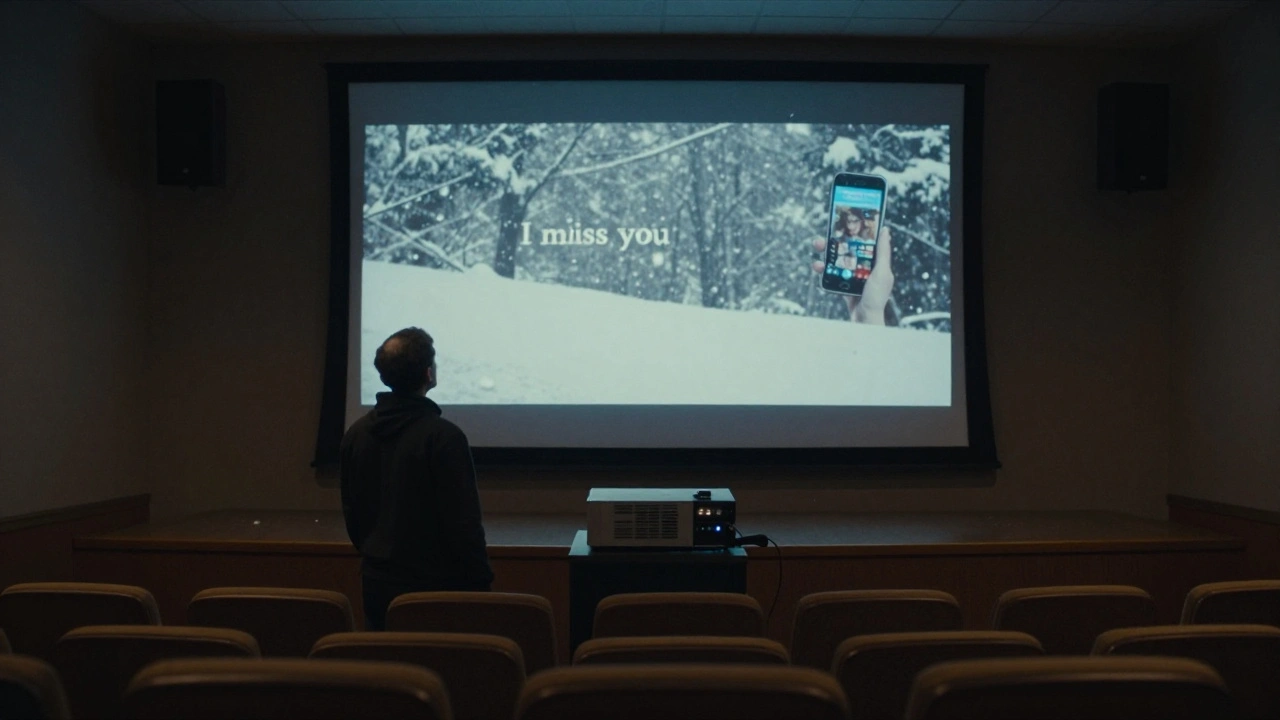
Every year, hundreds of first-time directors show up at film festivals with nothing but a finished movie and a dream. Most leave without a deal, without a distributor, sometimes without even a single person in the audience. But a few? They walk out with distribution offers, industry buzz, and careers that change overnight. It’s not luck. It’s strategy.
What Happens at Major Festivals That Makes a Debut Matter
Film festivals aren’t just screenings. They’re marketplaces, networking hubs, and talent incubators rolled into one. The big ones-Sundance, Cannes, Toronto (TIFF), Venice, and Berlin-don’t just showcase films. They curate them. A film chosen for Sundance’s U.S. Dramatic Competition isn’t just accepted; it’s flagged as a potential breakout. These slots are filled by a small team of programmers who watch thousands of submissions and pick only 16-18 features each year. That’s less than 1% acceptance rate.
Why does this matter? Because once your film lands in one of those slots, distributors, agents, and producers start paying attention. They don’t come for the Q&As. They come for the reaction. Did the audience stand up? Did critics whisper about it during the credits? Did a producer text their boss saying, “We need to see this”? That’s how deals get made.
The Hidden Rules of Debut Success
There’s no single formula, but the directors who break out tend to follow a pattern:
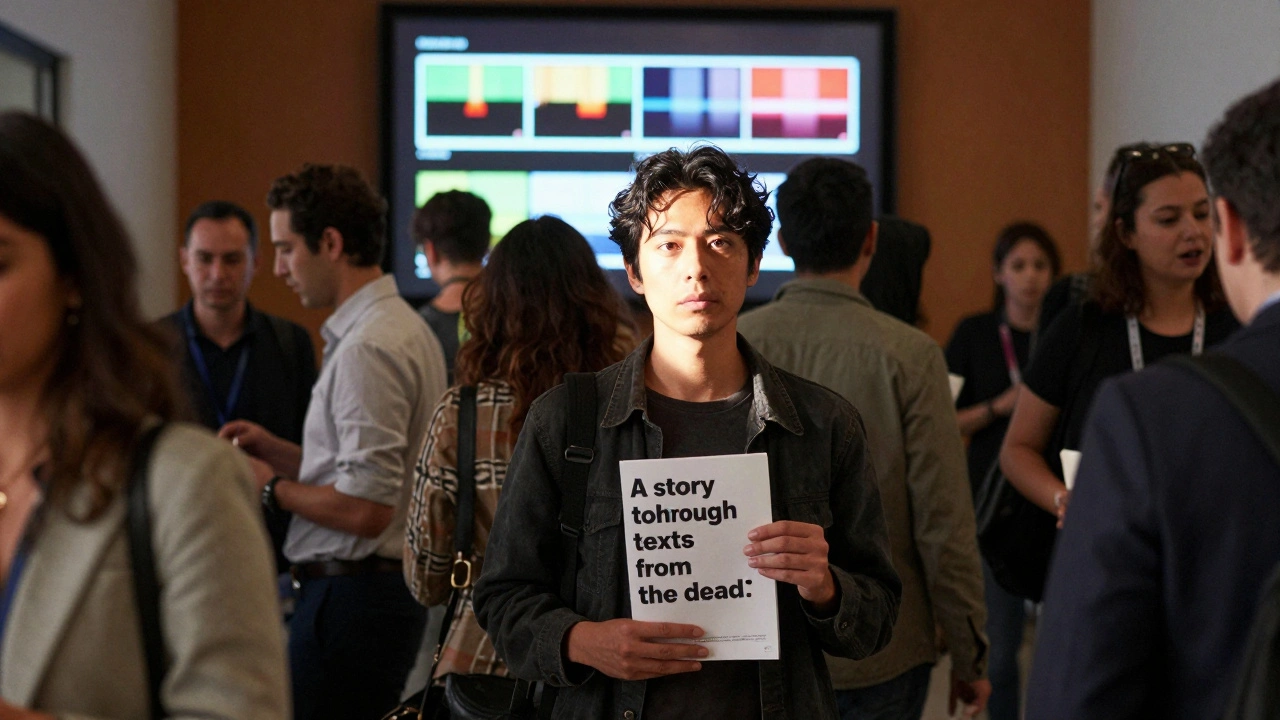
- They know their film’s hook. Not “it’s a drama about grief.” But “it’s a drama about grief… told entirely through text messages sent between a mother and her dead daughter’s phone.” Specificity cuts through the noise.
- They don’t just show up-they show up prepared. A debut director at TIFF in 2023 had 500 printed press kits, 10 tailored email pitches to buyers, and a 90-second sizzle reel of the film’s best moments. They didn’t wait to be found. They made themselves impossible to ignore.
- They target the right festival. A gritty indie drama? Sundance. A visually poetic foreign film? Cannes. A socially conscious U.S. story? TIFF. Sending a horror film to Venice is like bringing a snow shovel to a beach party.
One director told me he spent six months before his festival run emailing critics who had reviewed similar films. Not to ask for help. Just to say: “I made something you might like. Here’s the link.” He got three responses. Two of them wrote reviews. One of those reviews led to a Netflix acquisition.
Who’s Really Deciding What Gets Seen
It’s not just programmers. It’s not just critics. It’s the network.
At Sundance, a producer from A24 might sit next to a talent agent from CAA at a coffee line. That agent just saw your film and says, “That’s the one.” The producer overhears. A week later, your film is on their radar. That’s how it happens. Not through submissions. Not through ads. Through word of mouth in the right rooms.
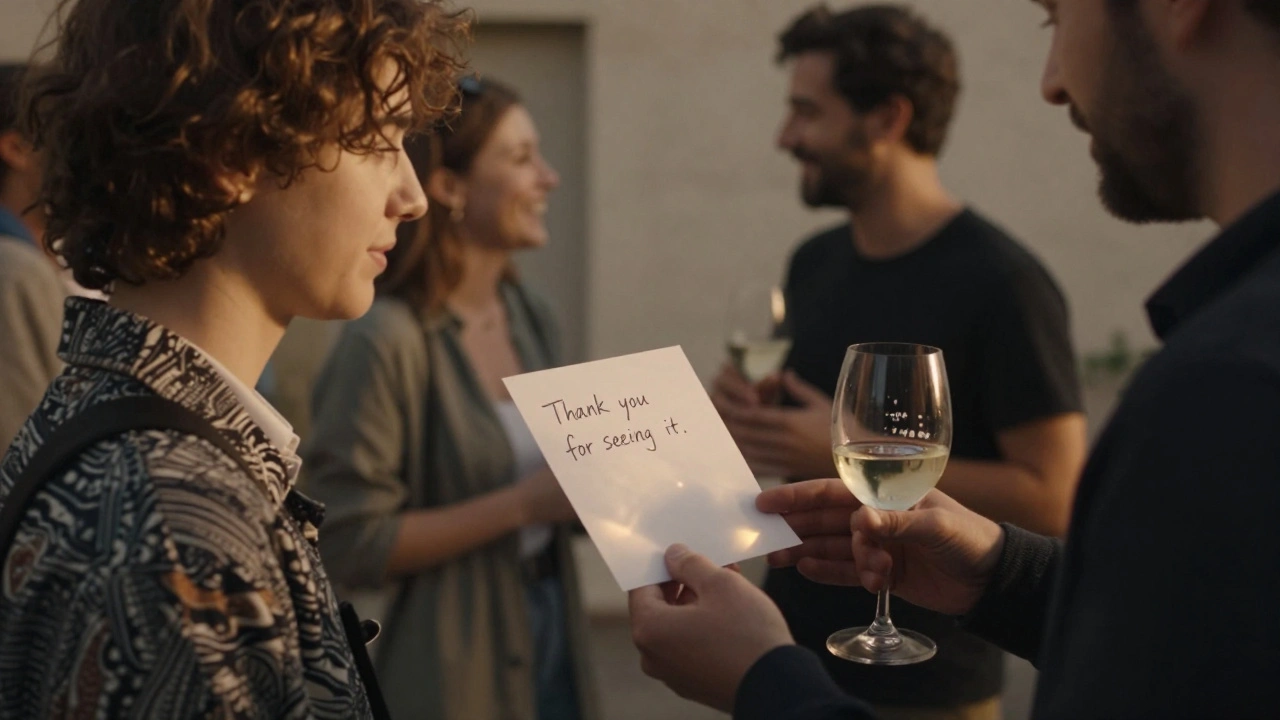
That’s why the best debut directors don’t just focus on their film. They focus on people. They attend panels. They ask smart questions. They remember names. They follow up with a thank-you note-not a pitch. That’s how you get invited to the after-party. And that’s how you get seen by the person who can greenlight your next project.
The Real Cost of Going to a Festival
It’s not just money. It’s time. And risk.
A first-time director might spend $15,000-$30,000 on festival fees, travel, lodging, and marketing materials. That’s not counting the months of prep. And if your film doesn’t sell? You’re out that money-with no guarantee you’ll ever get another shot.
But here’s the thing: the ones who win don’t treat it like a lottery. They treat it like a job interview. They rehearse their pitch. They study the buyers. They know who’s looking for what. In 2024, a director from rural Kentucky got into Sundance with a $12,000 film shot on an iPhone. She didn’t have a PR team. But she had a spreadsheet: 127 critics who reviewed similar films, 47 producers who’ve backed indie dramas in the last 3 years, and 3 distributors who specialize in regional stories. She emailed each one personally. Four responded. One bought it.
What Festivals Look For (And What They Ignore)
Festivals get hundreds of debut submissions. What makes one stand out?
- They want originality. Not “a new take on a classic.” But something you’ve never seen before. A film that makes you say, “I didn’t know this could be a movie.”
- They want clarity. If your logline takes more than 10 seconds to explain, it’s too complicated. The best debut films have a one-sentence pitch that sticks.
- They want passion. Not just in the script. In the director. When you talk about your film, do your eyes light up? Do you know every frame? Do you care more about the story than the award? That’s what they remember.
What gets ignored? High production value without emotional stakes. A film shot like a Hollywood blockbuster but with no soul. A script that tries to be everything to everyone. Festivals don’t want polished. They want alive.
What Comes After the Festival
Getting picked up isn’t the finish line. It’s the starting line.
Many first-time directors think selling to a distributor means they’re “made.” But that’s when the real work begins. Distribution deals often come with strings: limited release windows, no control over marketing, or even cuts to the film. In 2023, a Sundance-winning film was sold to a streamer for $2 million-but the director had to sign away all rights to future edits. They lost creative control. The film vanished without a trace.
The smart ones don’t just look for money. They look for partners. They ask: “Will you champion this film? Will you let me be part of the marketing? Will you give me a shot at my next project?” Some directors walk away from big offers because they know a small distributor who truly believes in them will do more for their career in the long run.
Why Some Debut Directors Never Break Through
It’s not always about talent. It’s about timing, positioning, and patience.
One director I spoke to made a stunning debut at Cannes in 2022. Critics raved. But he didn’t follow up. No interviews. No social media. No public appearances. He thought the film would speak for itself. It didn’t. A year later, it was forgotten.
Another spent three years making a film no one understood. It was brilliant-but confusing. The festival programmers didn’t know how to sell it. The audience walked out. The director never made another.
Breakthrough isn’t about being the best. It’s about being the most understandable and the most reachable.
Where to Start if You’re a First-Time Director
If you’re sitting on a finished debut film and wondering where to go next:
- Study the winners. Look at the last 5 years of Sundance, TIFF, and Cannes winners. What do they have in common? Tone? Length? Subject matter? Structure?
- Target one festival. Don’t apply to ten. Pick the one that fits your film best. Submit early. Pay the fee. Get in.
- Build your pitch. One paragraph. One image. One video clip. Make it impossible to scroll past.
- Reach out early. Email 20 critics, 10 producers, 5 distributors. Not asking for anything. Just saying: “I made this. Thought you might like it.”
- Be ready to talk. Practice your story. Why did you make this? What did you learn? What’s next? People don’t remember your film. They remember you.
The film industry doesn’t need more films. It needs more voices that are clear, bold, and unforgettable. If your debut can do that? The festival doors will open.
Do first-time directors need a producer to get into major film festivals?
No. Major festivals like Sundance, TIFF, and Cannes accept direct submissions from directors. You don’t need a producer, agent, or distributor to enter. What matters is the quality of the film and how well it fits the festival’s programming goals. That said, having a producer can help with marketing, logistics, and negotiations after the festival-but it’s not required to get in.
What’s the success rate for debut films at Sundance?
About 15-20% of films that premiere in the U.S. Dramatic Competition at Sundance secure distribution deals during or shortly after the festival. That’s roughly 3-4 out of the 16-18 films selected each year. But only about half of those deals lead to wide releases. The rest go to streaming platforms or limited theatrical runs.
Can a low-budget film win at Cannes or Sundance?
Absolutely. In 2023, the Grand Jury Prize at Sundance went to a film made for under $8,000. It was shot in 10 days with a cast of non-actors. At Cannes, the 2024 Palme d’Or winner had a budget of $1.2 million-tiny compared to Hollywood films. What matters isn’t the budget. It’s the originality, emotional impact, and execution. A powerful story told with clarity will always rise above high production value without heart.
How long does it take to get a debut film into a major festival?
The process usually takes 6-12 months. Most festivals open submissions 6-8 months before the event. For Sundance, submissions typically close in late August, with decisions announced in January. That means if you’re planning to submit for January 2027, you need to finish your film by mid-2026. Post-production, editing, and festival prep can take months, so start early.
What’s the biggest mistake first-time directors make at festivals?
Waiting to be discovered. Many directors think if their film is good enough, people will find them. But festivals are crowded. Buyers are overwhelmed. If you don’t reach out-through emails, social media, or personal conversations-you’ll disappear into the noise. The most successful directors are the ones who are proactive, humble, and persistent-not the ones with the biggest budgets.
Breaking out as a first-time director isn’t about being the next Tarantino. It’s about being the one who shows up, speaks clearly, and doesn’t give up. The festivals aren’t looking for perfection. They’re looking for people who refuse to be ignored.



Comments(9)